








Quick Answer
A “forever home” dining room should be designed around long-term comfort, daily routines, and materials that continue to feel relevant as your style evolves. Houzz’s 2026 U.S. home-design research reports that 44% of surveyed homeowners describe their home as a forever home, while 61% of homeowners undertaking renovations plan to stay for 11 or more years. These findings relate to long-term home plans, not specifically to dining-table purchases. Still, they offer a useful perspective: when choosing a major furniture piece, it makes sense to consider proportions, durability, material character, and how the room will be used over time.
What the 2026 Houzz Findings Tell Us About Long-Term Living

Homeowners who expect to remain in a property for many years may approach design differently from people furnishing a temporary home. They may pay closer attention to comfort, flexibility, storage, materials, and how different rooms support everyday life.
Houzz’s 2026 U.S. home-design research offers relevant context. It reports that 44% of surveyed homeowners describe their home as a forever home and that 61% of homeowners planning renovations expect to stay for 11 or more years.
These figures do not prove that homeowners are buying more expensive furniture or that custom dining tables are becoming more popular. They do, however, point to the importance of designing spaces for longer-term use.
A dining room is a natural place to apply this thinking. It may serve as a family gathering space, a place for entertaining, a homework station, or an everyday work area. A table chosen for the way people actually live can remain useful even as accessories and decorating preferences change.
Start With How Your Household Uses the Dining Room
A dining table should fit more than the room’s visual style. It should support the activities that happen around it.
For households that eat together every day, a comfortable table height, adequate seating space, and easy movement around the chairs are essential. People who frequently entertain may prefer a larger tabletop or a layout that accommodates additional guests. In an open-plan home, the table may also help define the transition between the kitchen and living area.
Measure the dining zone before selecting a table. Consider the distance between the table edge and nearby walls, cabinets, or other furniture. Allow enough clearance for chairs to be pulled out and people to walk around them comfortably.
Think about future needs as well. A household may grow, children may become adults, or the room may eventually serve a different purpose. A table that balances generous usable space with sensible proportions can adapt more easily.
Natural Materials Can Help a Room Feel Personal

A long-term interior does not need to be completely neutral or devoid of personality. Natural materials can provide a foundation that works with changing accessories, paint colors, and soft furnishings.
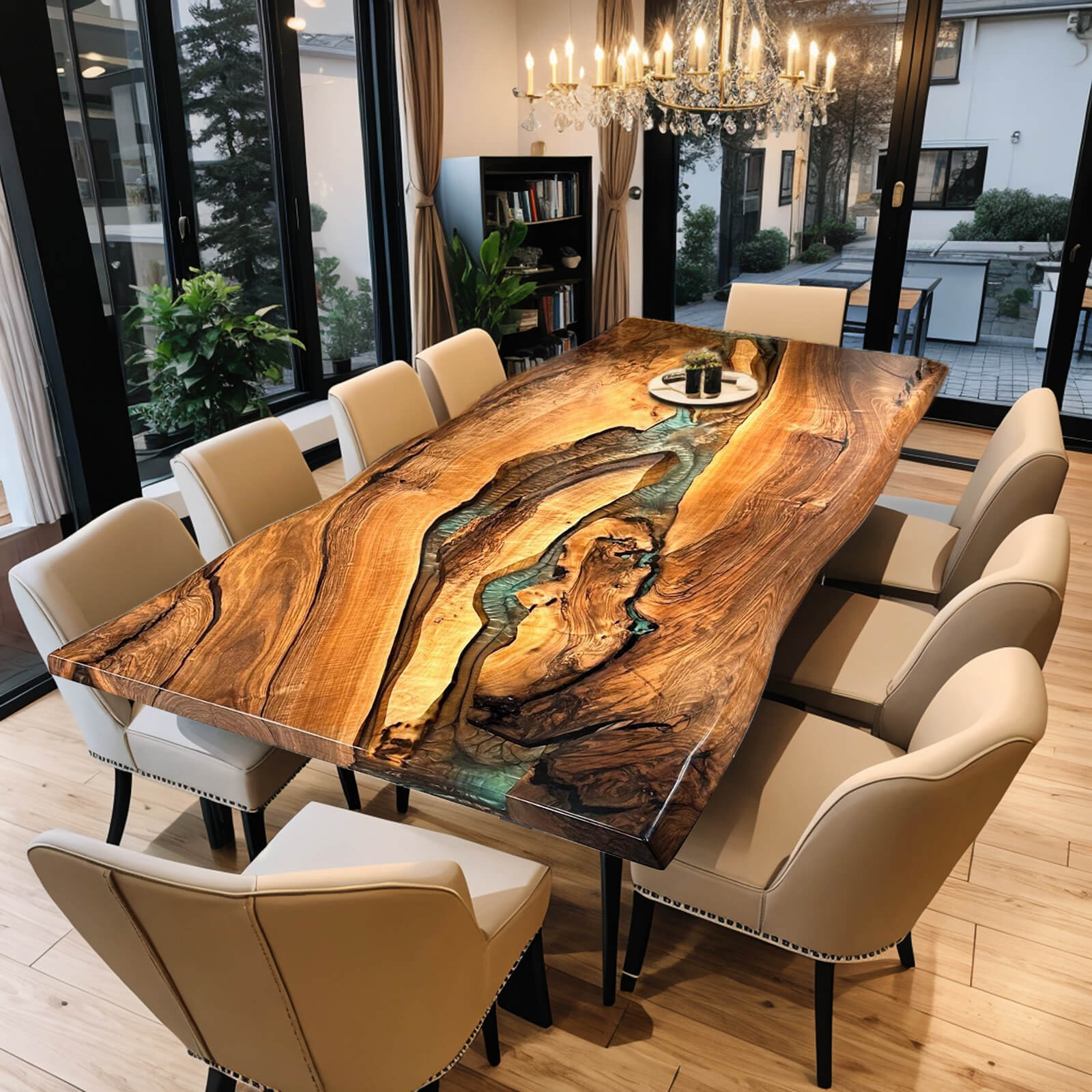
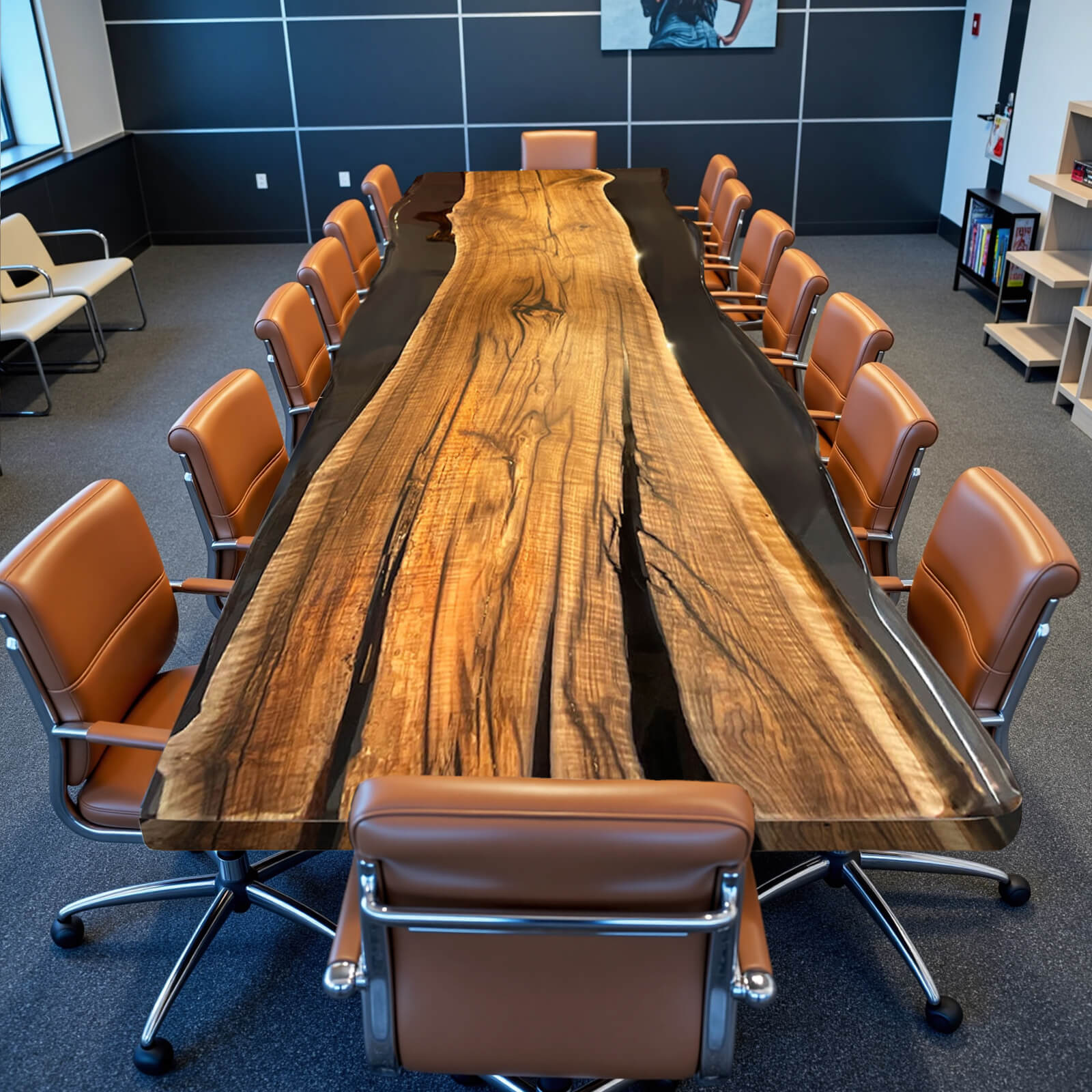
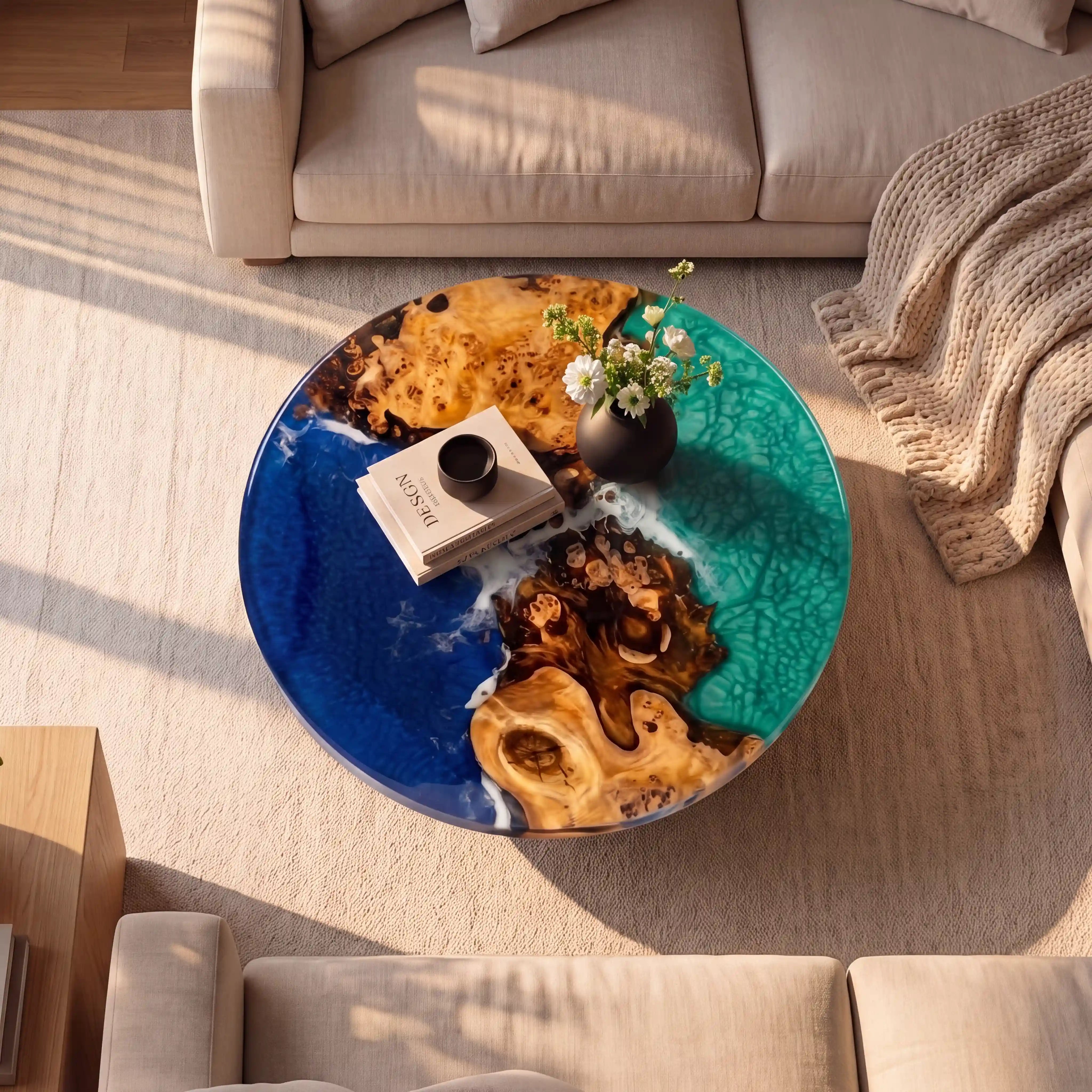
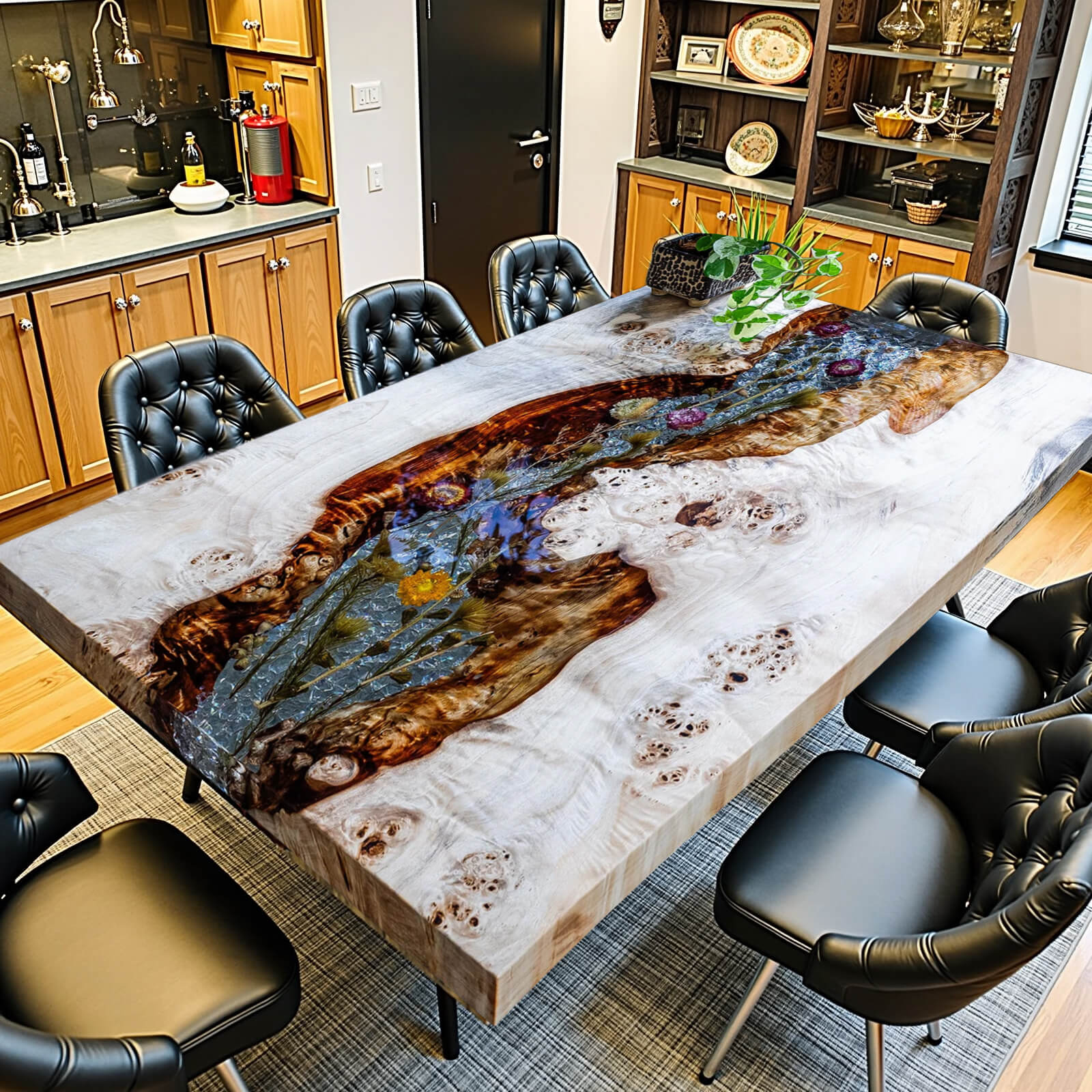
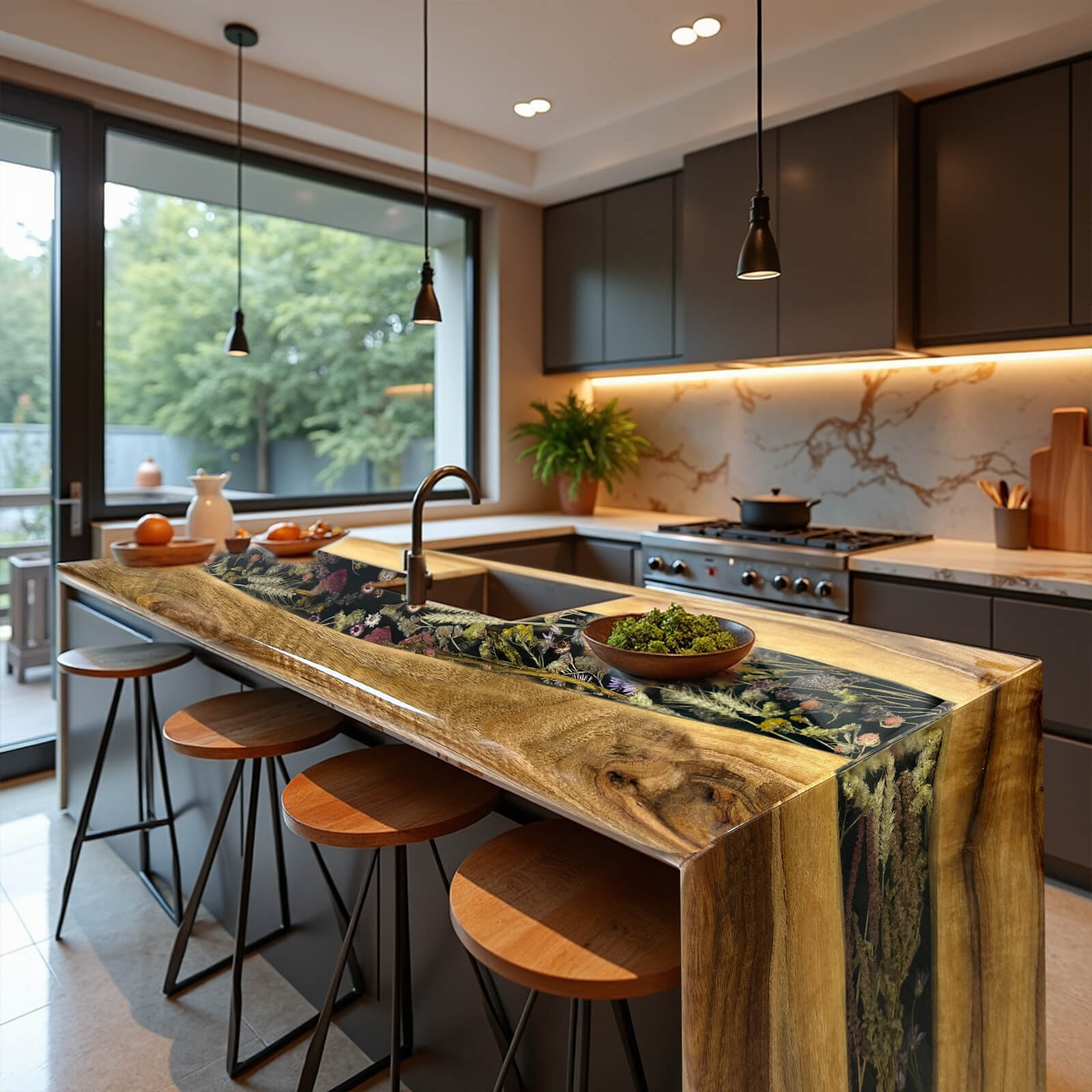
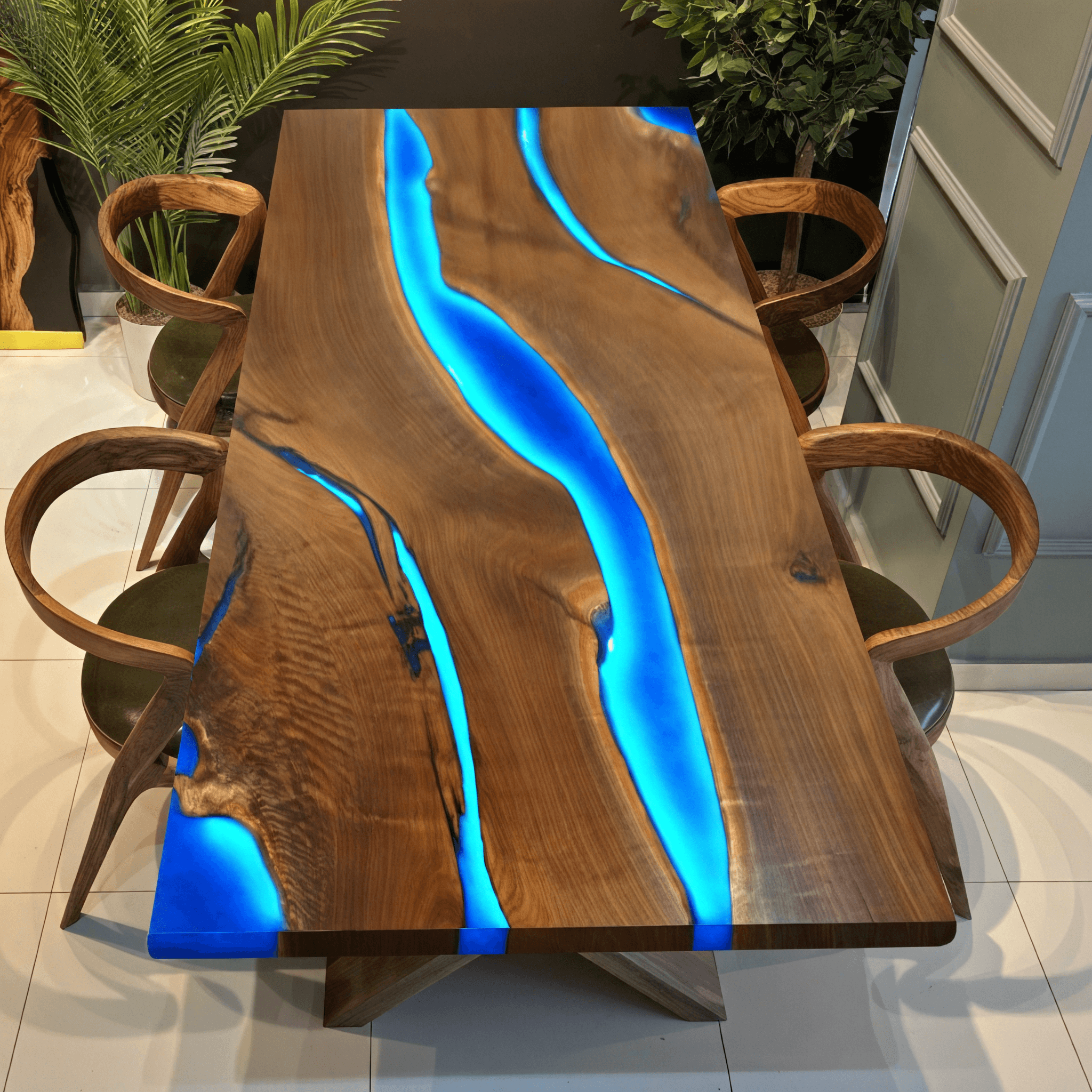
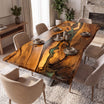
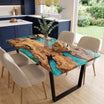
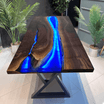
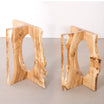
Wood is especially useful because its grain, tone, and natural edges create visual interest without requiring elaborate decoration. In an epoxy table, the resin adds another design dimension. It can contrast with the wood, follow a natural opening, or form a distinctive river through the tabletop.
The goal is to choose a combination that suits the home rather than chasing a short-lived look. A dramatic resin color may be appropriate for a bold interior, while a more restrained finish may work better in a room built around natural wood, stone, and muted textiles.
Why Custom Furniture Can Be Worth Considering
Standard furniture can be an excellent choice when its dimensions and design suit the room. Custom furniture becomes particularly relevant when a space has specific requirements or when a buyer wants more control over the final appearance.
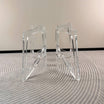
For an epoxy dining table, customization may involve length, width, wood selection, resin color, edge character, and table-base design. These choices can help the piece work with existing flooring, cabinetry, lighting, and chairs.
Customization does not automatically make a table more durable or a better investment. The materials, construction, finish, care requirements, and maker’s quality standards still matter. Ask for clear specifications rather than assuming that a custom product is superior simply because it is made to order.
If you are exploring options, Createatable’s Best Sellers can provide a starting point for styles and proportions. If you have a specific room or design in mind, use the custom table design page to discuss your requirements.
Choosing a Table That Can Evolve With Your Interior
A forever-home interior rarely remains exactly the same for decades. Wall colors may change, new chairs may replace old ones, and rugs or lighting may be updated. A dining table can remain a visual anchor if its proportions and materials work with more than one decorating direction.
Consider whether the table will coordinate with both current and possible future finishes. Natural wood and carefully chosen metal bases can offer flexibility, while resin color can establish either a subtle or distinctive focal point.
Also consider maintenance. Ask how the surface should be cleaned, what products to avoid, and how to protect the tabletop from heat, scratches, and prolonged exposure to sunlight. Understanding care requirements helps set realistic expectations for long-term ownership.
The most suitable design is not necessarily the trendiest or most expensive. It is one that fits the room, supports everyday use, and continues to feel appropriate as the home changes.
A Practical Checklist for a Long-Term Dining Table
Before choosing a table, ask yourself:
1. Does it fit the room? Measure the dining zone and plan for chairs and walking space.
2. Does it fit your routine? Consider everyday meals, entertaining, working, and family activities.
3. Do the materials suit your home? Compare wood tones, resin colors, base finishes, and surrounding furniture.
4. Can the design adapt? Think about future changes to chairs, rugs, lighting, and wall colors.
5. Do you understand maintenance? Confirm cleaning and care requirements.
6. Are the specifications clear? Check dimensions, materials, finish, shipping, and delivery estimates.
For additional inspiration, browse Createatable’s table collection to compare styles before deciding whether an existing design or a custom configuration is the better fit.
The Bottom Line
The 2026 Houzz findings provide a useful reminder that many homeowners are thinking about their homes as long-term places to live. Although the figures do not specifically measure furniture-buying behavior, they support a practical approach to furnishing: choose pieces around real routines, room proportions, material quality, and enduring personal taste.
A dining table can become one of the most frequently used pieces in a home. Take time to evaluate how it will function every day, how it will look alongside your interior, and how its materials should be cared for. Those considerations are more meaningful than following a trend for a single season.