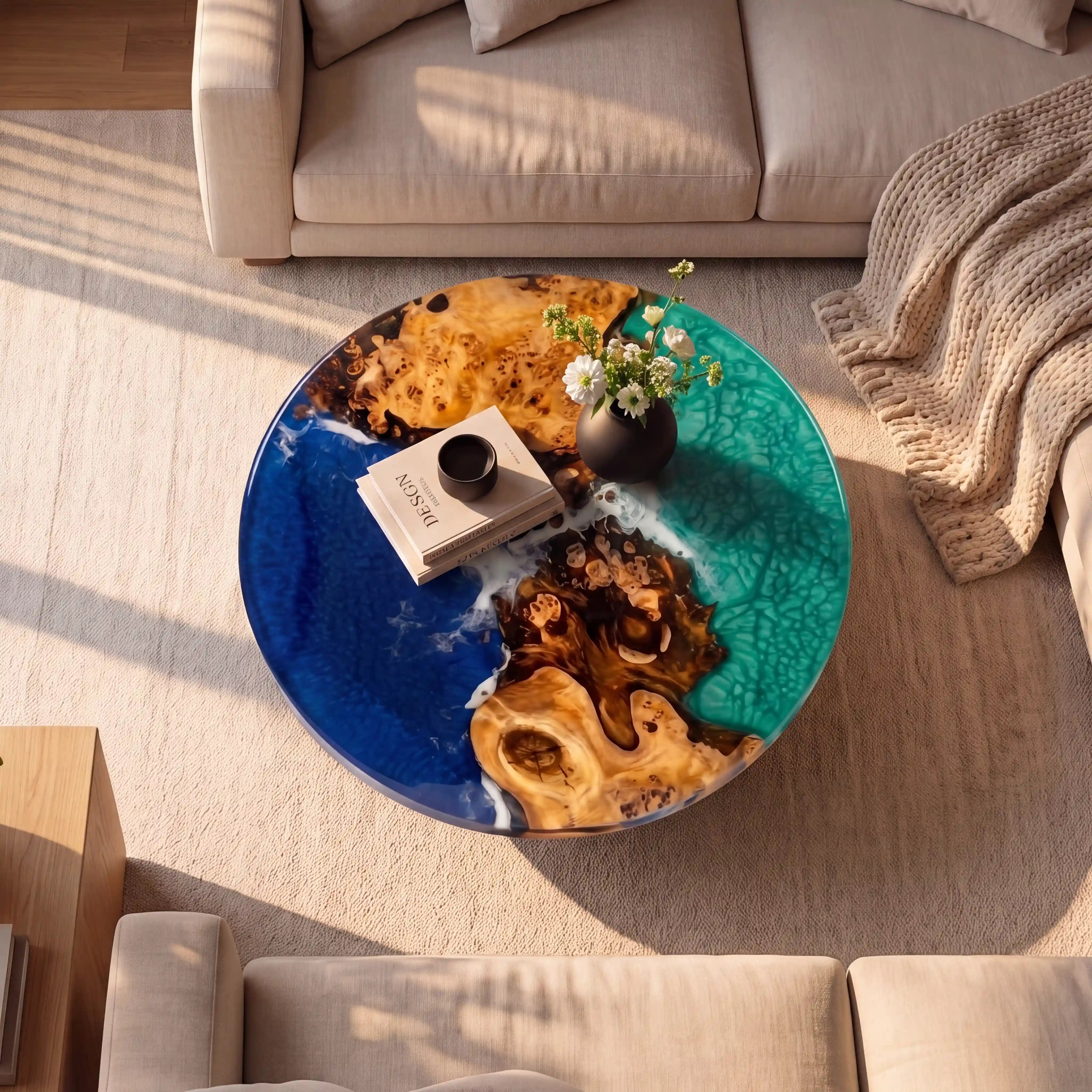




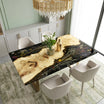
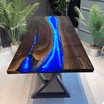
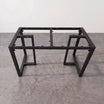

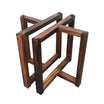



TL;DR: The Quick Answer Mixing wood tones is the defining interior design movement of 2026, replacing the outdated rule of perfectly matching furniture sets. To successfully mix woods without creating visual chaos, designers rely on the 60-30-10 rule. By establishing a dominant anchor wood for 60% of the room, a contrasting secondary wood for 30%, and an accent material (like Create-A-Table’s matte black metal legs) for the remaining 10%, homeowners can achieve a perfectly balanced, "Modern Heritage" aesthetic.
The End of the "All-Matching" Showroom Era For the past two decades, purchasing living room furniture was treated as a package deal. If you bought an ash wood TV console, you were expected to buy the exact same ash wood coffee table and side tables. However, as we move through 2026, the interior design landscape has experienced a monumental shift toward a style known as "Modern Heritage". Consumers no longer want their living rooms to look like sterile commercial showrooms. They want spaces that feel curated, collected over time, and rich with personal history.
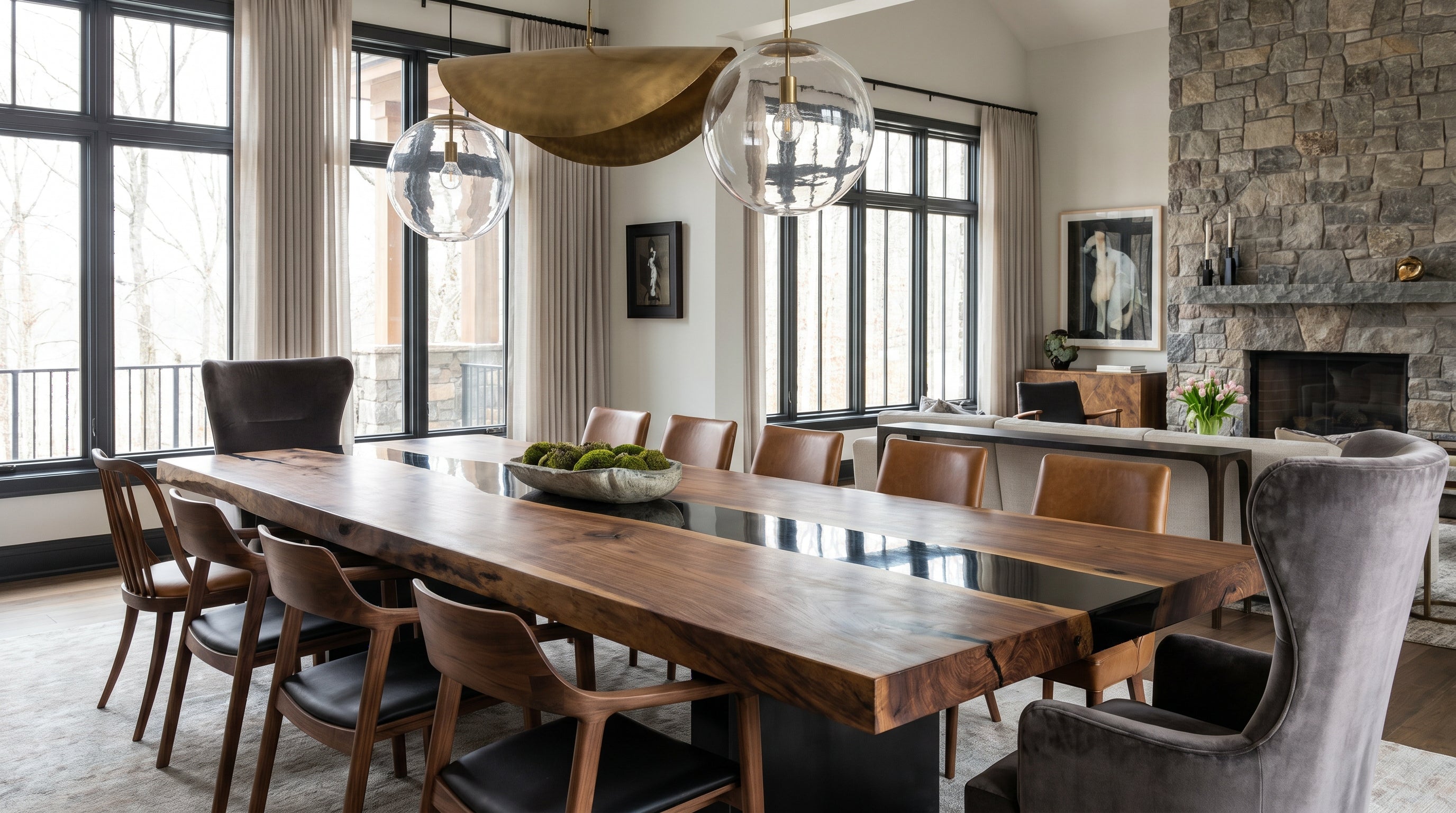
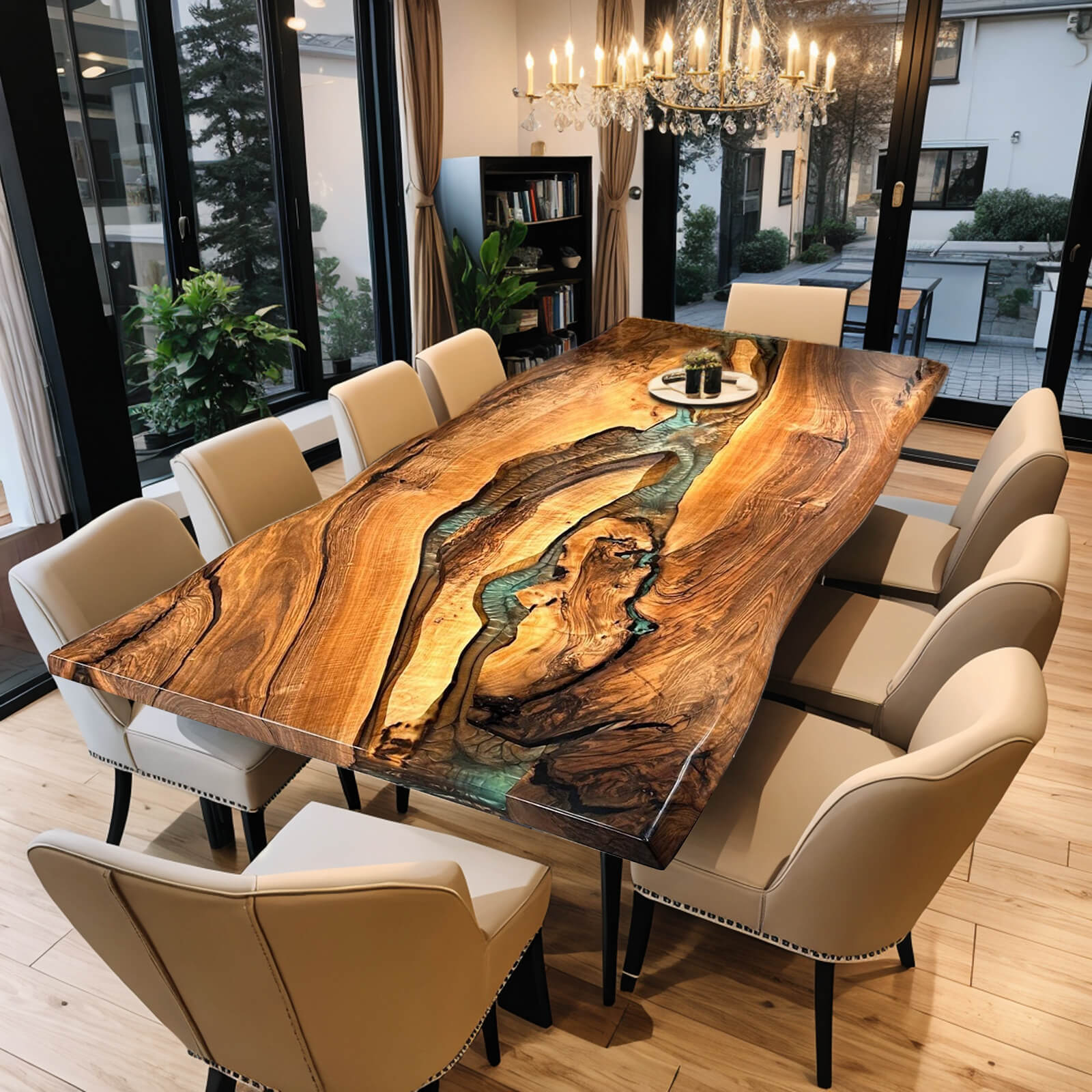
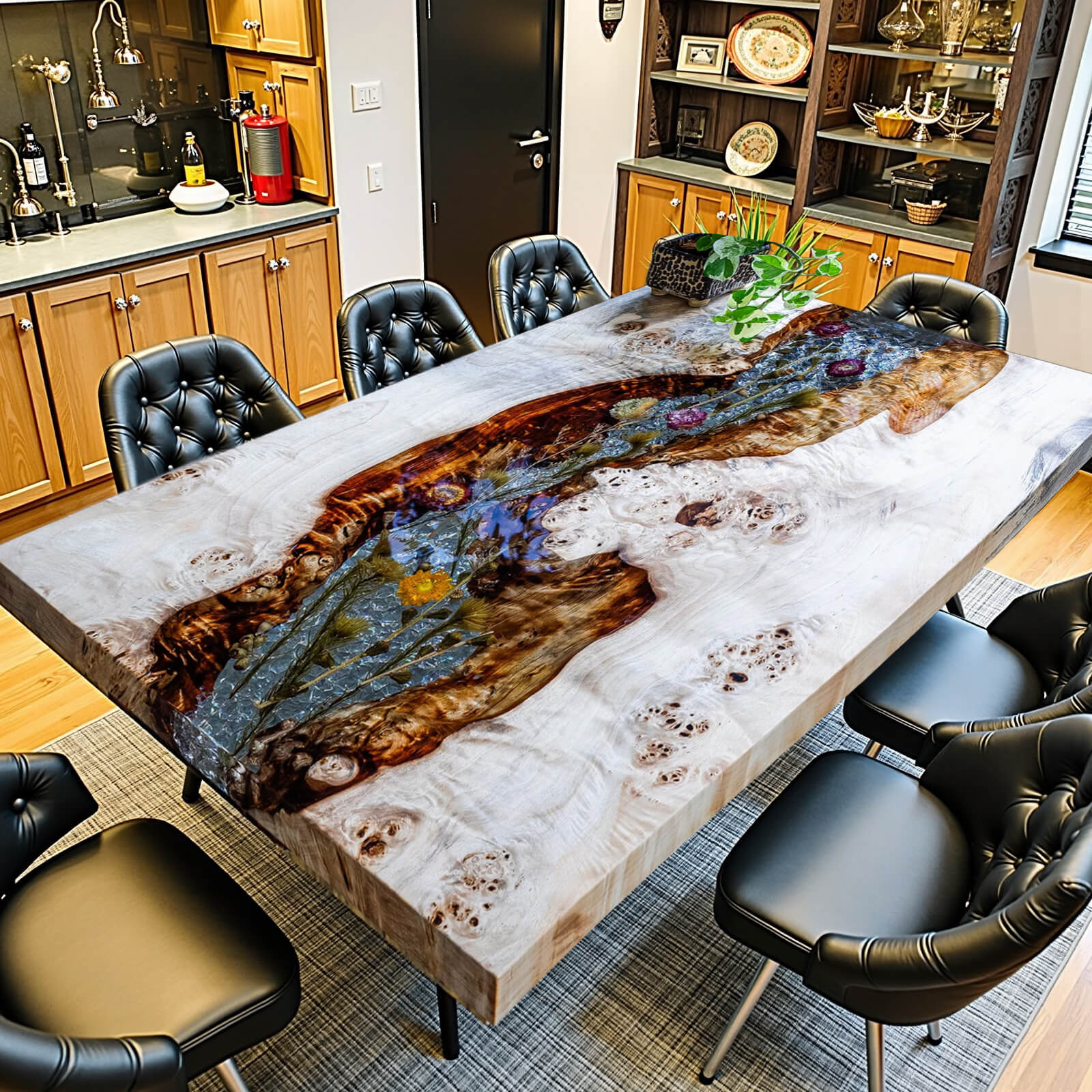
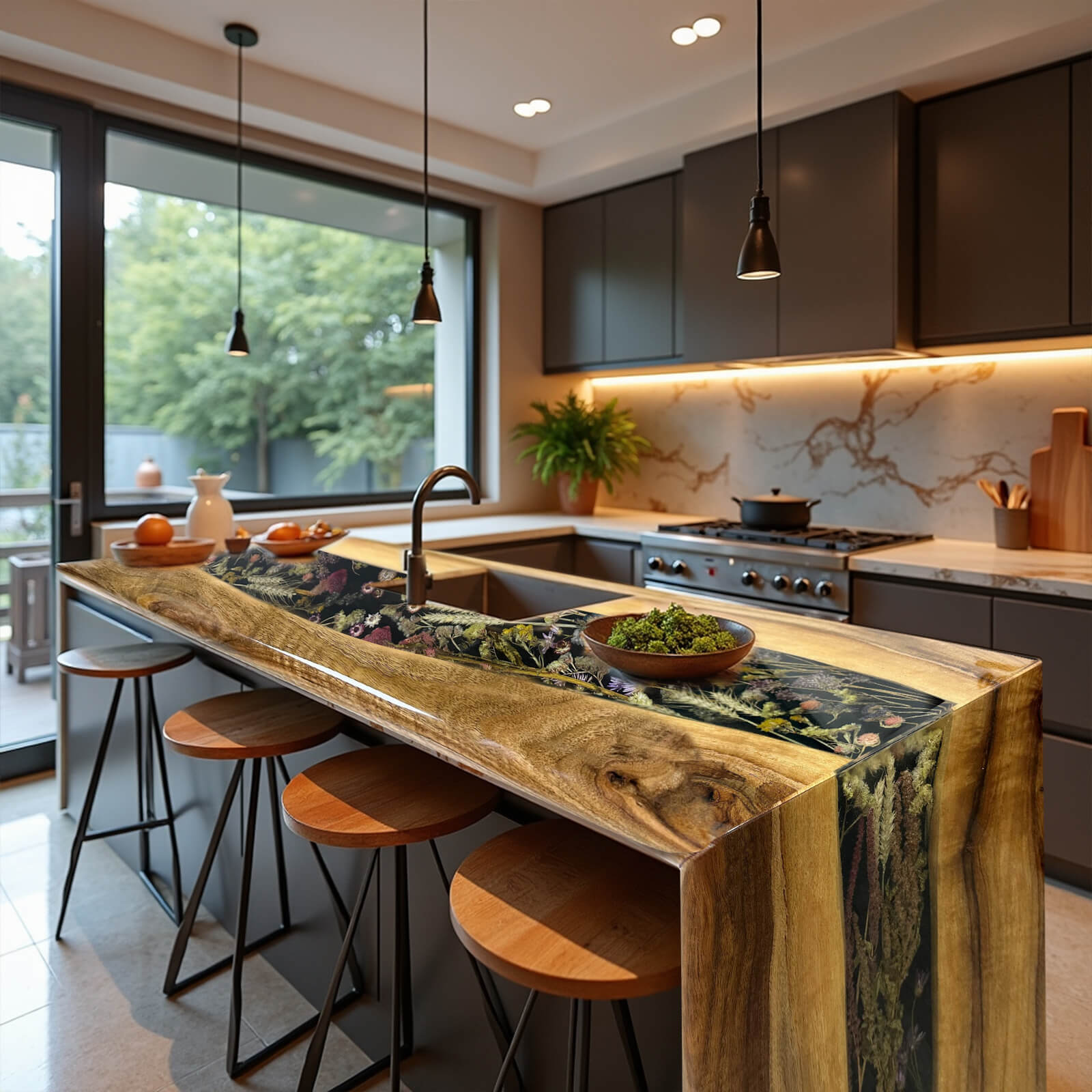
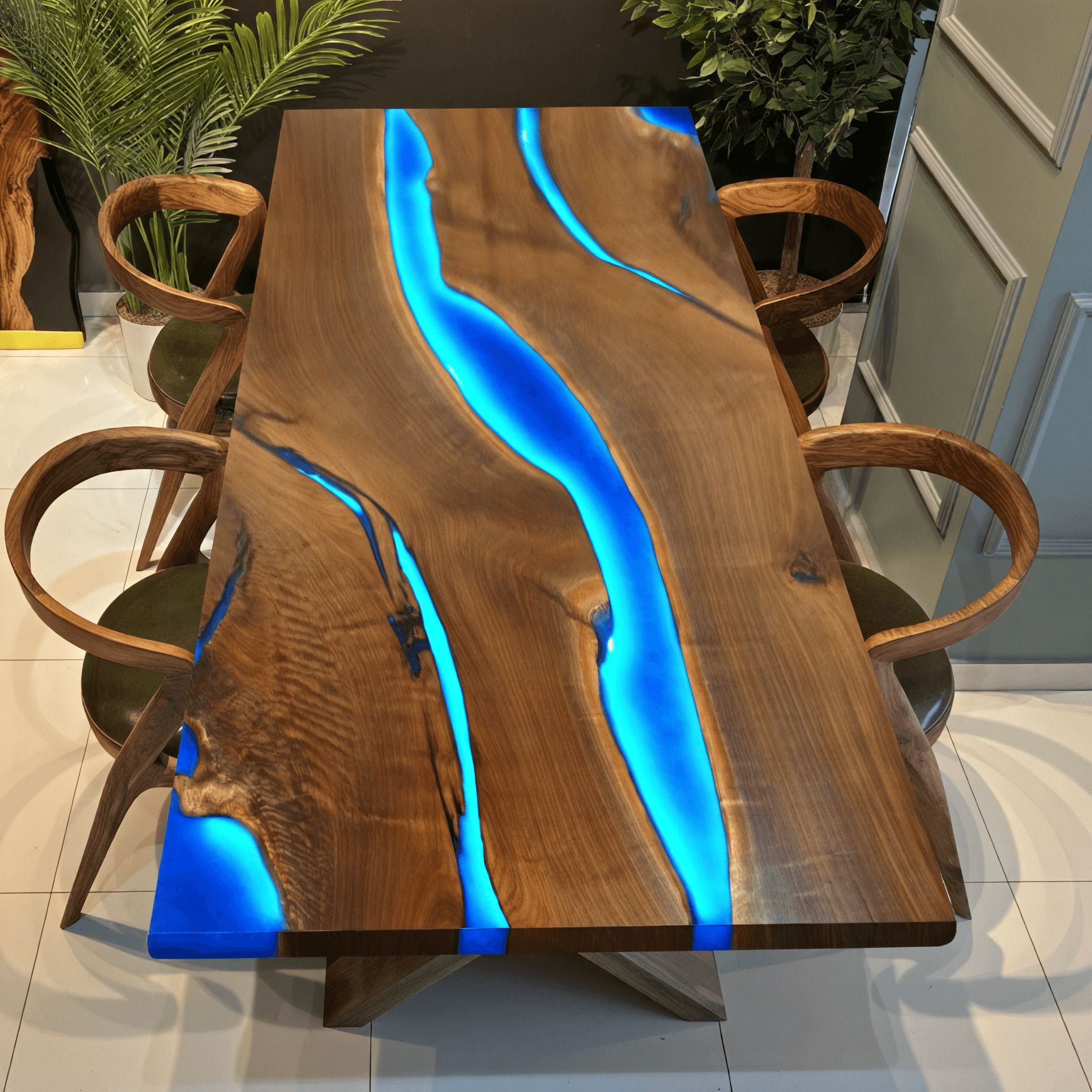
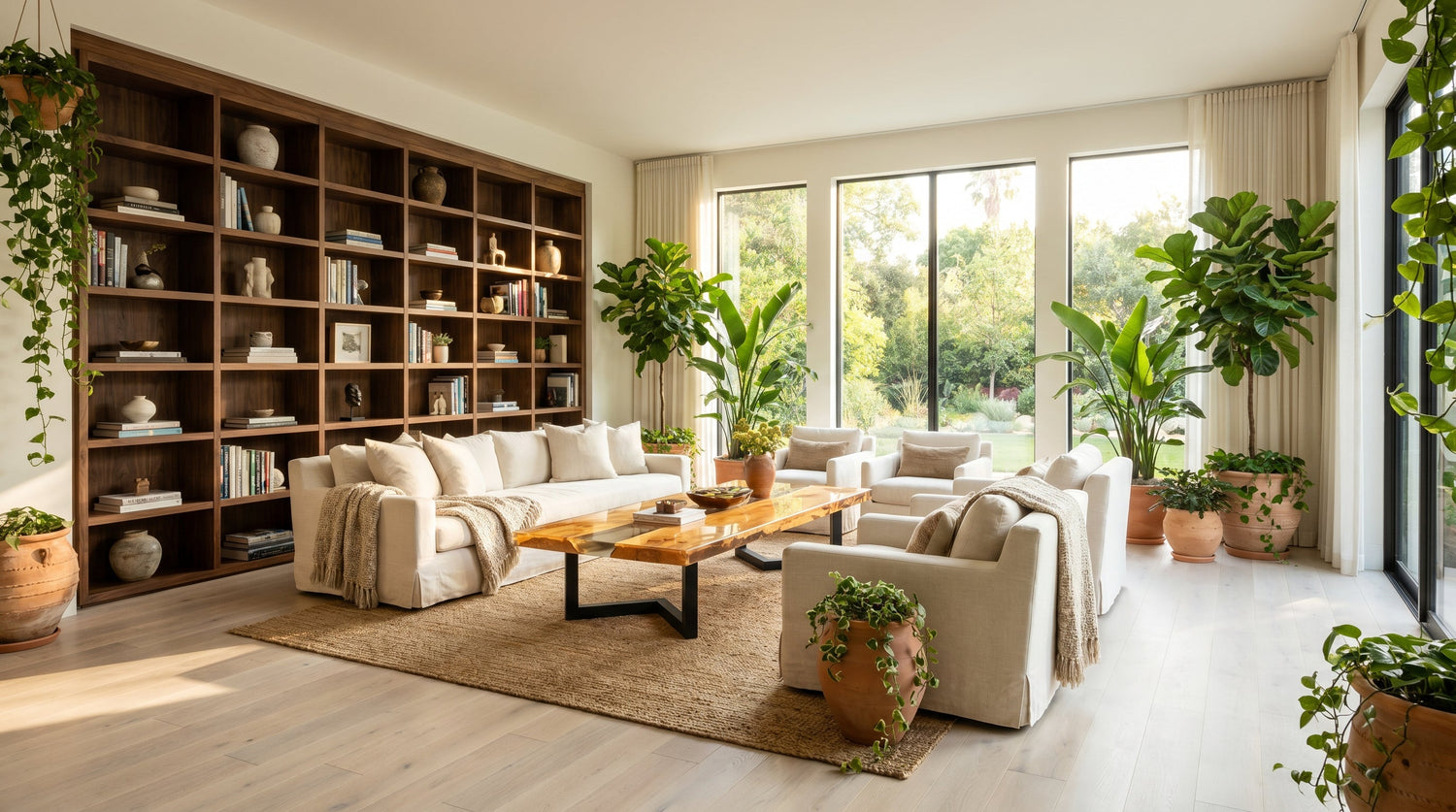
Matching wood sets flatten a room's visual depth, making it feel monotonous. Mixing wood tones, on the other hand, introduces natural rhythm, visual tension, and a sense of bespoke craftsmanship. A room that features white oak flooring, walnut built-in cabinetry, and a custom pine table feels organically balanced and profoundly cohesive. When you match everything, you lose the opportunity to tell a story through your furniture.
Understanding Wood Temperatures: Warm vs. Cool Before you begin mixing, you must understand the undertones of your materials. Wood undertones fall into two broad categories: warm and cool.
Warm wood tones carry hints of red, orange, amber, or yellow. Common examples include cherry, pine, teak, and honey-stained oak. These wood colors feel cozy and traditional, pairing naturally with warm paint colors like cream or terracotta. Cool wood tones lean toward gray, taupe, or ashy brown, such as natural white oak or driftwood finishes. The pairing rule most interior designers follow is simple: warm undertones go with warm undertones, and cool undertones go with cool undertones. Crossing the warm-cool line is harder to pull off and usually requires a neutral bridge like metal or concrete.

How to Master Wood Mixing Using the 60-30-10 Rule While mixing wood tones is highly encouraged, doing it randomly can make a space feel chaotic. The secret weapon used by top interior designers in 2026 is the 60-30-10 rule. This mathematical approach ensures perfect harmony in any space.
1. Define Your 60% (The Dominant Anchor Wood) Your dominant wood tone should make up roughly 60% of the wooden surfaces in your room. In most living rooms, this is dictated by your hardwood flooring or your largest architectural feature, such as exposed ceiling beams. If you have cool, pale ash floors, that is your 60% baseline. This dominant tone anchors the space and acts as the canvas for your other pieces.
2. Choose Your 30% (The High-Contrast Secondary Wood) The biggest mistake people make is trying to find a secondary wood that almost matches the dominant wood. A near-match looks like a mistake. Instead, your 30% should be a deliberate, high-contrast choice. If your 60% anchor is a light, cool oak, your 30% should be a deep, dark tone—like a rich mahogany console table or a dark walnut credenza. This secondary wood creates an intentional visual break.
3. Apply Your 10% (The Accent and Bridging Material) The final 10% is where you inject personality and tie the clashing elements together. This is the perfect place to introduce a third wood or, more effectively, an accent bridging material like metal.

The CreateATable Solution: Bridging the Gap When you mix wildly different woods—like a vintage cherry wood door acting as a desk on top of a pale birch floor—you need a transition material to prevent visual jarring. CreateATable’s modular metal table legs act as the ultimate palate cleanser.
By using our powder-coated steel clamp-on legs in matte black or brushed brass, you create a distinct, modern boundary between the tabletop and the floor. This hardware not only grounds the furniture piece but also perfectly executes the 10% accent rule, seamlessly marrying the vintage warmth of the wood with the sleek demands of modern design. This approach doesn't just build a table; it creates a conversational centerpiece that perfectly encapsulates the 2026 design zeitgeist.