
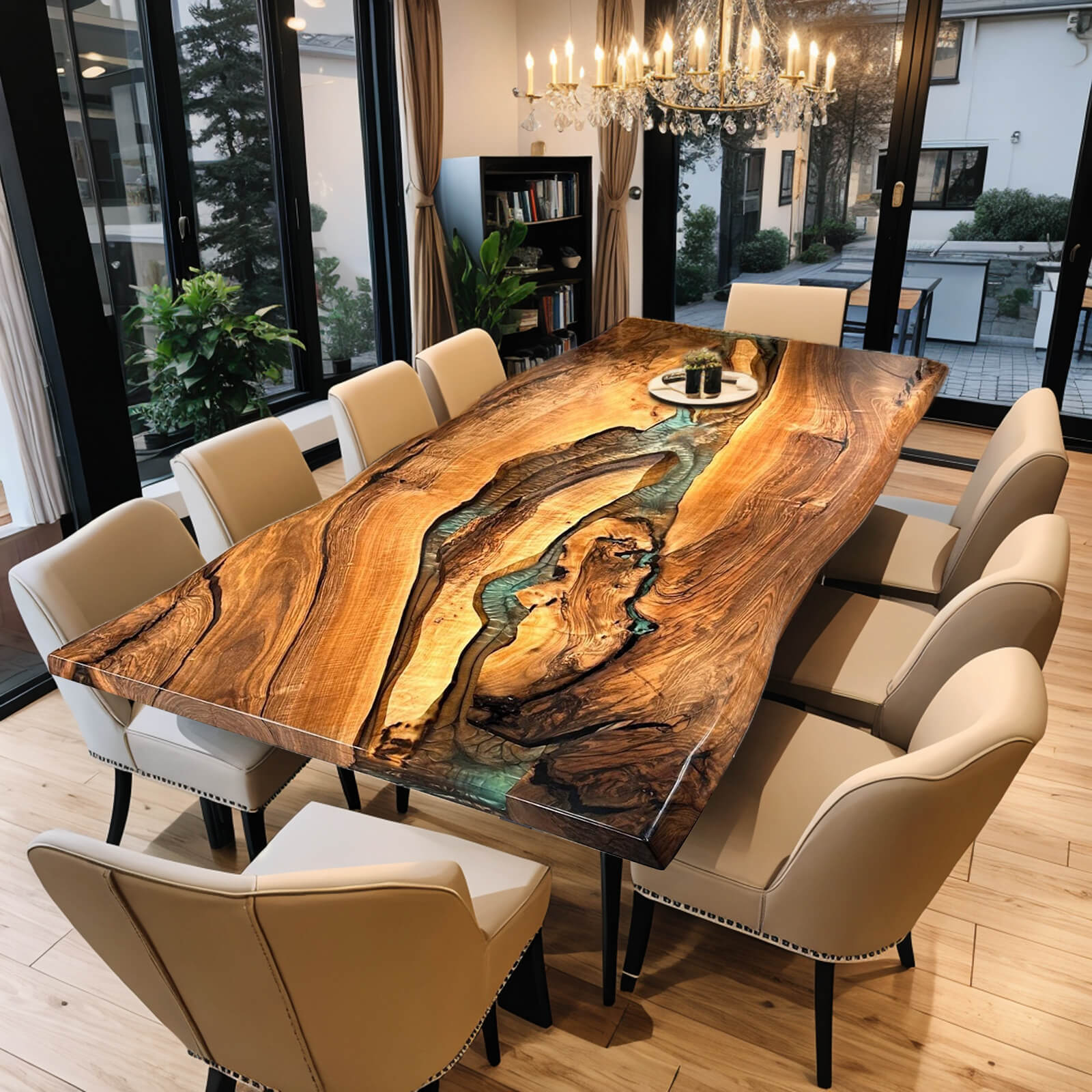


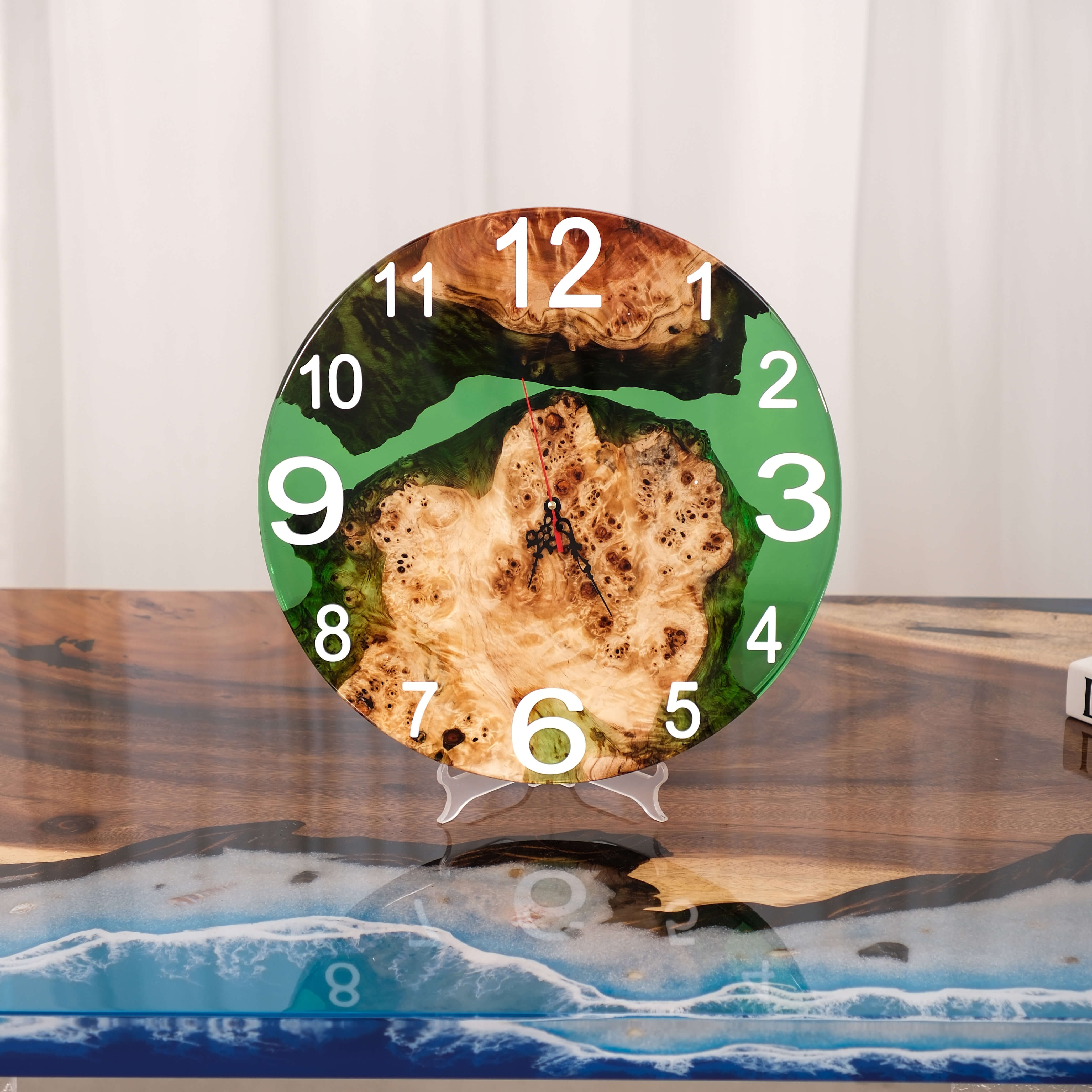

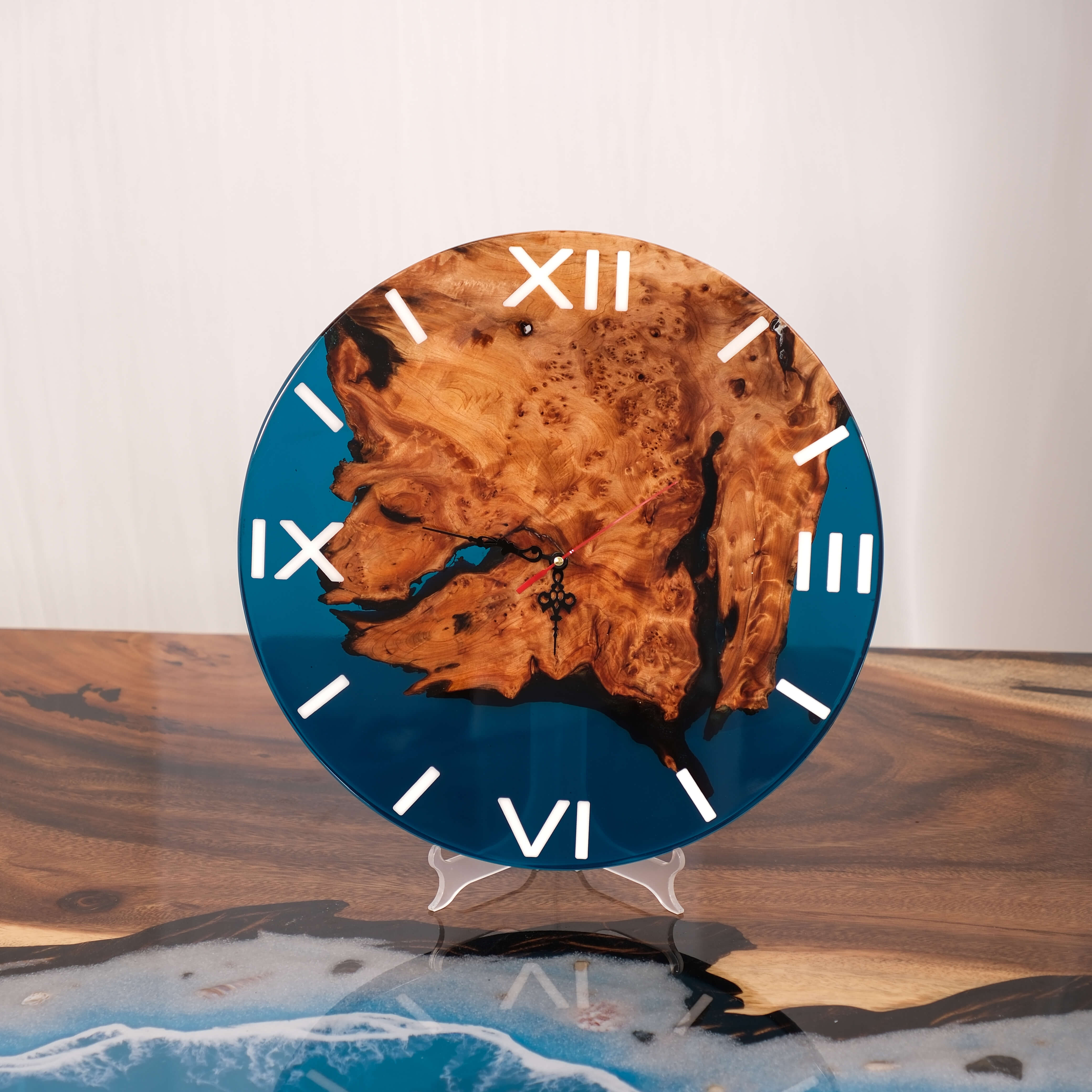
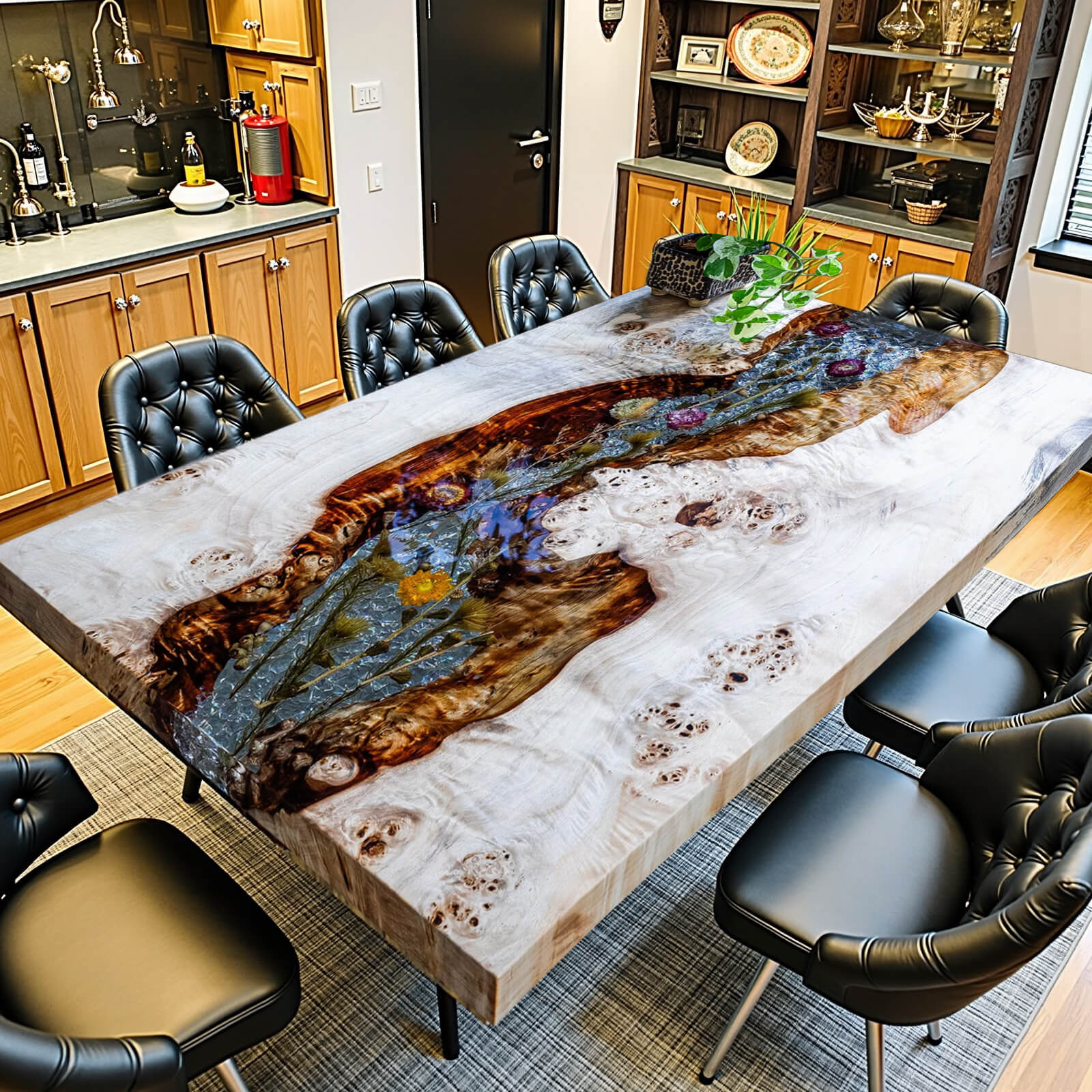

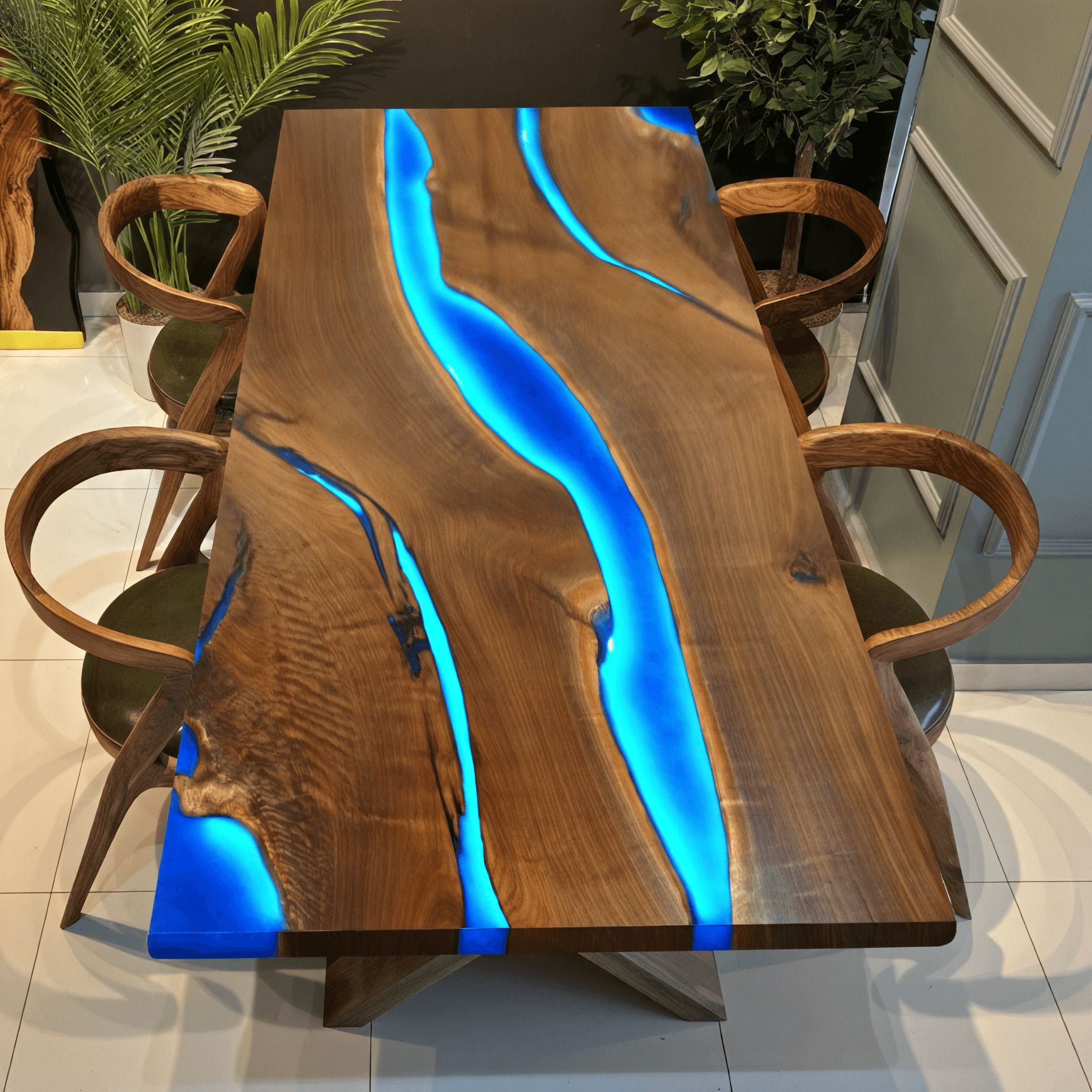
















Your epoxy table is more than just furniture—it's a functional work of art that commands attention and admiration. With its glossy, glass-like finish and captivating visual depth, it serves as the centerpiece of your living space. However, that stunning surface can be vulnerable to scratches and scuffs that compromise its beauty. The good news? With proper care and preventative measures, you can keep your epoxy table looking flawless for years to come.
Whether you've invested in a beautiful river table or a custom epoxy creation, understanding how to protect your investment is crucial. This comprehensive guide will walk you through professional strategies to prevent scratches and maintain that mirror-perfect finish that makes epoxy tables so desirable.
Why Epoxy Tables Need Special Protection
Before diving into prevention methods, it's helpful to understand what makes epoxy surfaces both beautiful and vulnerable.
The Nature of Epoxy Resin
Epoxy resin creates an incredibly hard, durable surface when properly cured—often compared to the hardness of premium countertop materials. However, this hardness comes with particular vulnerabilities:
l Surface Hardness: High-quality epoxy typically rates between 70-90D on the Shore hardness scale, making it resistant to many types of impact but susceptible to sharp objects .
l Gloss Finish Shows Everything: The high-gloss surface that gives epoxy its stunning visual depth also makes even minor scratches highly visible by disrupting light reflection.
l Not All Epoxy is Equal: The quality of resin, proper mixing ratios, and professional curing processes all affect the final hardness and scratch resistance of your table.
Daily Protection Strategies
1. Use Coasters and Placemats Religiously
This might seem obvious, but it's the most overlooked protection strategy:
l Always use coasters under glasses, cups, and beverage containers—even if they're not leaving condensation. Small particles embedded in container bottoms can create micro-scratches.
l Implement placemats for daily dining, especially with ceramic or porcelain dishes that often have rough, unglazed bottoms that act like sandpaper on your epoxy surface.
l Choose the right materials: Felt-bottomed or rubber-backed coasters and placemats provide the best protection. Avoid rough natural materials like burlap or coarse linen directly on the surface.
2. The Right Tablecloth Strategy
While you might want to show off your beautiful table, sometimes protection takes priority:
l Use a tablecloth during messy activities like crafts, homework sessions, or large family meals.
l Always use a protective barrier between your epoxy surface and tablecloth. A thin felt or vinyl pad prevents the cloth from shifting and causing abrasion.
l Shake out tablecloths before placing them to remove any debris that could become trapped and scratch the surface.
3. Implement a "No Hard Objects" Rule
Establish household habits that protect your table:
l No keys, tools, or hard objects placed directly on the surface.
l Keep pet claws trimmed if animals are allowed on or near the table.
l Be mindful of belts, jewelry, and clothing accessories that might come into contact with the surface during use.

Cleaning Techniques That Prevent Damage
Improper cleaning causes more epoxy table scratches than almost any other factor. Here's how to clean safely:
The Golden Rules of Epoxy Cleaning
Always Dust First: Use a soft, microfiber cloth to remove loose dust and debris before any wet cleaning. Wiping grit across the surface guarantees scratches.
Use the Right Cleaners:
1. Mild soap and warm water are almost always sufficient for routine cleaning.
2. Avoid abrasive cleaners, ammonia-based products, or anything containing vinegar, which can dull the finish over time.
3. Never use scrubbing pads, even the "non-scratch" varieties, which can still create fine scratches.
4. Proper Wiping Technique:
l Use a soft, lint-free microfiber cloth
l Spray cleaner onto the cloth, not directly onto the table
l Wipe in straight lines rather than circles to make any potential micro-scratches less visible
l Dry immediately with a separate soft cloth to prevent water spots
What About Disinfectants?
In today's world, disinfecting surfaces is important, but many disinfectants can damage epoxy:
l Avoid alcohol-based sanitizers which can break down the epoxy surface over time
l Skip bleach solutions which can yellow and weaken the resin
l Instead, use hydrogen peroxide-based cleaners sparingly, and always rinse with clean water afterward
Proactive Protection Solutions
1. Protective Pads and Mats
For areas with heavy use, consider these solutions:
l Clear vinyl desk mats can protect high-use areas while maintaining the visual appeal of your table
l Custom-cut glass tops provide ultimate protection while allowing your epoxy to show through (though this changes the tactile experience)
l Felt pads under decorative items, vases, and centerpieces
2. Strategic Table Use Zones
Designate specific areas for specific activities:
l Create a "safe zone" in the center for decorative items that rarely move
l Establish placemat placement guidelines for regular dining positions
l Keep high-risk activities (like writing with sharp objects) to protected areas
3. Environmental Protection
l Monitor sunlight exposure: While most epoxy is UV-resistant, prolonged direct sunlight can slightly soften the surface, making it more vulnerable to scratches. Use window treatments during peak sun hours.
l Maintain stable temperature: Extreme heat can temporarily soften epoxy. Use trivets or hot pads for anything warmer than room temperature.
Emergency Scratch Prevention
Sometimes accidents happen—here's how to minimize damage:
The 30-Second Rule
If something abrasive spills on your table:
l Don't wipe—this grinds particles into the surface
l Use a soft brush or dry cloth to gently sweep debris into a dustpan
l Blow remaining particles away using a camera lens blower or canned air
l Then proceed with careful cleaning
Dealing with Dragged Objects
If something gets dragged across your table:
1. Stop immediately—don't complete the dragging motion
2. Assess the damage before cleaning to know what you're dealing with
3. Clean the object that caused the drag before moving it further
Repairing Minor Scratches
Despite your best efforts, minor scratches might occur. Here's how to address them:
DIY Solutions for Light Scratches
l Automotive polishing compounds designed for clear coats can often buff out fine scratches
l Non-gel toothpaste (the old-fashioned white kind) can work on very fine scratches as a mild abrasive
l Always test any product in an inconspicuous area first
l Use a soft, circular motion with a microfiber cloth, then wipe clean
When to Call a Professional
l Deep scratches that catch your fingernail
l Cloudy appearance after DIY repair attempts
l Large scratched areas that need professional resurfacing

Long-Term Maintenance Schedule
Consistent care prevents cumulative damage:
|
Time Frame |
Maintenance Task |
|
Daily |
Dust with microfiber cloth, use coasters and placemats |
|
Weekly |
Gentle cleaning with soap and water, inspect for new scratches |
|
Monthly |
Check protective pads and replace if worn, deep clean |
|
Yearly |
Professional inspection, consider light polishing if needed |
The Bottom Line: An Ounce of Prevention
Protecting your epoxy table from scratches isn't about being overly cautious—it's about preserving your investment and maintaining the stunning beauty that drew you to epoxy in the first place. By implementing these professional tips:
✅ You'll maintain that like-new shine for years longer
✅ You'll avoid costly professional repairs or resurfacing
✅ You'll enjoy your table without constant worry about damage
✅ You'll preserve the artistic integrity of your functional artwork
Remember: The few minutes spent on proper care each day are insignificant compared to the years of enjoyment you'll get from your pristine epoxy table. Treat it with the care it deserves, and it will remain a breathtaking centerpiece in your home for decades to come.