







Quick Answer
Ordering a custom epoxy table is very different from buying mass-produced furniture. The biggest mistakes buyers make include choosing the wrong size, ignoring wood characteristics, focusing only on color, overlooking finish options, and not discussing daily usage with the maker. Understanding these details before production begins helps ensure your handcrafted furniture perfectly matches your space, lifestyle, and expectations.
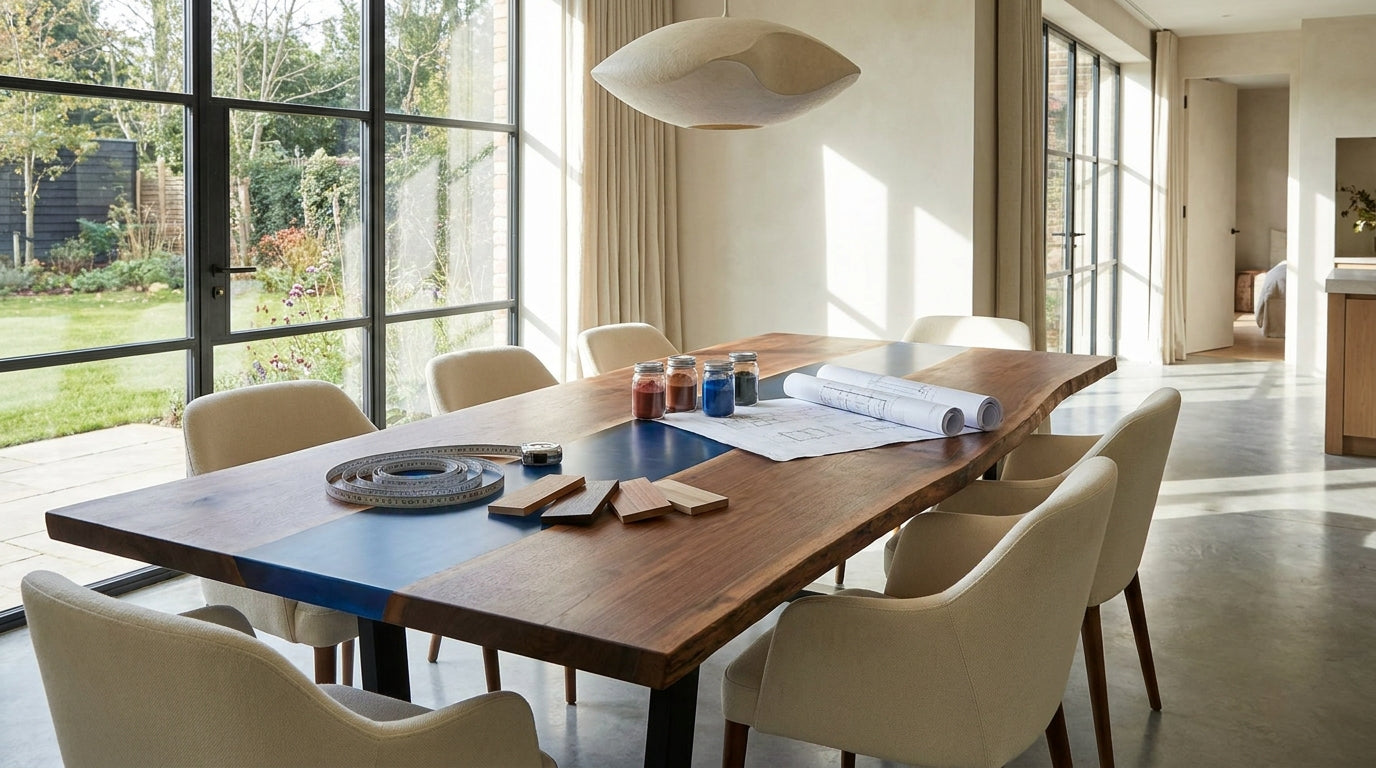
Custom furniture is one of the few purchases you'll probably keep for decades. Unlike flat-pack furniture, every epoxy table is handcrafted, meaning every decision—from the wood slab to the resin color—affects the final result.
Surprisingly, many buyers focus almost entirely on appearance while overlooking the factors that actually determine whether they'll love the table years later.
Here are the nine mistakes experienced furniture makers wish every customer knew before placing an order.
1. Choosing Size Before Measuring Your Space
Many people fall in love with beautiful inspiration photos on Pinterest or Instagram, then order a table based on appearance instead of proportion.
A dining table that looks perfect in a showroom can easily overwhelm a smaller room.
Before discussing wood species or resin colors, consider:
-
Walking space around the table
-
Chair clearance
-
Lighting fixtures
-
Doorway access
-
Existing furniture layout
Many interior designers recommend taping the table dimensions directly onto the floor before making a final decision.

2. Assuming Every Piece Will Look Exactly Like the Photos
One of the biggest misconceptions is believing handmade furniture can be duplicated perfectly.
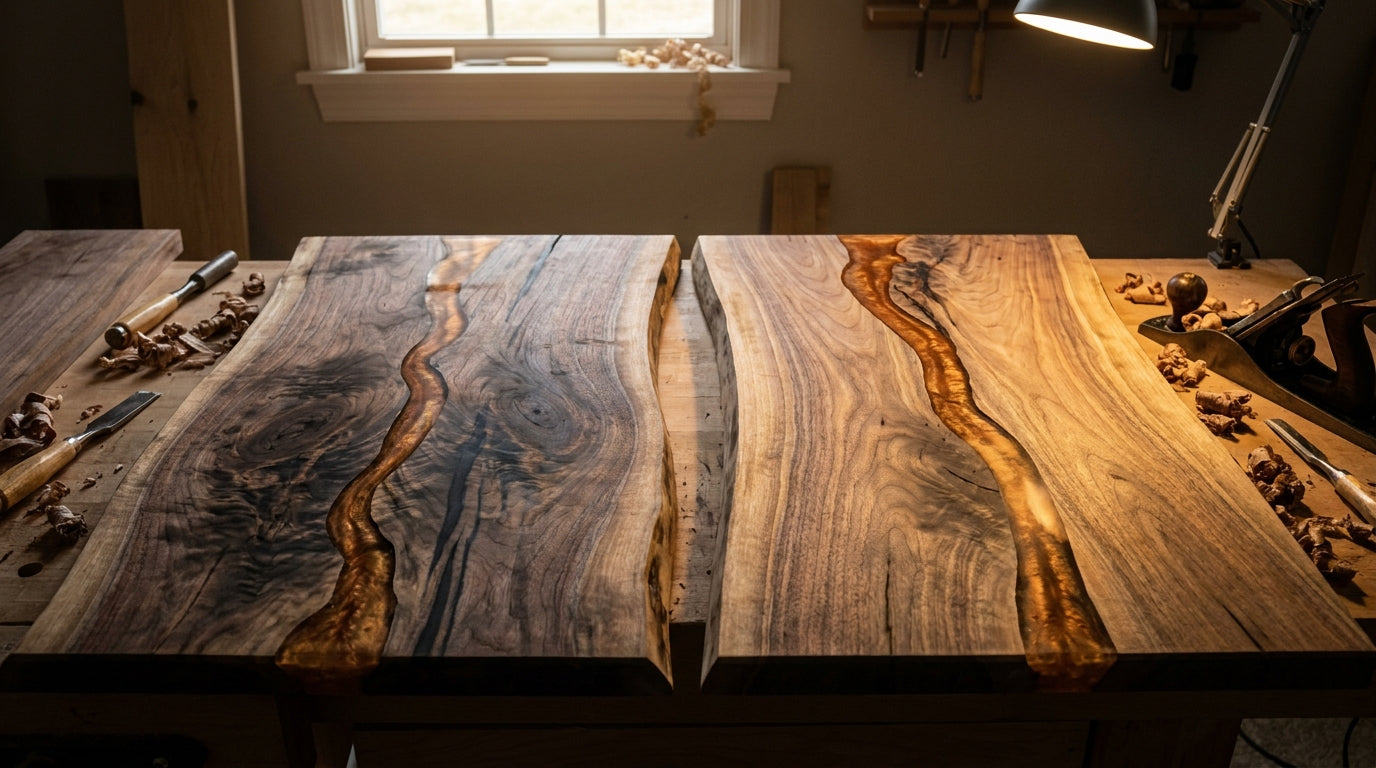
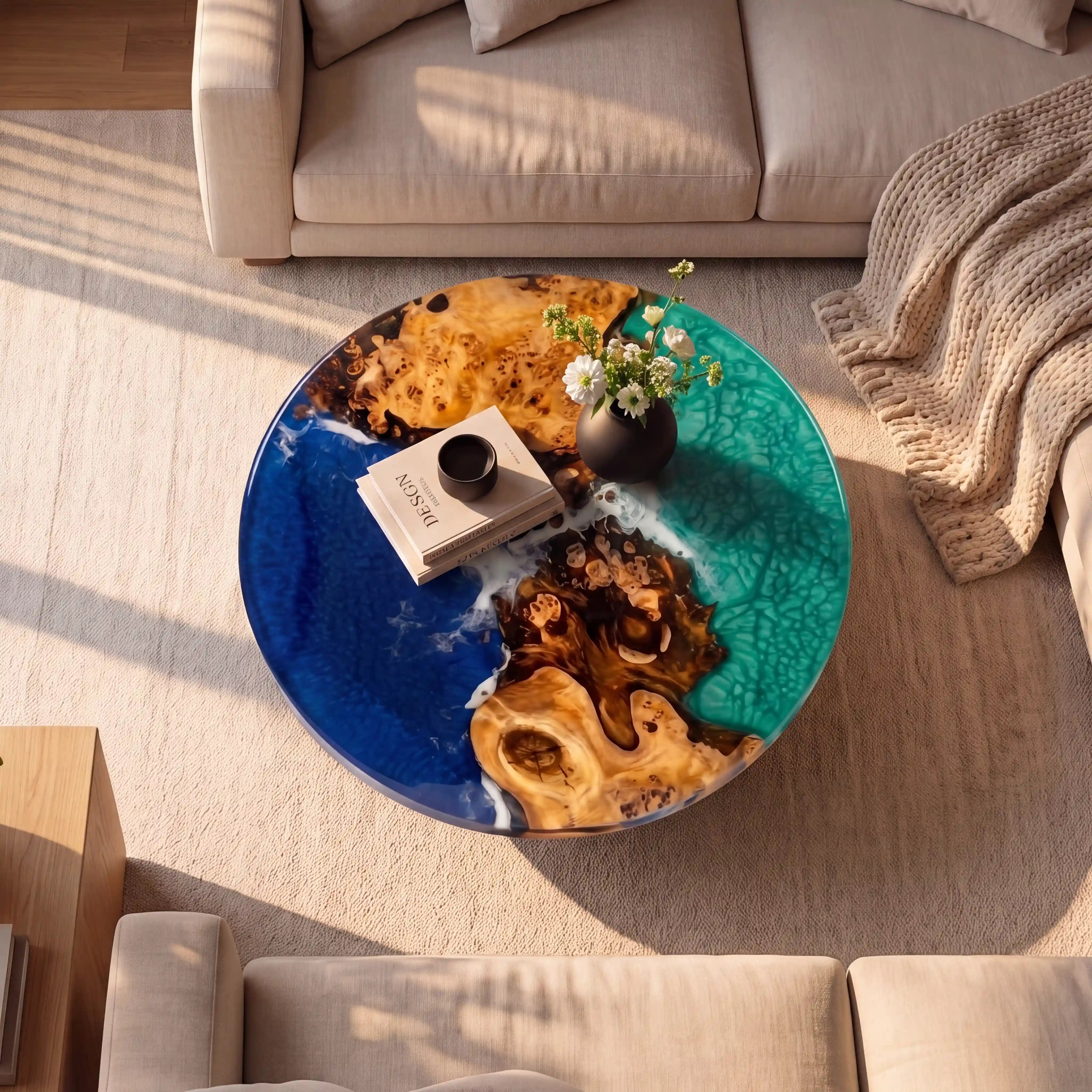
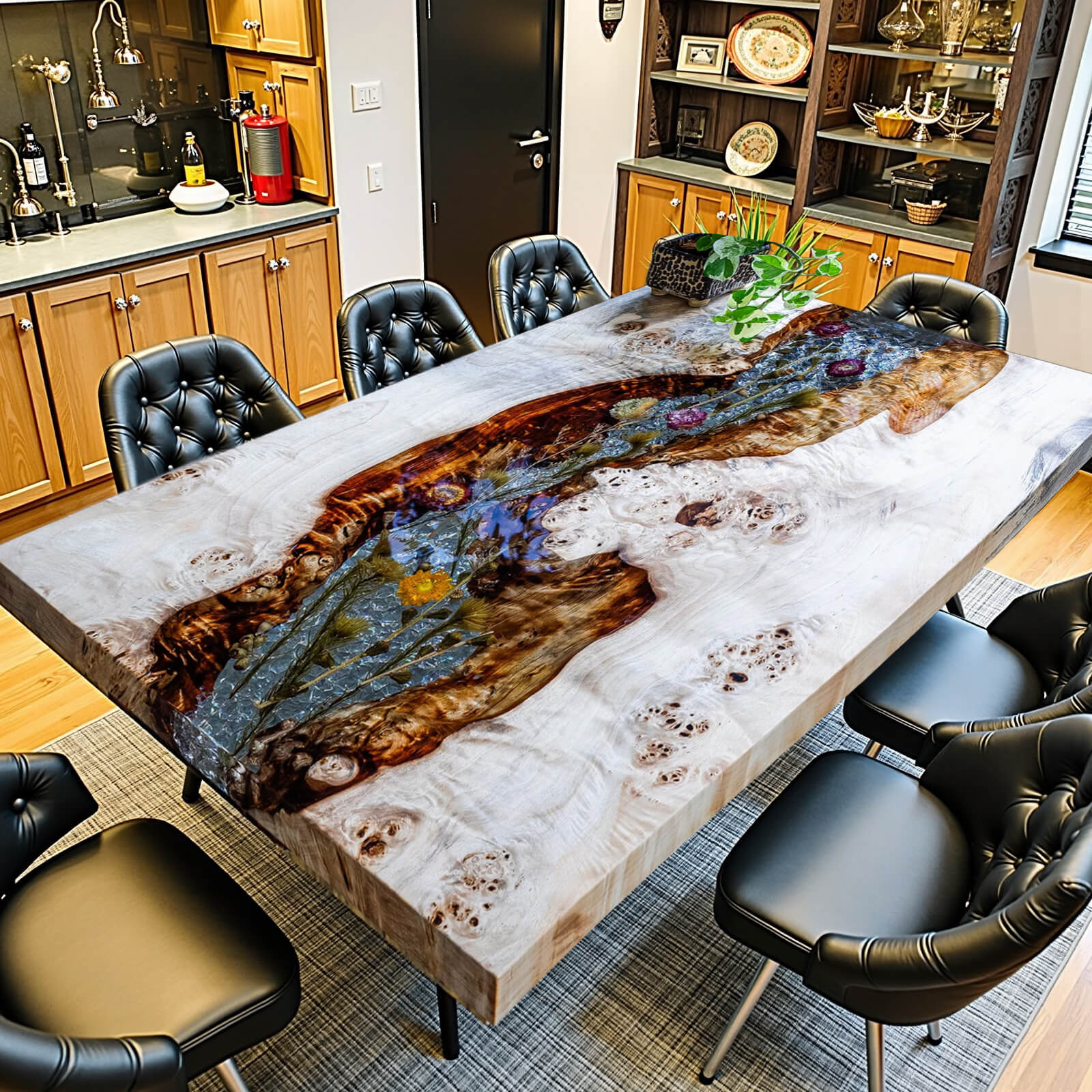
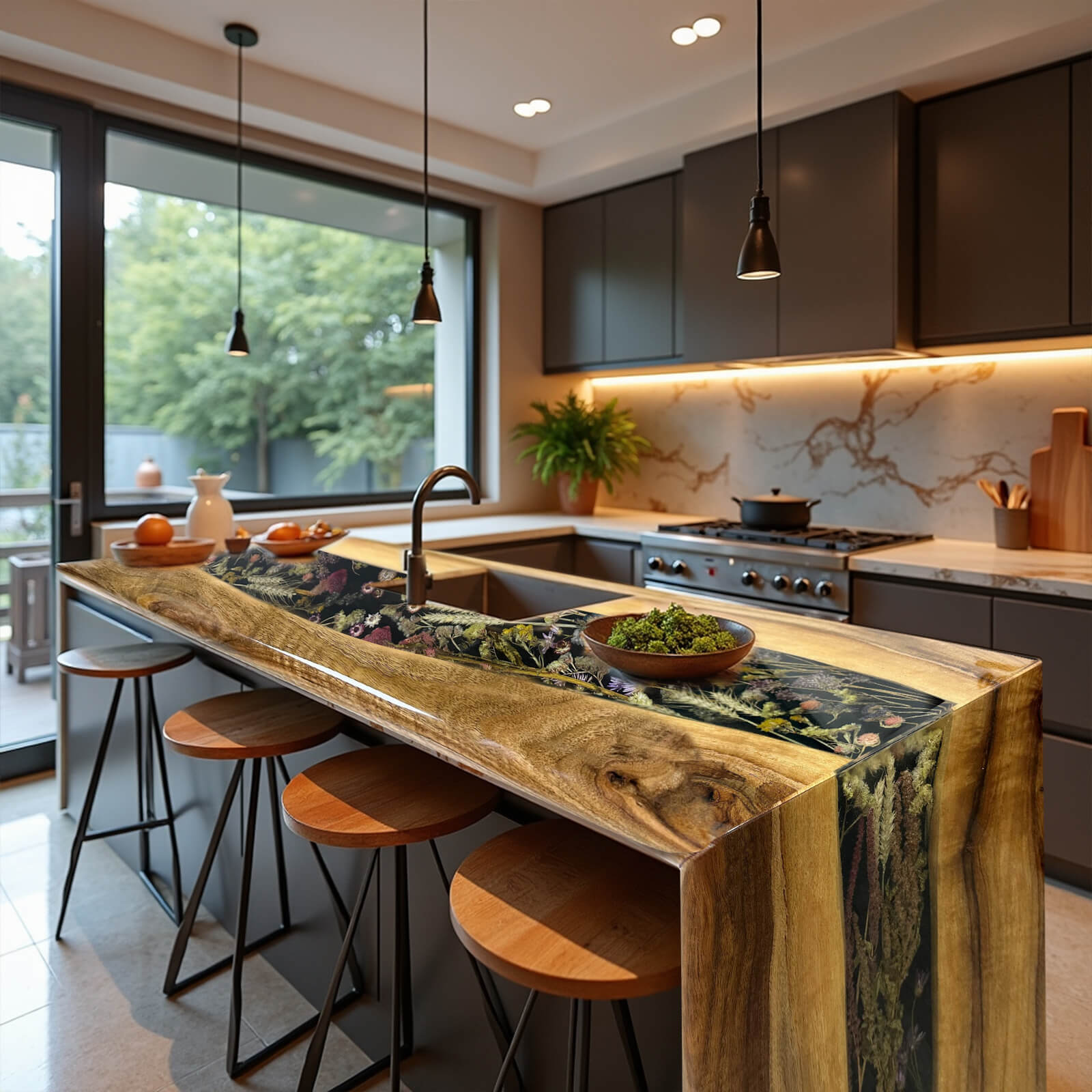
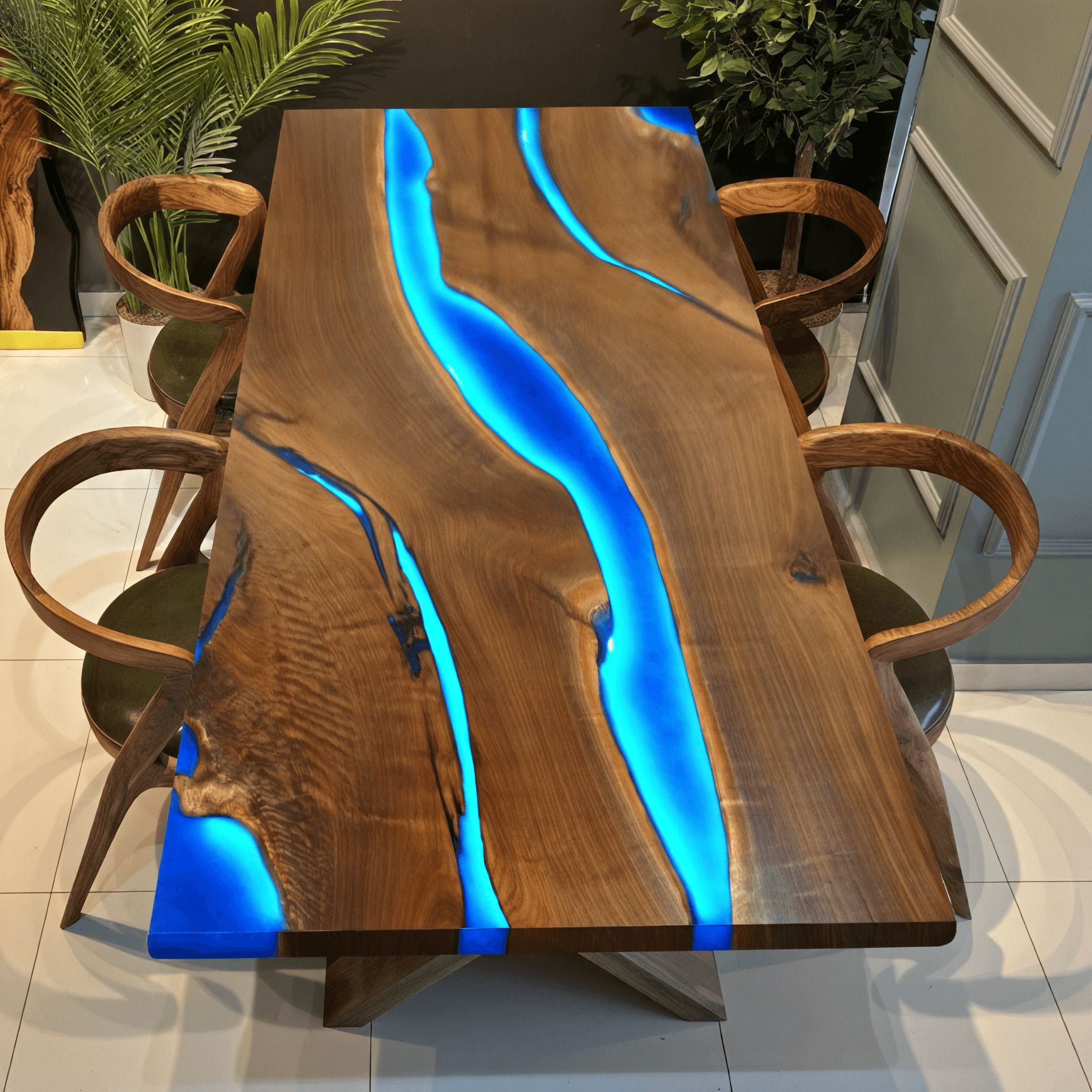
Natural wood grain, resin flow, live edges, and mineral lines make every table unique.
That's actually one of the reasons people invest in handcrafted furniture.
If a maker promises an identical copy, it's worth asking how that's possible when no two slabs are ever exactly the same.
Instead of expecting an exact replica, think of your inspiration photos as a design direction.
3. Ignoring How You Actually Use the Table
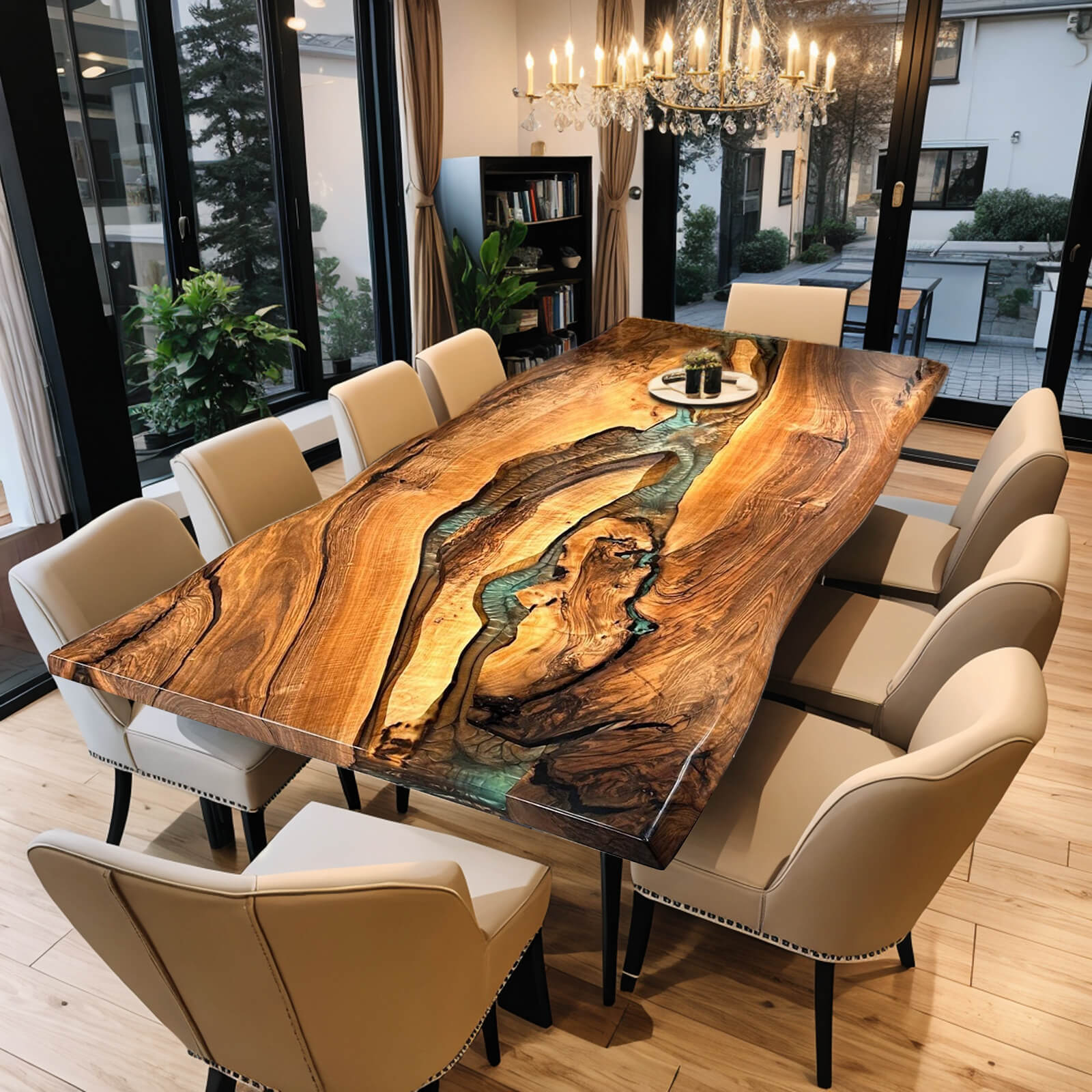
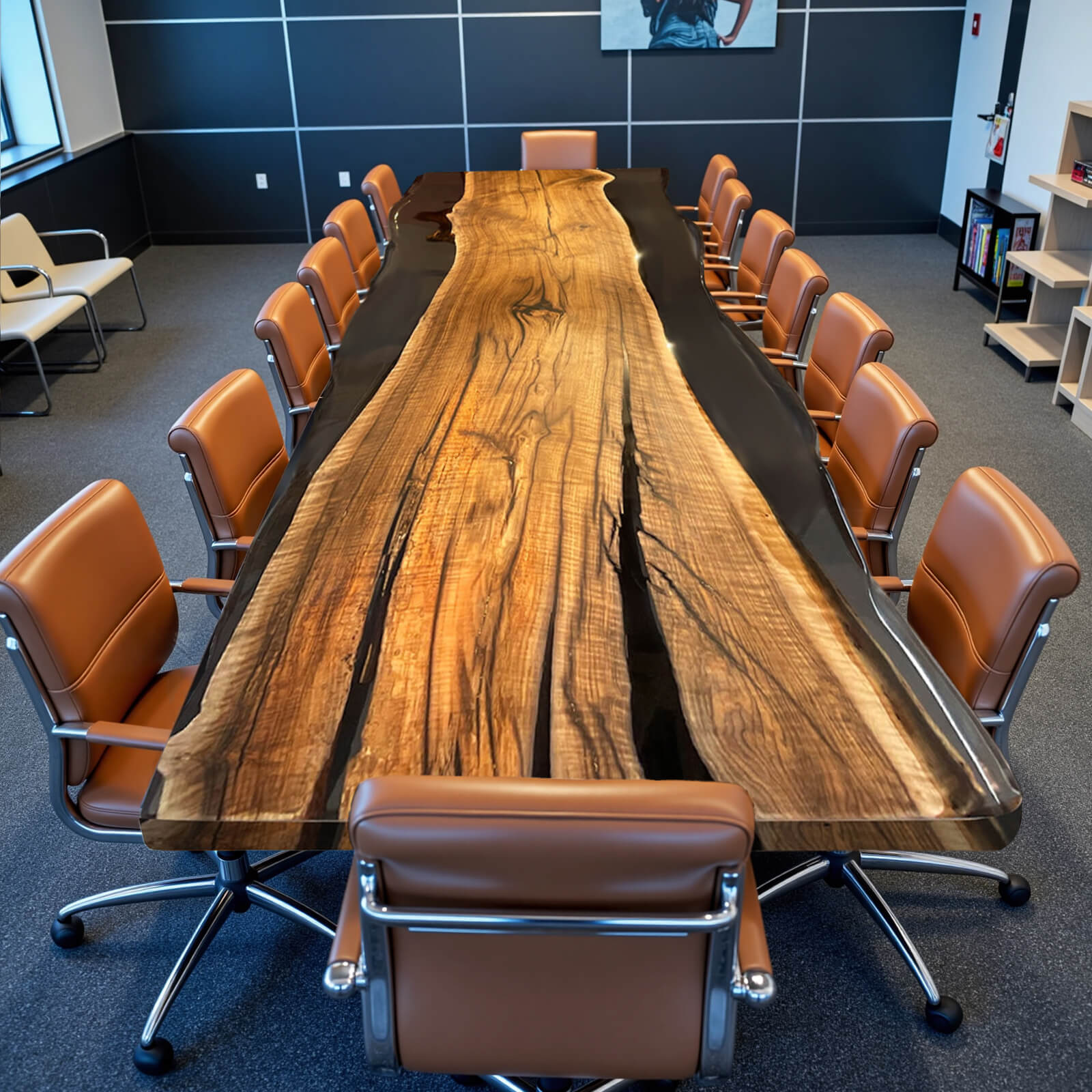
A family dining table has very different requirements than a conference table or statement coffee table.
Ask yourself:
-
Will children use it every day?
-
Will laptops be placed on it?
-
Will it host dinner parties?
-
Does it need to resist frequent cleaning?
The answers often influence recommendations for matte finish, gloss finish, edge style, and even wood selection.
4. Only Thinking About Resin Color
Color attracts attention, but it's rarely the feature owners appreciate most after living with the table.
Texture, depth, natural grain, and craftsmanship usually become far more important over time.
Current organic modern interiors increasingly favor subtle resin tones that complement the wood rather than dominate it.

5. Forgetting to Discuss the Finish
Many buyers don't realize how much the finish changes both appearance and maintenance.
For example:
-
Gloss reflects more light and emphasizes resin depth.
-
Matte creates a softer, contemporary look.
-
Mixed finishes balance natural wood with reflective resin.
Your lighting conditions and lifestyle should influence this decision—not social media photos alone.
6. Not Asking About Wood Characteristics
Every wood species behaves differently.
Black walnut offers rich character.
Maple feels brighter and cleaner.
Olive wood creates dramatic movement.
Oak delivers timeless durability.
Understanding natural cracks, knots, and grain variations prevents unrealistic expectations later.
This is especially important for anyone searching for solid wood furniture or live edge tables.
7. Forgetting Future Maintenance
High-quality epoxy tables require surprisingly little maintenance, but asking a few questions beforehand can save years of uncertainty.
Discuss:
-
Cleaning methods
-
Heat resistance
-
Scratch repair
-
Re-finishing options
-
Long-term care
Knowing these answers makes ownership much more enjoyable.

8. Choosing a Maker Based Only on Price
Custom furniture isn't simply about materials.
You're also investing in:
-
Design consultation
-
Wood selection
-
Craftsmanship
-
Finishing
-
Quality control
-
Customer communication
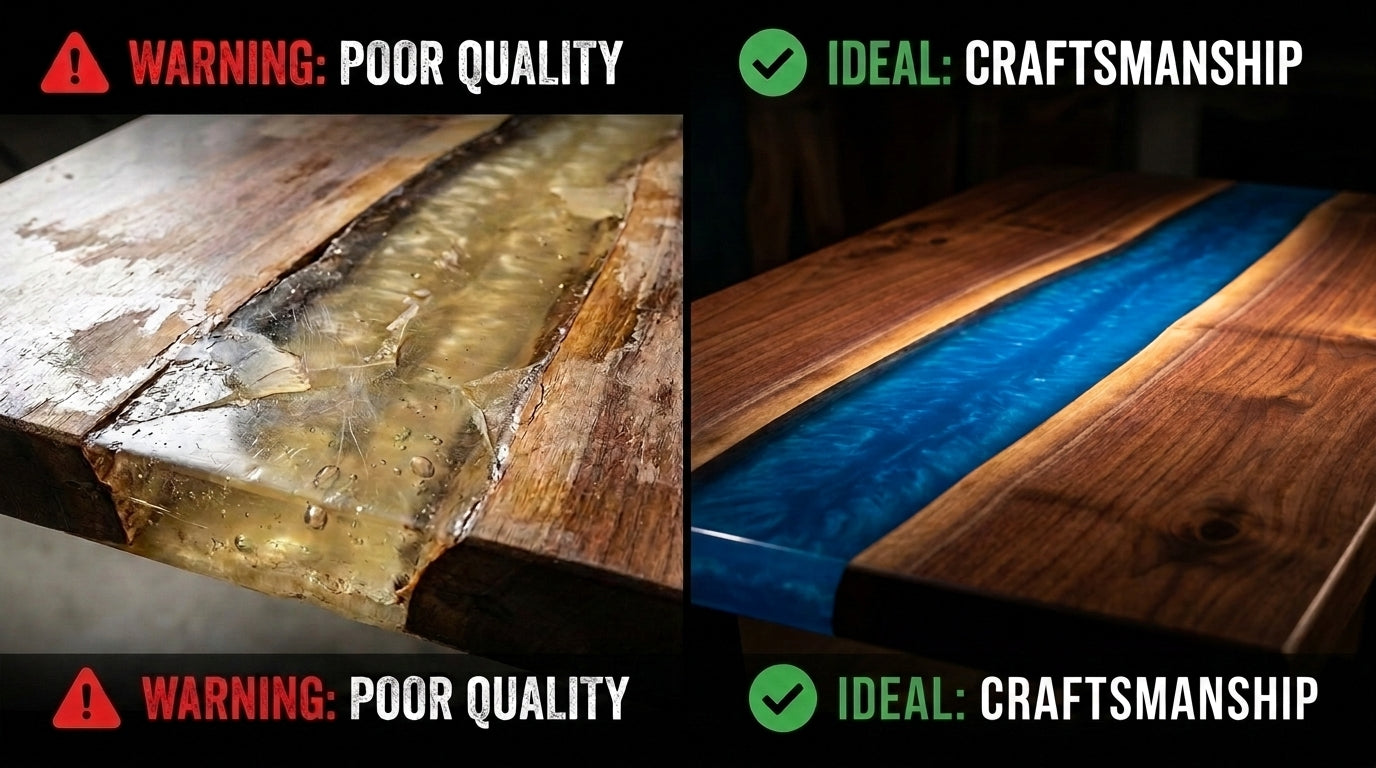
Cheaper quotes sometimes mean compromises that aren't obvious until the table arrives.
Instead of asking "Who's cheapest?", ask "Who gives me confidence?"
This approach aligns with today's growing appreciation for artisan furniture and sustainable furniture.
9. Not Requesting Progress Updates
One advantage of commissioning handcrafted furniture is seeing the journey.
Many reputable workshops provide:
-
Wood selection photos
-
Resin pouring videos
-
Sanding updates
-
Final confirmation images before shipping
These updates help eliminate uncertainty and build trust throughout production.
For buyers investing in premium furniture online, transparency often matters as much as the final product itself.
Final Thoughts
A custom epoxy table isn't just another furniture purchase—it's a collaboration between your vision and a craftsperson's expertise.
Avoiding these nine common mistakes won't guarantee perfection, because natural materials are wonderfully unpredictable. But it will greatly increase the chances that your finished table feels exactly right for your home and your lifestyle.
At Createatable, every project begins with understanding how you live—not simply what style you like. From wood selection to final finishing, we believe thoughtful conversations create furniture that's as functional as it is beautiful.
Frequently Asked Questions
Can I request a table that looks exactly like a previous project?
You can use previous work as inspiration, but every handcrafted epoxy table will naturally differ due to the unique characteristics of each wood slab and resin pour.
Is matte or glossy better?
Neither is universally better. Matte suits contemporary and organic interiors, while glossy highlights resin depth and creates a more luxurious appearance.
What's the biggest mistake first-time buyers make?
Choosing based solely on appearance instead of discussing room size, daily use, finish, and maintenance with the maker.
How long should a custom epoxy table last?
With proper craftsmanship and regular care, a high-quality epoxy table can remain beautiful for decades, making it a lasting centerpiece for your home.