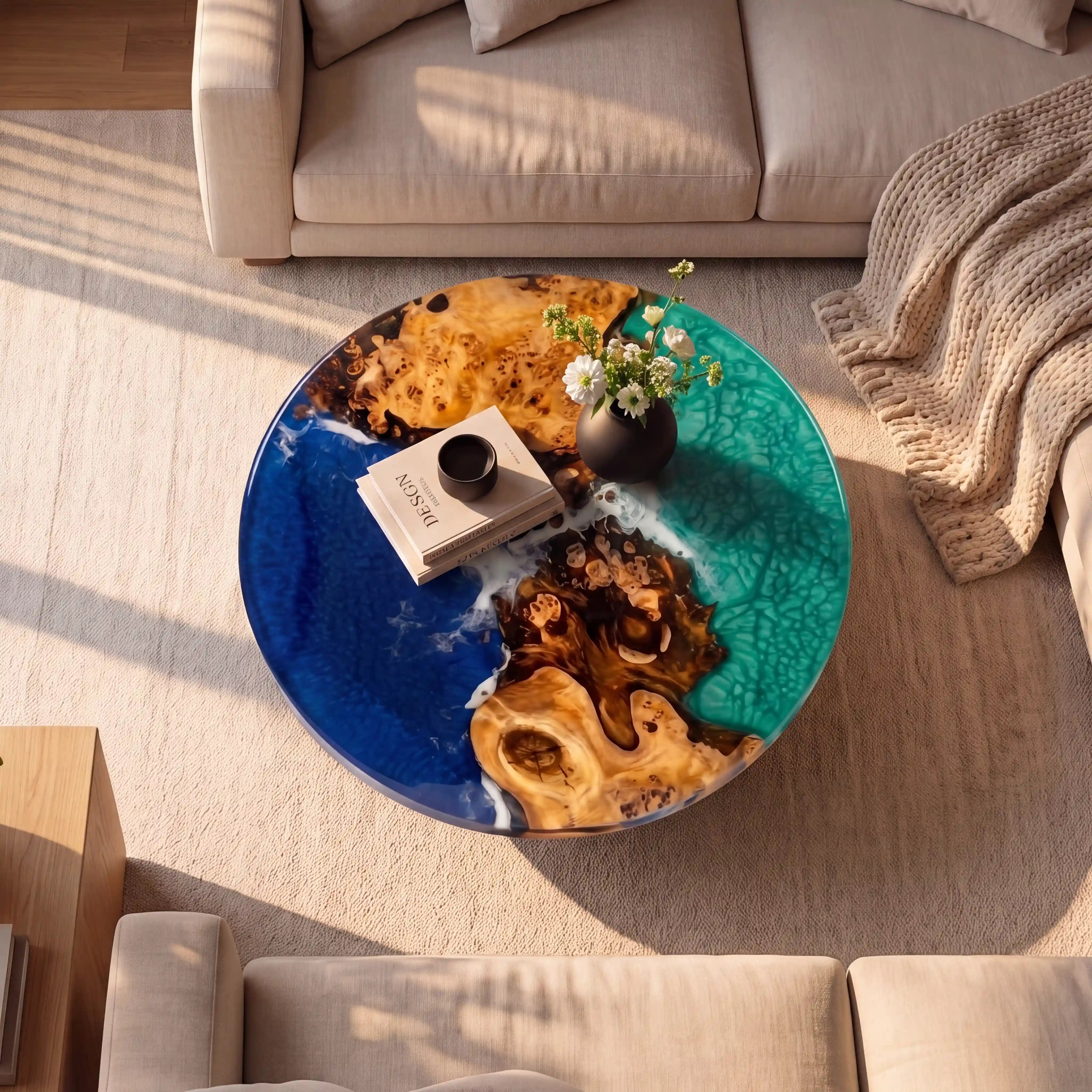
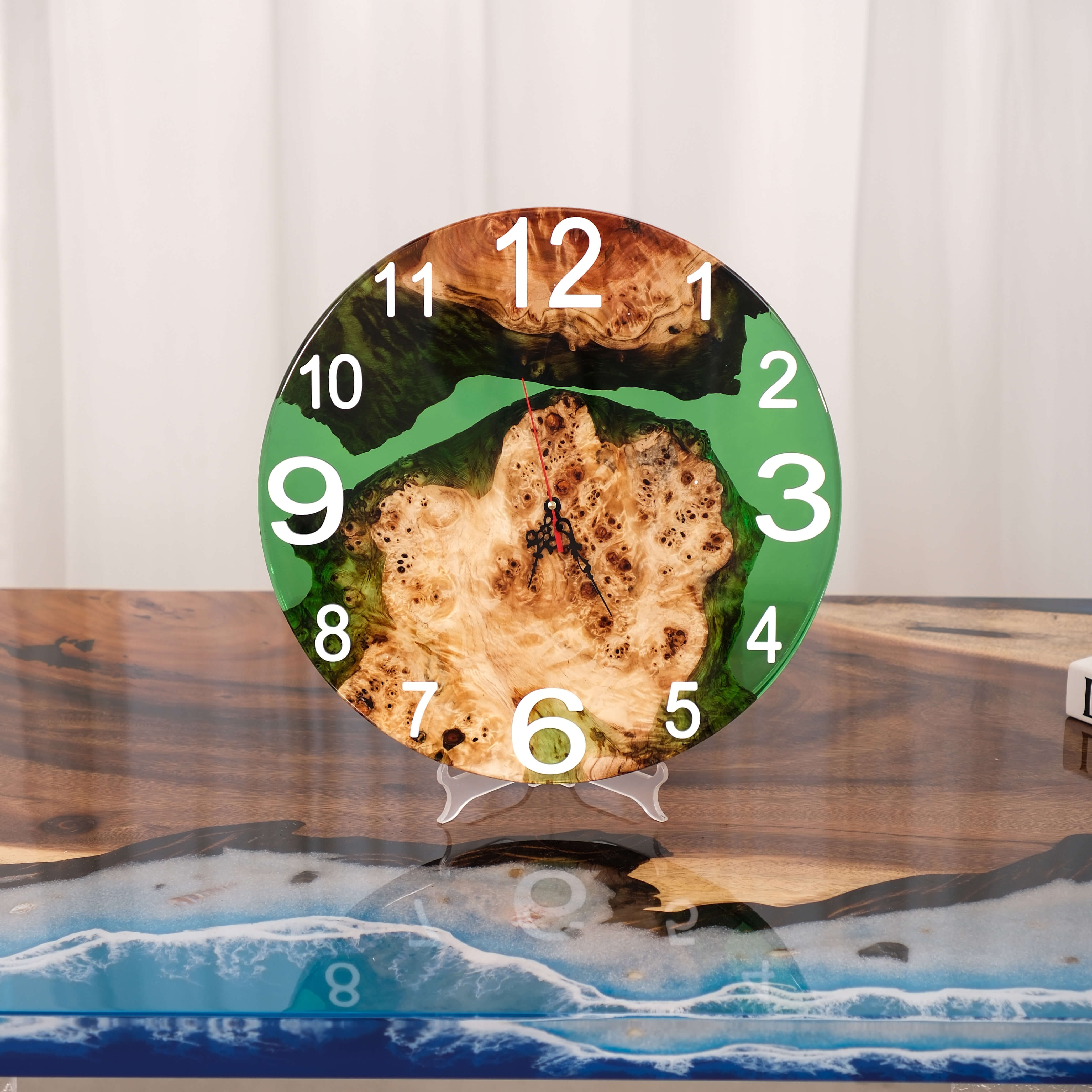
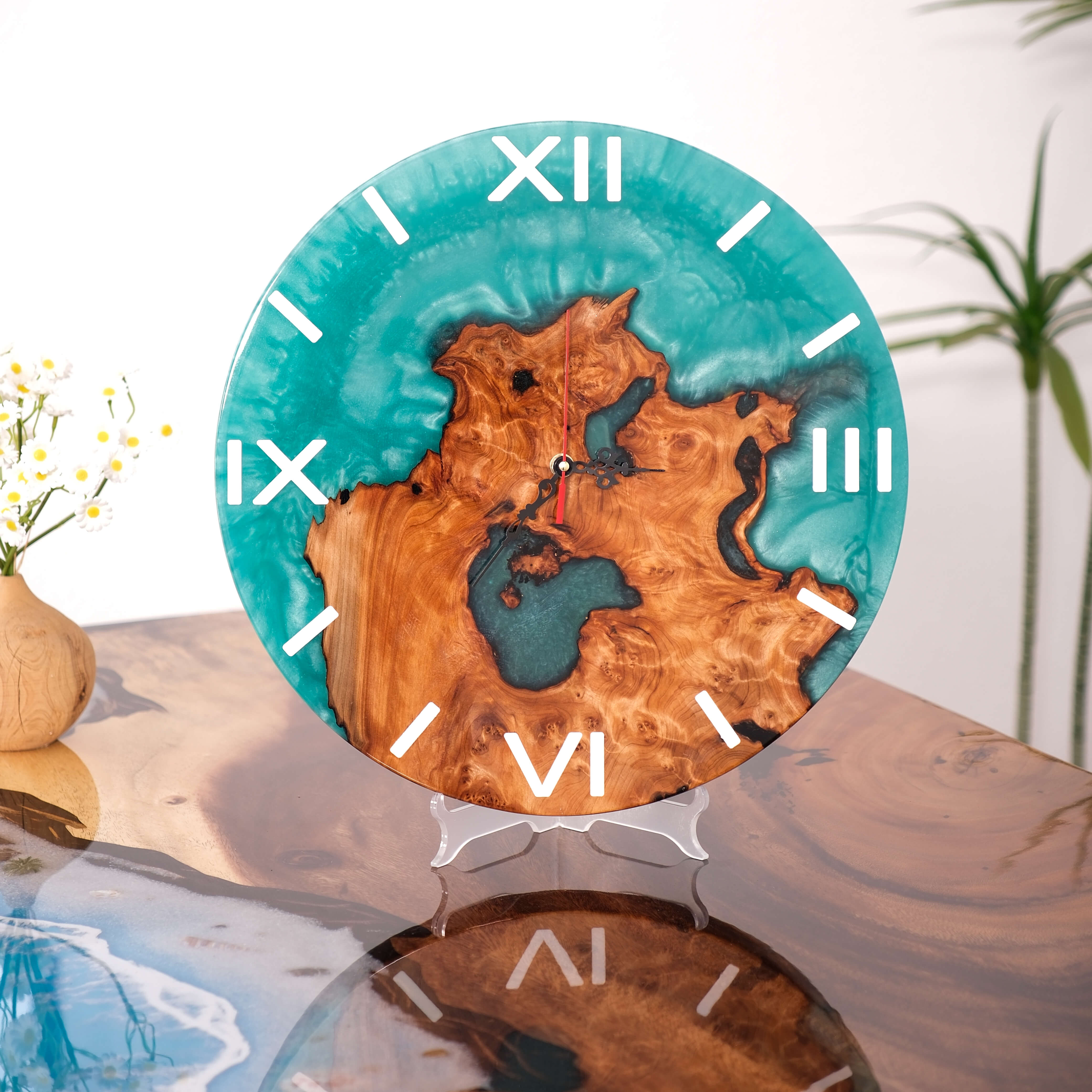
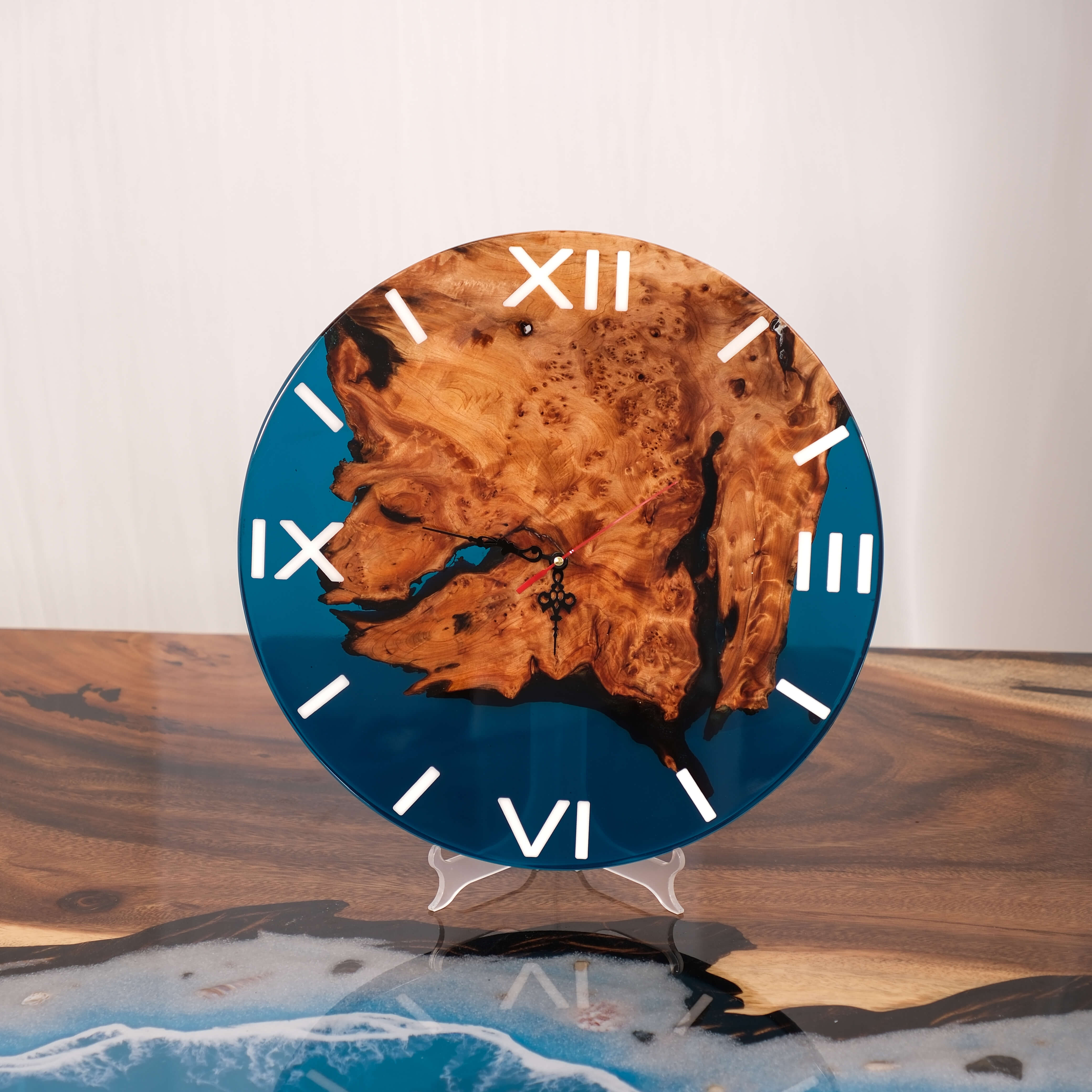





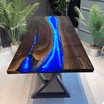




Quick Answer: Are Cracks, Knots, and Wormholes Defects in Epoxy Tables?
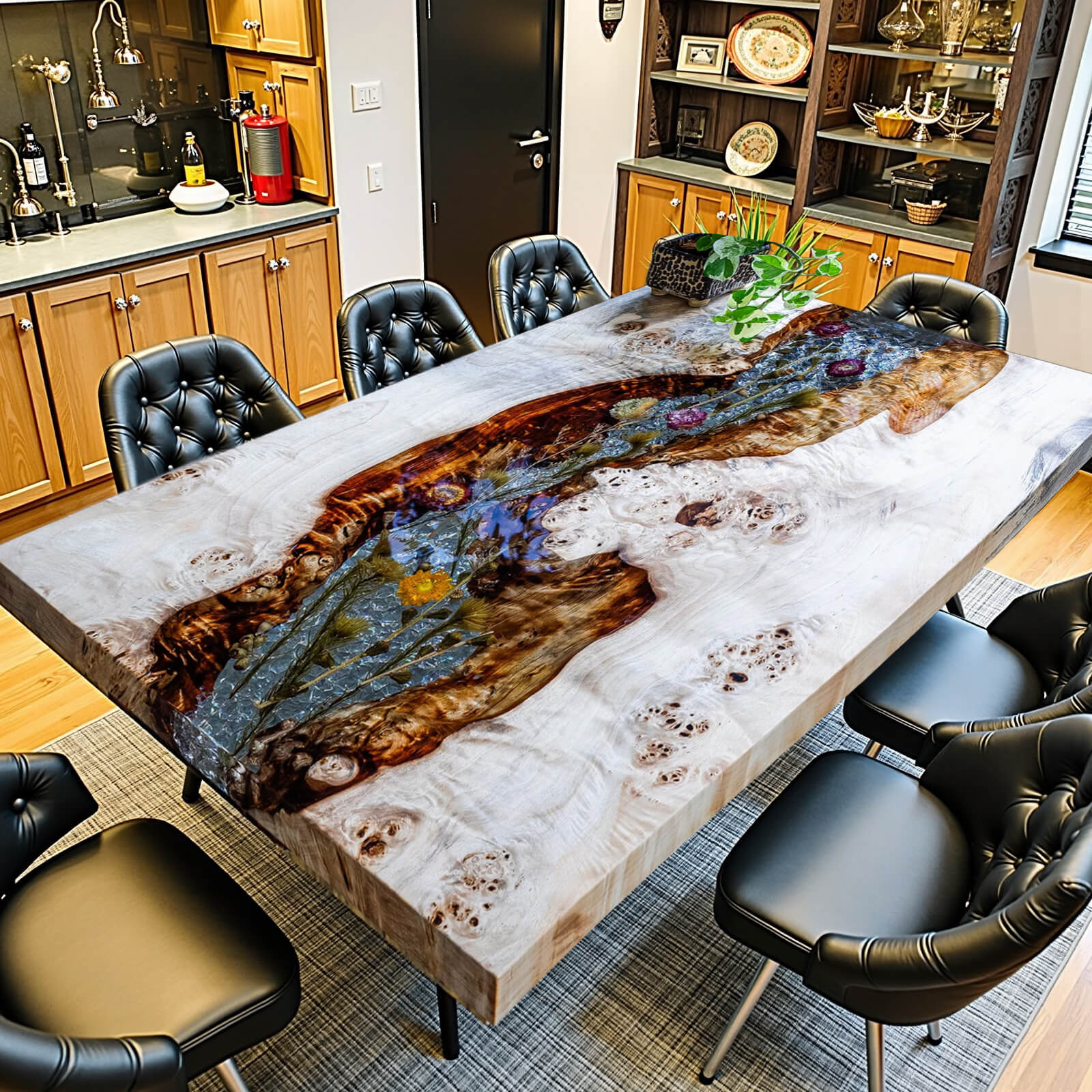
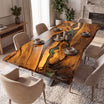
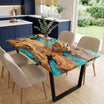
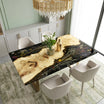
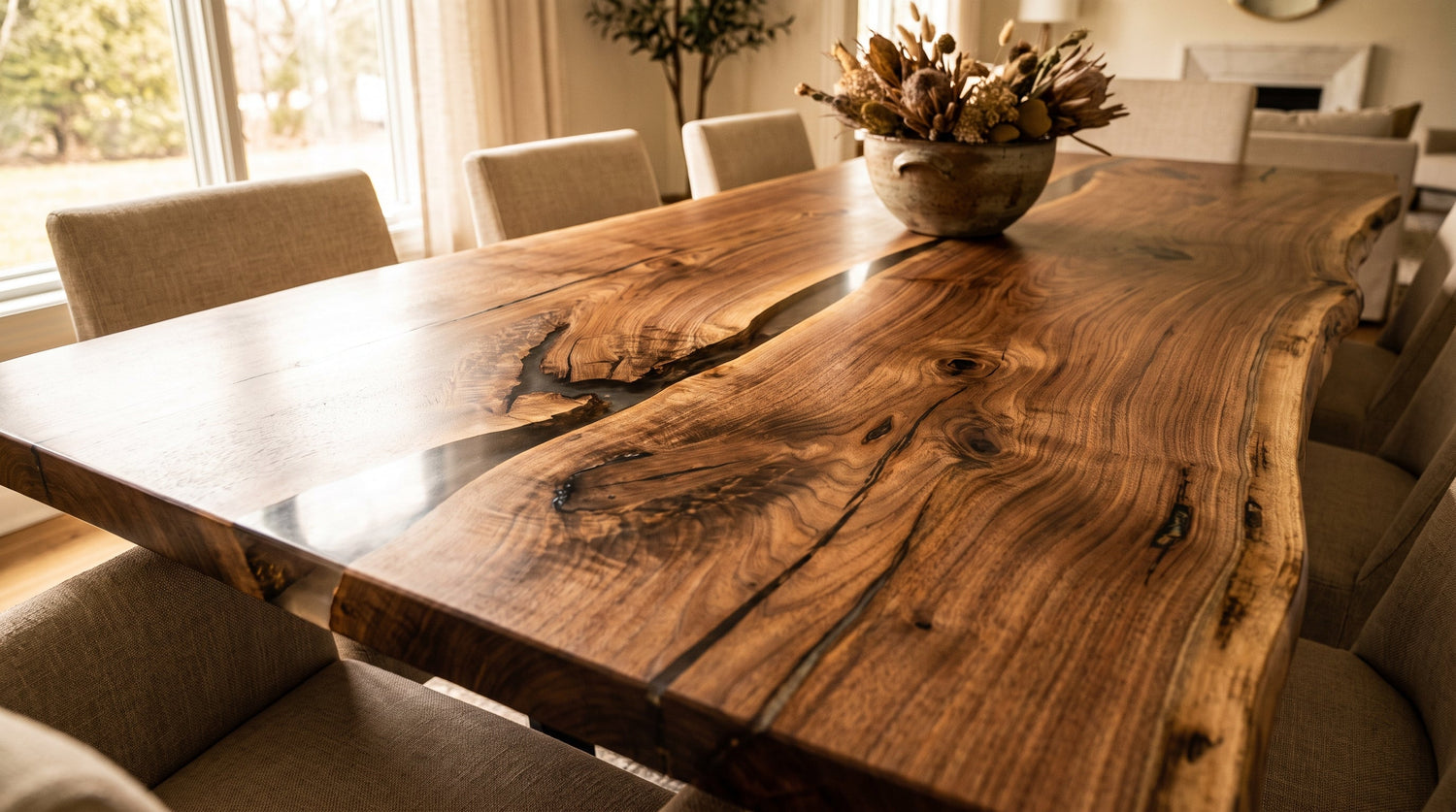
No. Natural cracks, knots, wormholes, and irregular grain patterns in live edge epoxy tables are not defects. They are authentic characteristics created by the tree during decades of growth. Professional craftsmen preserve these natural features through careful drying, stabilization, and epoxy filling, transforming them into the unique identity of each handmade table.
Unlike mass-produced furniture designed to look identical, every live edge epoxy table carries a different story through its natural wood character.
The “Imperfections” That Make a Wood Slab Valuable

When customers first discover live edge epoxy tables, one of the most common questions is:
“Why does this table still have cracks and holes in the wood?”
For traditional factory furniture, these features might be considered unwanted. However, in the world of handcrafted furniture, natural variations are exactly what make a piece valuable.
A wood slab is not created by a machine. It comes from a living tree that has experienced decades of growth, seasonal changes, weather conditions, and environmental influences.
The cracks, knots, and grain patterns are records of that journey.
This is why modern homeowners are increasingly choosing one-of-a-kind furniture instead of identical products from large furniture chains.
A custom epoxy table is not designed to erase nature.
It is designed to preserve it.
What Are Natural Cracks in Live Edge Wood?
Natural cracks are one of the defining characteristics of live edge furniture.
Trees naturally expand and contract as moisture levels and temperatures change. Over many years, internal stress can create openings within the wood fibers.
These cracks are not signs that the wood is unusable.
In professional woodworking, they are carefully evaluated and stabilized before becoming part of a finished table.
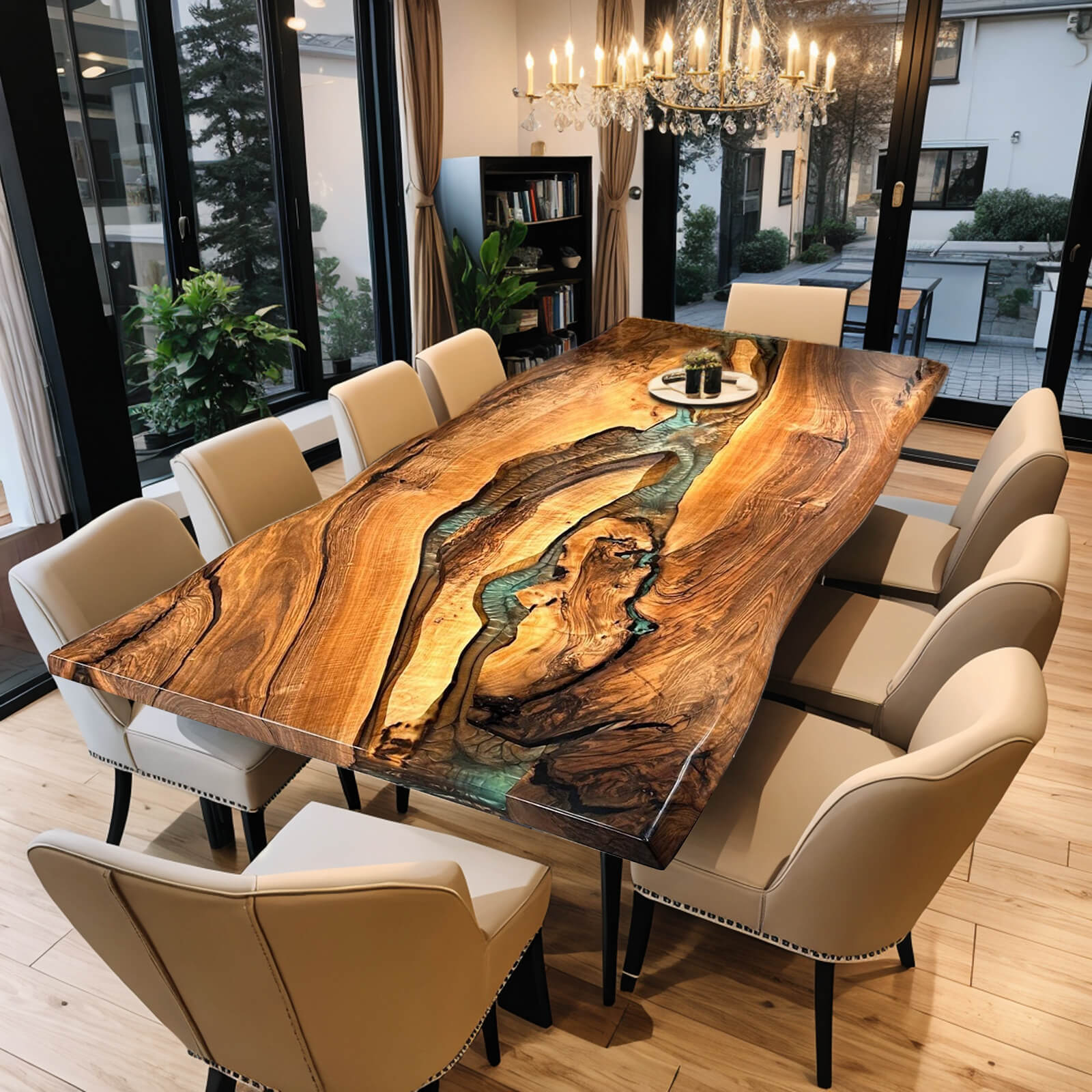
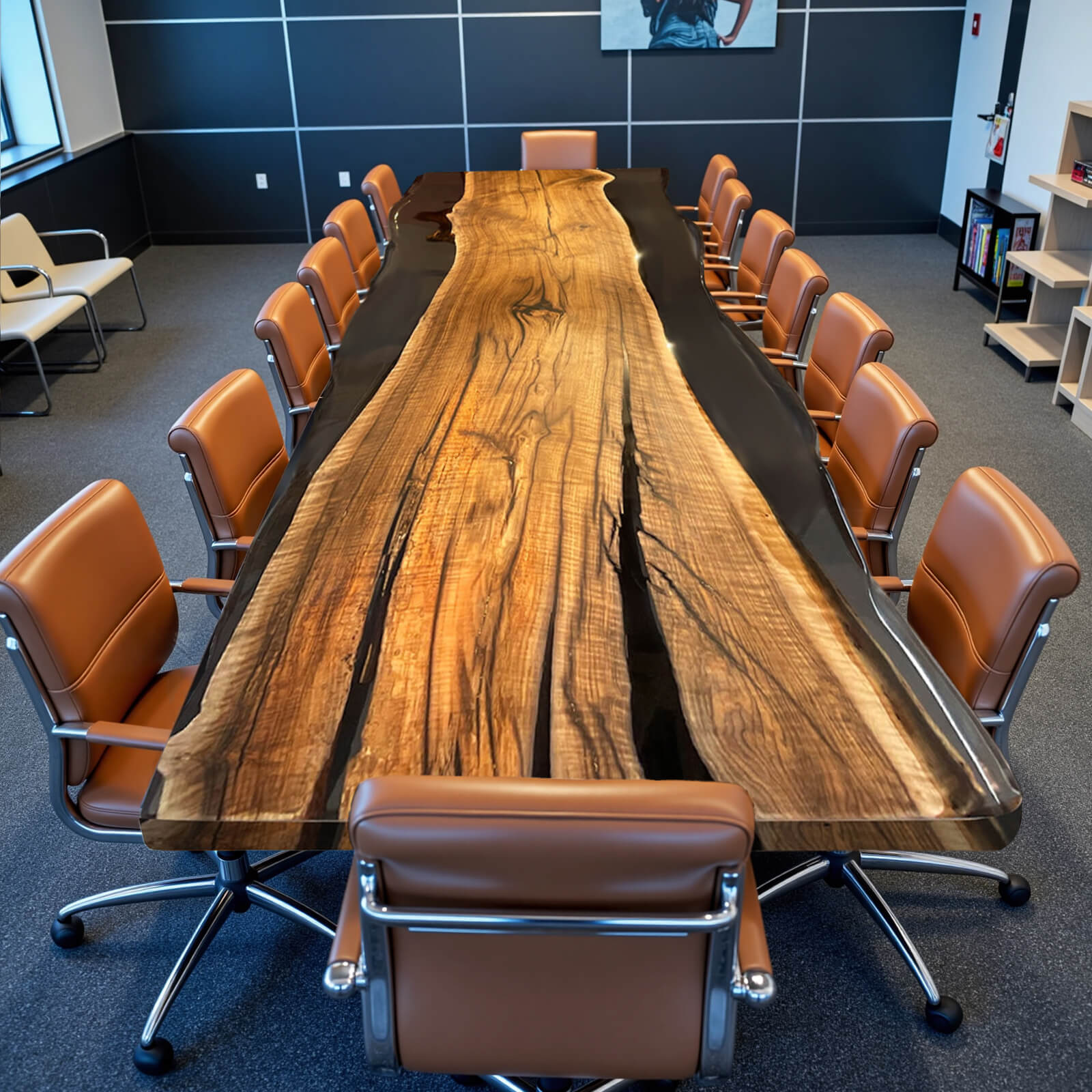
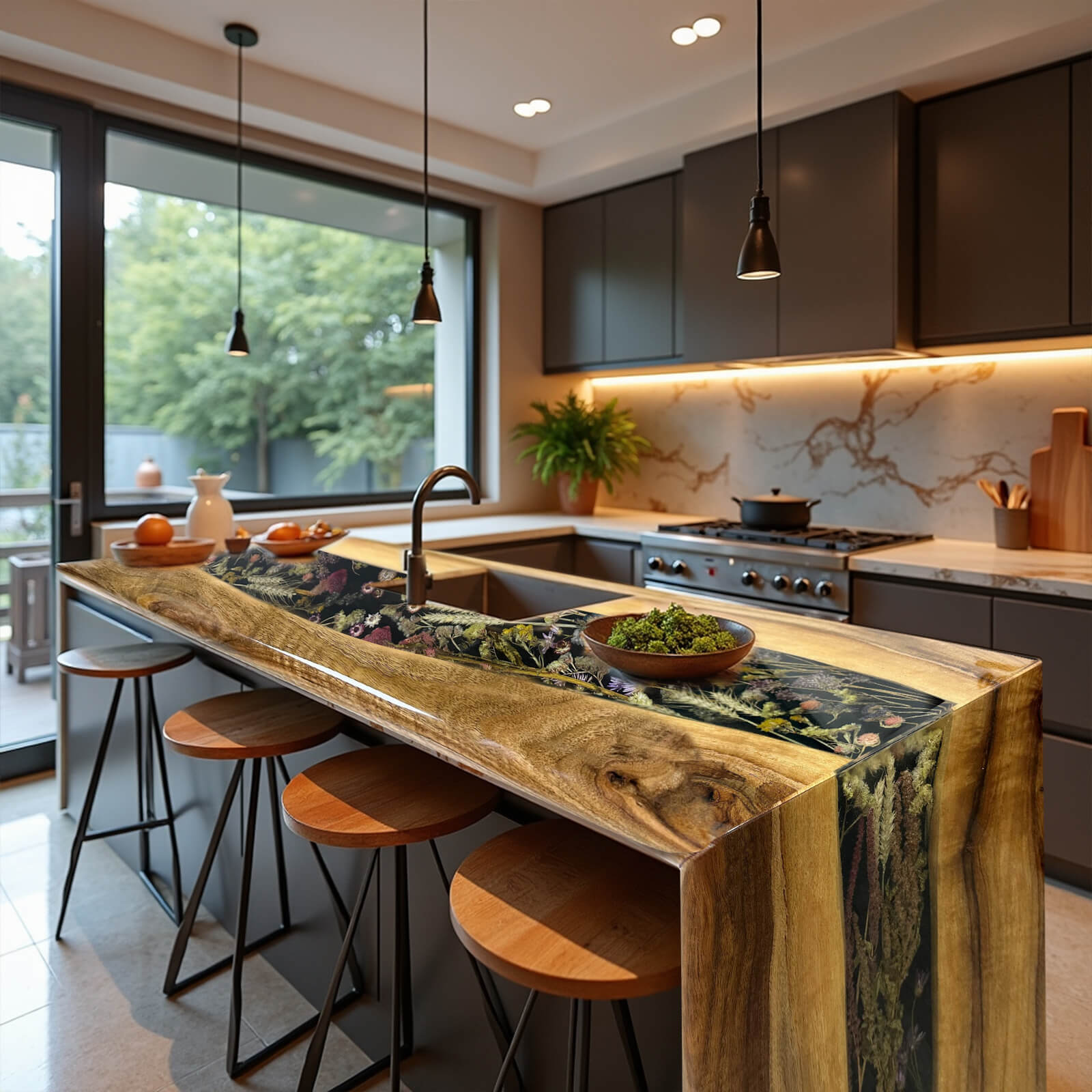
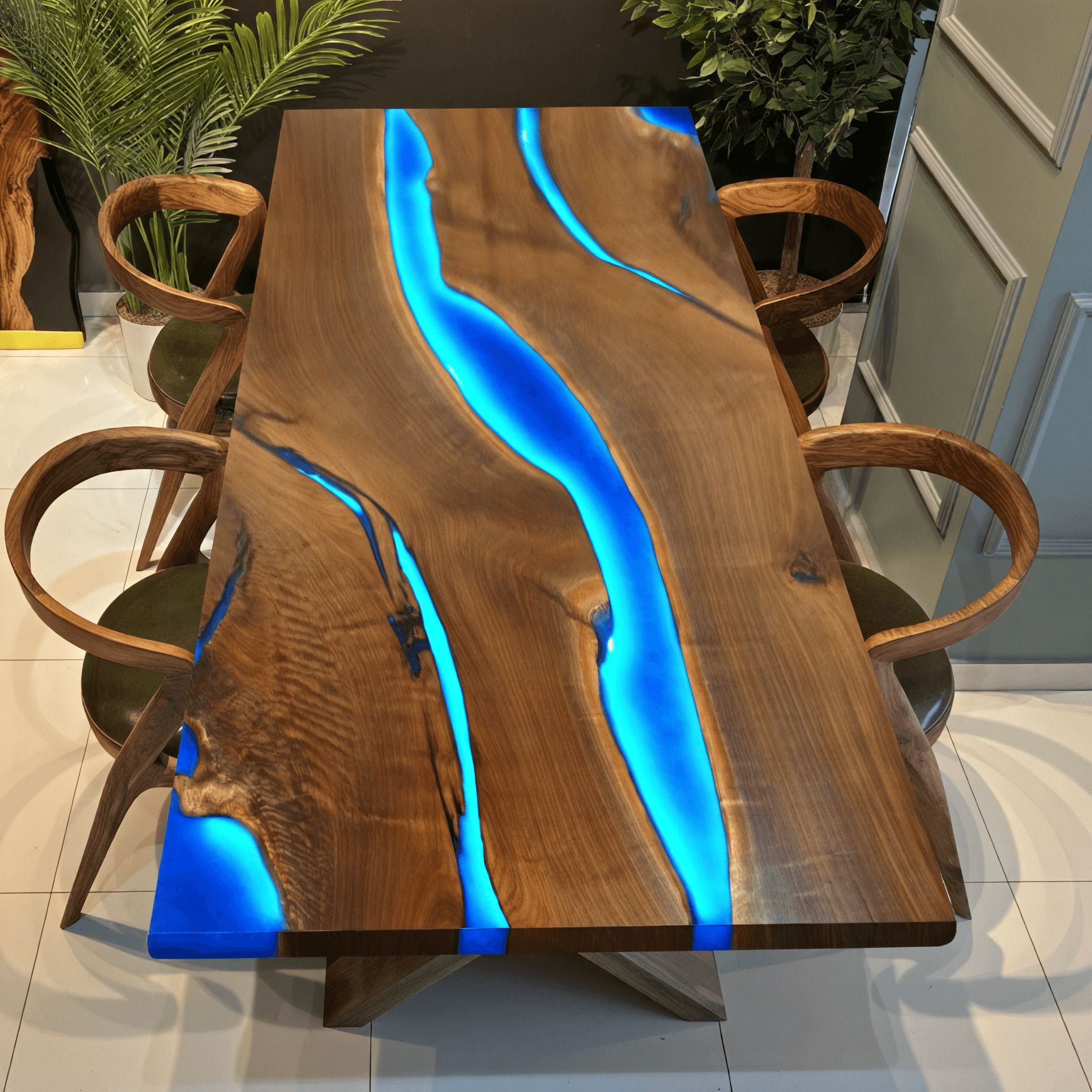
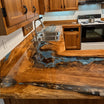
For epoxy table makers, cracks create opportunities for artistic expression. Transparent or colored resin can flow through these natural openings, creating visual contrast between organic wood and modern materials.
This combination is one reason why organic modern design has become one of the most influential interior trends in recent years.
Homeowners are moving away from cold, overly uniform spaces and choosing interiors that include:
· natural textures
· warm wood tones
· handcrafted details
· authentic materials
A crack inside a live edge epoxy table is not something to hide. It is part of the design language.
Why Knots Are Considered Nature’s Fingerprints
Knots form where branches once connected to the tree trunk.
Every tree develops different growth patterns, meaning every knot has its own shape, color, and surrounding grain structure.
Some knots create dramatic visual features that resemble:
· flowing rivers
· mountain landscapes
· abstract artwork
This uniqueness is impossible to reproduce through artificial manufacturing.
In the era of mass production and AI-generated designs, consumers are placing greater value on objects with real history and physical character.
A knot tells a story:
Where did this tree grow?
How old was it?
What natural conditions shaped it?
These questions create an emotional connection between the owner and the furniture.
That emotional connection is one of the reasons artisan furniture and slow furniture are becoming increasingly popular among homeowners looking for long-lasting pieces.
Understanding Wormholes in Epoxy Tables

Wormholes are another natural feature frequently found in live edge wood slabs.
These small tunnels were created naturally when insects interacted with the tree during its lifetime.
After professional processing, including kiln drying and stabilization, properly prepared wood slabs are safe for furniture production.
Rather than removing every natural mark, many craftsmen choose to preserve these details because they represent authenticity.
A wormhole pattern adds:
· texture
· depth
· character
· individuality
For customers searching for statement furniture, these details are often considered design advantages.
A factory-made tabletop can imitate the appearance of wood.
But it cannot replicate the exact history of a specific tree.
How Craftsmen Preserve Natural Wood Features
Creating a premium epoxy table is not about covering imperfections with resin.
It is about combining nature with craftsmanship.
Professional makers follow a detailed process:
1. Selecting Unique Wood Slabs
Craftsmen carefully choose slabs based on:
· grain quality
· moisture condition
· natural character
· structural stability
2. Stabilizing the Wood
Before production, wood must be properly dried and prepared.
This process helps minimize future movement while maintaining the natural beauty of the slab.
3. Enhancing Natural Features With Epoxy
Epoxy resin provides both aesthetic and functional benefits.
It can:
· stabilize natural openings
· protect vulnerable areas
· create artistic contrast
The result is furniture that combines traditional woodworking with modern design.
Why Modern Buyers Prefer Authentic Wood Furniture
The growing interest in sustainable furniture, biophilic design, and handcrafted home décor reflects a larger shift in consumer preferences.
Many homeowners are reconsidering disposable furniture.
Instead of replacing tables every few years, they are investing in pieces designed to last for generations.
A natural wood epoxy table represents:
· craftsmanship over mass production
· individuality over repetition
· quality over convenience
This trend is especially noticeable among buyers creating personalized homes where furniture reflects their lifestyle and personality.
Are Natural Cracks and Wormholes Safe?
Yes, when the table is professionally crafted.
High-quality epoxy table production includes:
· moisture testing
· proper wood preparation
· structural reinforcement
· professional resin application
The purpose of epoxy is not to make natural wood look artificial.
It is to protect and highlight the original character of the material.
Every Live Edge Epoxy Table Tells a Different Story

The biggest difference between handcrafted epoxy tables and factory furniture is uniqueness.
A mass-produced table can be recreated thousands of times.
A live edge epoxy table cannot.
The exact combination of:
· wood grain
· cracks
· knots
· resin patterns
· natural color variations
creates a piece that exists only once.
This is why many homeowners consider custom epoxy tables not just furniture, but a personal investment.
Final Thoughts: Nature Creates the Character, Craftsmen Complete the Story
The cracks, knots, and wormholes found in live edge epoxy tables are not mistakes.
They are signatures created by nature.
Through skilled craftsmanship, these features are preserved and transformed into furniture that combines natural beauty with modern functionality.
In a world where many products are becoming increasingly similar, authentic materials provide something rare: individuality.
A live edge epoxy table is valuable not because it is perfectly uniform.
It is valuable because nature made it impossible to duplicate.