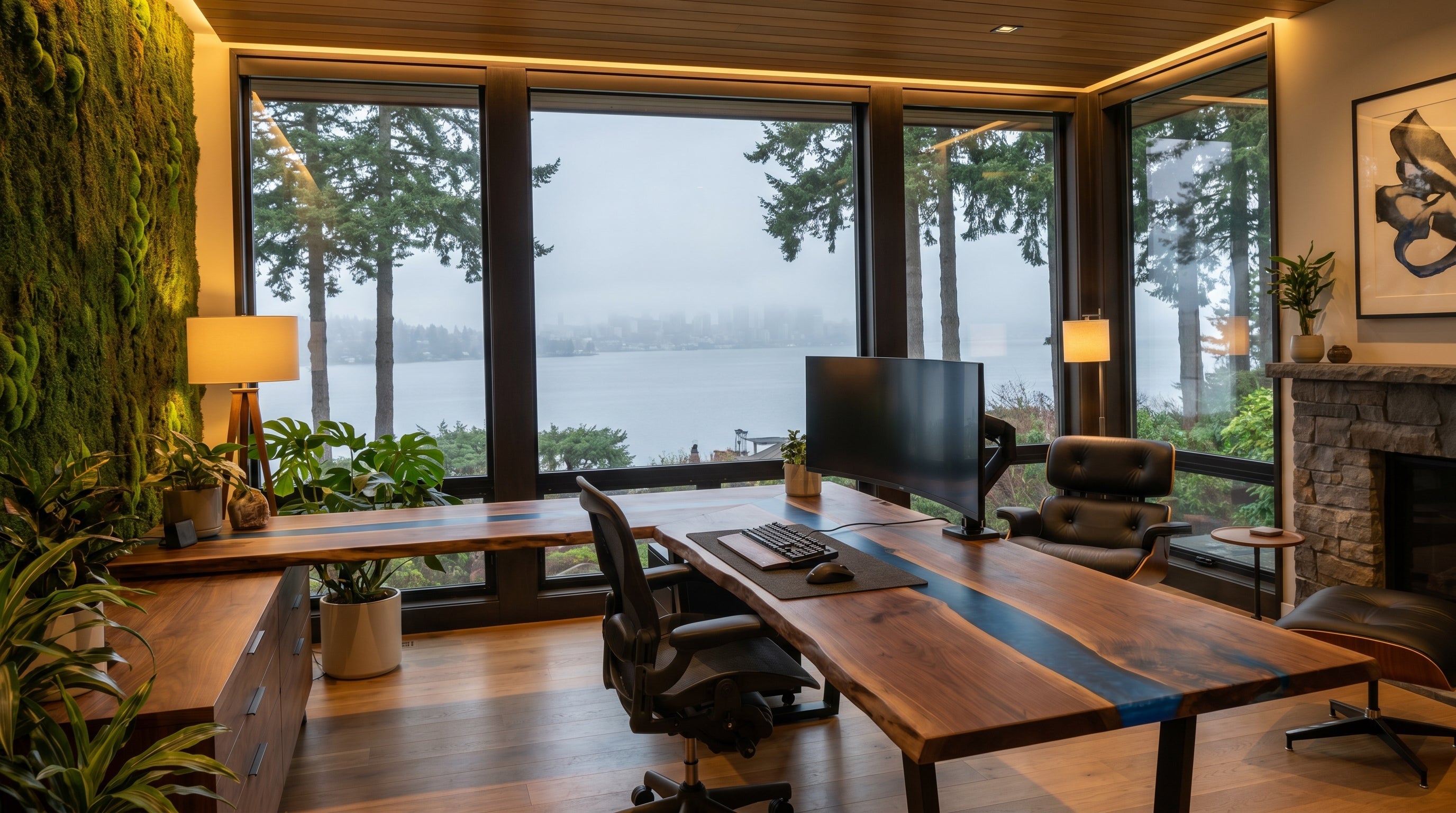
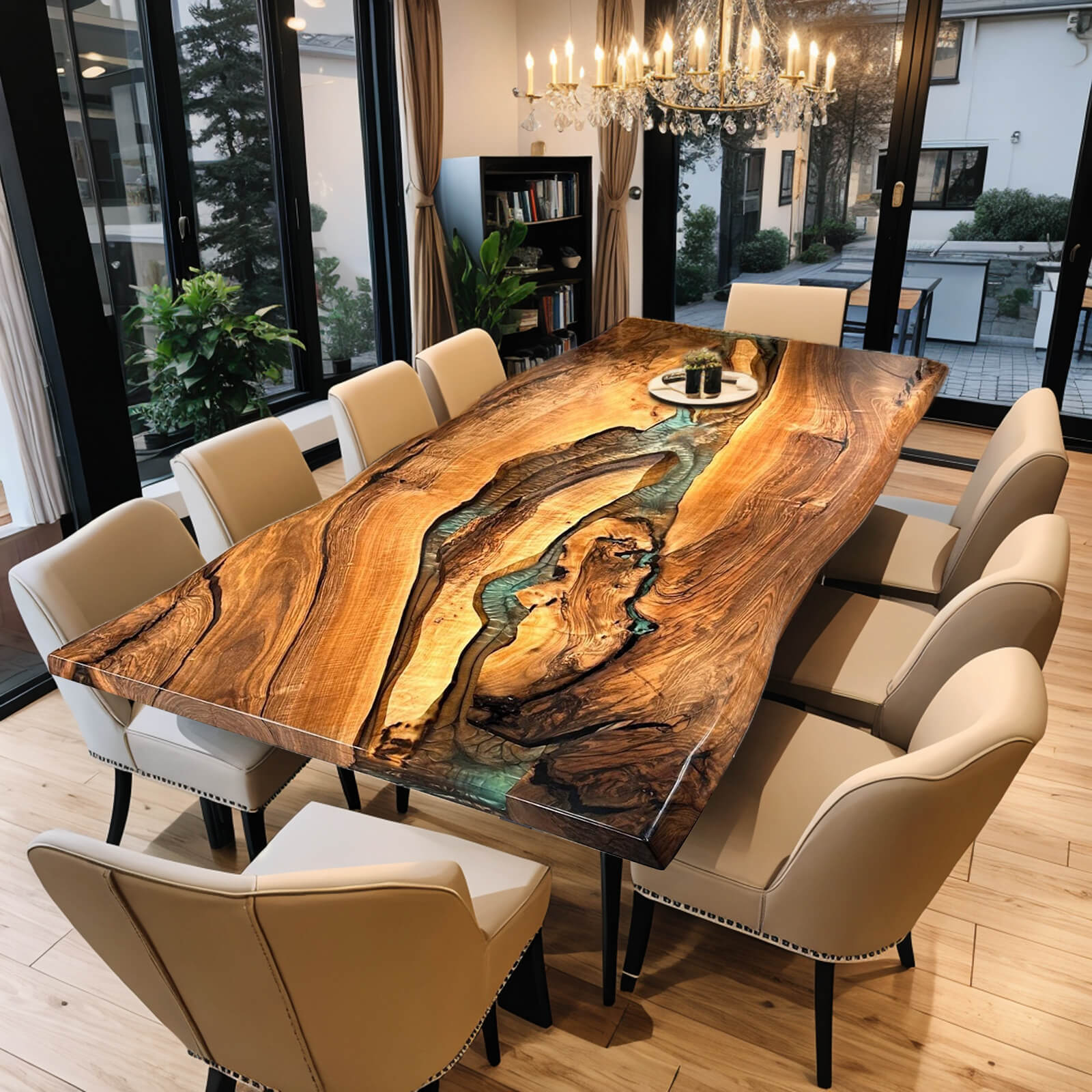
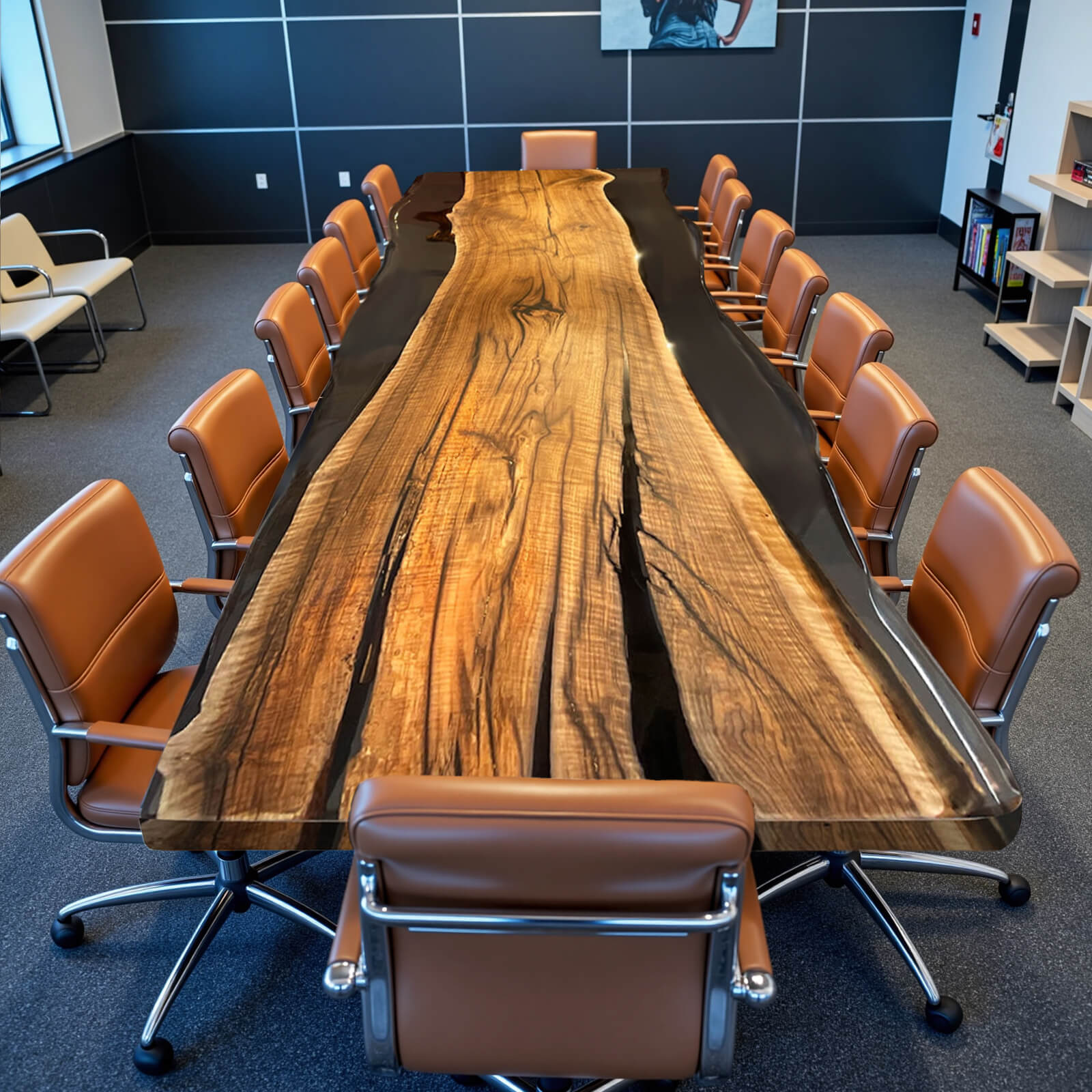
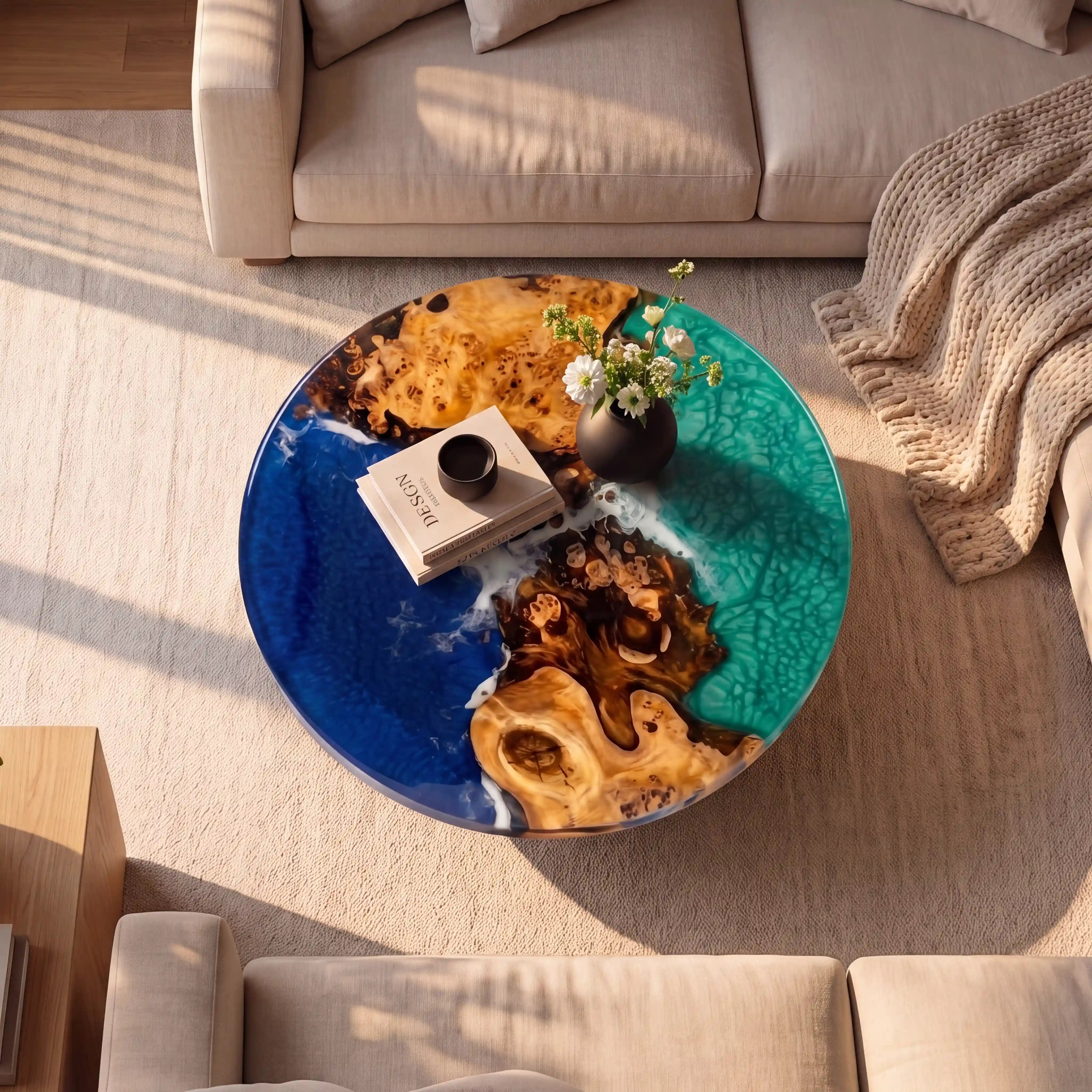








I. The Assetization of the Home: A 2026 Economic Pivot
In an economic landscape defined by persistent inflation (Headline CPI at 2.7% in late 2025) and fluctuating mortgage rates, the ultra-high-net-worth (UHNW) population is fundamentally reassessing capital allocation. The 2026 "Global Powers of Luxury" report indicates a shift from "Volume to Value".
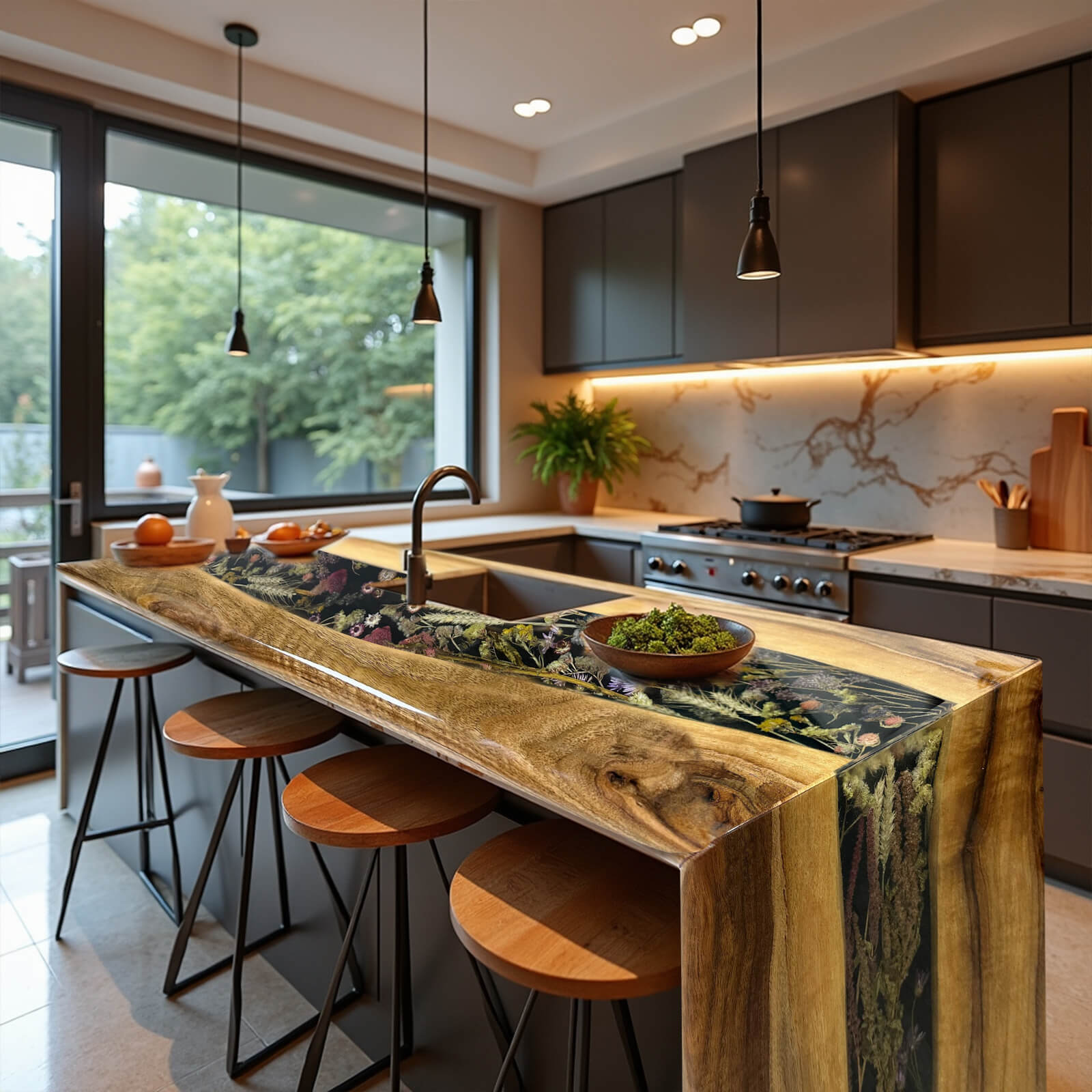
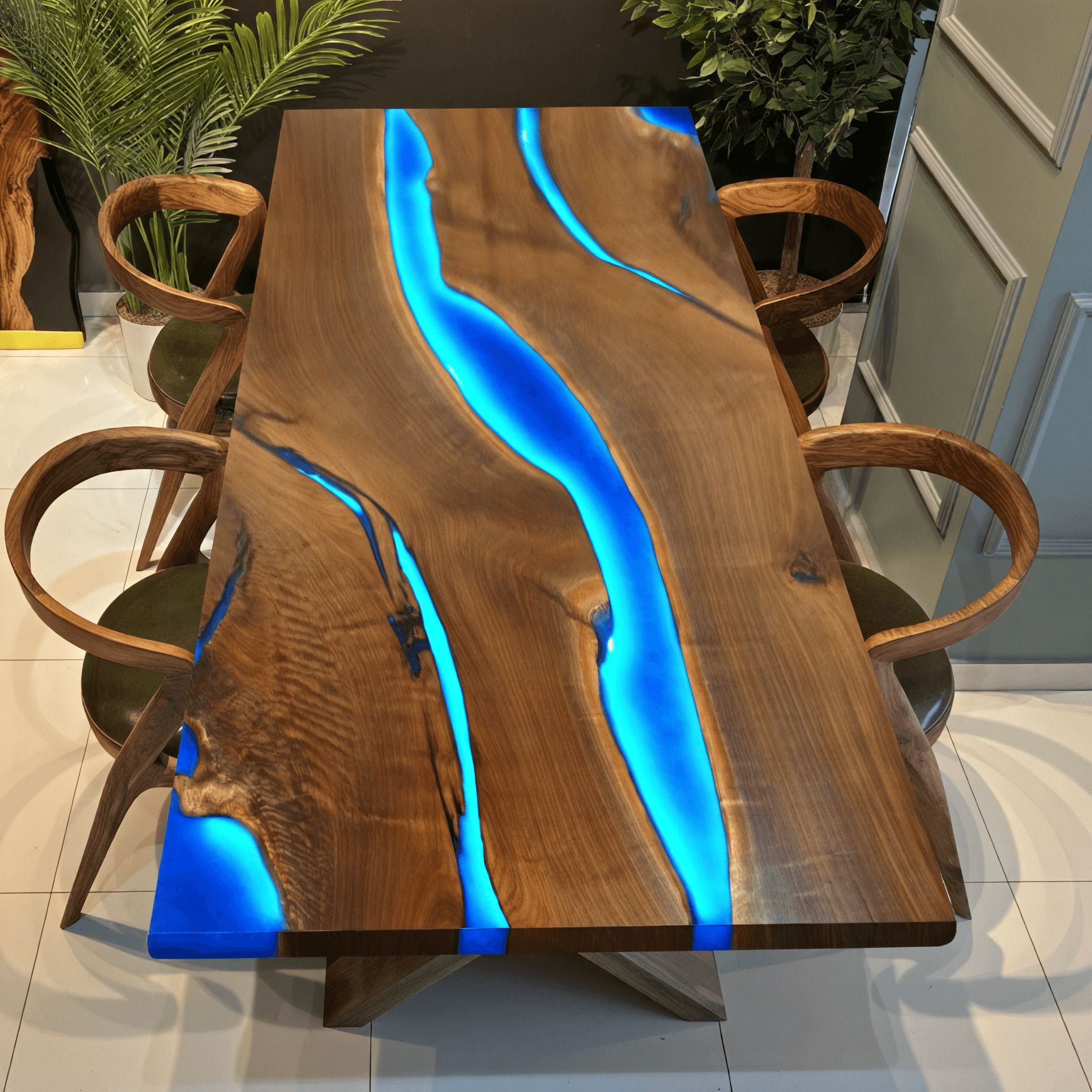
Buyers are increasingly rejecting "Disposable Furniture"—pieces that lose 70% of their value upon delivery—in favor of "Asset-Grade Furniture." Much like the Hermès Mini Kelly II, which saw a 300% price increase between 2022 and 2025, bespoke solid wood furniture is now viewed as a defensive hedge against currency devaluation.
II. The "Refuge Market" Logic: Hartford and Rochester
This trend is most visible in the "Refuge Markets" of the U.S. Northeast and Midwest. Cities like Hartford, CT and Rochester, NY have become the top housing markets of 2026.
The data is clear:
l Hartford, CT: Median sale price of $867,500 with high growth scores, attracting buyers fleeing high-cost hubs like NYC and Boston.
l Rochester, NY: Characterized by limited new construction (only 6.8% of listings) and an older, well-qualified buyer pool.
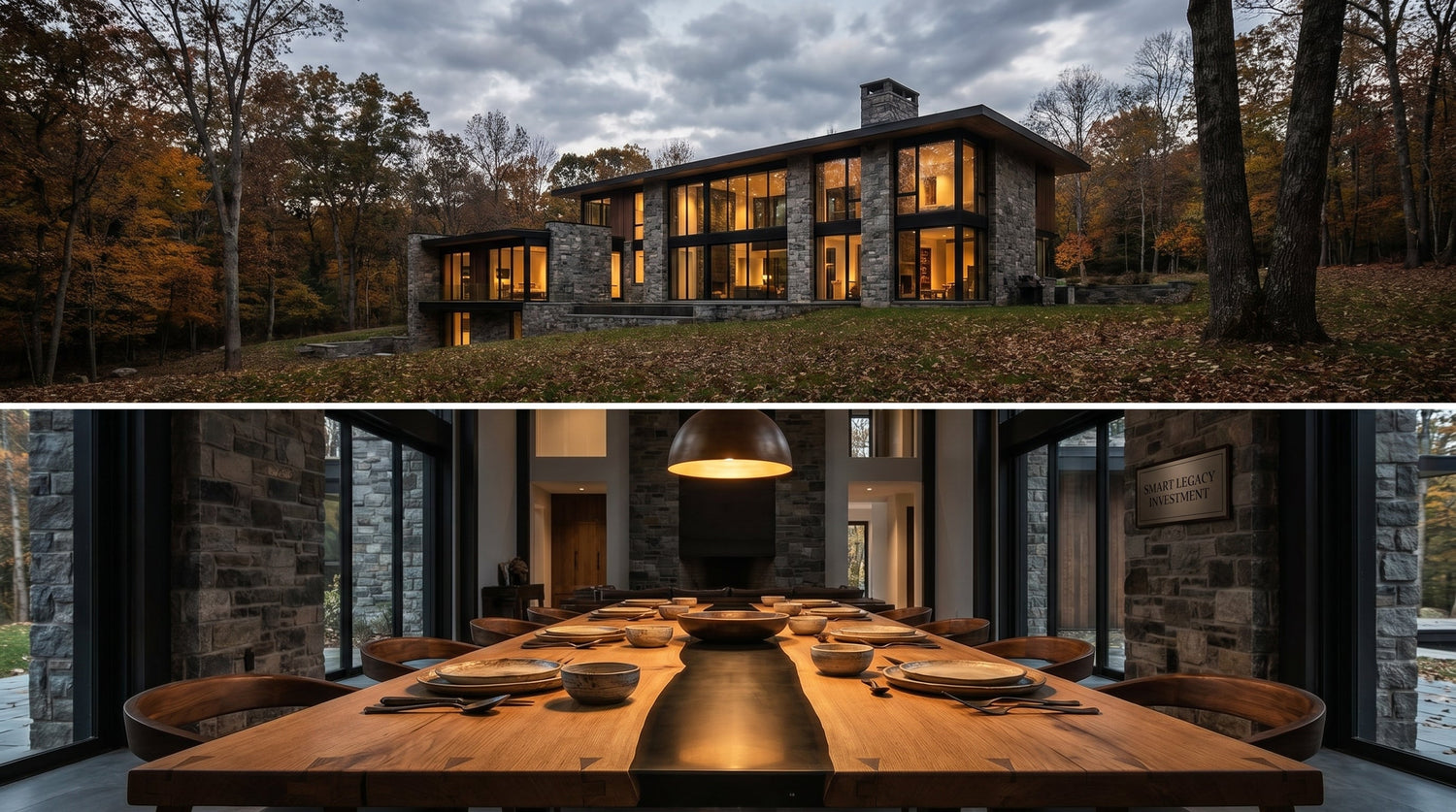
These buyers are purchasing "Forever Homes" and, consequently, demand "Forever Furniture." They are looking for pieces that match the architectural integrity of their historic estates—furniture with "Reputational Capital" and "Rate Integrity".
III. Scarcity and Craft: The Foundations of Value
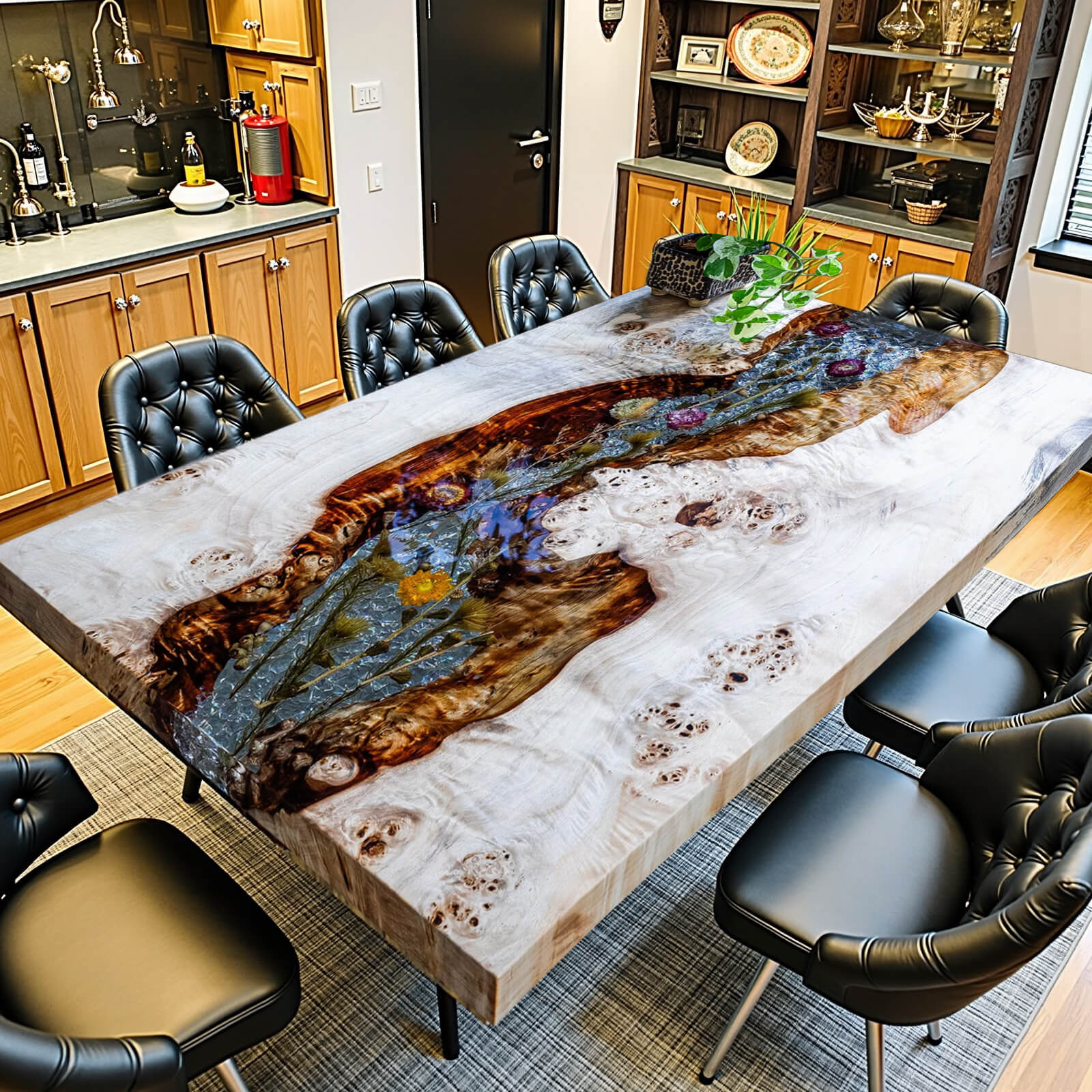
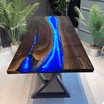
What makes a Create A Table piece an "Anti-Inflation Asset"?
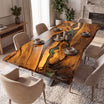
1. Material Scarcity: The supply of high-grade, ancient timber (like 200-year-old White Oak or Black Walnut) is structurally constrained.
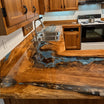
2. Design for Disassembly: In 2026, "Repairability is the new luxury." Our use of water-based adhesives and precise joinery allows pieces to be refinished or repaired over generations, effectively suspending the "Quick Design Cycle" fueled by social media.
3. Price Inelasticity: High-end luxury buyers are less sensitive to interest rate hikes, allowing prime furniture brands to maintain high operating margins (averaging 18-20% vs. 12% in mass markets).

IV. The Digital Buying Journey: 3D and AR Transparency
To support this "Investment Grade" narrative, Create A Table utilizes 3D Configuration and AR "Try-Before-You-Buy" tools. In 2026, AR visualization can improve conversion by 40% and reduce returns by 60%. This transparency gives the buyer confidence that their "Asset" fits their "Legacy Property" perfectly before a single saw blade touches the wood.
V. Conclusion: Building a Generational Portfolio
In 2026, luxury is synonymous with Selectivity and Significance. By choosing furniture made from ethically sourced, locally salvaged timber with heritage craftsmanship, you are not spending money—you are transferring it into a tangible, functional, and restorative asset. In a world of "ordering from the Cloud," the memory of the hands that fashioned the object is the ultimate luxury.