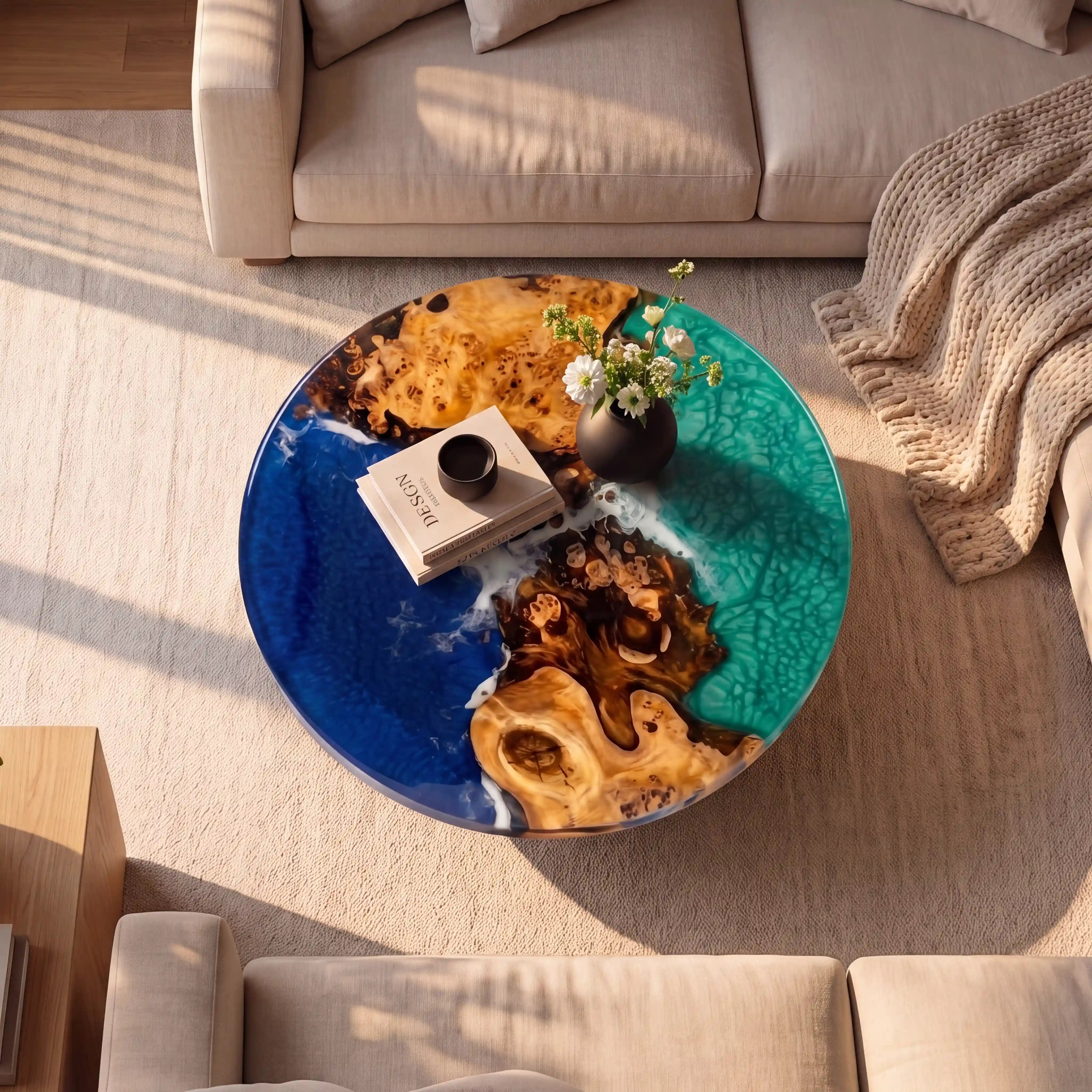
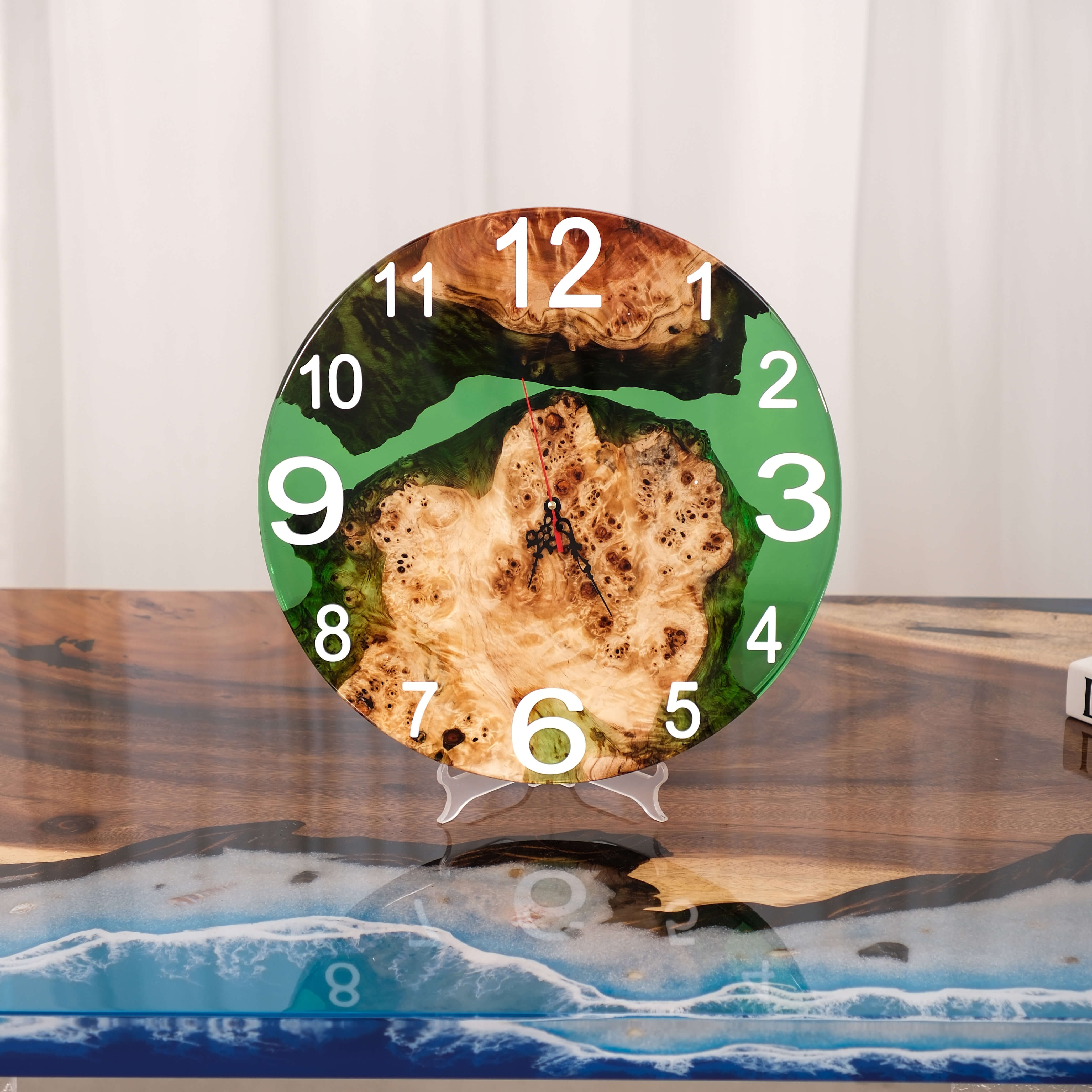
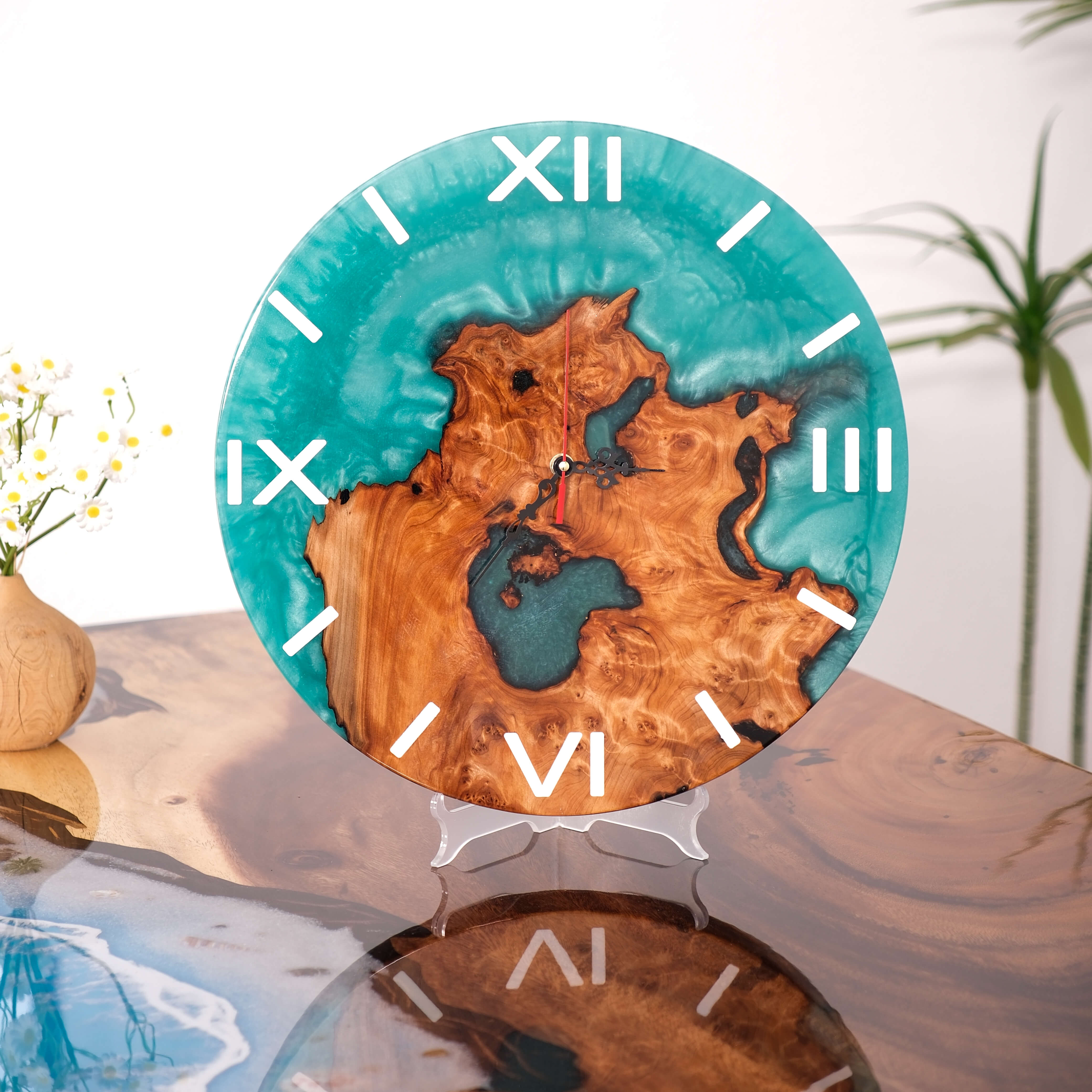
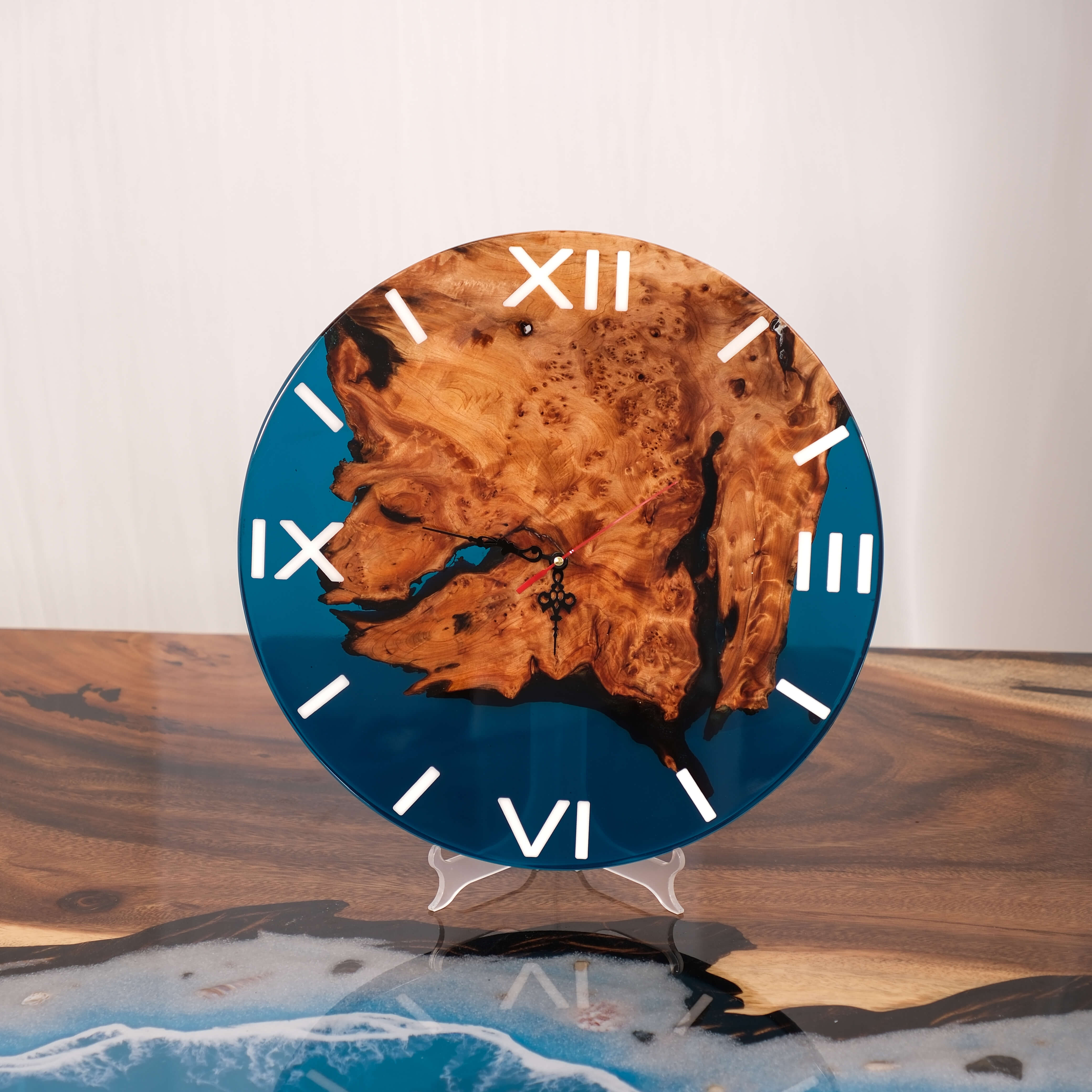
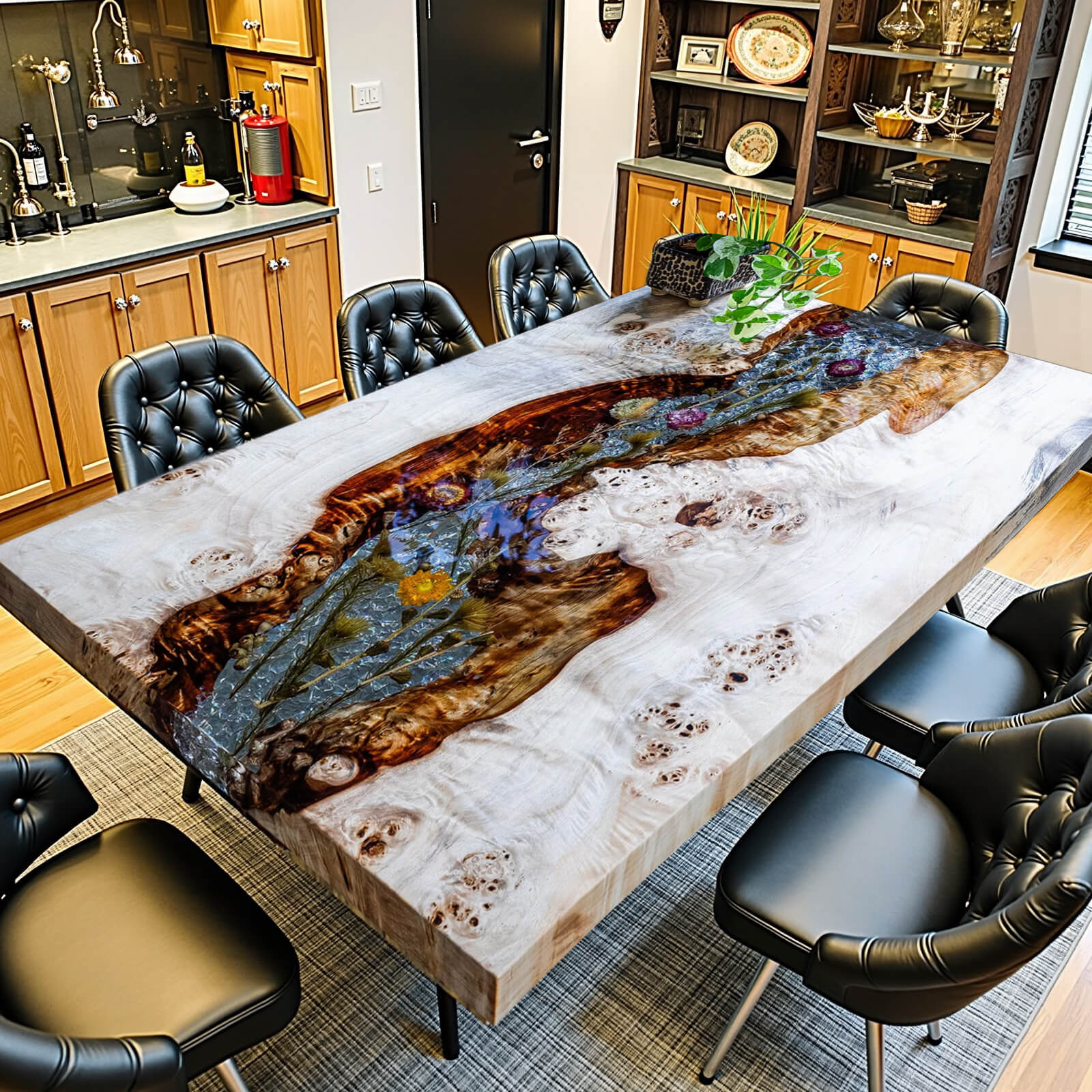
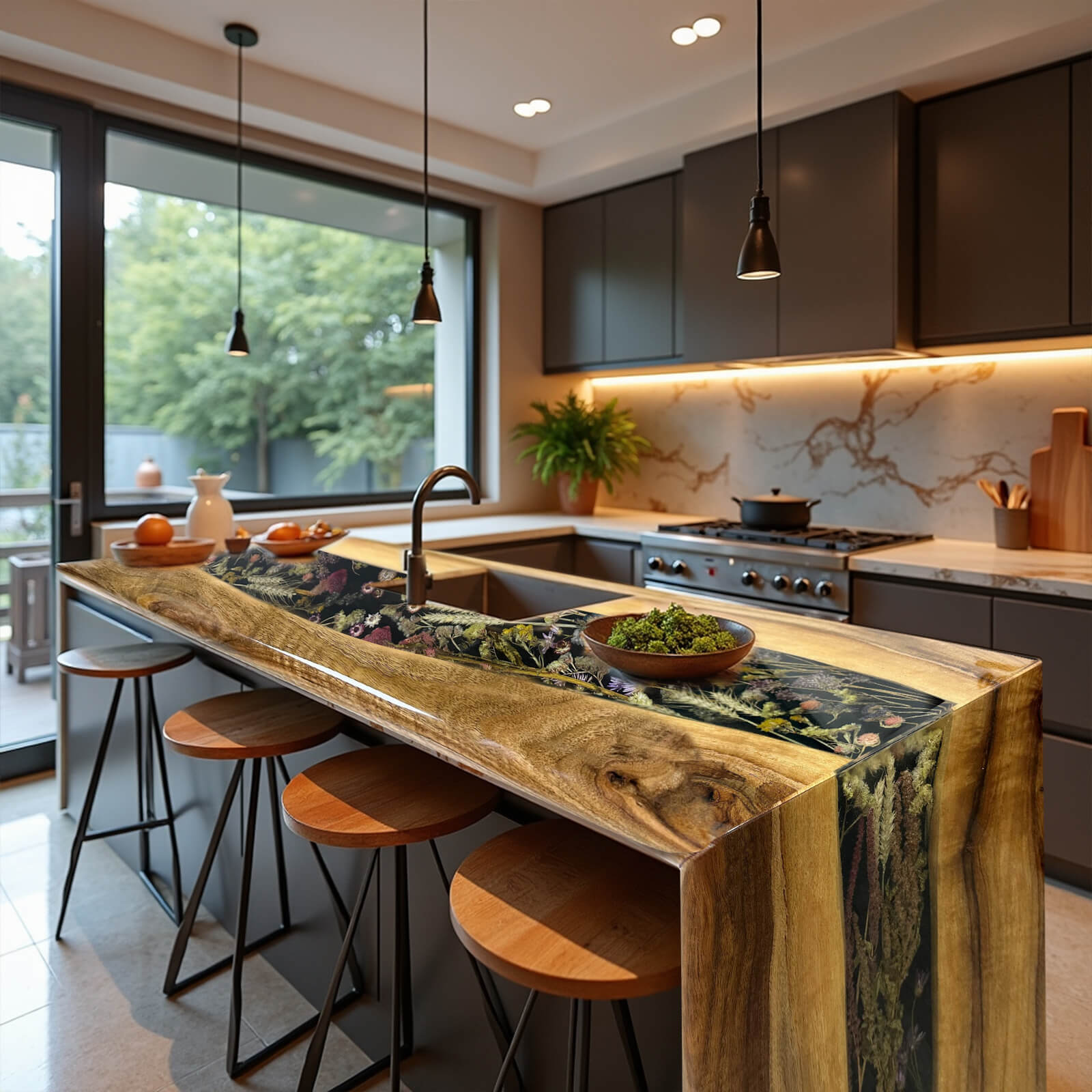
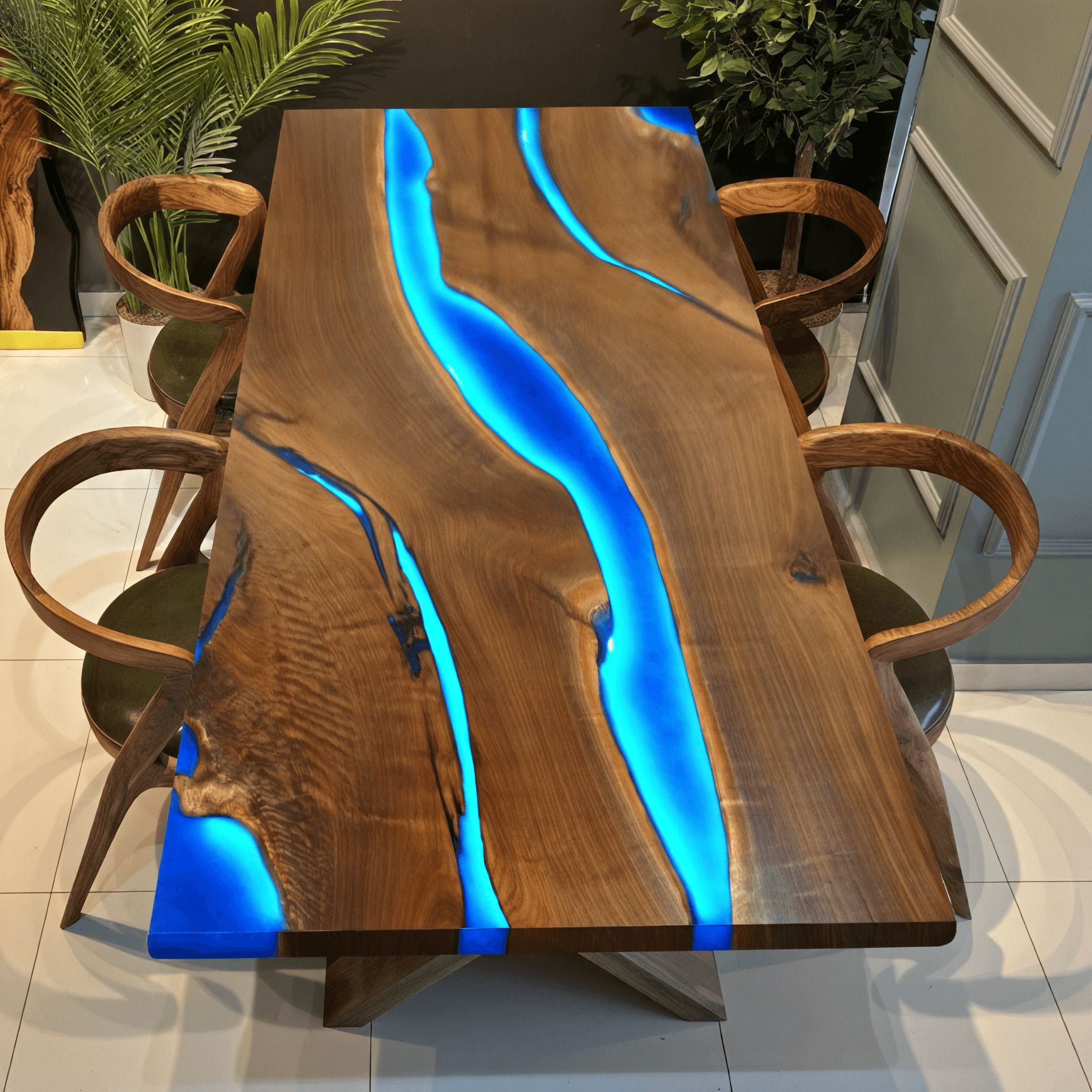









Introduction In an age where you can order a dining table on your phone and have it delivered in 48 hours, waiting eight weeks for a piece of furniture feels like an act of rebellion. And it is. This is the essence of the "Slow Furniture" movement, a philosophy that 2026 has fully embraced as the antidote to disposable consumerism.
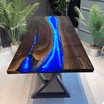
At CreateATable, we often get asked why our prices differ from the flood of "river tables" appearing on mass-market platforms. The answer lies in what you don't see—the hundreds of hours of invisible labor that separate a distinct heirloom from a future landfill item. Quality is not an accident; it is a grueling, intentional process.
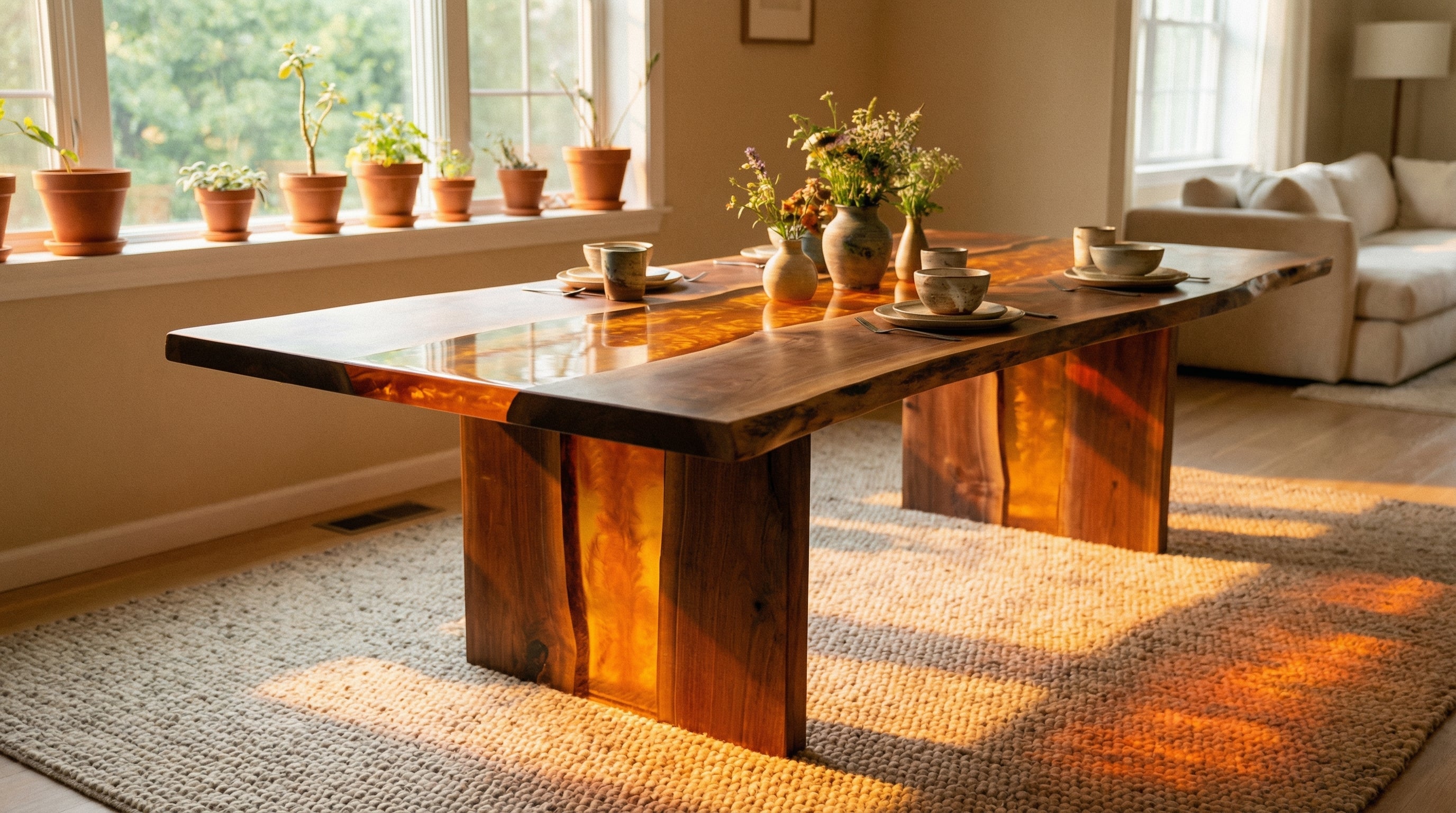
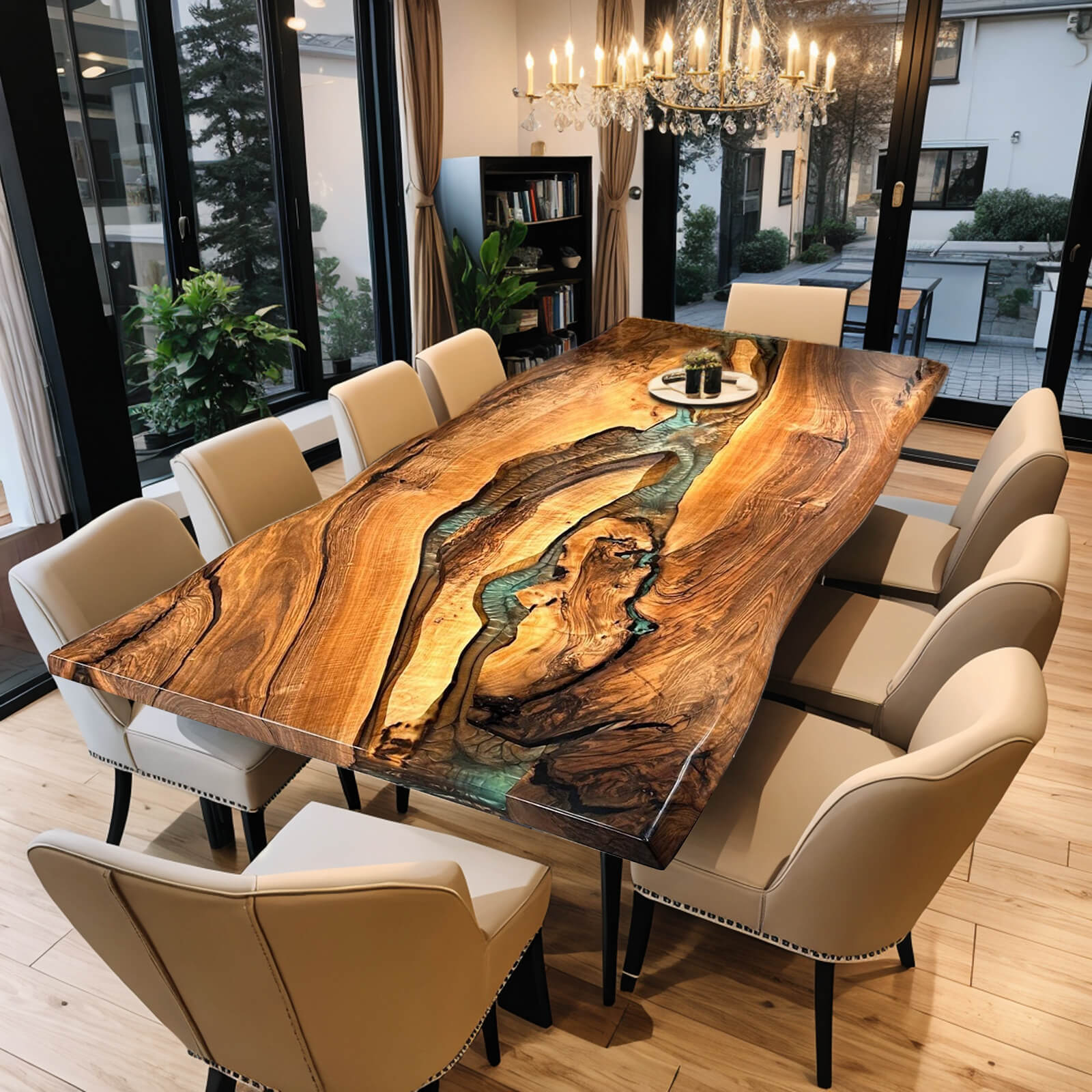
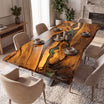
 The Wood: Patience is a Physical Property The process begins months before a drop of resin is poured. Mass-market tables often use "green" or air-dried wood to speed up production and cut costs. The result? Warping, cracking, and delamination within a year as the wood dries in your home. We subscribe to the "Gold Standard" of American Black Walnut preparation. Our slabs are kiln-dried to a precise 6-8% moisture content. But we don't stop there. We then let the wood "rest" in our climate-controlled workshop for weeks to acclimate to indoor conditions. We listen to the wood, stabilizing natural cracks and knotholes not with cheap filler, but with structural precision. This patience ensures your table remains flat for decades, not just days.
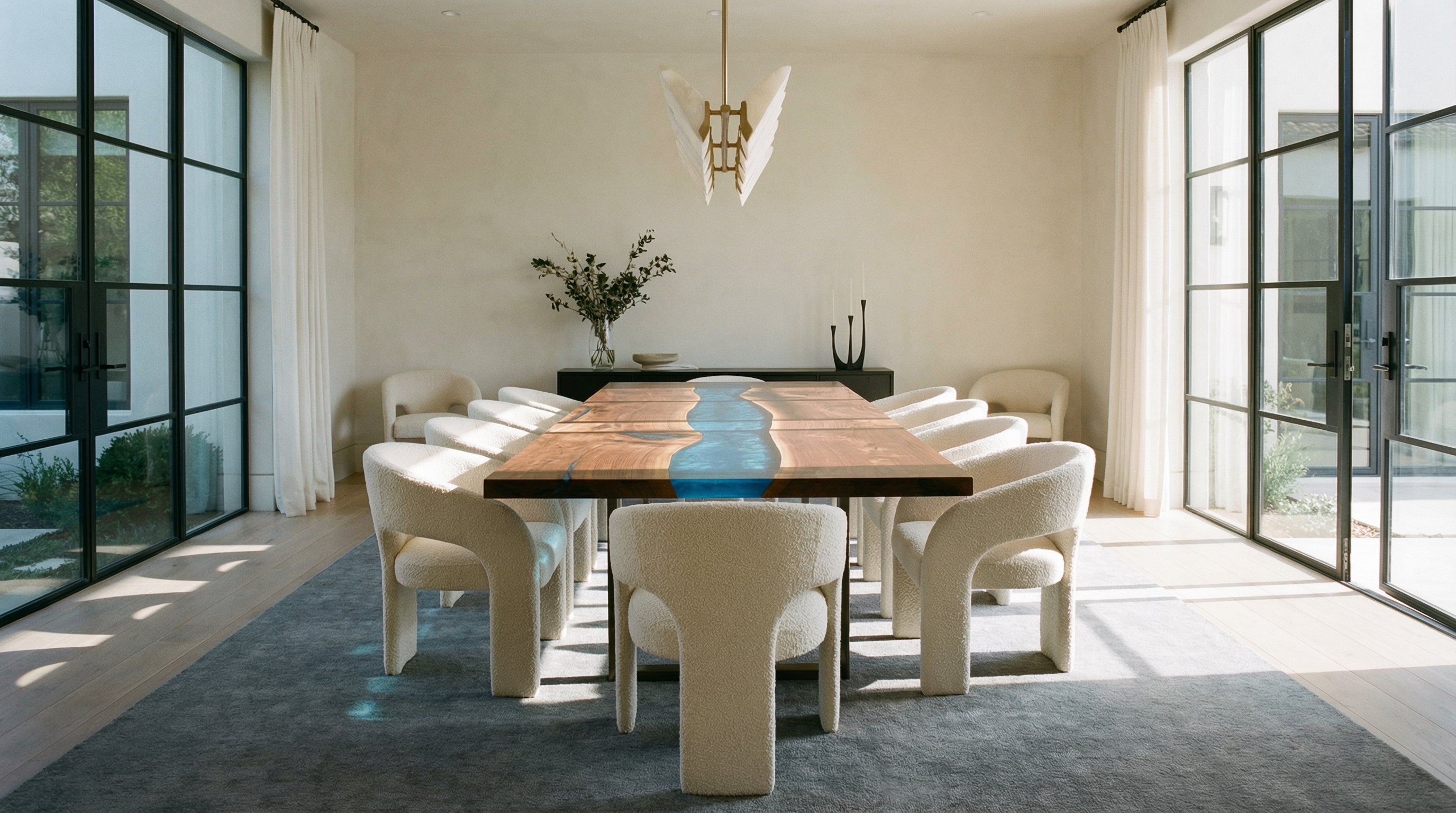
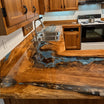
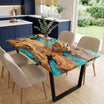
 The Pour: A Chemistry Experiment Pouring epoxy is not as simple as dumping a bucket. To achieve crystal clarity without bubbles or overheating (which causes yellowing and brittleness), we use specialized deep-pour resins that cure slowly over 72 to 96 hours. This slow cure is critical. It allows microscopic air bubbles to escape naturally and prevents the "exothermic reaction" from cooking the wood fibers. We monitor the room temperature and humidity constantly during this phase. It is a slow, stress-inducing vigil that ensures optical perfection and structural integrity.
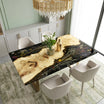
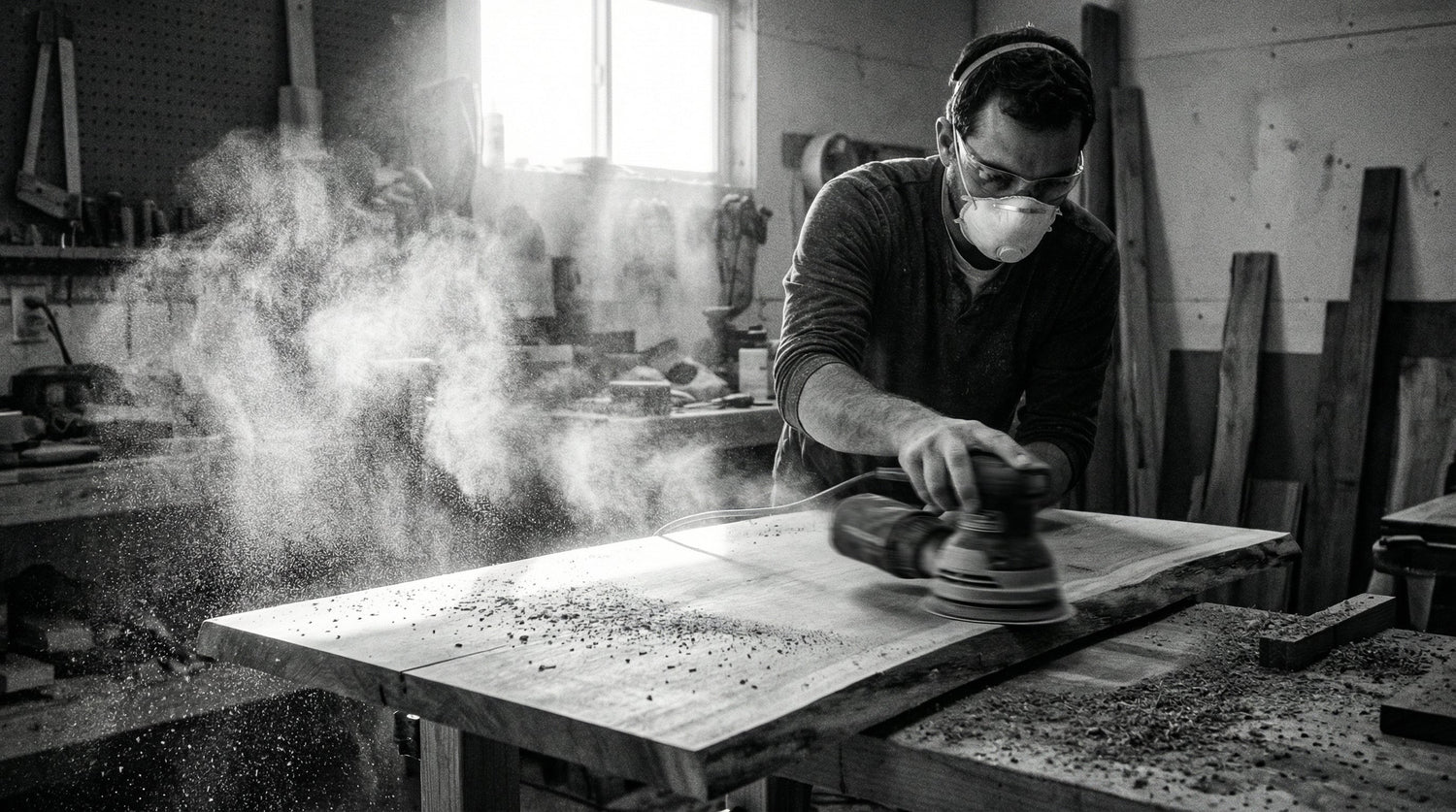
The Finish: The Grits of Glory Here is the true secret of the luxury finish. A factory-made table might be sanded to 220 grit and then sprayed with a thick lacquer to hide imperfections. It looks shiny in the photo, but it feels like plastic. Our artisans take a different path. We sand. And then we sand again.
The Leveling: We flatten the cured slab using a CNC router for perfect planarity.
The Progression: We hand-sand through a grueling schedule: 80, 100, 120, 150, 180, 220, 320, 400, 600, 800, 1000, 1200, 1500, 2000, 2500, and finally 3000 grit.
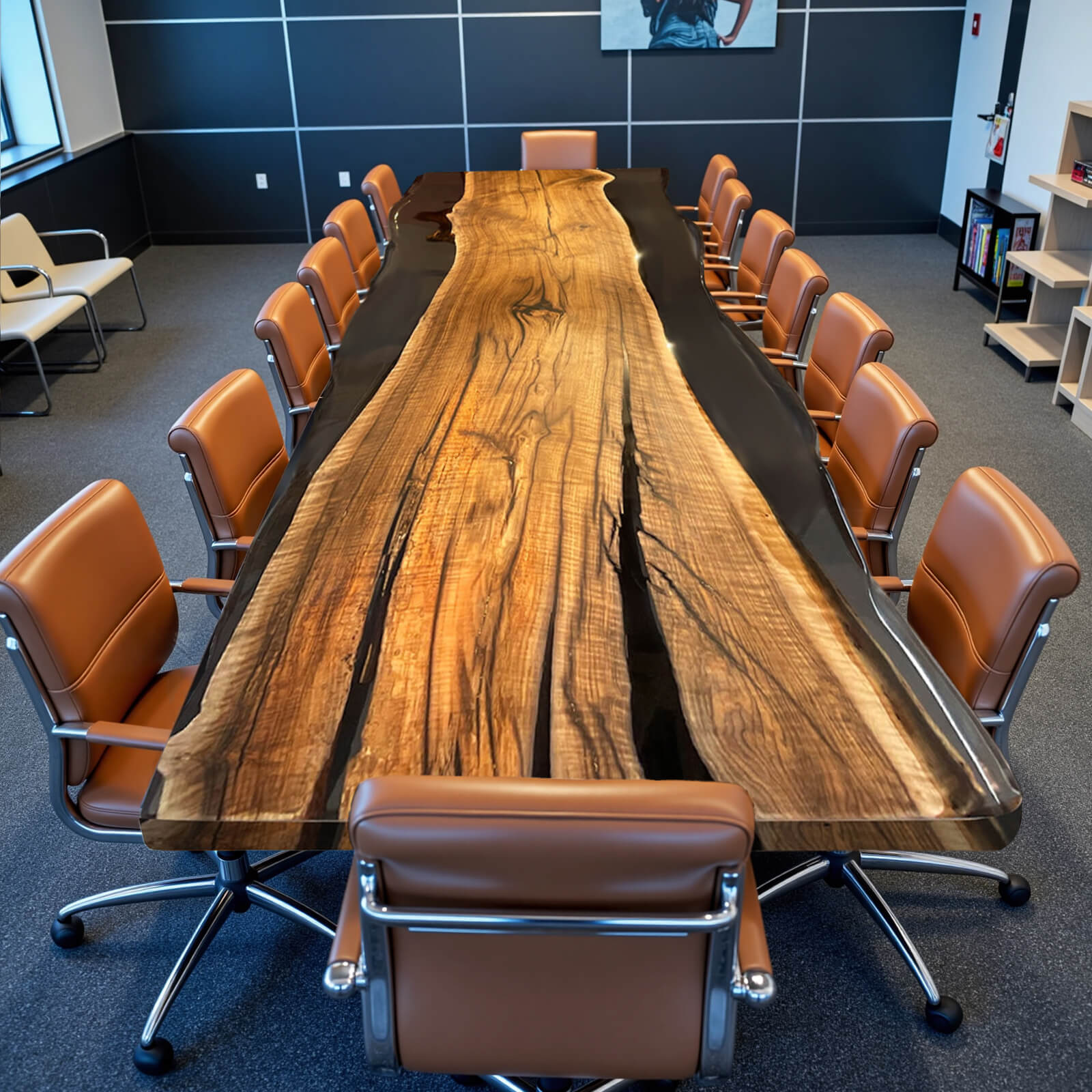
The Result: By mechanically polishing the surface to such a fine degree, the shine you see is the actual material, not a cheap topcoat. It feels like warm, satin glass. It begs to be touched.
Investing in the Story When you commission a piece from us, you are not buying a SKU number. You are patronizing a team of craftspeople who know the grain of your specific tree. You are supporting a supply chain that values sustainable harvesting and non-toxic chemistry. "Slow Furniture" is not about being slow for the sake of it. It is about taking the time required to create something that time itself cannot destroy.