









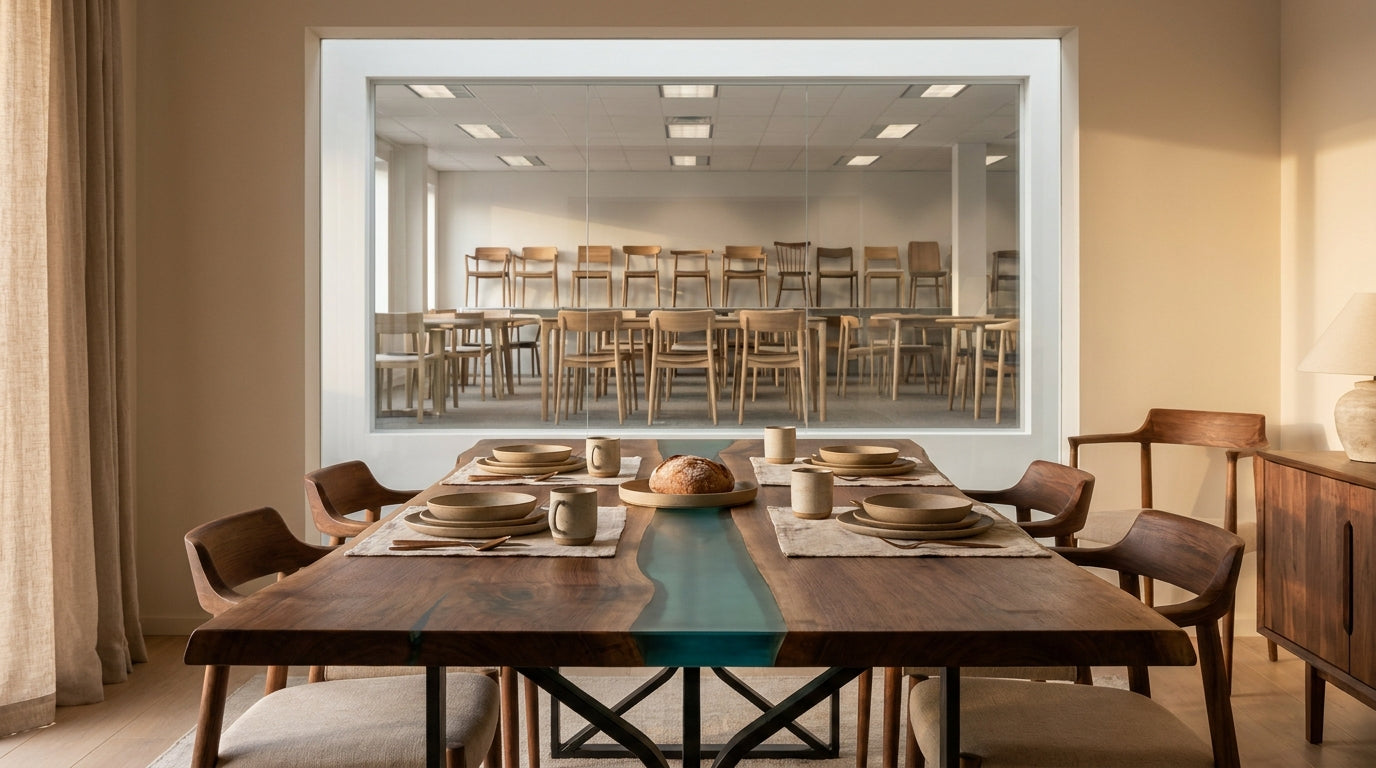
The Hidden Cost Behind Furniture That Looks the Same

Buying furniture has never been easier.
With a few clicks, homeowners can order a dining table, coffee table, or bookshelf and have it delivered within days.
Mass-produced furniture has made home design more accessible than ever. It offers convenience, predictable pricing, and endless availability.
But there is a hidden cost that many homeowners begin to notice only after living with these pieces for years:
A home filled with identical furniture can start to feel like everyone else’s home.
The modern furniture conversation is changing. Instead of asking only:
“How much does this cost?”
Many consumers are asking:
“What does this piece add to my life?”
This shift is driving interest in custom furniture, sustainable furniture, and timeless design.
In 2026, luxury is no longer simply about owning expensive objects.
It is about owning meaningful ones.
The Difference Between Cheap Furniture and Affordable Furniture
Not all affordable furniture is bad.
The problem is not price.
The problem is replacement culture.
Many mass-produced furniture pieces are designed around:
· quick manufacturing
· standardized materials
· short-term trends
· easy replacement
This approach works well for temporary needs.
A first apartment.
A rental home.
A short-term solution.
But furniture plays a much bigger role when people begin creating a permanent home.
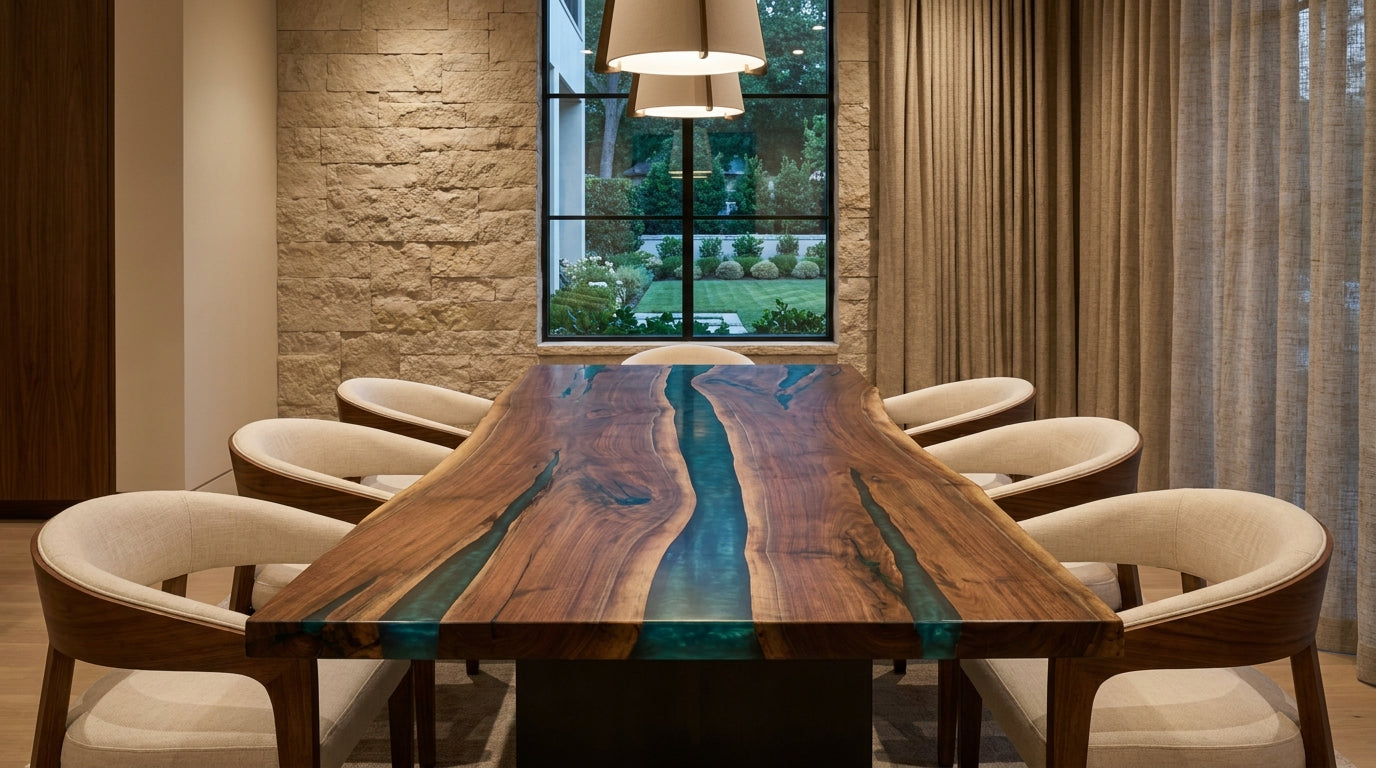
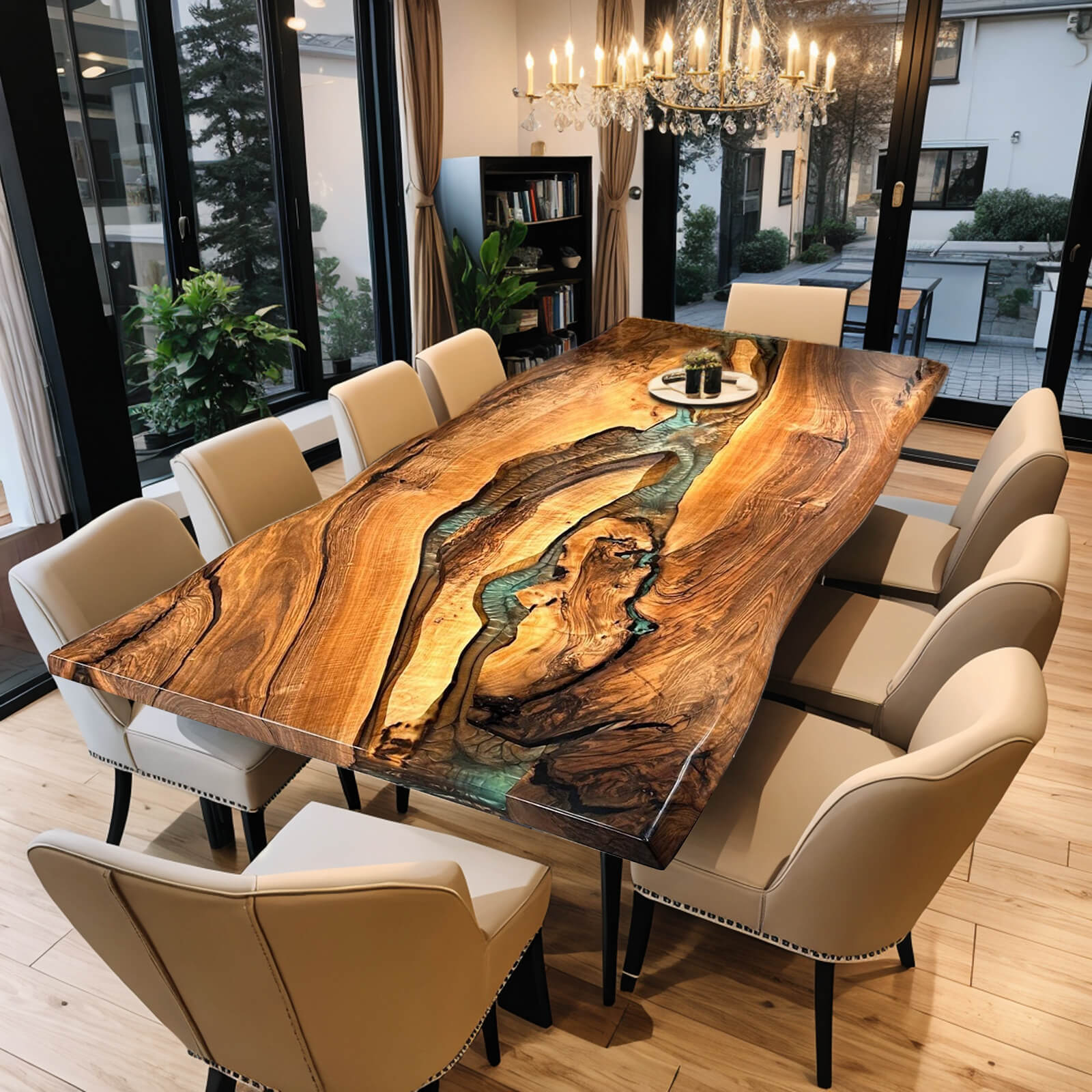
A dining table is not just a surface where people eat.
It becomes where families celebrate holidays.
Where conversations happen.
Where memories accumulate.
The difference between ordinary furniture and meaningful furniture is often not the appearance when it is new.
The difference appears years later.
Why Mass-Produced Furniture Creates Identical Homes
One of the biggest changes in modern interior design is the desire for individuality.
For years, many homes followed the same formula:
· the same neutral sofa
· the same coffee table
· the same wall decor
· the same showroom-inspired layout
· Social media accelerated this trend.
Platforms like Pinterest and Instagram introduced millions of people to beautiful interiors, but they also created a challenge:
When everyone follows the same inspiration, every home can begin to look similar.
This is why personalized interiors are becoming more important.
Homeowners increasingly want spaces that reflect:
· their experiences
· their personality
· their values
A truly personal home cannot be completely designed from a catalog.
What People Lose When Everything Is Mass Produced
1. Individual Character
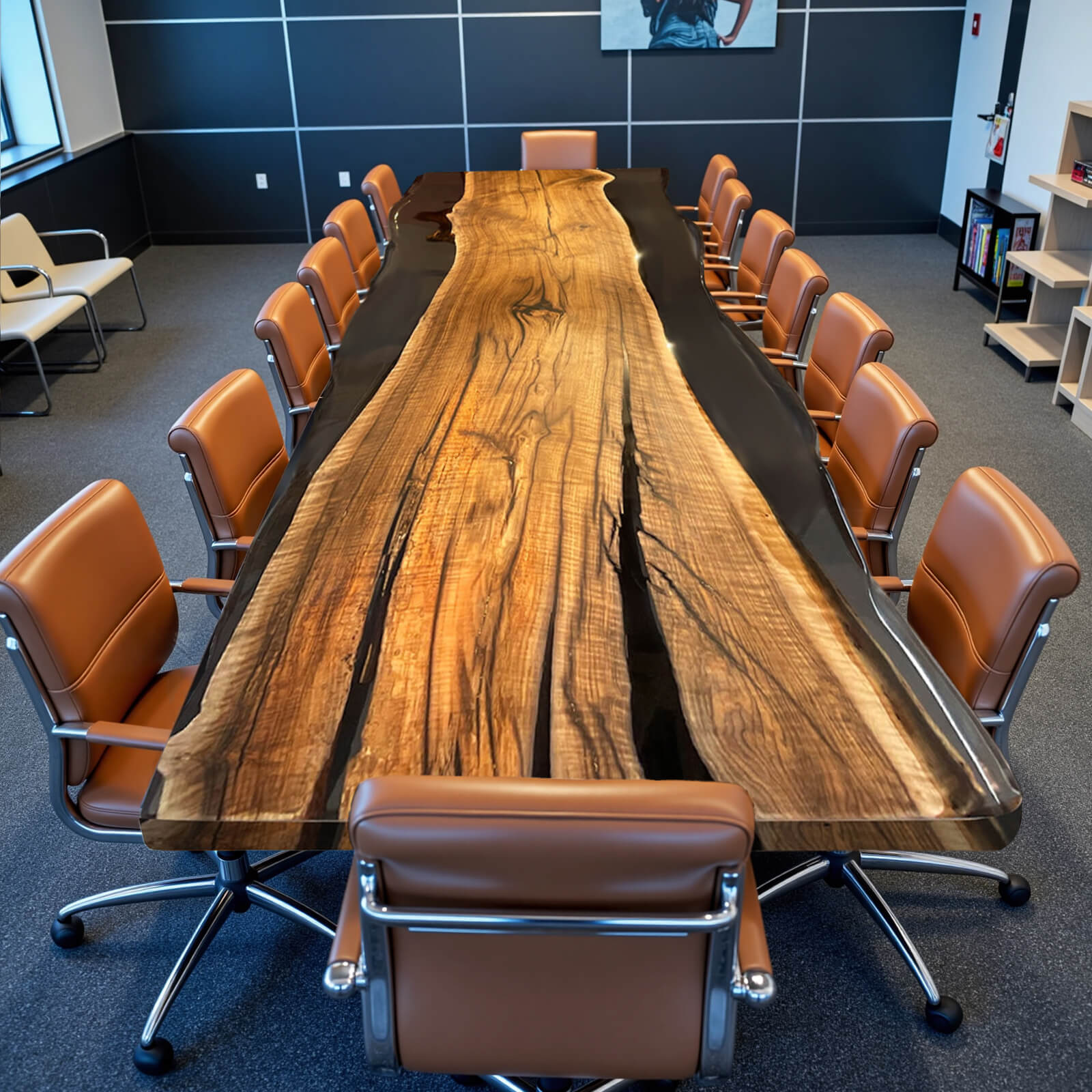
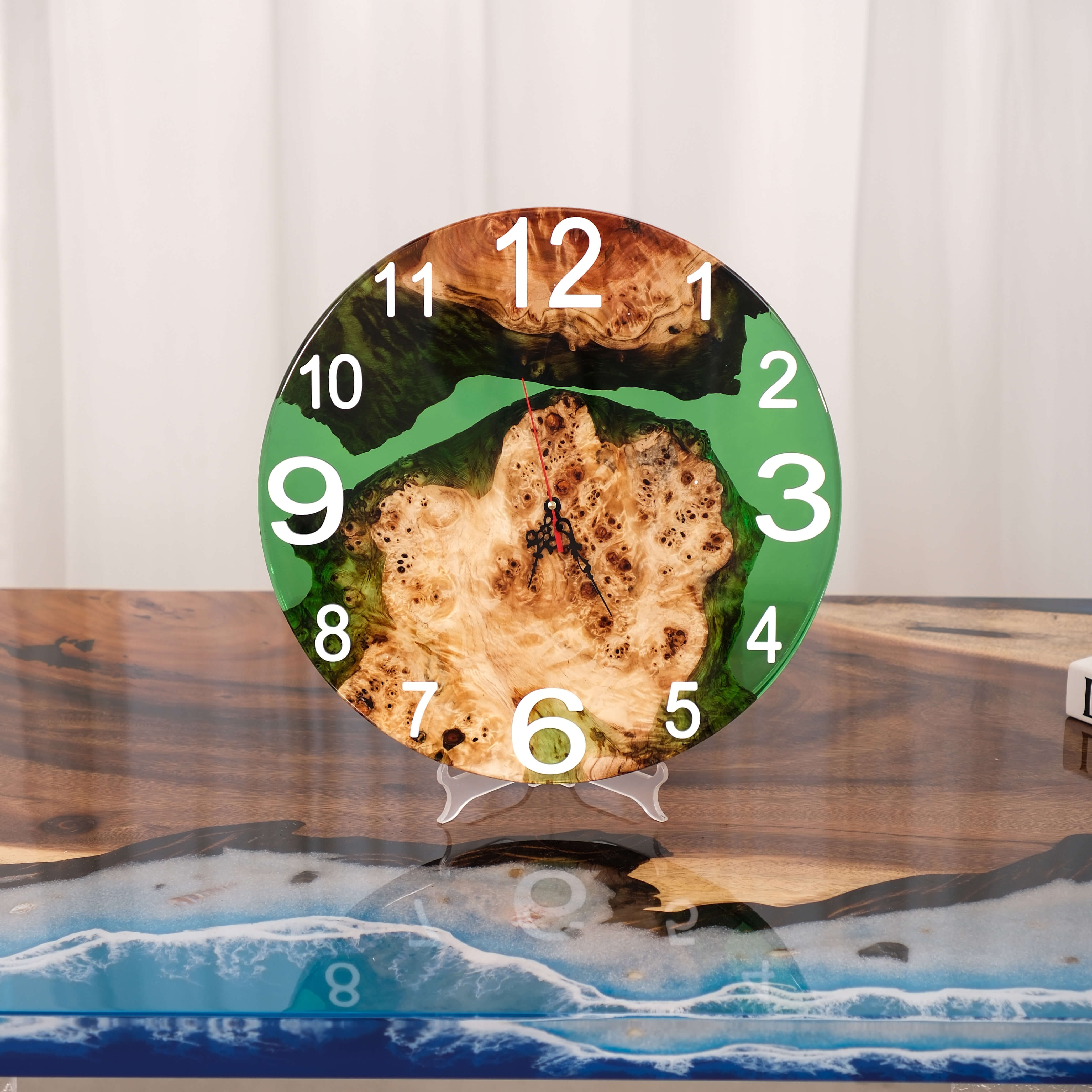
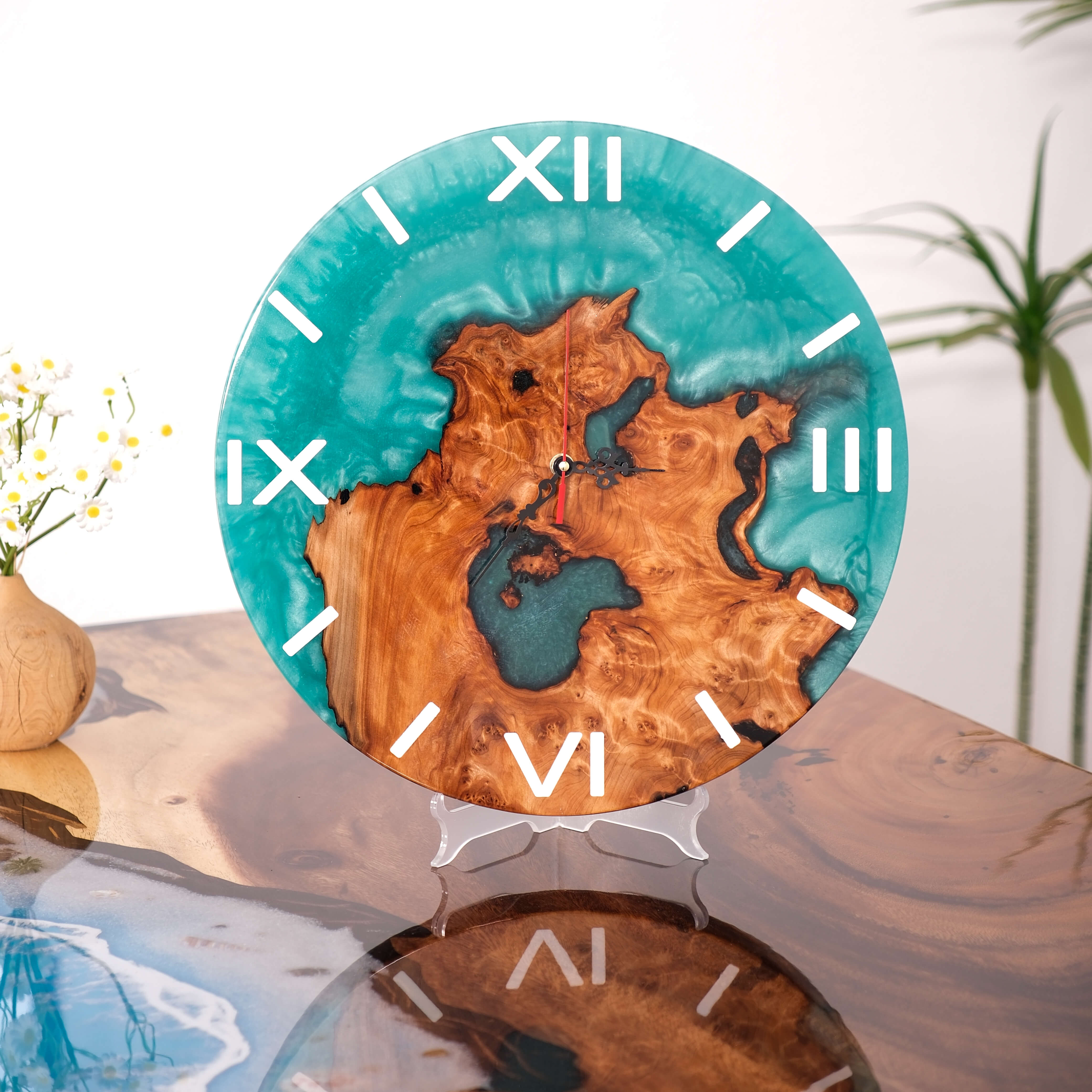
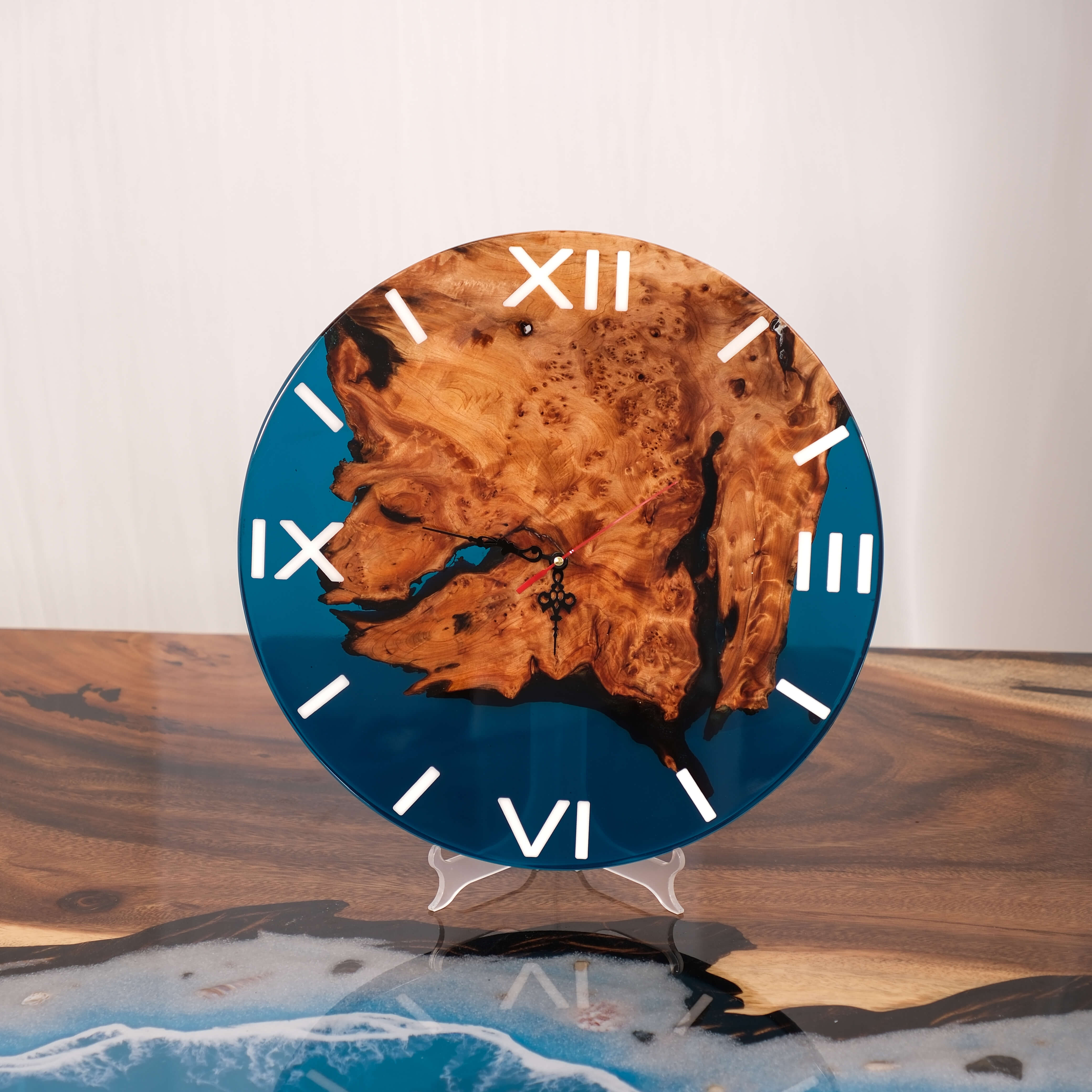
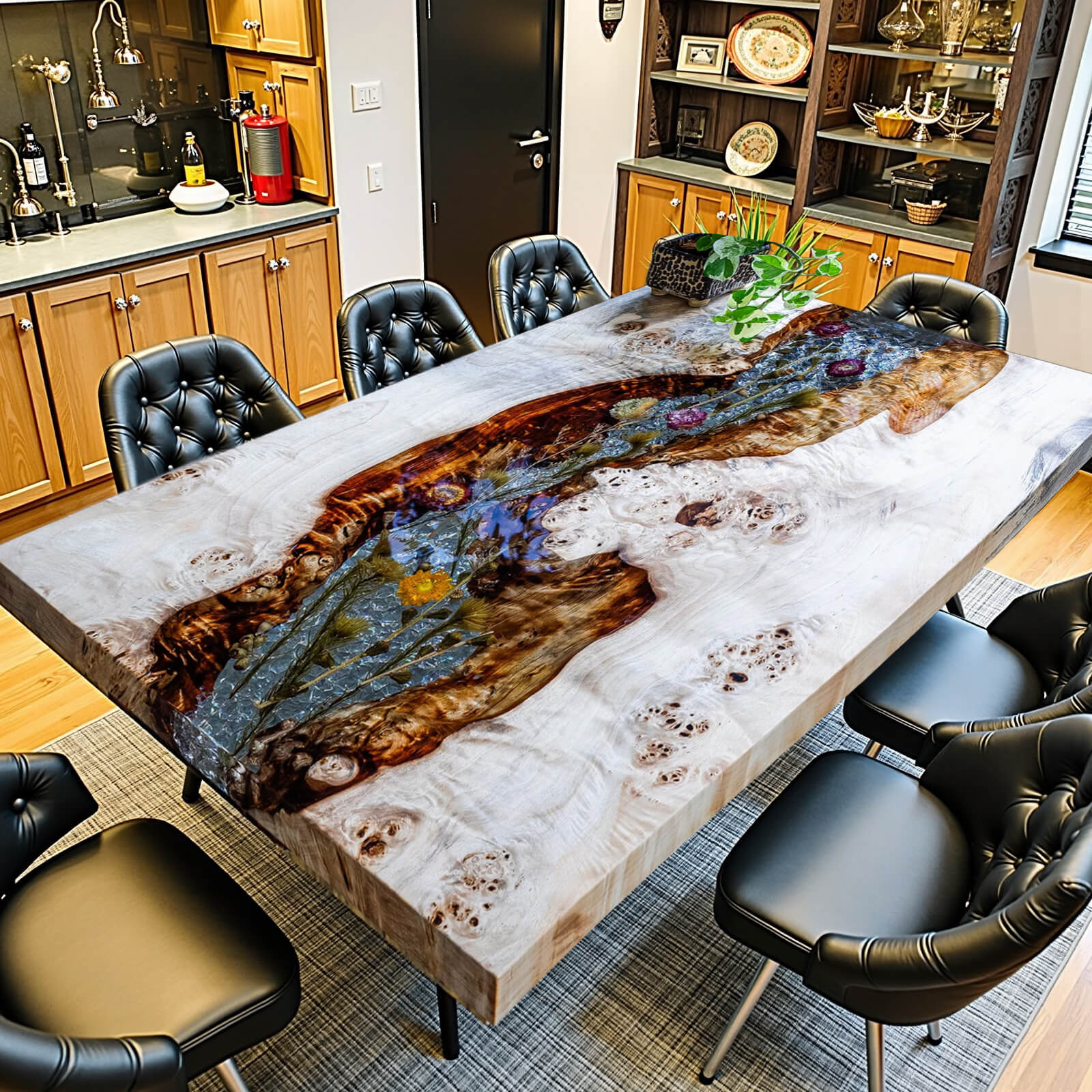
Every natural wood slab tells a different story.
The grain direction.
The color variation.
The natural marks.
The unique patterns.
These details create character.
A factory-produced surface is designed to be consistent.
A handcrafted wood surface is valuable because it is impossible to perfectly repeat.
This is one reason natural materials continue gaining attention in modern interior design.
Wood does not try to hide its history.
It displays it.
2. Emotional Connection
People form stronger connections with objects that have meaning.
A handmade table creates a different feeling compared with a product selected from thousands of identical options.
There is a story behind it:
Where did the material come from?
Who created it?
How many hours went into making it?
This emotional connection is becoming a major part of modern luxury.
Consumers are moving toward slow living, a lifestyle philosophy focused on intentional choices, quality experiences, and fewer but better possessions.
3. Long-Term Value
The cheapest option is not always the most affordable option.
A low-cost table may need replacement after several years.
A well-crafted piece can become part of a home for decades.
This is the idea behind the growing buy once, buy better mindset.
Instead of constantly replacing furniture based on trends, many homeowners are investing in pieces that maintain meaning over time.
Why Custom Furniture Is Becoming the New Personal Luxury

Luxury used to mean owning something rare because few people could afford it.
Today, luxury increasingly means owning something rare because it cannot be duplicated.
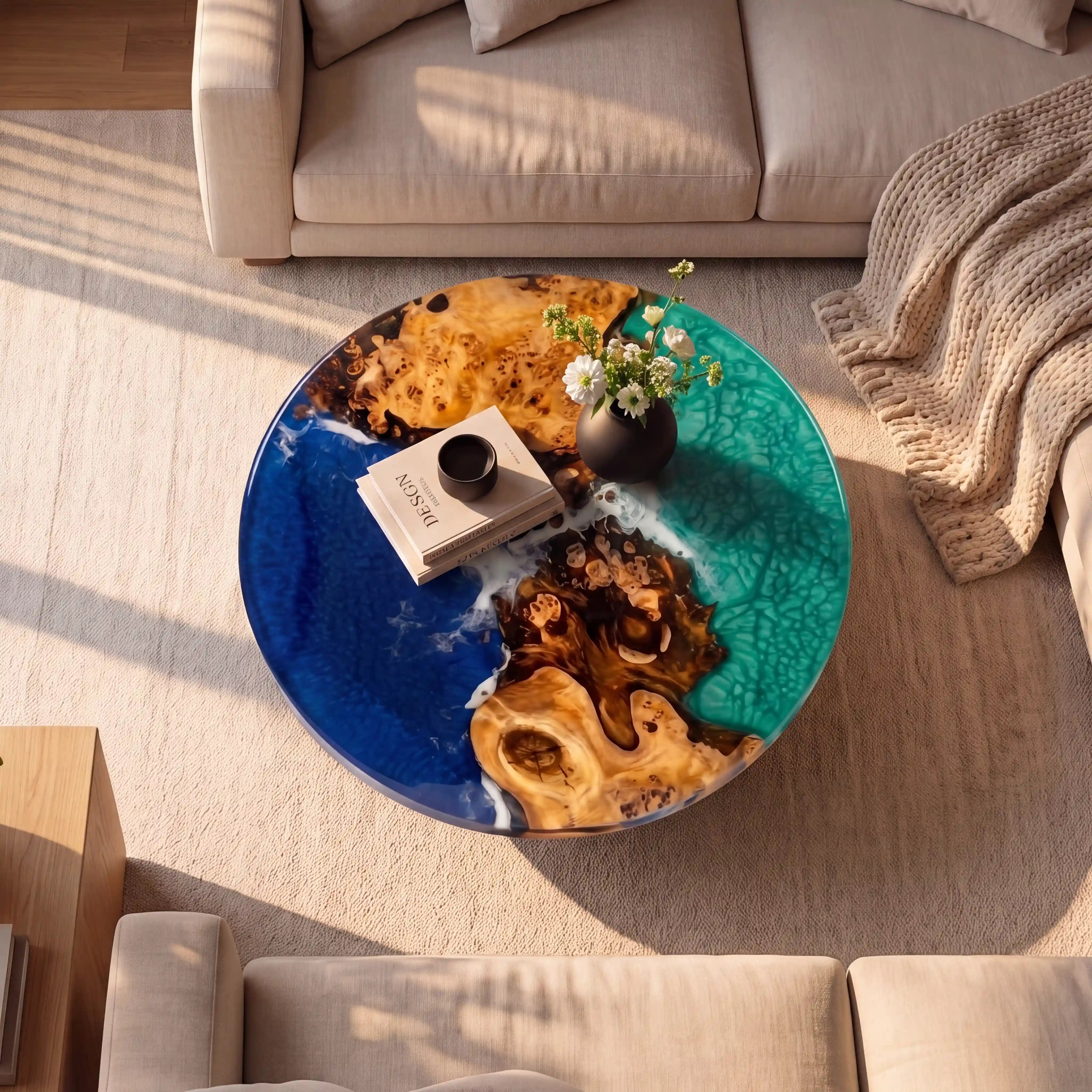
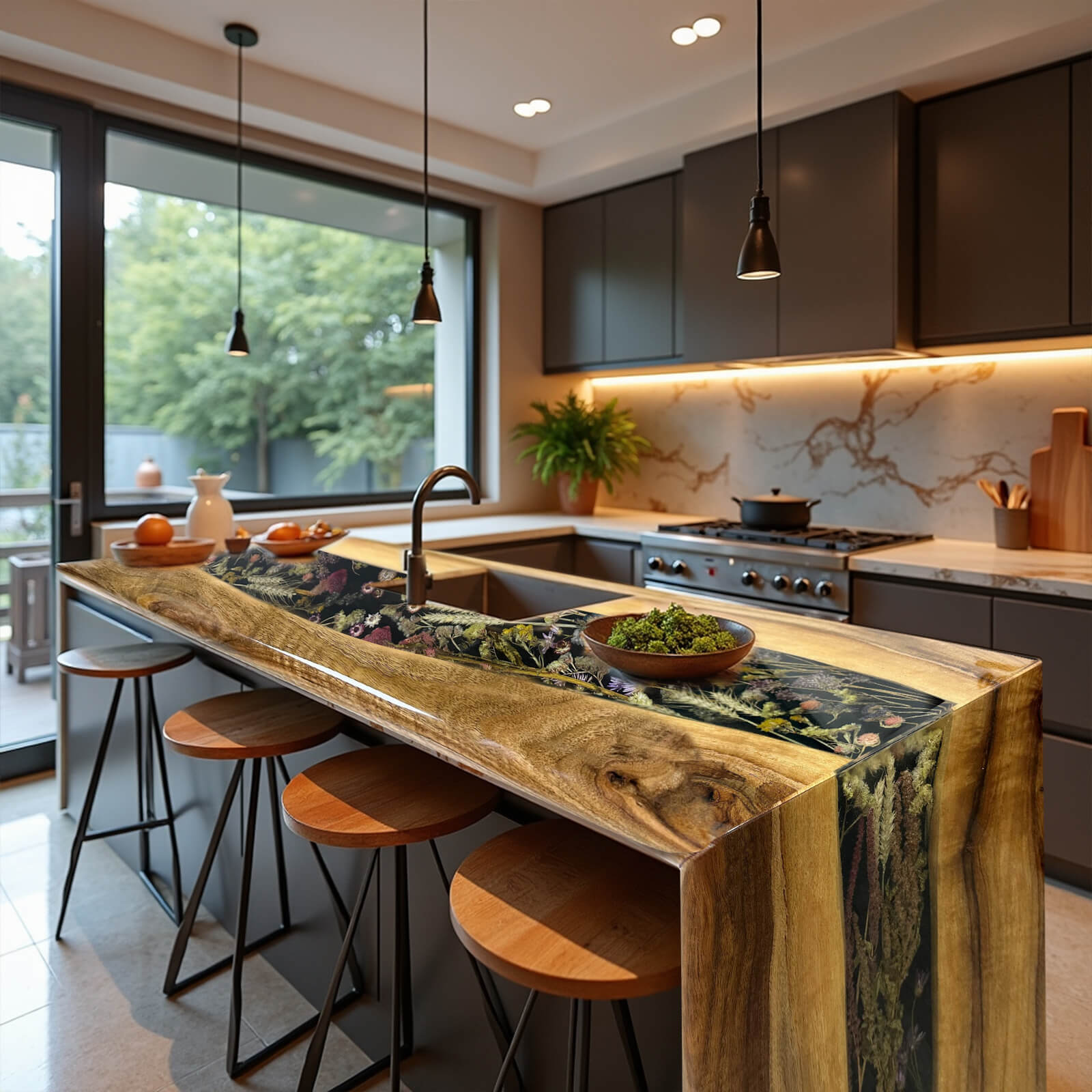
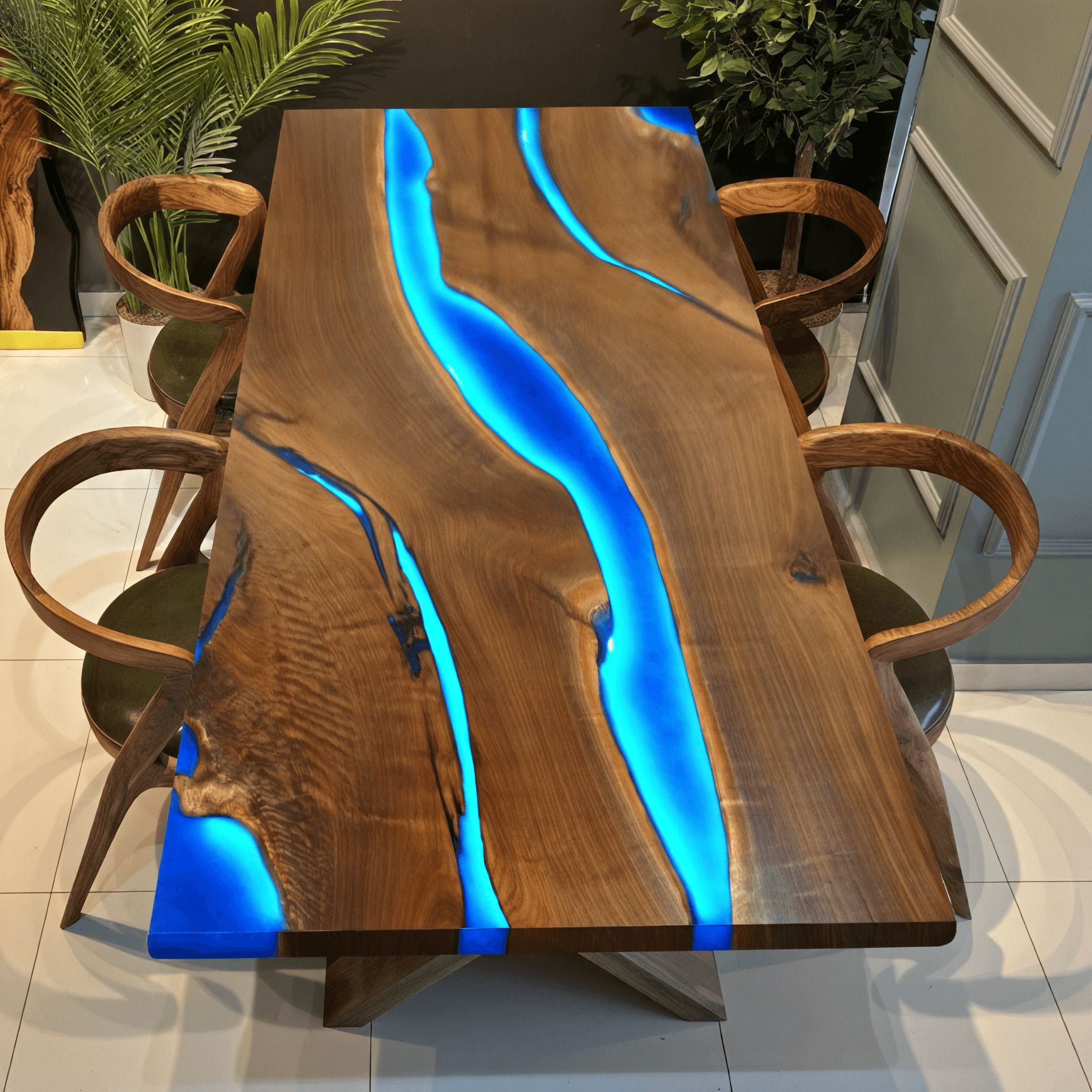
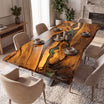
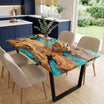
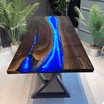
A custom epoxy table represents this new definition.
The value is not only in:
· the wood
· the resin
· the size
· the finish
The value comes from the combination of material selection, craftsmanship, and personal customization.
Two tables may use the same type of walnut, but they will never be identical.
That uniqueness creates a relationship between the furniture and the homeowner.
The Rise of Statement Furniture
Modern homes are becoming less focused on filling every corner.
Instead, designers are emphasizing fewer but more meaningful pieces.
This trend is often described as statement furniture.
A statement piece does not simply match the room.
It defines the room.
A custom dining table can become the visual center of a home because it combines:
· artistic expression
· natural beauty
· practical function
This is especially important as homes become more multifunctional.
Dining areas are now:
· family gathering spaces
· work areas
· entertainment zones
· social environments
Furniture must carry more emotional and functional value than before.
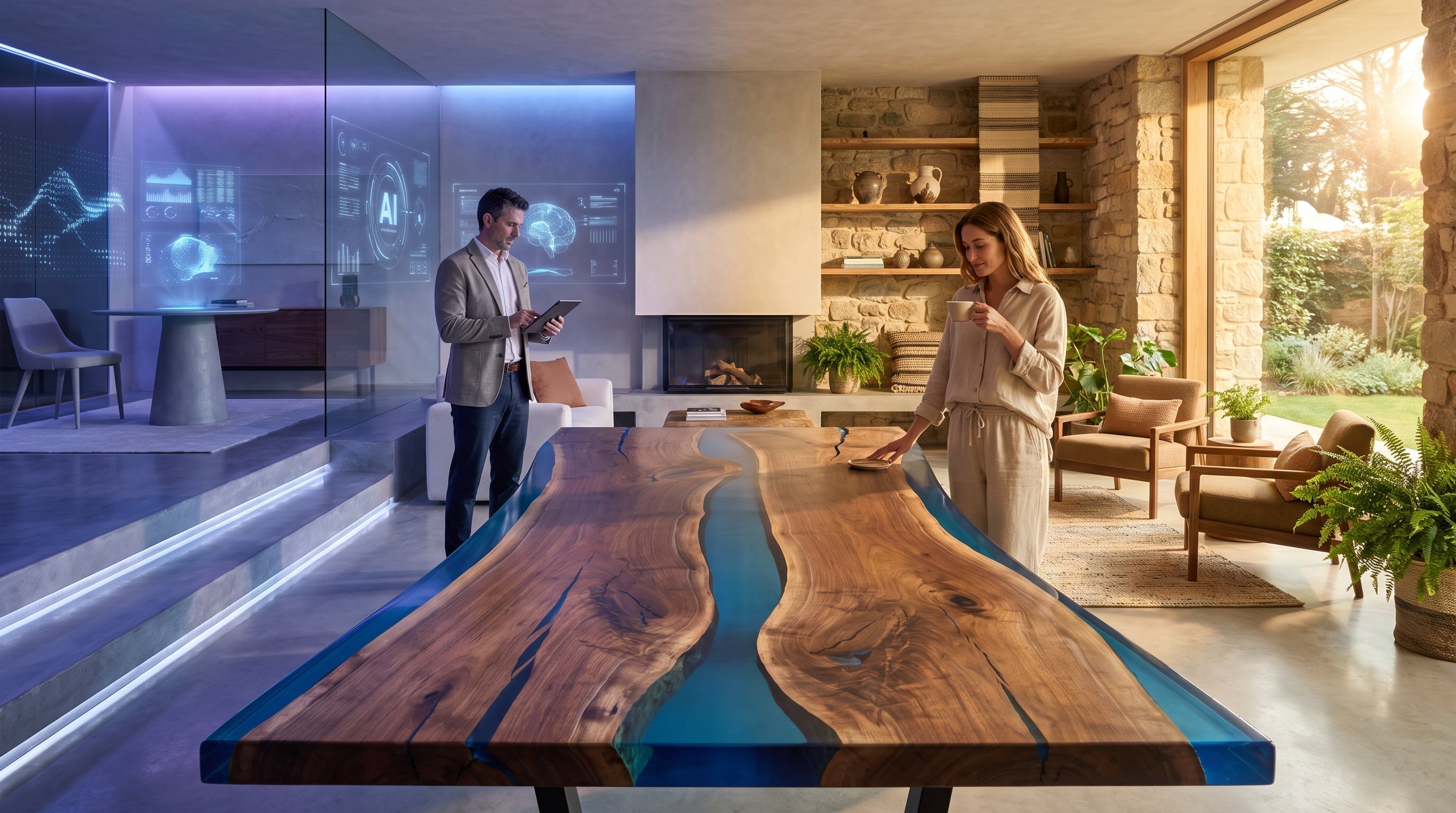
Technology Made Furniture Easier. Human Craft Makes It Valuable.
Technology has transformed the way people shop.
Today, AI interior design tools can instantly create room concepts, recommend colors, and generate furniture layouts.
These tools are powerful.
But they also highlight something important:
When digital designs become unlimited, real-world craftsmanship becomes more valuable.
AI can create an image of a beautiful wooden table.
But it cannot create the actual grain patterns formed by decades of natural growth.
It cannot replace the human decisions behind selecting, shaping, and finishing a piece of furniture.
The future of interiors will not be technology versus craftsmanship.
It will be technology combined with authentic human-made objects.
Choosing Furniture That Represents Your Home
A home should not feel like a showroom.
It should feel like a reflection of the people living inside it.
The furniture we choose communicates something:
Our taste.
Our priorities.
Our lifestyle.
Mass-produced furniture provides convenience.
Custom furniture provides connection.
That difference is becoming increasingly important as homeowners search for more meaningful spaces.
The future of furniture is not about owning more.
It is about choosing better.
Final
A handcrafted table is more than a piece of furniture — it is a lasting part of your home’s story.