







I. The Great Material Awakening: Beyond Sterile Minimalism
As we navigate the 64th edition of the Salone del Mobile.Milano in April 2026, the global design community has reached a consensus: the era of "Gallery White" sterile minimalism is over. The communication campaign for this year, titled "A Matter of Salone," explicitly identifies matter not just as a physical substance, but as an "origin, a memory, and a possibility to be activated". This shift marks a return to tactile authenticity, where the value of a piece is no longer found in its industrial perfection, but in its material narrative.
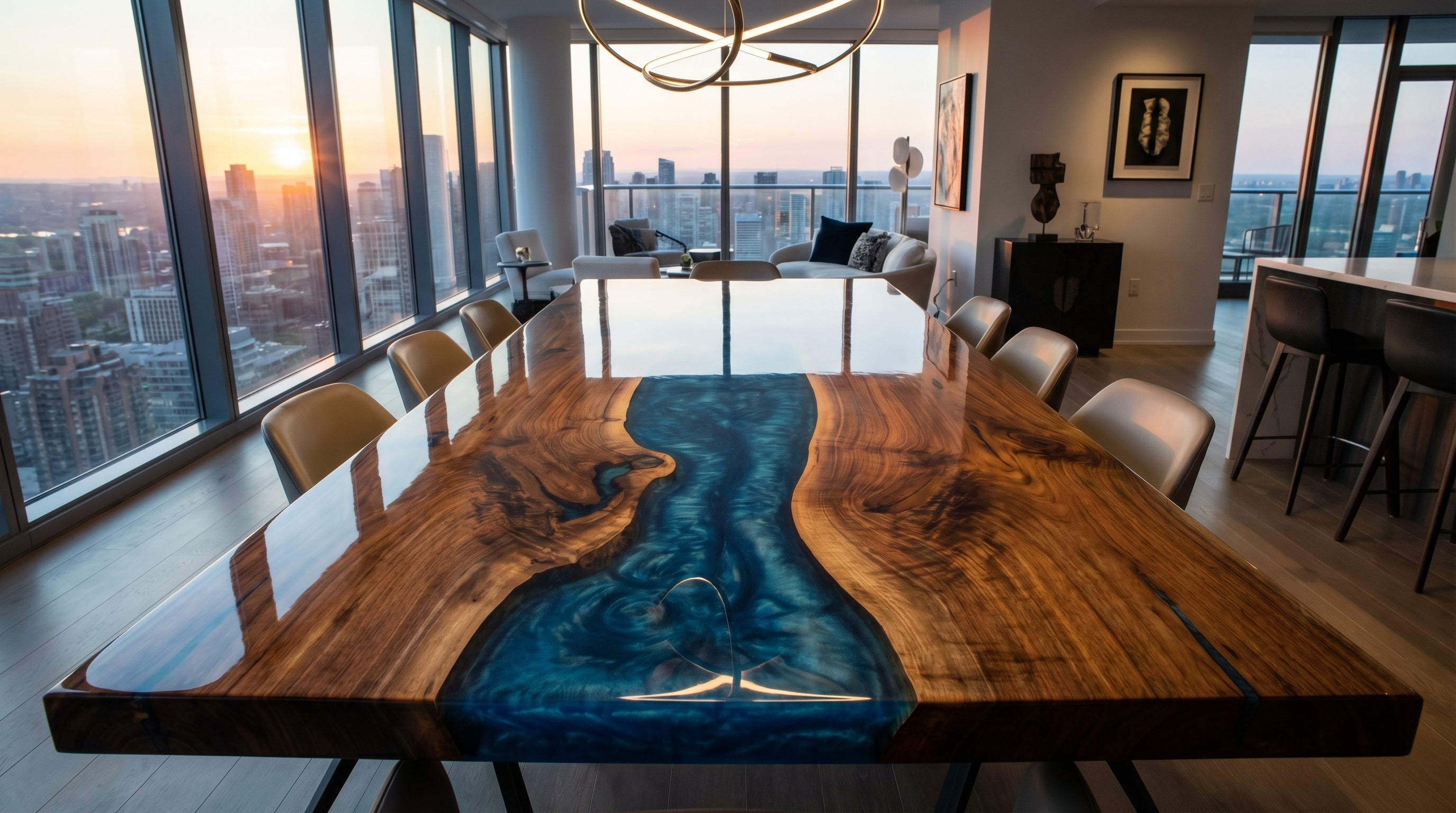
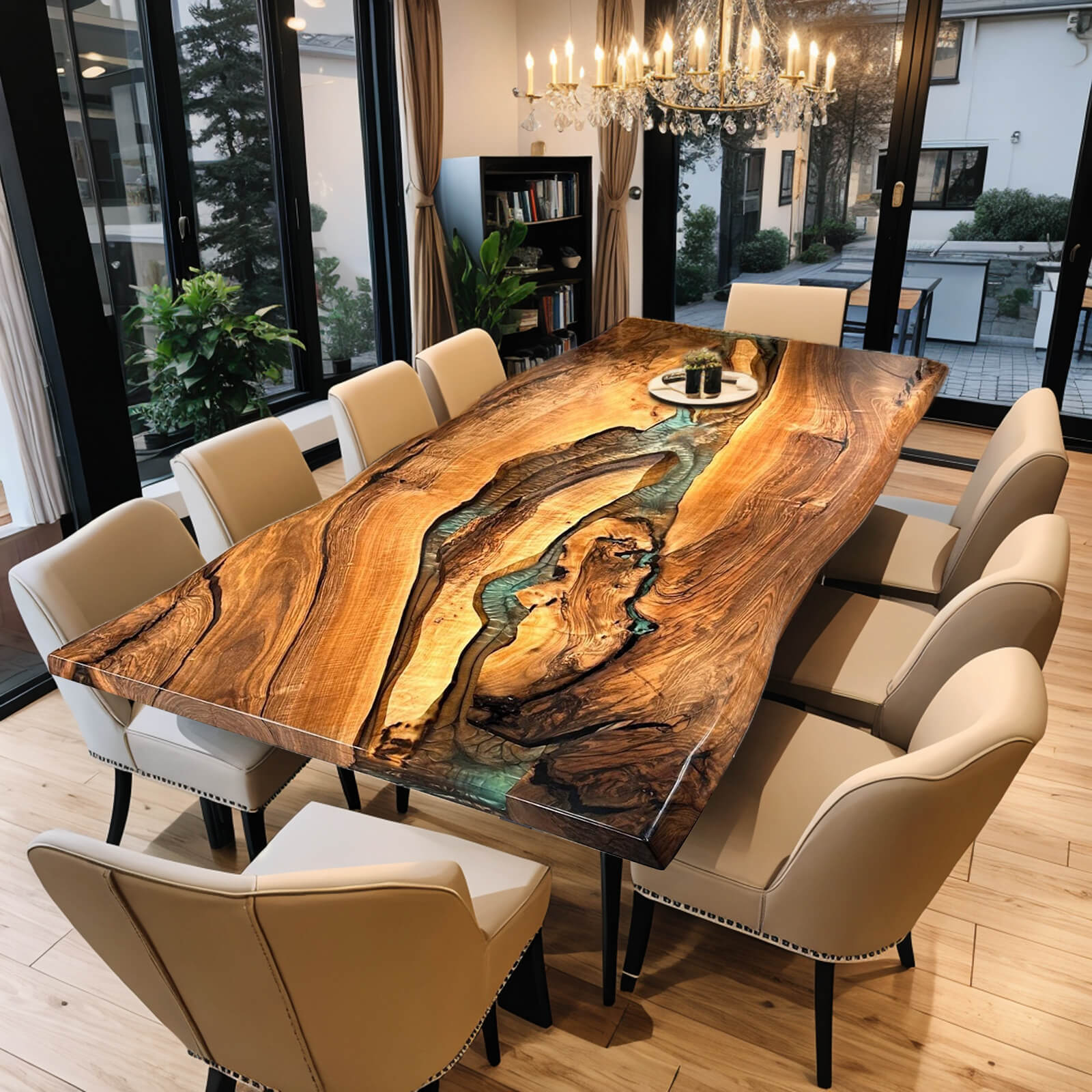
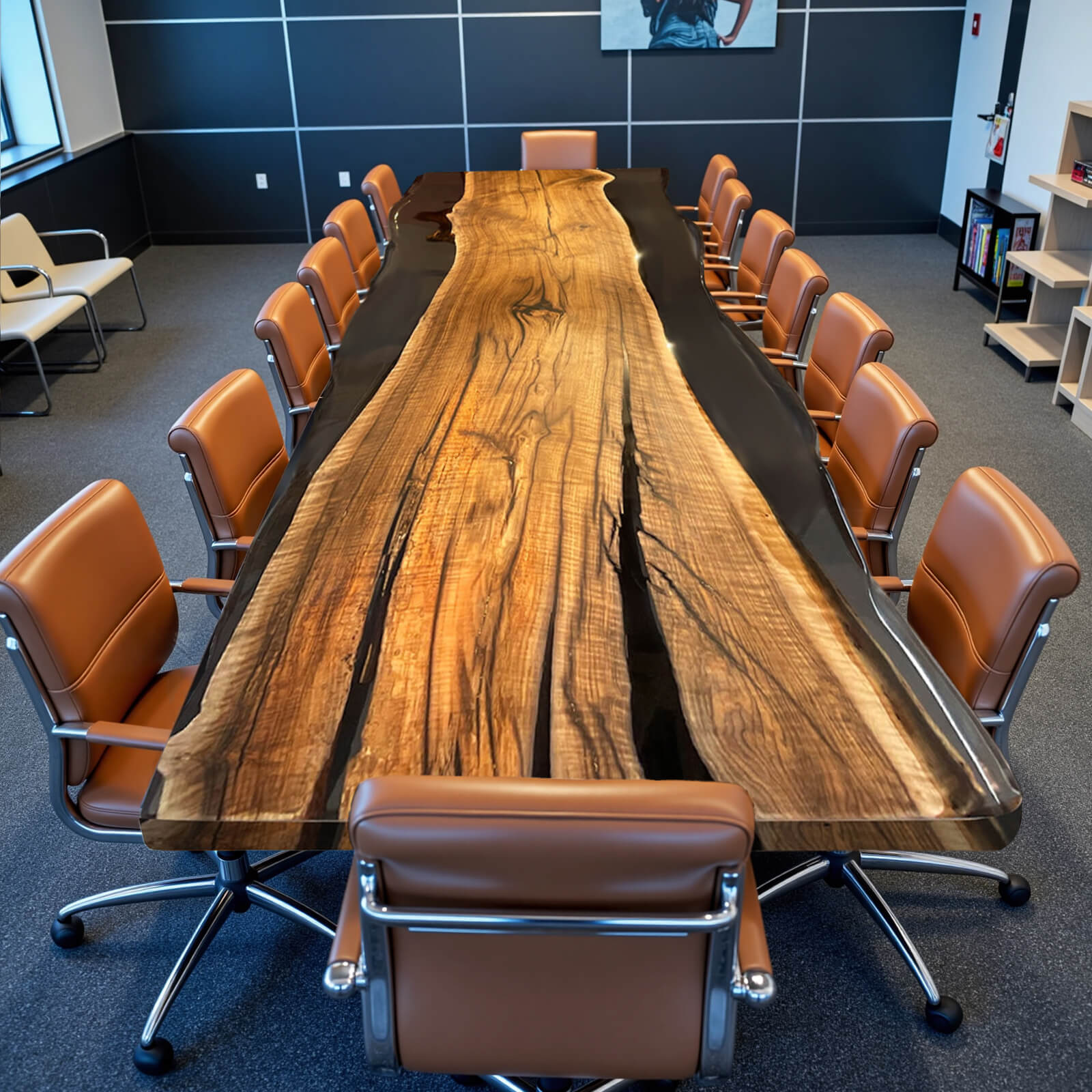
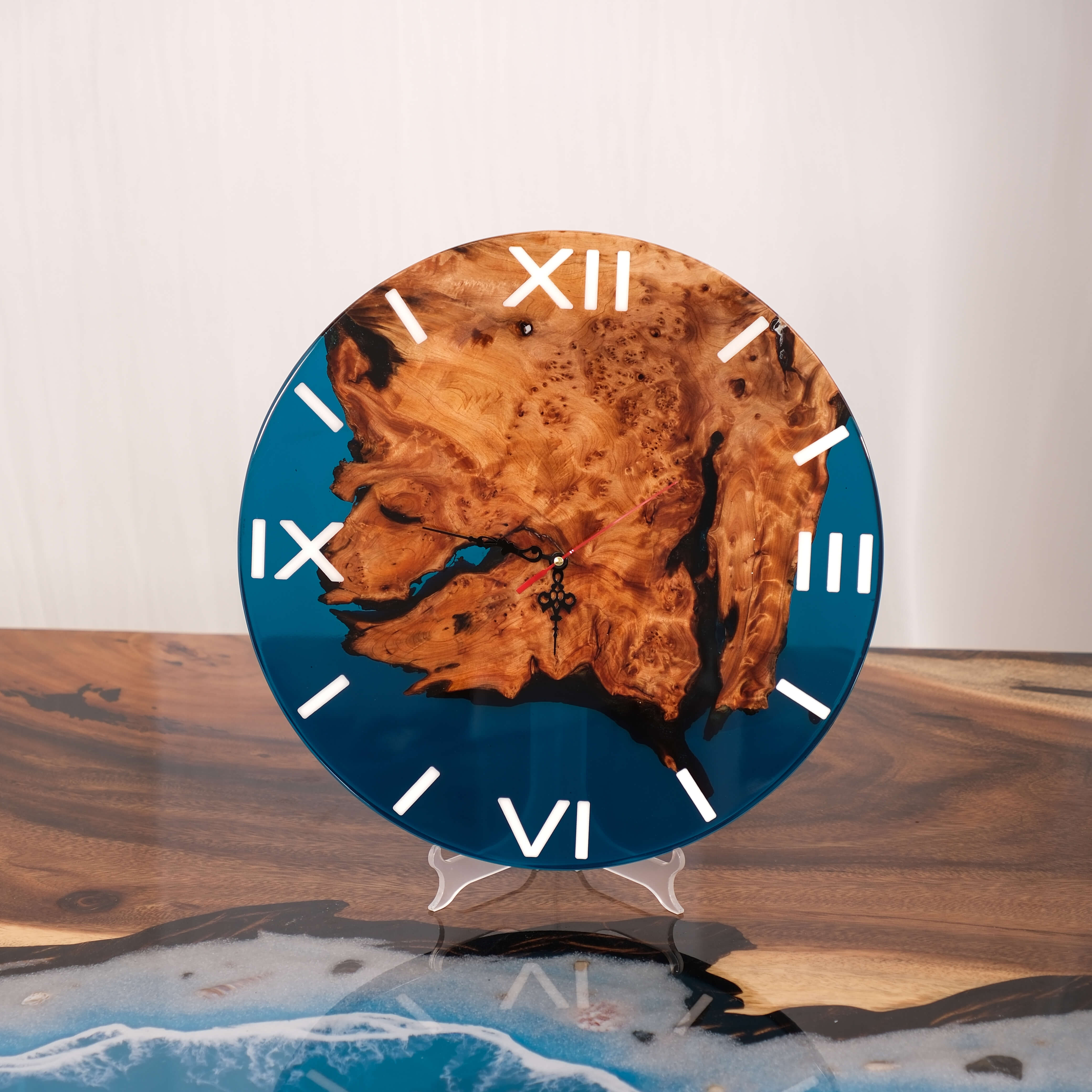
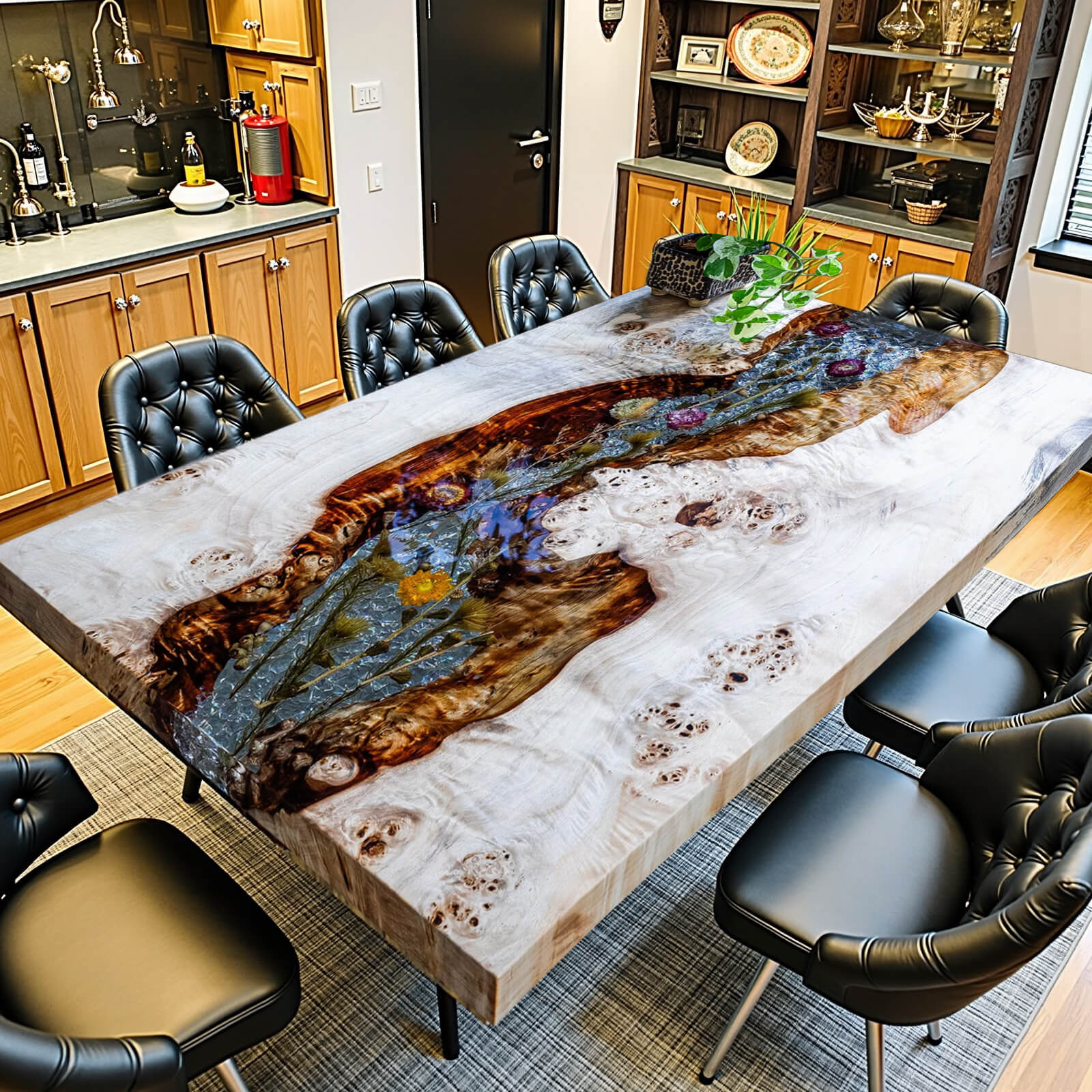
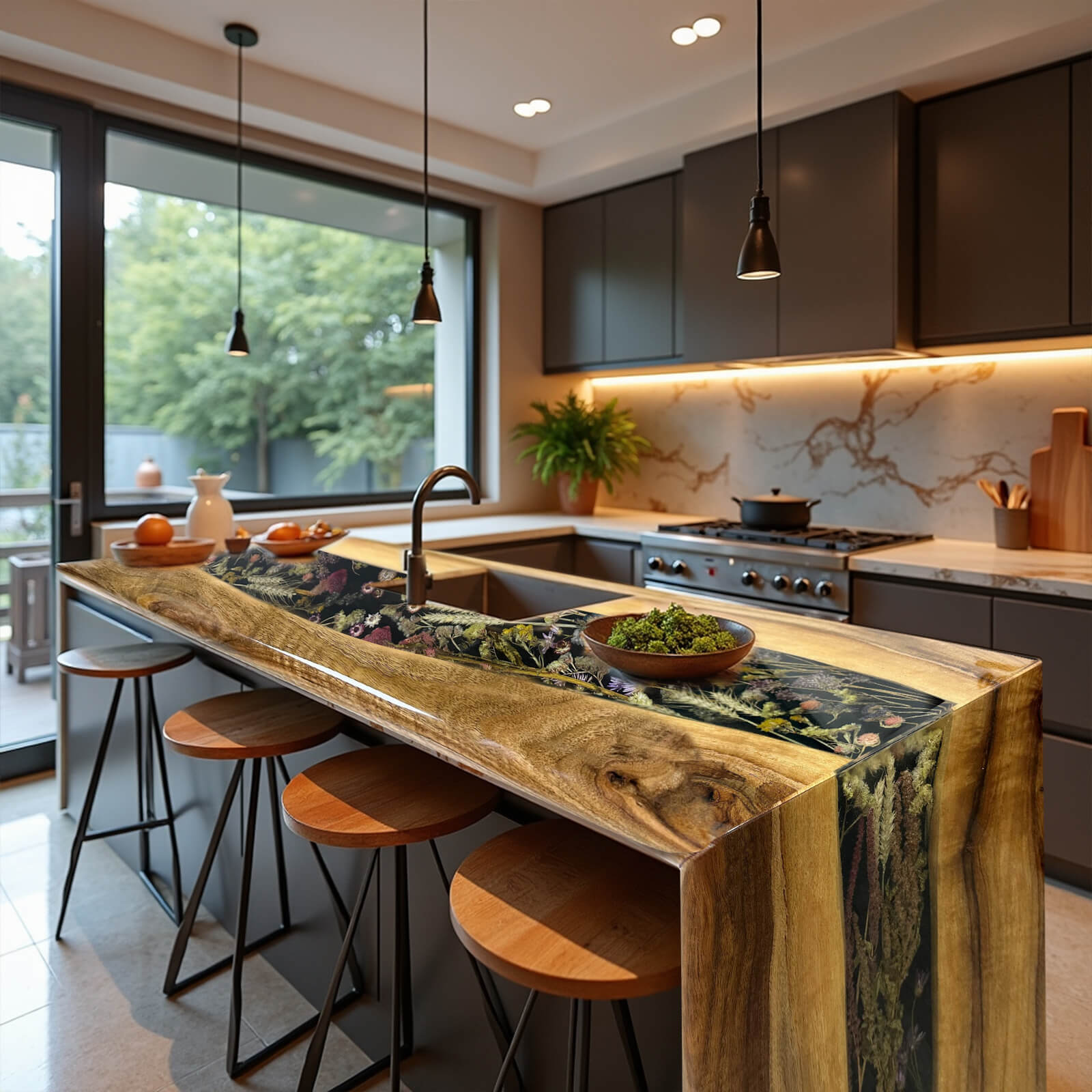
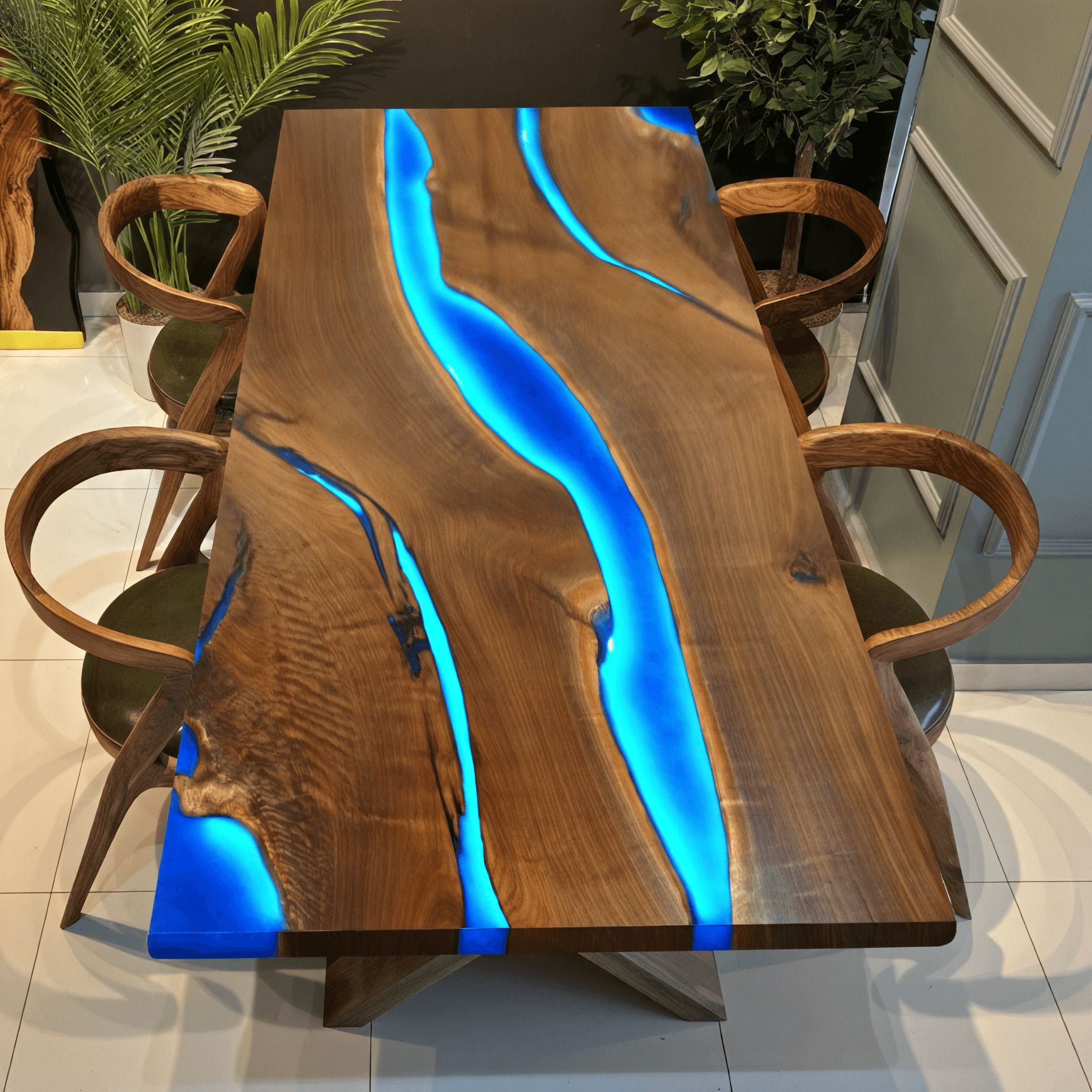
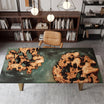
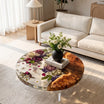
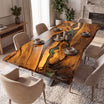
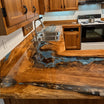
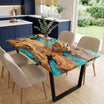
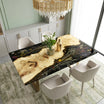
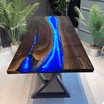
In this context, a new hierarchy of luxury has emerged. While the previous decade prized flawless, homogenized surfaces, 2026 defines the "Top Luxury" through the lens of Fractal Patterns—the repeating, complex geometries found in natural wood grain, burls, and live edges.
II. The Neuroscience of Fractal Fluency
Why are high-net-worth individuals (HNWIs) in London, New York, and Milan suddenly obsessed with "imperfect" timber? The answer lies in Fractal Fluency. Research led by Professor Richard Taylor at the University of Oregon suggests that the human visual system has evolved over 600 million years to process the specific geometric language of nature.
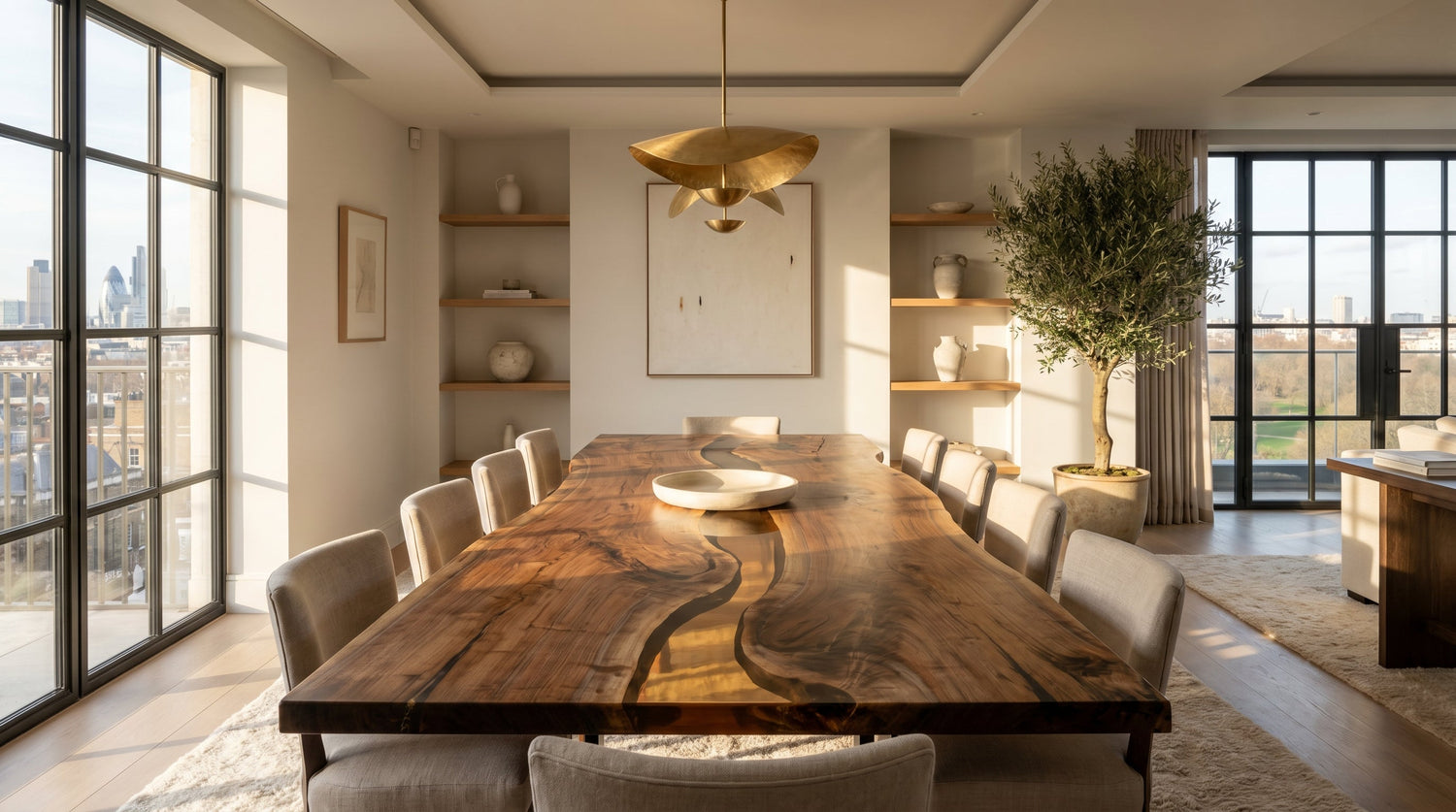
Fractals are patterns that repeat at different scales—from the branching of an ancient oak to the intricate veins of a leaf. Taylor’s "Fractal Fluency" model declares that our brains are "hard-wired" to recognize these patterns. When our eyes scan a solid wood table with high visual complexity, it triggers a physiological resonance that can reduce stress levels by up to 60%. In a world dominated by "visually loud" digital stimuli, these natural patterns offer a "brain reset" that a simple digital detox cannot provide.

III. The D-Value: Measuring the Soul of a Slab
At Create A Table, we have integrated this scientific approach into our sourcing. We utilize a mathematical parameter called the D-value (Fractal Dimension) to quantify the complexity of our wood slabs. The most prevalent fractals in nature fall into a "mid-D value" range—patterns that are complex enough to engage the brain but organized enough to be relaxing.
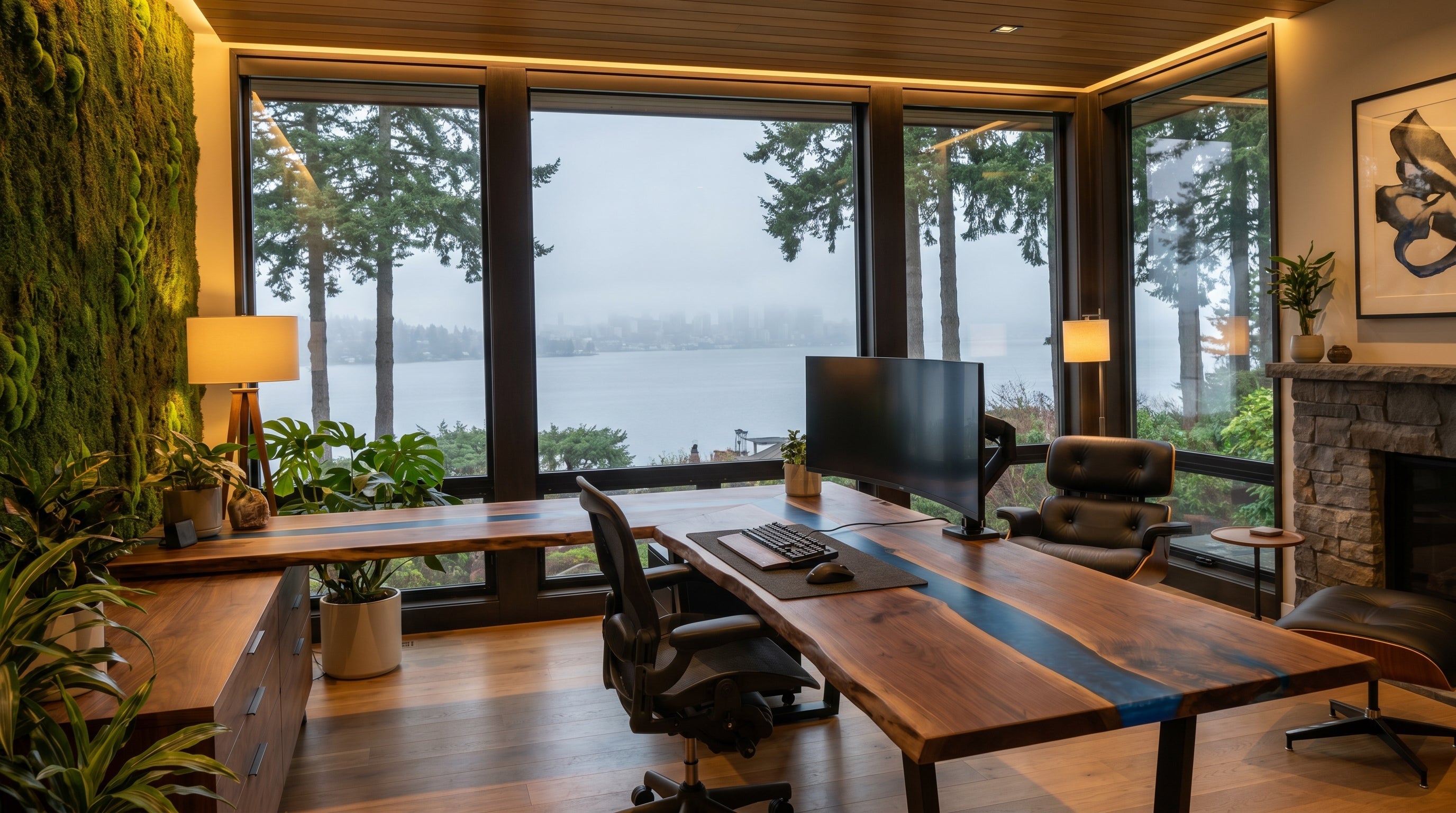
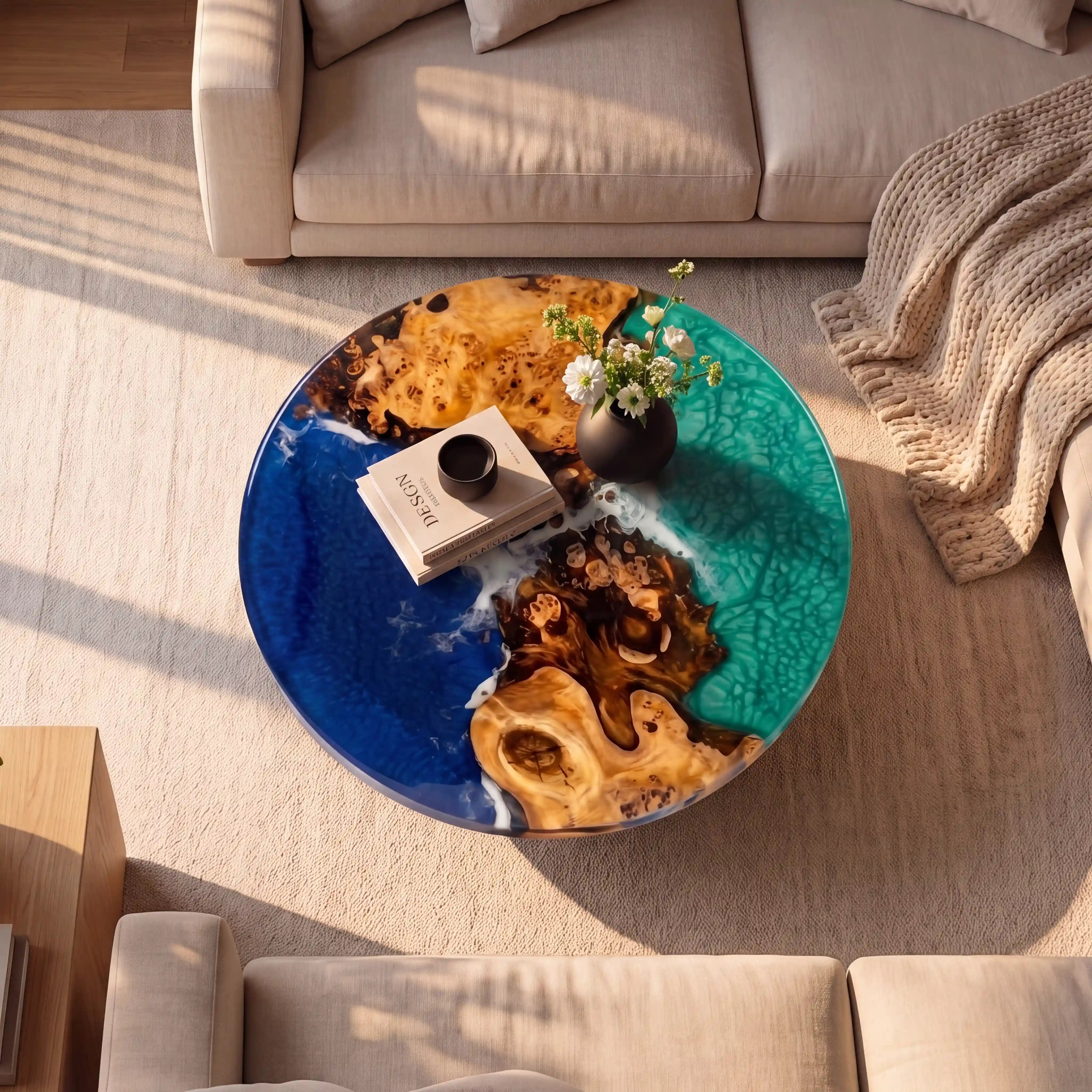
The 2026 luxury buyer in Zurich or Manhattan is no longer just buying "a table"; they are commissioning a neuro-aesthetic instrument. They are seeking "Material Honesty"—the visible joinery, the layered panels, and the textured surfaces that "trick our brains into a state of relaxed alertness". This is the "Bio-inspired" evolution of luxury, where the imperfections—the knots and the lighting-strike cracks—are the most prized features.
IV. Regional Context: The London and Milan Connection
During Clerkenwell Design Week 2026 in London, the theme of "Design Interventions" showcased how large-scale structures and public art are using fractal principles to "renature" urban spaces. For residents of the EC1 district, where creative businesses per square mile are higher than anywhere else on earth, integrating "Tactile Naturalism" into the home is a survival strategy.
The "Rococo Revival" and "Neo Deco" trends seen at High Point Market also emphasize this return to ornamentation—but instead of gold leaf, the ornamentation is the wood grain itself.
V. Conclusion: The Heirloom of the Mind
By 2026, the definition of an heirloom has changed. It is no longer just about durability; it is about "Sensory Comfort" and "Neuro-Inclusion". A table that stabilizes your nervous system every time you sit down for dinner is the ultimate luxury. At Create A Table, we spend 400 hours on a single piece not to make it perfect, but to make it human.