







TL;DR: The 2026 Design Shift
l The End of Grey: The weathered, ashy grey wood tones that dominated the past decade were officially declared dead at the 2026 High Point Market.
l Rise of Quiet Luxury: Consumers and top interior designers are completely abandoning "fast-fashion" furniture in favor of heirloom-quality, sustainable pieces.
l The Dark Walnut Revival: Deep, unapologetic, rich brown walnut has reclaimed its position as the ultimate status symbol in high-end dining and living spaces.
l Tactile Authenticity: High-gloss plastics and faux industrial veneers are being replaced by authentic, solid wood textures that celebrate natural grain.
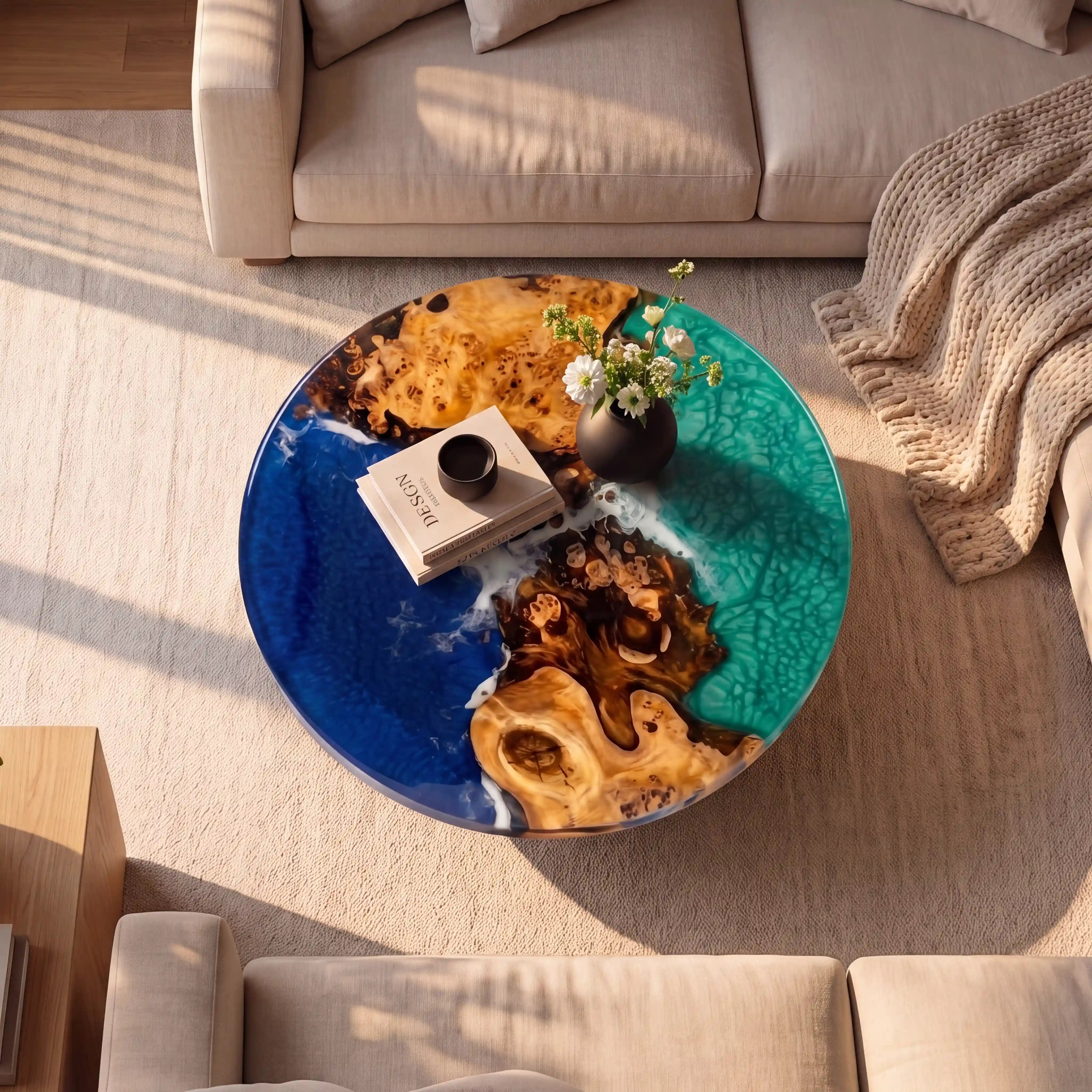
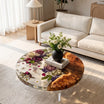
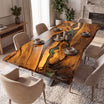
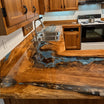
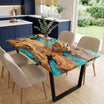
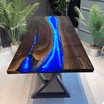
l Investment Over Replacement: Custom black walnut epoxy resin tables are trending as the ultimate "buy-it-for-life" sculptural centerpieces.
What Happened at High Point Market 2026?
Why are interior designers shifting away from cool and grey tones in 2026? Interior designers are shifting away from cool, grey tones in 2026 because these colors are now associated with sterile, mass-produced environments that lack emotional warmth. According to the latest reveals from the Spring High Point Market, the design industry is embracing a massive return to nature-inspired, earthy palettes to create spaces that feel deeply personal, comforting, and grounded.
For years, the "grey-on-grey" aesthetic and weathered ashy woods ruled the interior design landscape. However, the 2026 High Point Market—the epicenter of global furniture trends—made one thing abundantly clear: the grey era is permanently over. We are entering an era of "Quiet Luxury" and "Slow Design," where the focus is entirely on livable, warm, and highly authentic materials.
What Are the 9 Fast-Fashion Home Trends Dead in 2026?

What specific interior design trends are considered outdated in 2026? In 2026, outdated trends include weathered ashy grey wood, mass-produced faux veneers, overly geometric "chevron" patterns, high-gloss plastic finishes, uncomfortable formal dining chairs, sterile minimalist spaces, flat-pack "fast furniture," jewel-toned velvet, and mirrored "bling" decor. These elements are being replaced by organic, tactile, and long-lasting materials.
1. Weathered Ashy Grey Wood
The most significant casualty of 2026 is weathered grey wood. Once the staple of modern farmhouses, it now visually dates a home. The trending wood tone is now deep, unapologetically brown, and rich in natural character.
2. Mass-Produced "Fast Furniture"
The backlash against fast furniture has reached activist levels. Consumers are tired of replacing cheap, wobbly flat-pack dining tables every three years. The market is shifting heavily toward "Circularity" and heirloom pieces that can be passed down through generations.
3. Faux Industrial Veneers
Design-savvy consumers can easily spot fake wood grain. Faux materials simply do not hold up in well-lit, high-touch spaces like dining rooms. In 2026, people demand authenticity and the genuine warmth that only solid hardwood can provide.
4. High-Gloss Plastic Finishes
The desire for "perfect" surfaces has faded. High-gloss, plastic-like finishes feel cold and industrial. The new luxury is found in matte, tactile finishes that allow the natural grain of the wood to be felt and appreciated.
5. Mirrored Furniture and "Bling"
The era of shouting luxury through mirrored surfaces and excessive metallic "bling" is over. Quiet Luxury dictates that quality should be felt through superior craftsmanship and premium materials, not flashy reflections.
6. The "Chevron Crisis"
Overly aggressive geometric patterns, often referred to as the "Chevron Crisis," are visually exhausting. 2026 favors "Curve Appeal," utilizing organic shapes, soft edges, and biomorphic forms to create flow rather than rigid boundaries.
7. Sterile, Over-Optimized Minimalism
The push for hyper-minimalist, hospital-like spaces has triggered an "Over-Optimization Backlash". Homes are meant for living, not just looking clean. Warmth, layered textures, and a bit of organized chaos are welcome again.
8. Jewel-Toned Velvet
While beautiful in photos, the maintenance nightmare of jewel-toned velvet has pushed homeowners toward more practical, durable, and natural textiles like heavy linen, wool, and performance boucle.
9. Stiff, Uncomfortable Formal Dining
The static, rarely used formal dining room is dead. 2026 is all about "Multifunctional Chameleon Furniture". Dining tables must now serve as home offices, homework stations, and elegant entertaining centers, requiring massive durability.
Why Dark Walnut is Reclaiming the Spotlight

Why is black walnut considered the premier wood choice for luxury furniture in 2026? Black walnut is the premier choice for luxury furniture in 2026 due to its rich, deep brown coloration, incredible physical durability, and timeless aesthetic appeal. As the market shifts toward "Quiet Luxury," walnut's natural warmth and ability to age gracefully make it the ultimate heirloom investment.
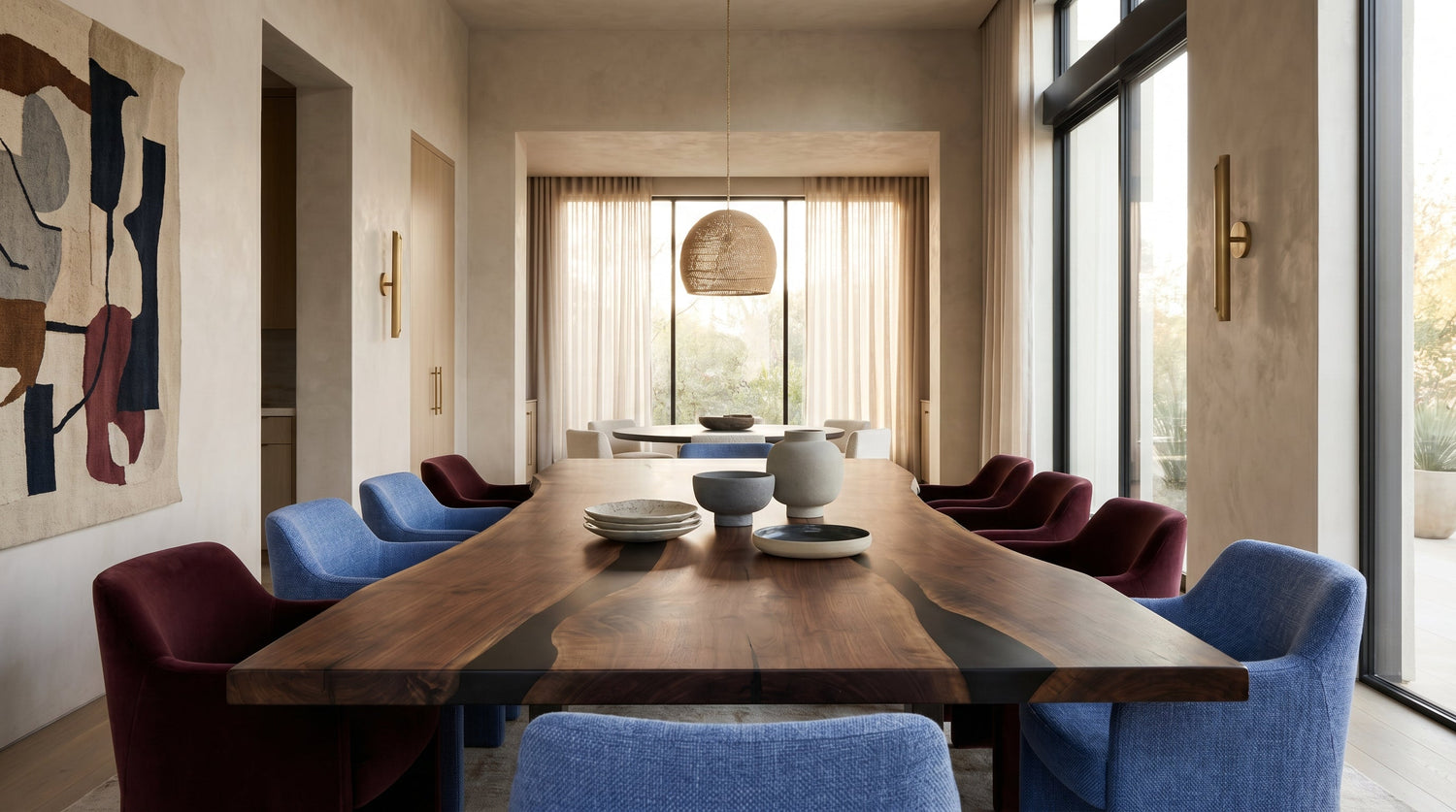
As designers abandon fast fashion, they are seeking materials that possess inherent value and structural integrity. Black walnut perfectly answers this call. Its deep, chocolate-brown hues align perfectly with the "Color Drenching" trends of 2026, pairing flawlessly with emerging popular colors like cornflower blue, butter yellow, and deep burgundy.
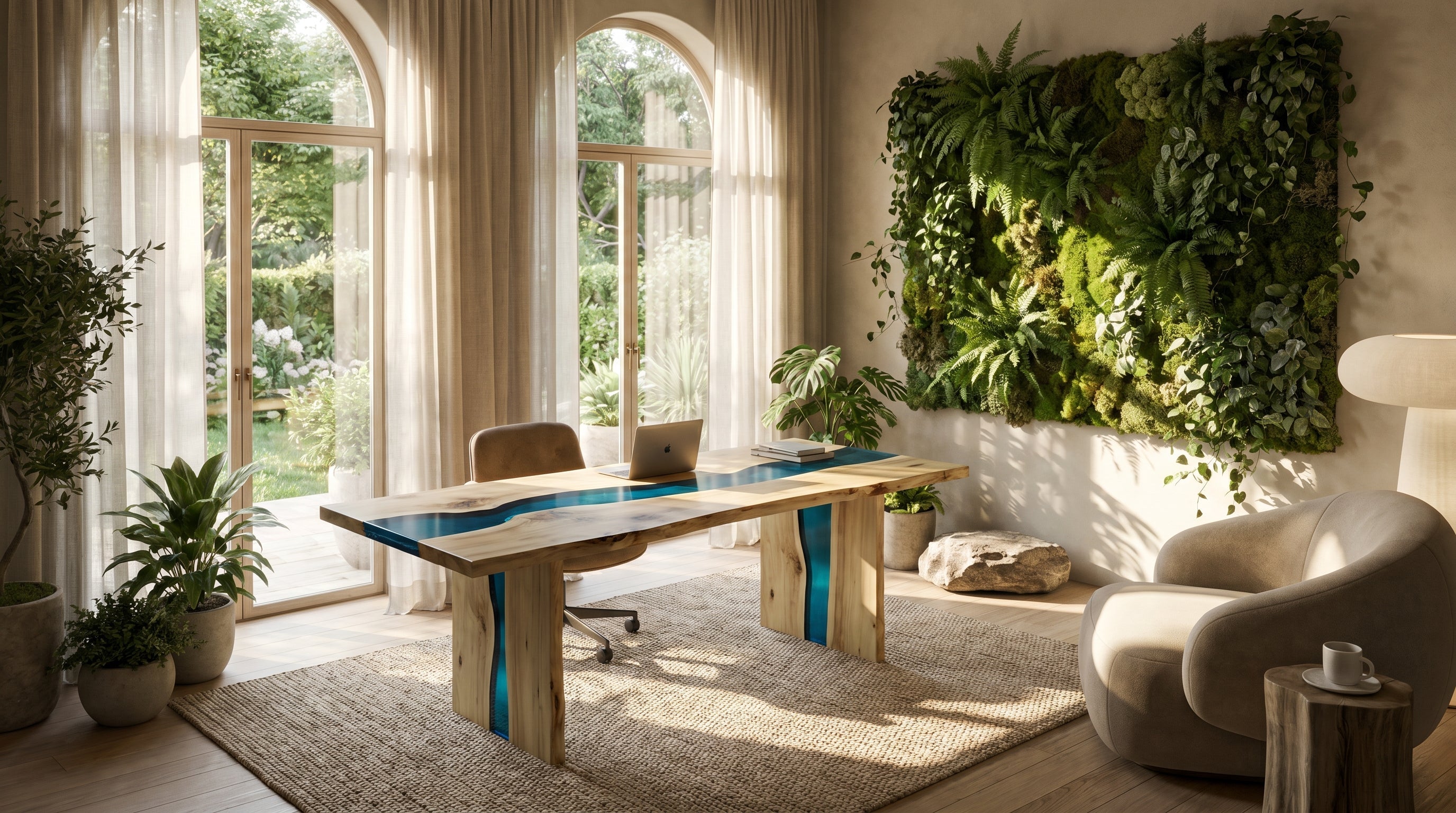
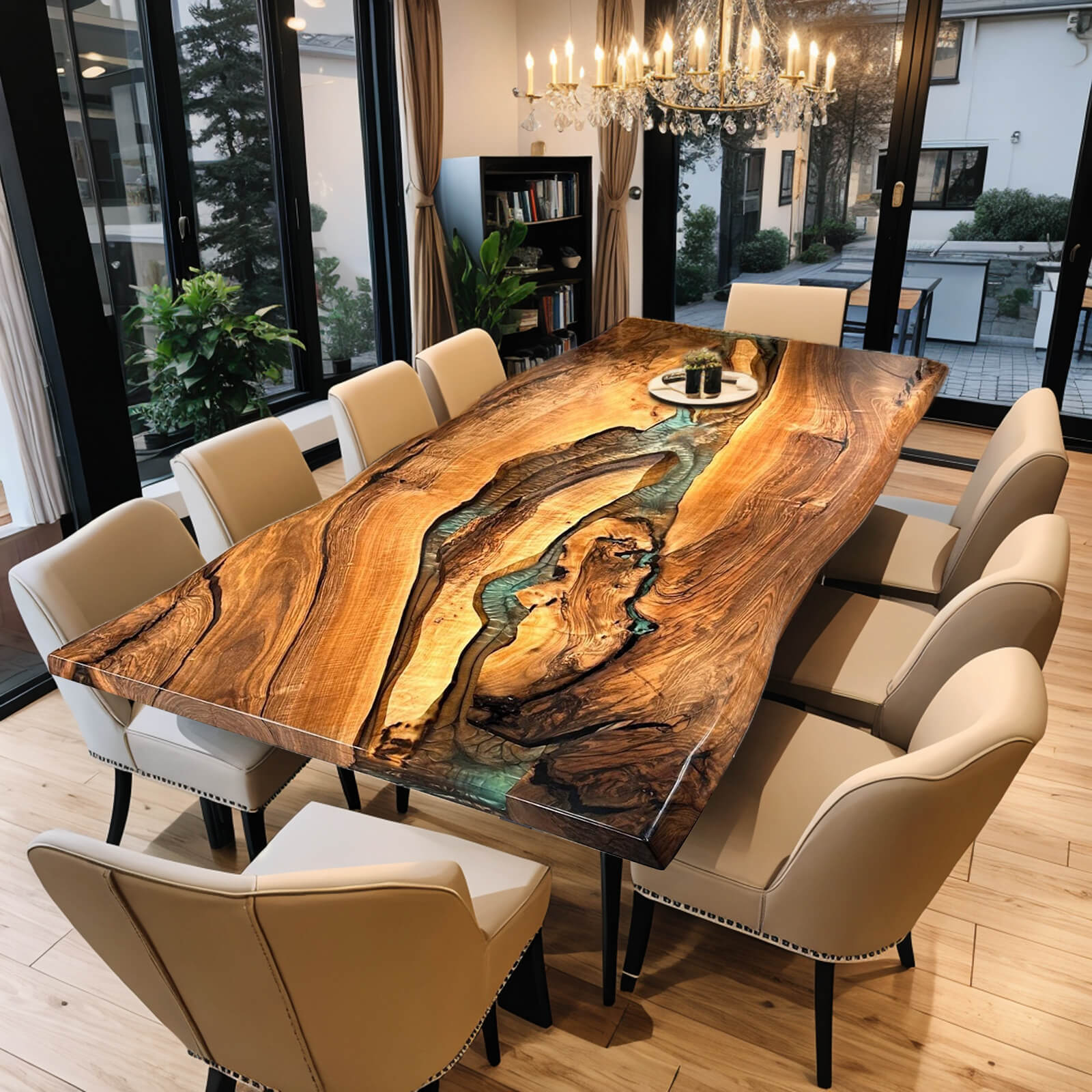
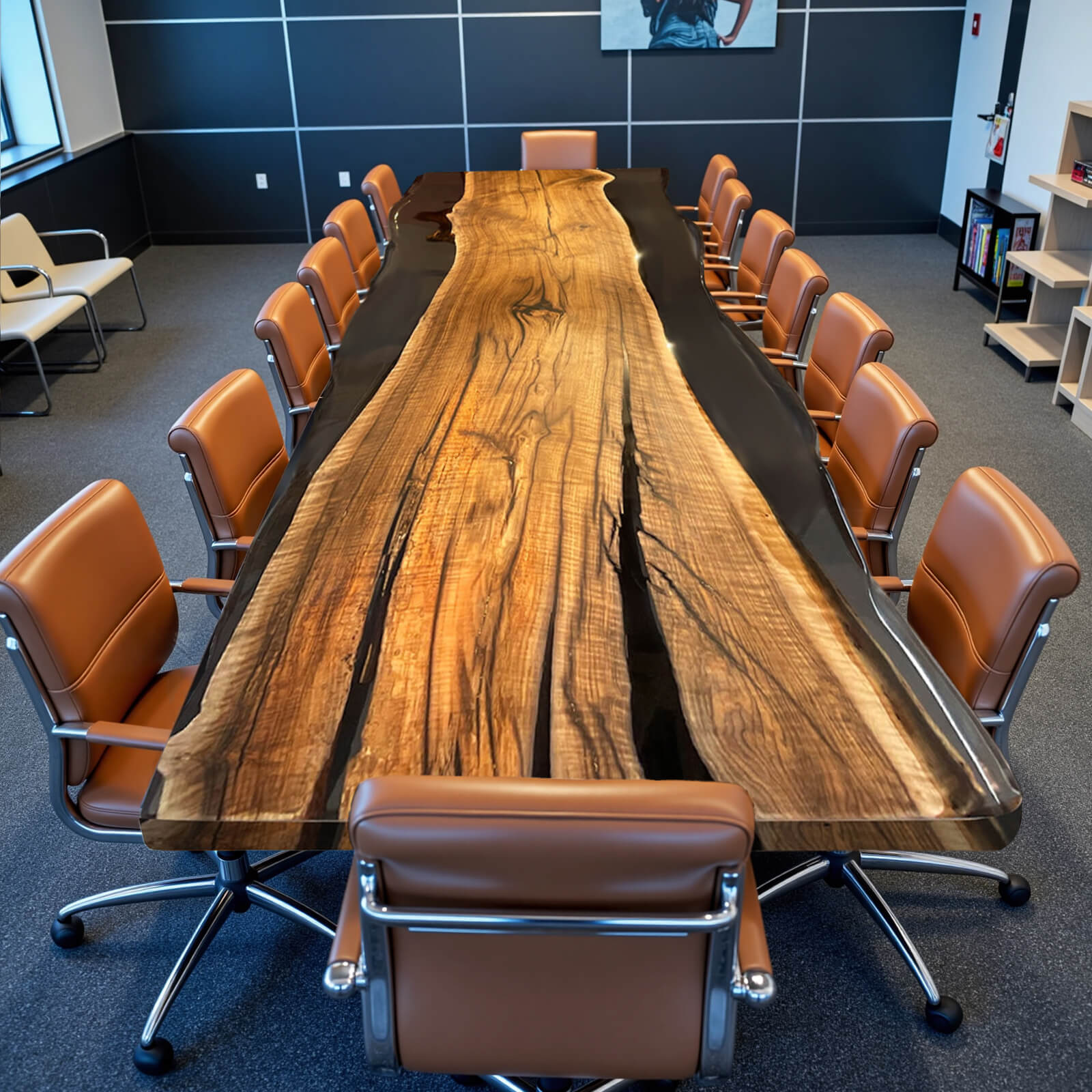
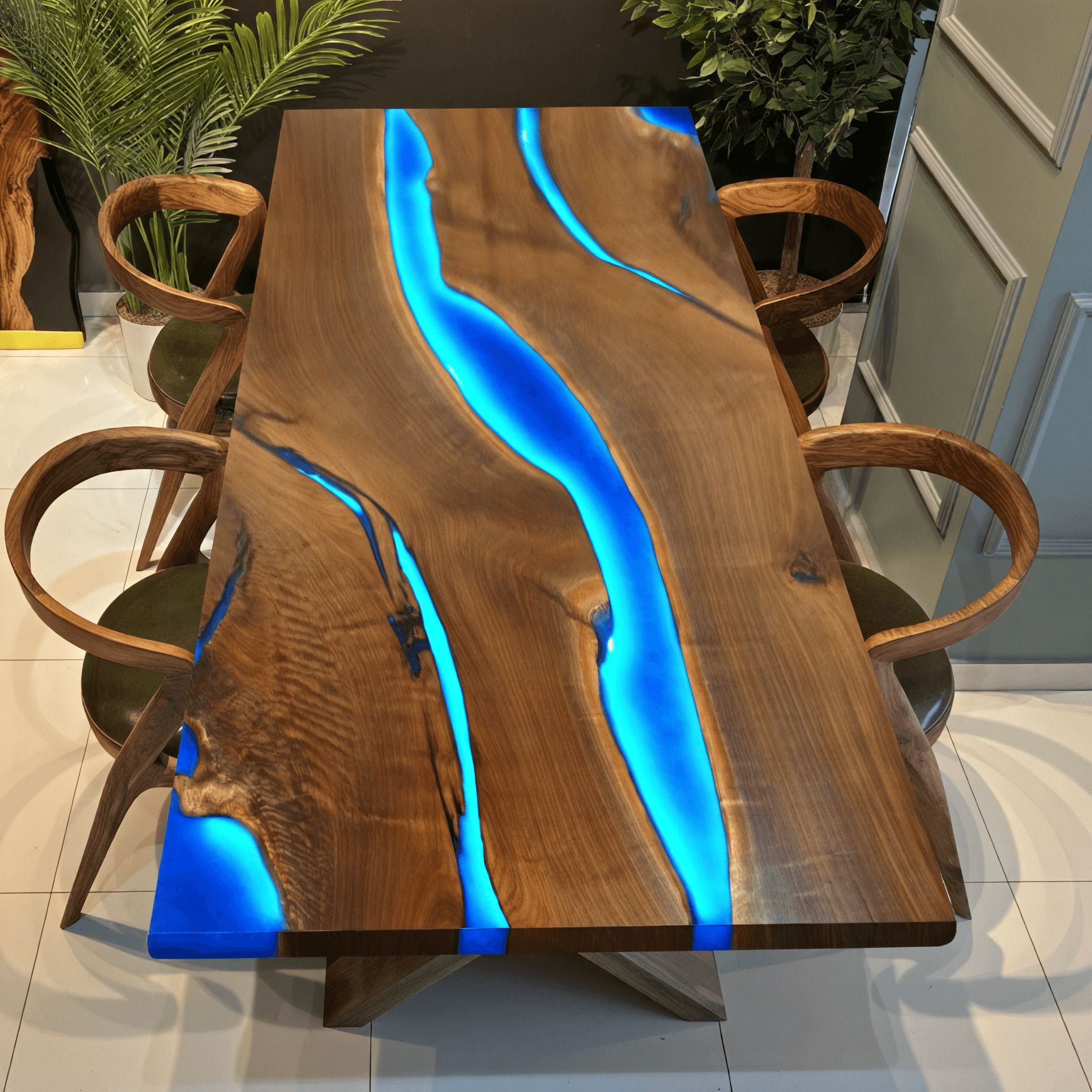
Furthermore, when black walnut is combined with advanced epoxy resin artistry—creating custom river tables—it bridges the gap between traditional craftsmanship and modern art. A custom black walnut resin table is not just a place to eat; it is a profound sculptural statement that anchors the entire room and completely immunizes the space against fleeting micro-trends.
Frequently Asked Questions (FAQ) Ecosystem
1. What is the "Quiet Luxury" interior design trend in 2026? Quiet Luxury is a design movement focusing on high-quality, authentic materials, exceptional craftsmanship, and timeless silhouettes rather than flashy logos or loud, trendy patterns. In furniture, it translates to investing in solid woods like black walnut and artisan-made resin tables.
2. Are grey hardwood floors and tables out of style in 2026? Yes, grey hardwood floors and grey-washed furniture are officially out of style in 2026. The interior design industry has universally shifted toward warm, rich earthy tones, specifically deep walnut, oak ocher, and maple spice.
3. Why are consumers moving away from fast furniture? Consumers are moving away from fast furniture due to its poor durability, lack of aesthetic character, and negative environmental impact. There is a growing desire for "Slow Design," prioritizing sustainable, solid wood heirloom pieces that hold their value over time.
4. What is a "Chameleon" dining table? A "Chameleon" dining table refers to highly durable, multifunctional furniture that can seamlessly transition between different uses, such as a formal dining space, a remote work desk, and a family gathering center. Solid wood epoxy tables are ideal for this due to their scratch-resistant surfaces.
5. How long does a custom black walnut epoxy resin table last? With proper care, a custom black walnut epoxy resin table can last for generations. The inherent hardness of the walnut wood, combined with the extreme chemical durability of modern, UV-resistant epoxy resin, creates a virtually indestructible heirloom piece.
6. What are the best colors to pair with dark walnut furniture in 2026? In 2026, the best colors to pair with dark walnut include cornflower blue, deep burgundy, earthy ochre, and warm buttery yellow. These colors create a rich, sophisticated contrast that enhances the deep brown tones of the wood.
7. Does solid black walnut furniture increase home value? While furniture itself is personal property, staging a home with high-end, custom solid wood pieces like a walnut river table dramatically elevates the perceived value and luxury status of the property, making it highly attractive to premium buyers.
8. What makes black walnut different from standard oak or pine? Black walnut is a premium hardwood known for its dense grain, rich dark coloration that goes through the wood (not just a surface stain), and superior resistance to warping and shrinking compared to softer woods like pine or standard red oak.
9. Can epoxy resin tables fit into a traditional or vintage interior design? Absolutely. By choosing a dark walnut slab and pairing it with a subtle, dark-toned resin (such as deep amber or black), the table effortlessly complements vintage, Art Deco, or traditional spaces by acting as a refined, sophisticated centerpiece.
10. What is "Color Drenching" in 2026 interior design? Color drenching is the practice of painting walls, ceilings, and trim in the same rich, immersive color. Dark walnut furniture stands out beautifully in color-drenched rooms, providing a grounding, natural organic element that balances intense wall colors.