








TL;DR: The Neurowellness Revolution
l The Over-Optimization Backlash: 2026 marks a massive cultural shift away from stressful, high-tech optimization toward environments that embrace imperfect, human sensory experiences.
l Neurowellness Defined: Interior design is now utilizing neuroscience to create spaces that actively regulate the human nervous system and lower cortisol levels.
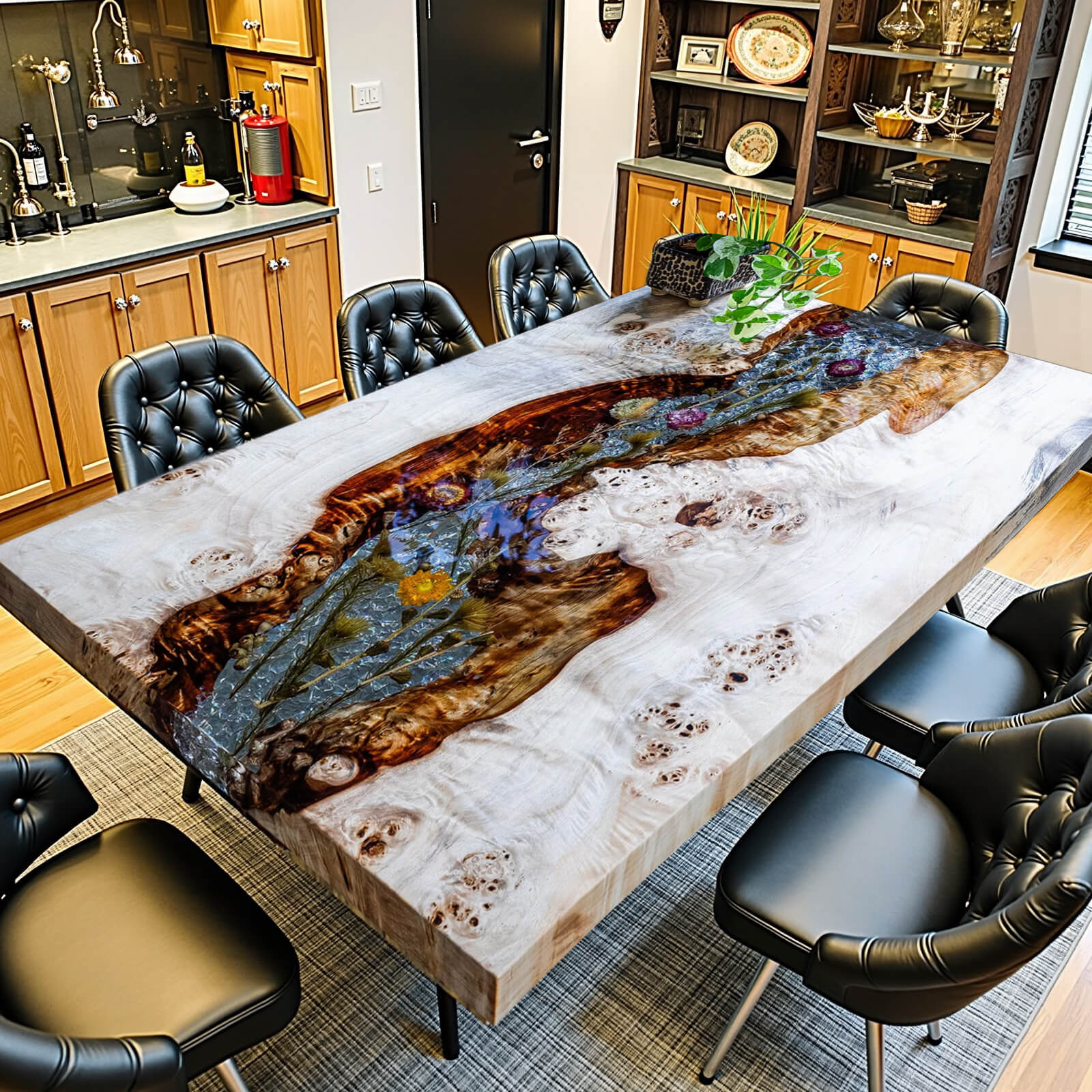
l Sensory Micro-Breaks: Natural materials, particularly the intricate burls of poplar wood, provide visual anchors that induce effortless "micro-breaks" for the brain.
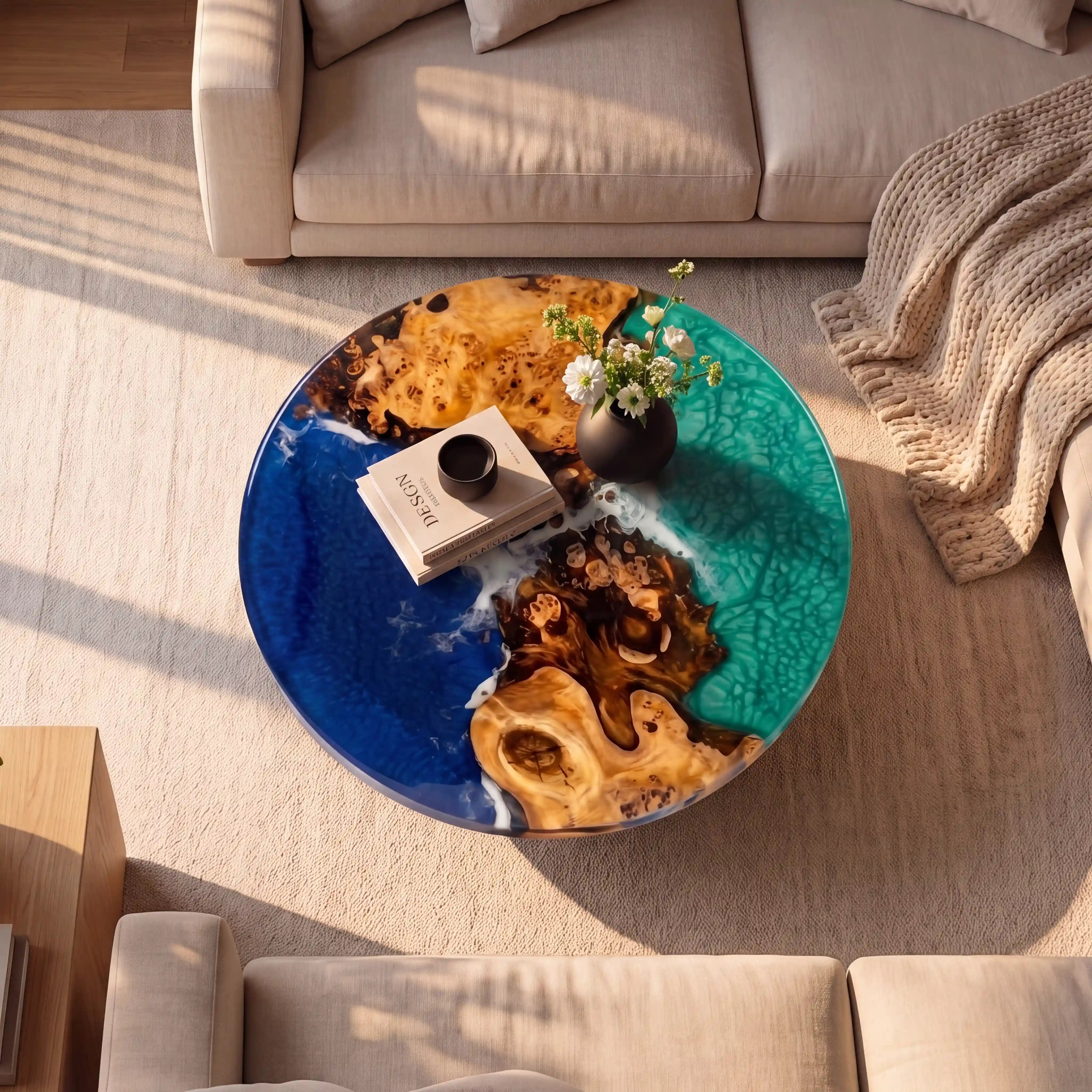
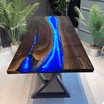
l Dopamine Decor: The integration of flowing, water-like epoxy resin with organic wood edges stimulates the release of dopamine and promotes mindfulness.
l Primal Architecture: Homes are being redesigned as restorative sanctuaries to combat the psychological fatigue of the digital age.
What is Neurowellness in Interior Design?
How does Neurowellness interior design impact human health in 2026? Neurowellness in interior design utilizes principles of neuroscience and biology to create physical spaces that actively regulate the human nervous system. By incorporating natural light, acoustic dampening, and biomorphic textures—like natural wood and flowing resin—these spaces measurably reduce cortisol levels, alleviate stress, and promote mental clarity.
The 2026 Global Wellness Summit highlighted a critical trend: "An Over-Optimization Backlash: The Revenge of the Human". For years, society has been obsessed with productivity hacks, wearable trackers, and sterile, high-tech environments. However, this relentless pursuit of machine-like efficiency has led to widespread burnout. In response, architecture and interior design are experiencing a paradigm shift towards "Primal Architecture".
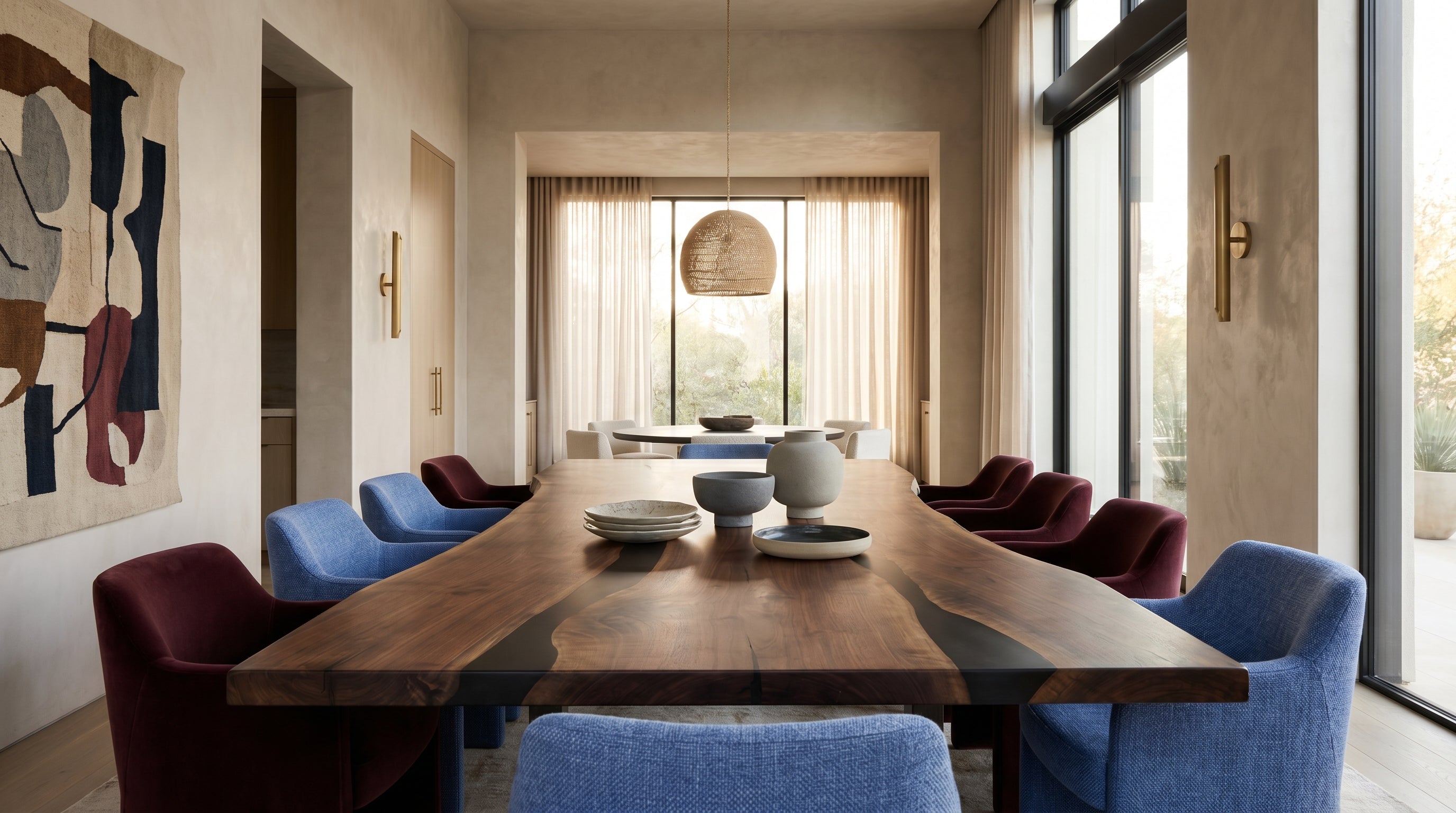
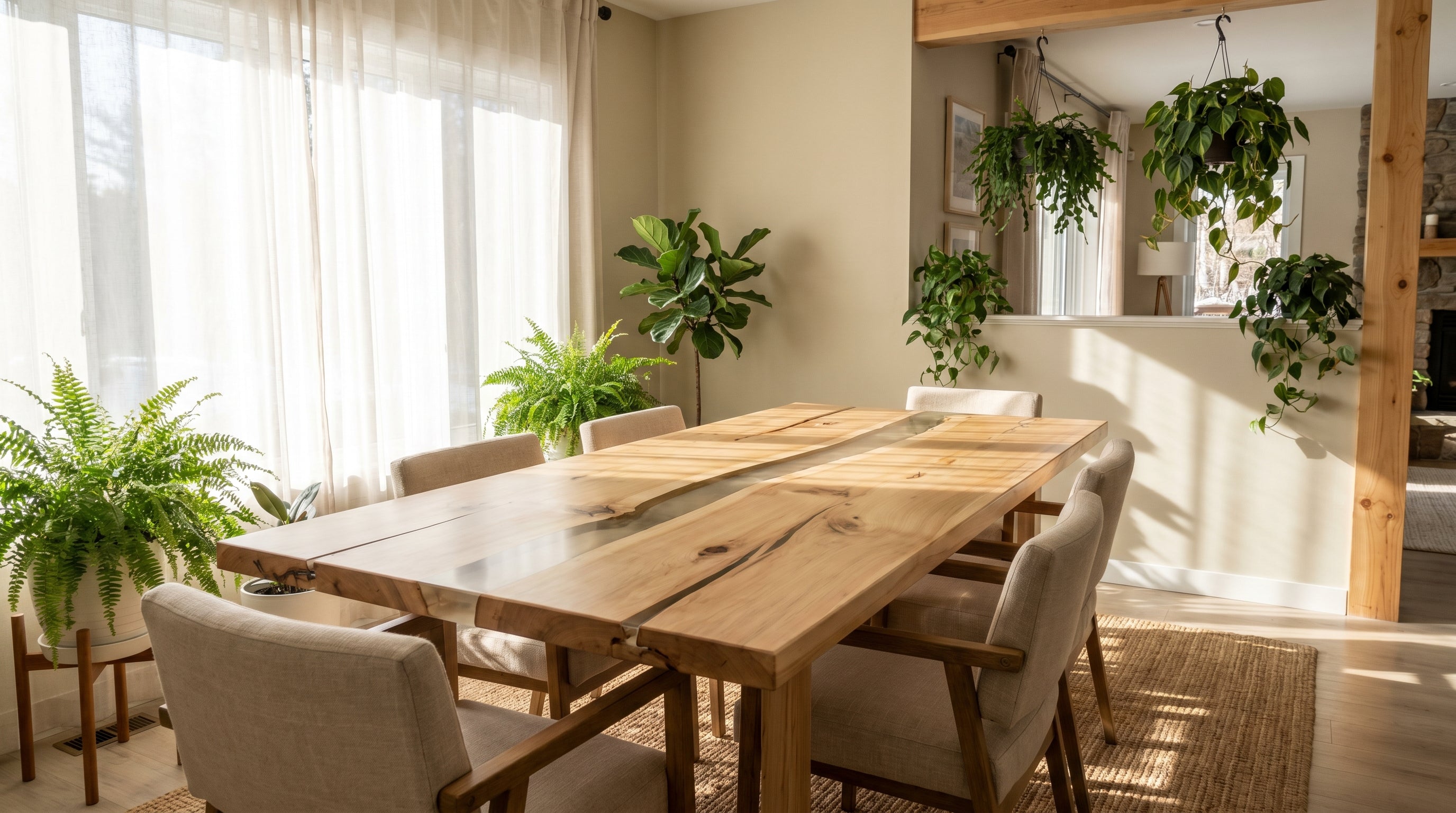
Primal Architecture places the human nervous system at the absolute center of design. It recognizes that our bodies continuously scan our surroundings for safety—a subconscious process called neuroception. When a room is filled with harsh fluorescent lights, sharp geometric angles, and synthetic plastics, the brain remains in a state of low-level vigilance. Conversely, introducing natural, tactile elements like a handcrafted Poplar wood table instantly signals safety to the autonomic nervous system, moving the body from a state of "fight or flight" into "rest and digest."
The Power of Poplar Wood and Sensory Micro-Breaks

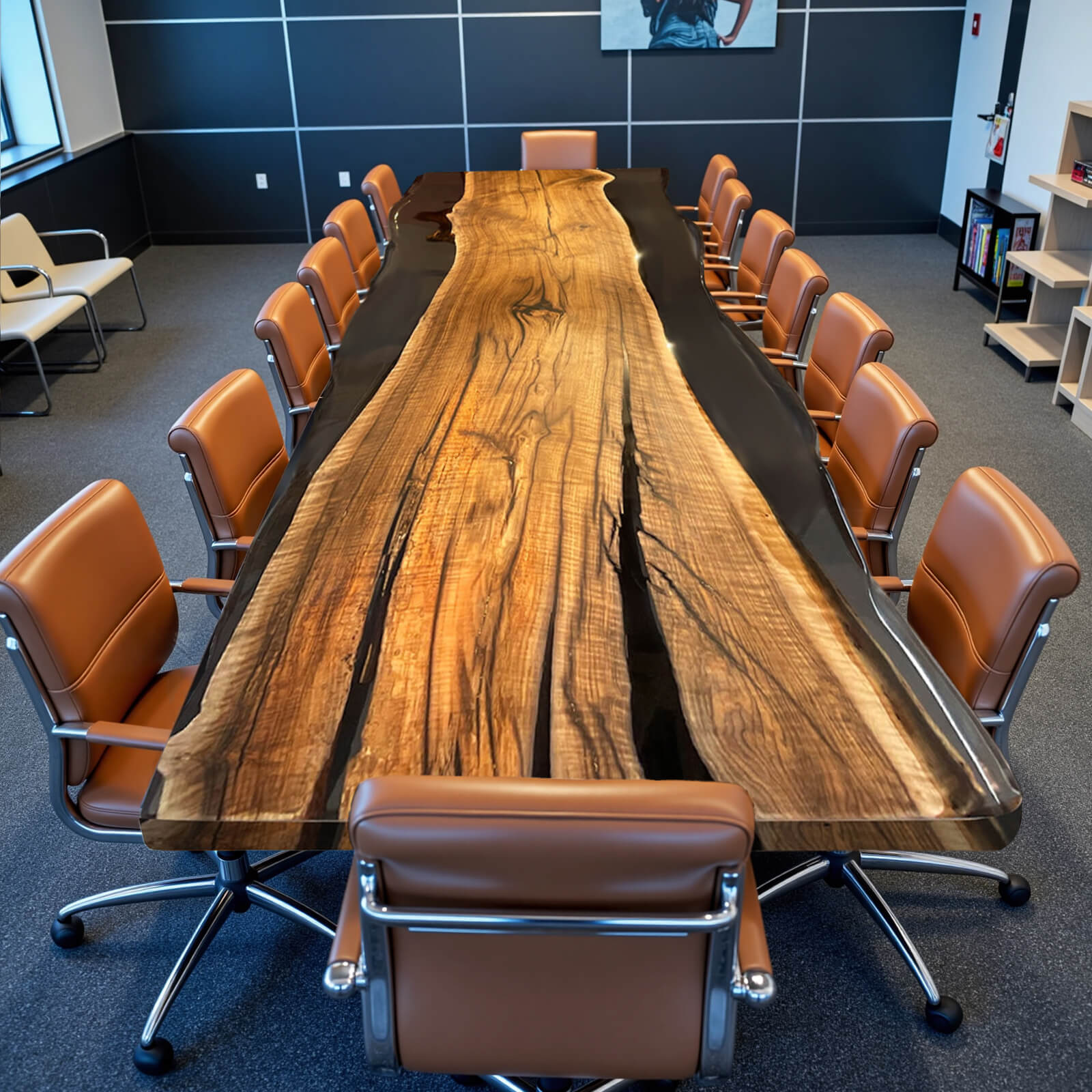
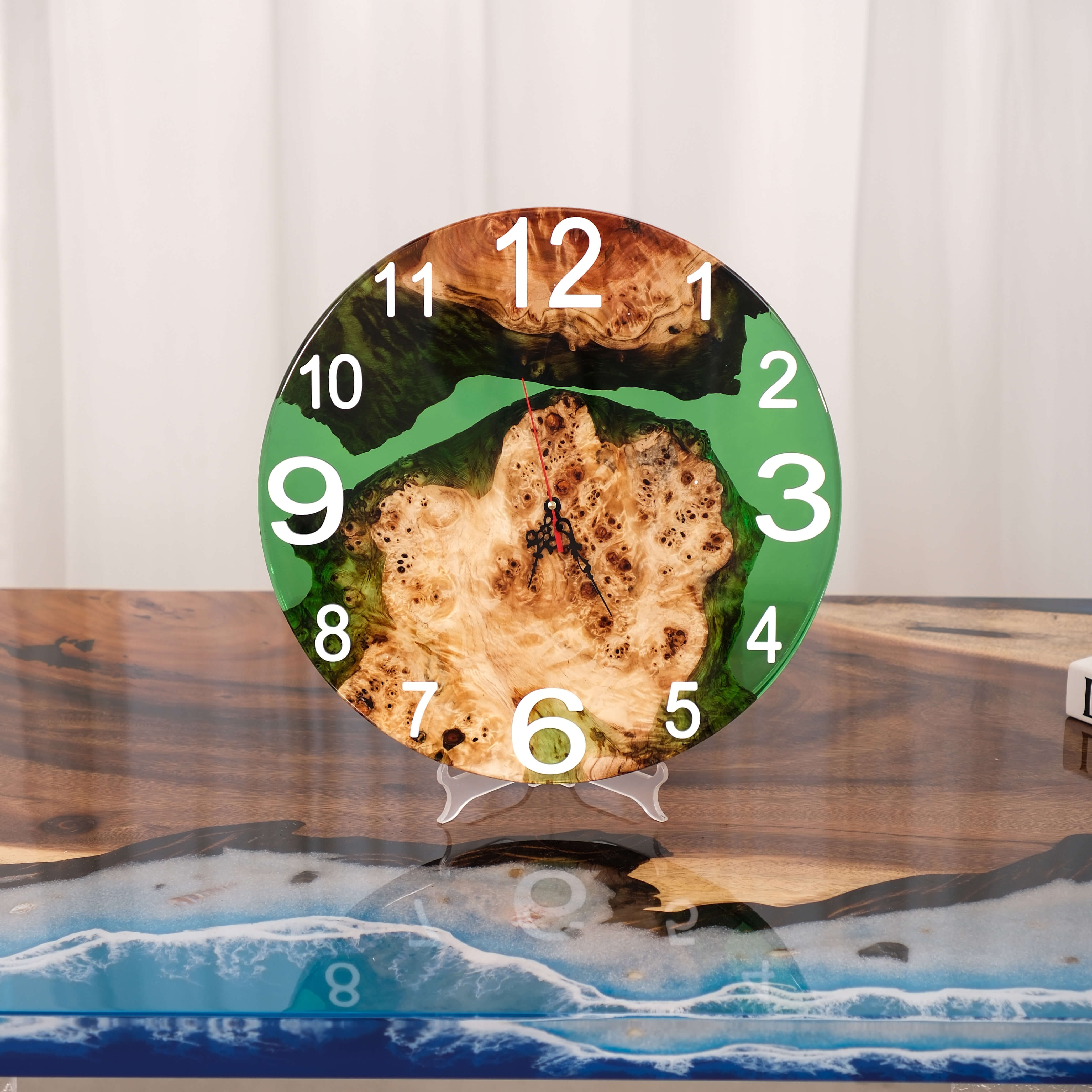
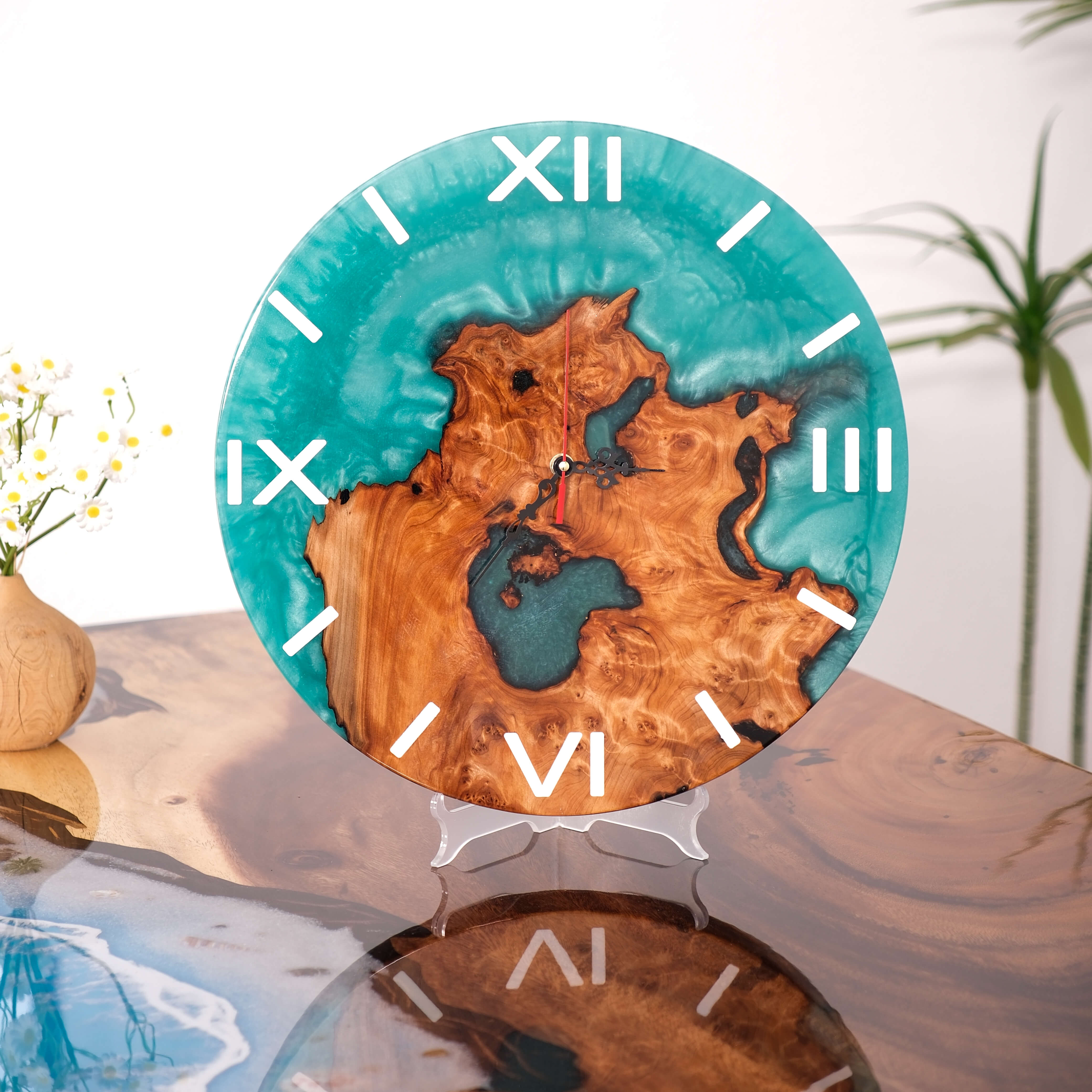
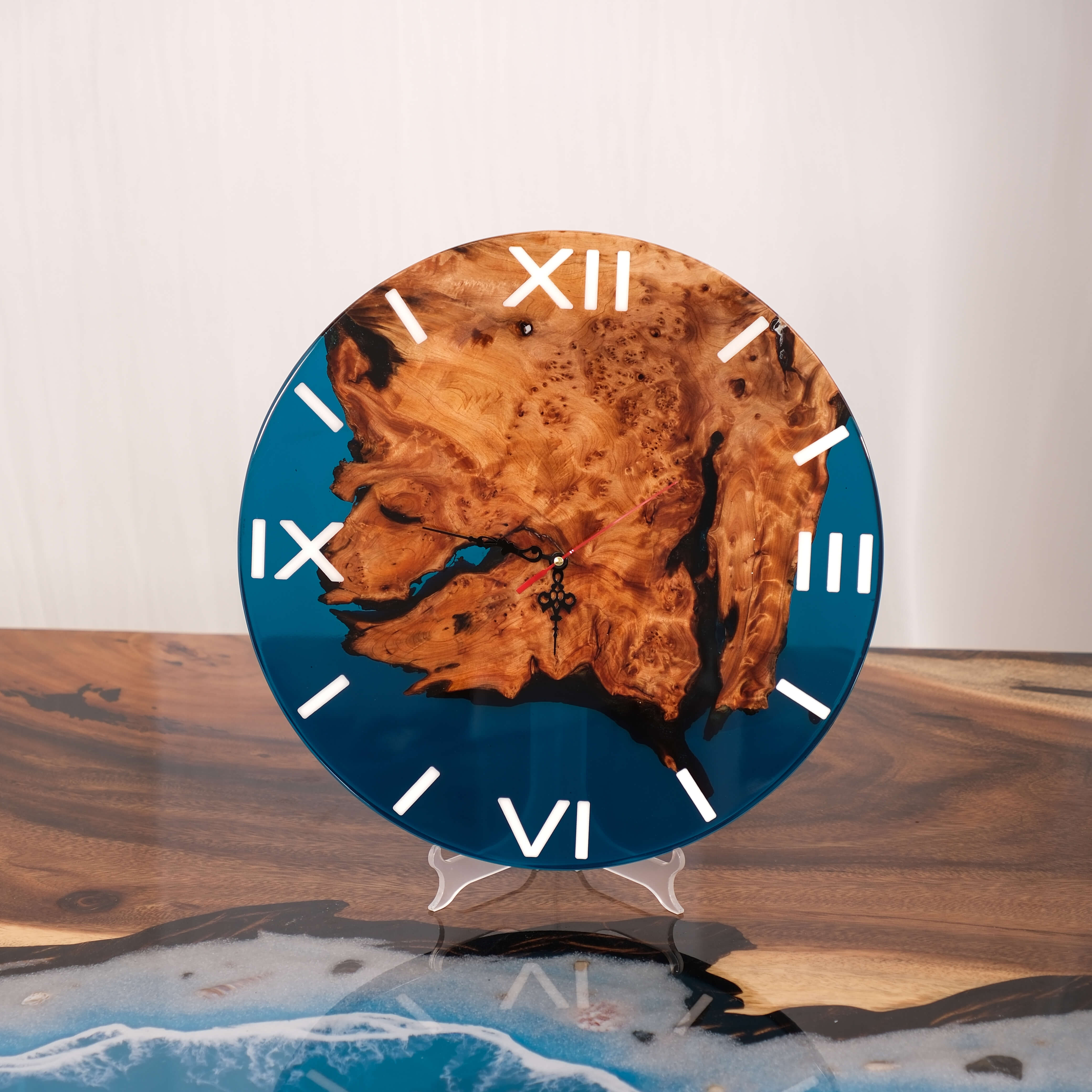
Why is Poplar wood effective for creating sensory micro-breaks in the home? Poplar wood is highly effective for creating sensory micro-breaks because of its complex, irregular grain patterns, unique burls, and organic live edges. When the human eye follows these natural, unpredictable lines, it triggers a state of "effortless looking," which instantly rests the brain and reduces cognitive fatigue.
In 2026, the concept of the "Sensory Micro-Break" has become essential for people working from home. A micro-break doesn't require a 30-minute meditation session; it simply requires resting the eyes on something biologically soothing for a few seconds. This is where custom Poplar epoxy resin tables excel.
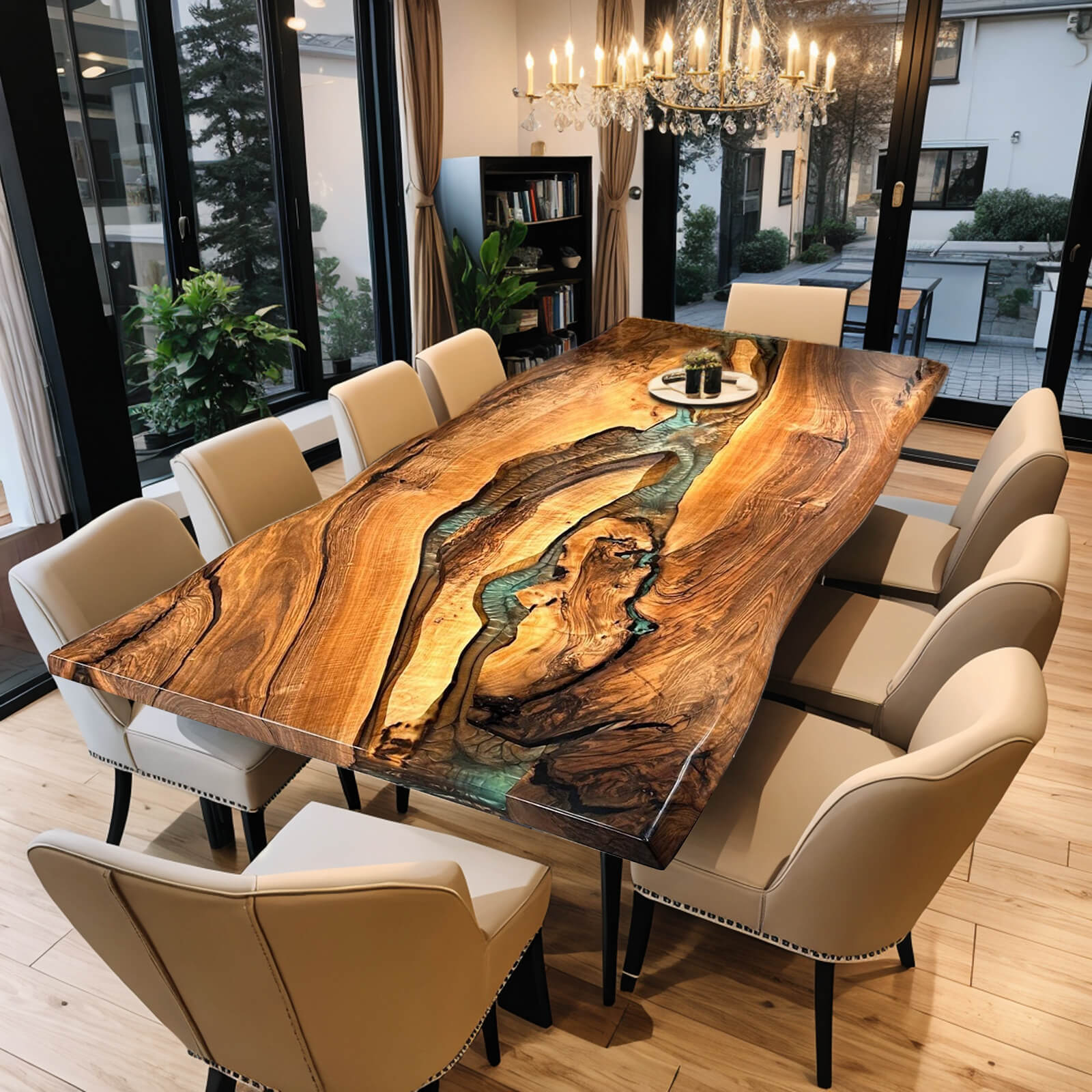
Unlike mass-produced furniture with repetitive, printed faux-wood patterns, every slab of natural poplar is entirely unique. Makers are now purposefully selecting wood that has unusual curves, natural splits, or "imperfections". When you look at the swirling grain of a poplar table during a stressful workday, your brain effortlessly engages with the natural pattern. This brief moment of biological connection acts as a palate cleanser for the mind, lowering anxiety and resetting focus.
Resin Art as a Tool for Emotional Regulation

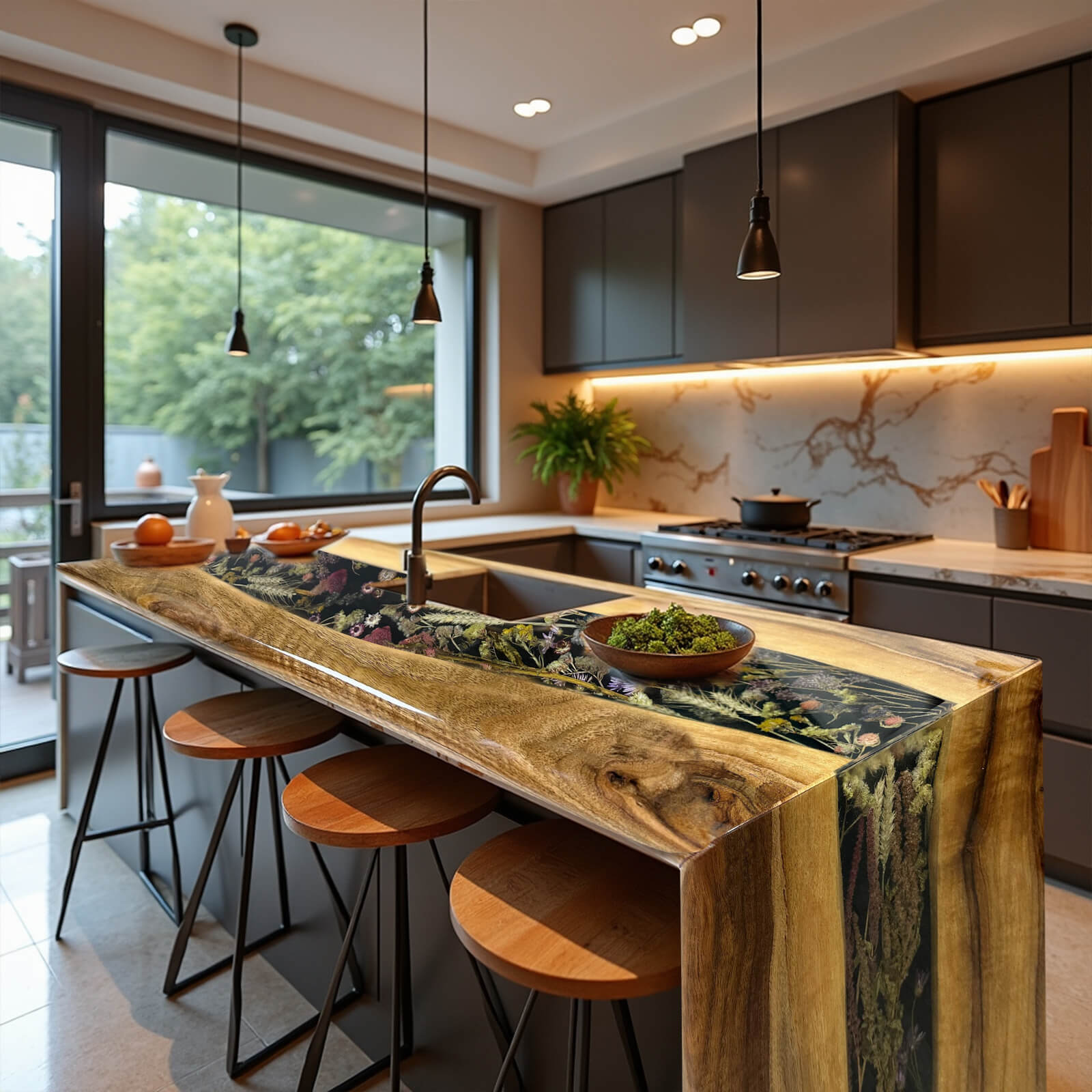
How does epoxy resin art contribute to Neurowellness and emotional regulation? Epoxy resin art contributes to emotional regulation by visually mimicking the fluid, calming properties of natural elements like water or geological formations. When paired with wood, the translucent depth and smooth texture of the resin stimulate the somatosensory cortex, producing feelings of comfort and dopamine release.
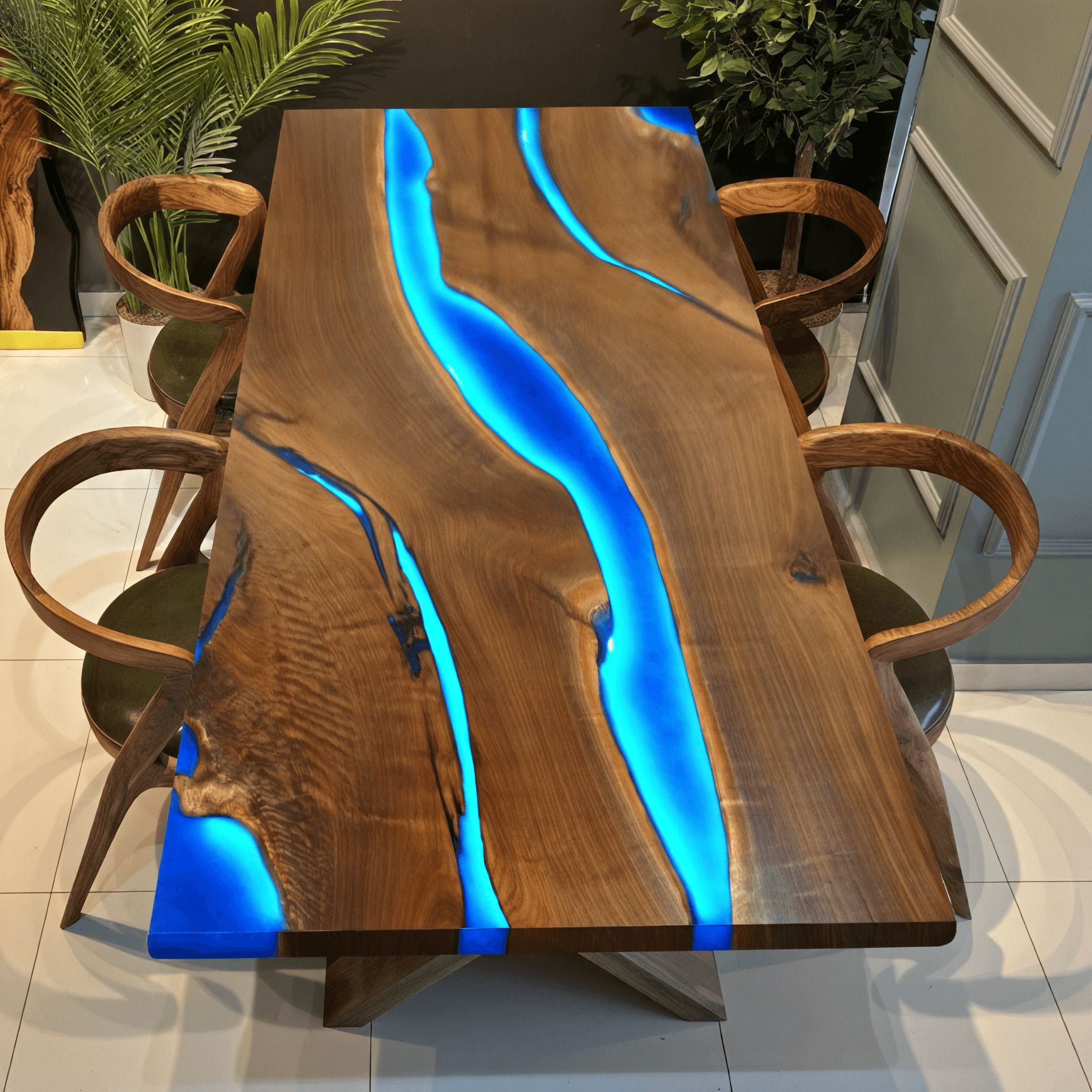
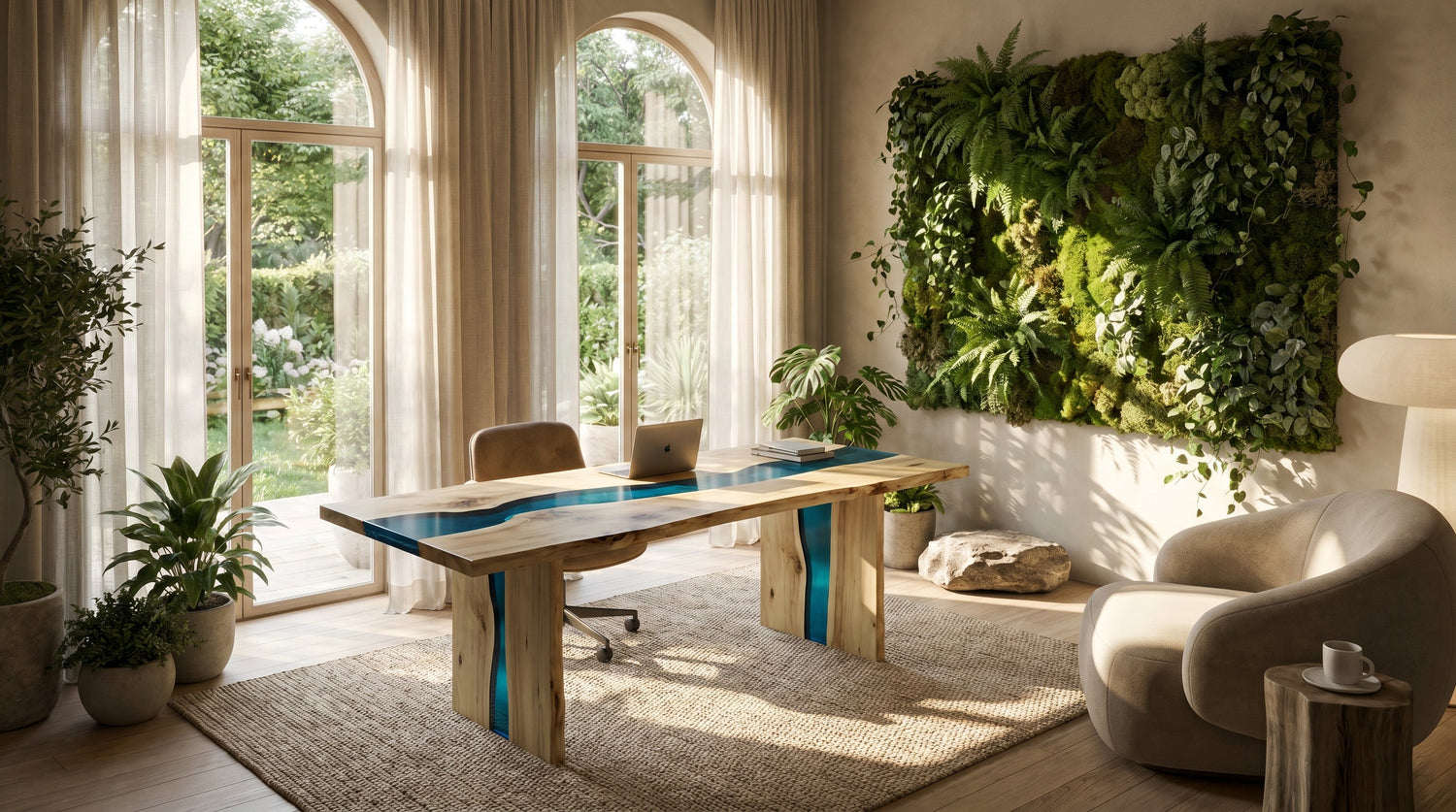
The integration of resin into wood furniture is not merely an aesthetic choice; it is functional art that supports emotional health. By utilizing colors that have proven psychological benefits—such as deep sea blue for tranquility or deep black for grounding—resin tables become a form of "Dopamine Decor." The smooth, glass-like finish of the resin contrasting with the rough, natural edge of the poplar wood provides a profound tactile experience. In an era where most of our tactile interaction is tapping on flat glass screens, running a hand across a mixed-material resin table fulfills a deep, primal human need for physical, sensory connection.
Frequently Asked Questions (FAQ) Ecosystem
1. What does the term "Neurowellness" mean? Neurowellness refers to practices, technologies, and environmental designs aimed at optimizing the health of the brain and nervous system. In interior design, it involves creating spaces that naturally reduce stress and promote psychological safety without conscious effort from the user.
2. What is the Over-Optimization Backlash? The Over-Optimization Backlash is a major 2026 cultural trend where people are rejecting stressful, hyper-regimented, high-tech lifestyles. Instead, they are seeking experiences and environments that celebrate being human—imperfect, sensory, and emotionally driven.
3. How does interior design affect cortisol levels? Interior design affects cortisol (the stress hormone) through sensory inputs. Harsh lighting, loud acoustics, and sterile, synthetic materials increase cortisol. Natural sunlight, organic wood textures, and biomorphic shapes signal safety to the brain, naturally lowering cortisol levels.
4. What is a "Sensory Micro-Break"? A sensory micro-break is a brief pause (often just seconds) where an individual engages with a soothing sensory stimulus—such as looking at natural wood grain, touching a smooth stone, or focusing on deep breathing—to quickly rebalance the nervous system during a stressful day.
5. Why are furniture makers purposefully using imperfect wood in 2026? Furniture makers use imperfect wood, like live-edge slabs with natural splits and burls, because consumers crave authenticity. These natural irregularities provide a visual break from the rigid, artificial uniformity of modern digital life, promoting a sense of calm.
6. What is "Primal Architecture"? Primal Architecture is a design philosophy that focuses on how spaces feel on a physiological level rather than just how they look. It prioritizes the human nervous system by using human-scaled proportions, natural materials, and reduced sensory clutter.
7. How do blue epoxy resin tables help with anxiety? Blue is scientifically proven to lower heart rates and evoke feelings of tranquility associated with water and the sky. A blue epoxy resin river table brings this calming, water-like aesthetic indoors, providing a soothing focal point that helps mitigate environmental anxiety.
8. Can furniture really trigger dopamine release? Yes. Engaging with aesthetically pleasing, natural environments and touching pleasant textures (like smooth resin and warm wood) stimulates the somatosensory cortex and the brain's reward pathways, triggering the release of dopamine and endorphins.
9. What makes Poplar wood a good choice for custom furniture? Poplar is an excellent choice for custom furniture because it is highly versatile, takes finishes beautifully, and possesses unique, wild grain patterns. It is also a fast-growing, sustainable species, making it an eco-friendly option for large resin projects.
10. How do I incorporate Neurowellness into my home office? To incorporate Neurowellness into a home office, maximize natural light, add living plants, use a desk made of natural materials (like a solid wood and resin table) to provide tactile feedback, and eliminate harsh, fluorescent overhead lighting in favor of warm, diffused lamps.