











Quick Answer: As housing affordability remains difficult and mortgage rates approach 7%, some Americans are choosing to improve the homes they already have rather than move. That shift is creating a different opportunity for furniture: instead of furnishing a temporary home, consumers can invest in pieces that make their existing space work better for the long term. Recent reporting points to increased renovation interest among homeowners staying put, while furniture spending has also shown signs of resilience.
The “Stay-Put” Decision Is Changing the Way People Think About Home
For many Americans, moving is no longer a simple lifestyle decision.
Housing affordability, mortgage rates, inventory, transaction costs, and uncertainty can all influence whether someone decides to relocate or improve their current home.
Recent reporting in September 2026 describes mortgage rates moving close to 7% while the housing market remains relatively sluggish. At the same time, some homeowners are choosing renovation and redecorating instead of moving, and high-end consumers remain active in home-related spending.
That creates an interesting question for the furniture industry:
What happens when people stop furnishing a house they might leave and start investing in the home they already have?
The answer is potentially significant.
Renovation Does Not Always Mean Construction

When people hear home renovation 2026, they may imagine a kitchen demolition, bathroom remodel, or structural expansion.
But a home can feel dramatically different without changing its floor plan.
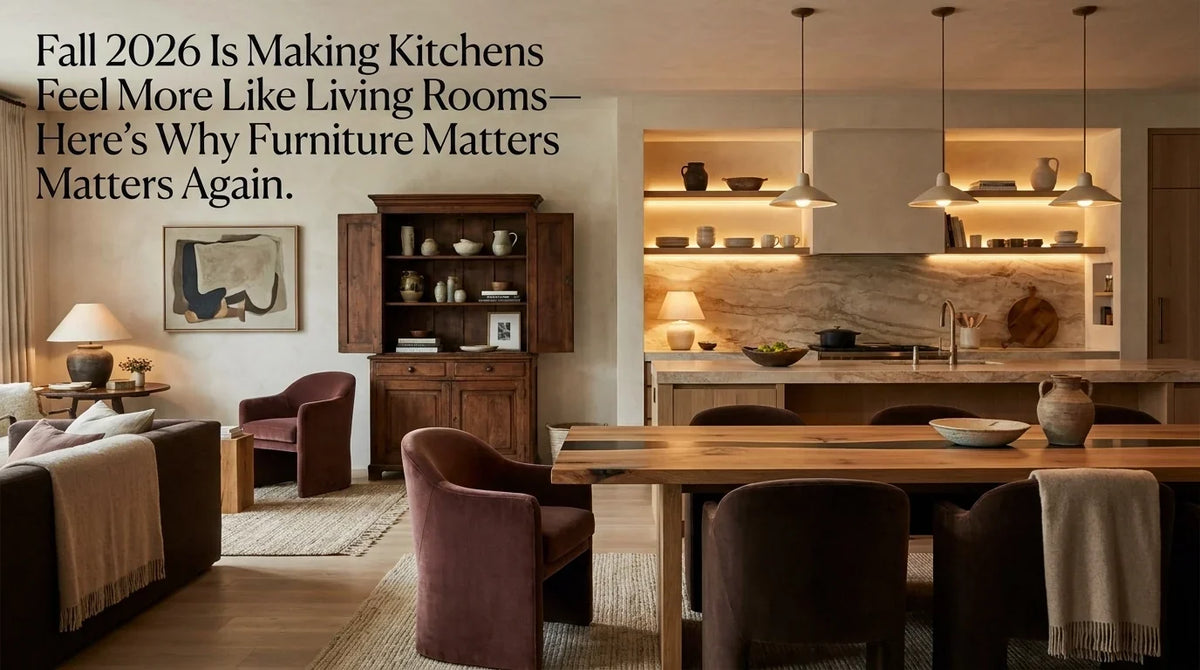
Furniture is one of the fastest ways to alter how a room functions.
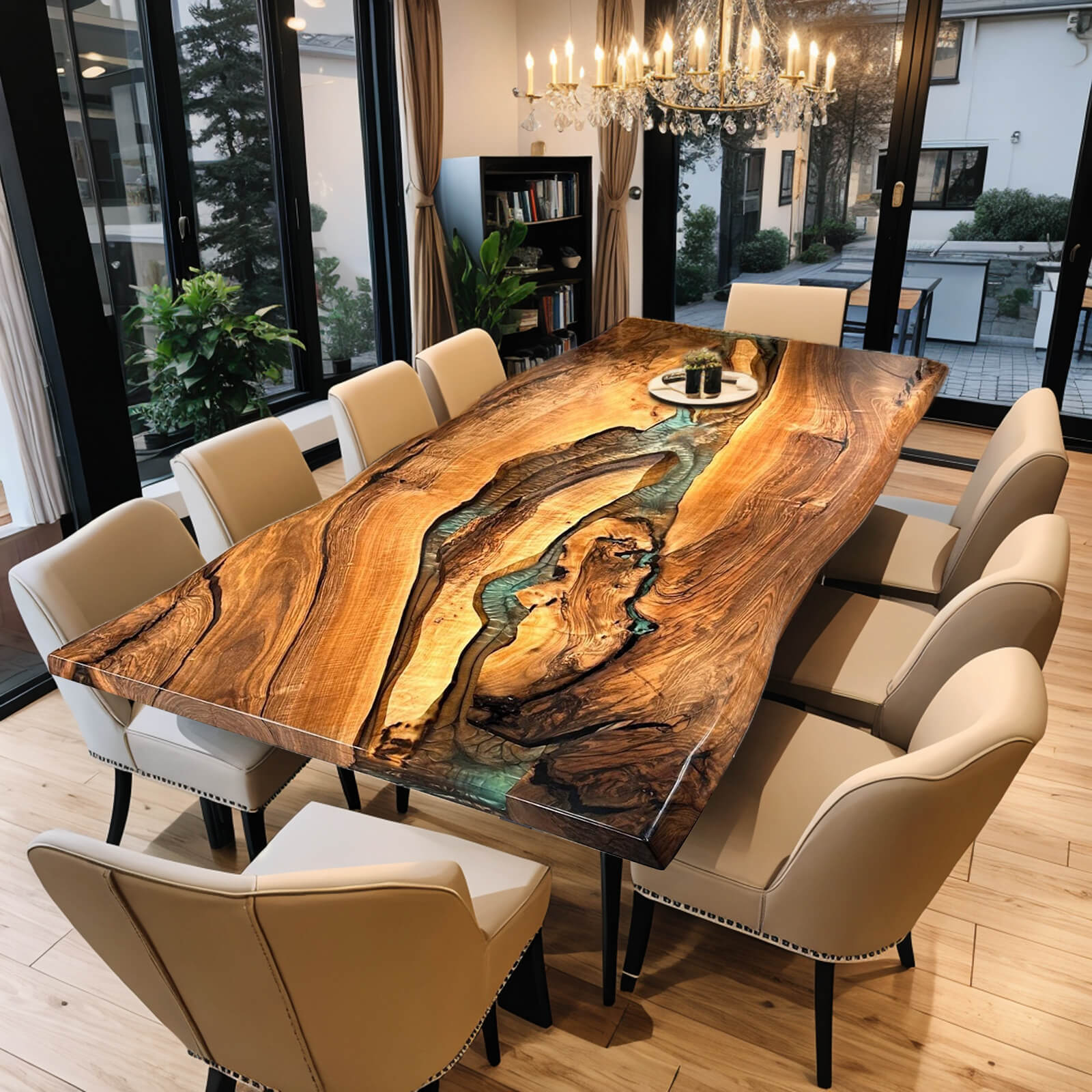
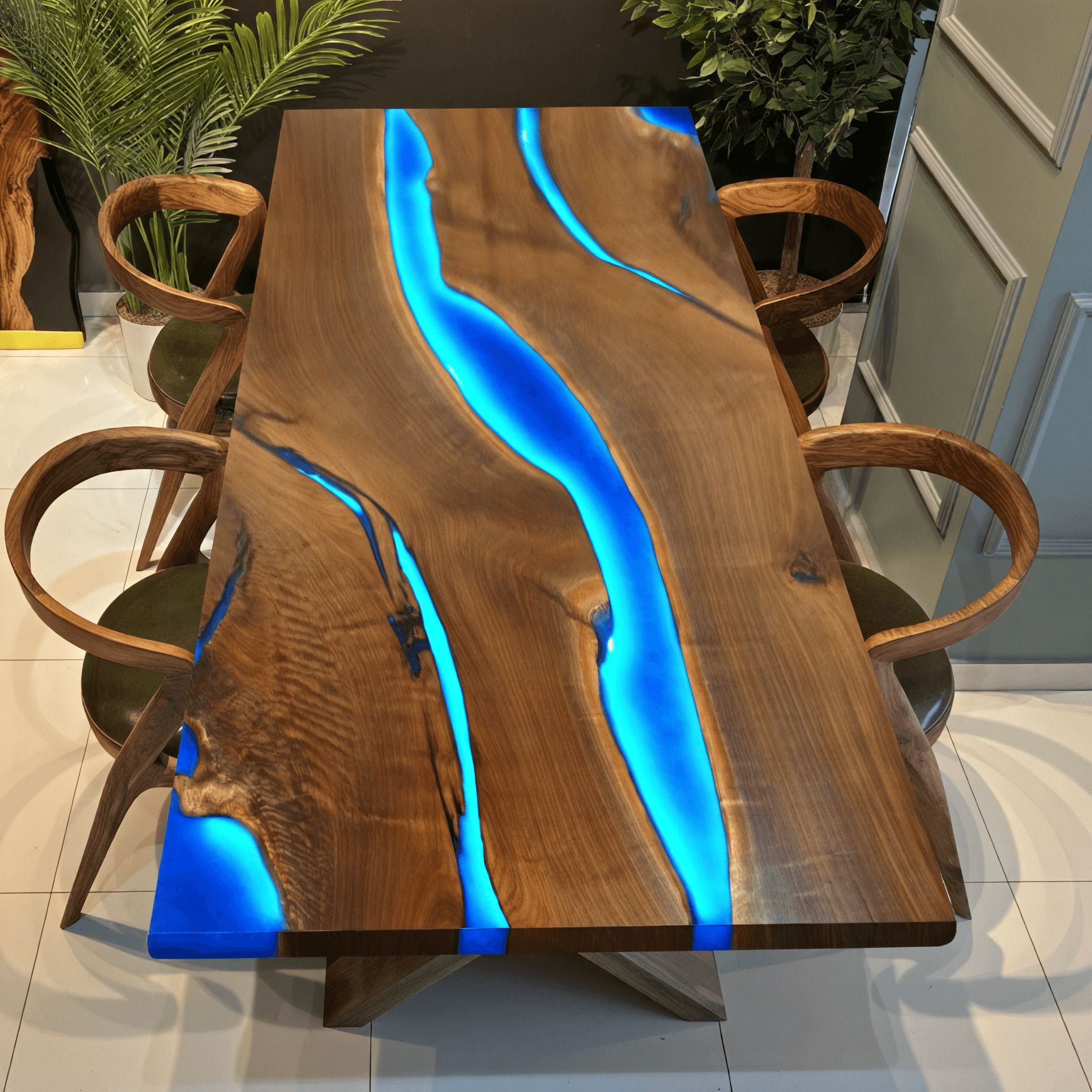
A dining table can make an underused corner useful.
A console can improve an entryway.
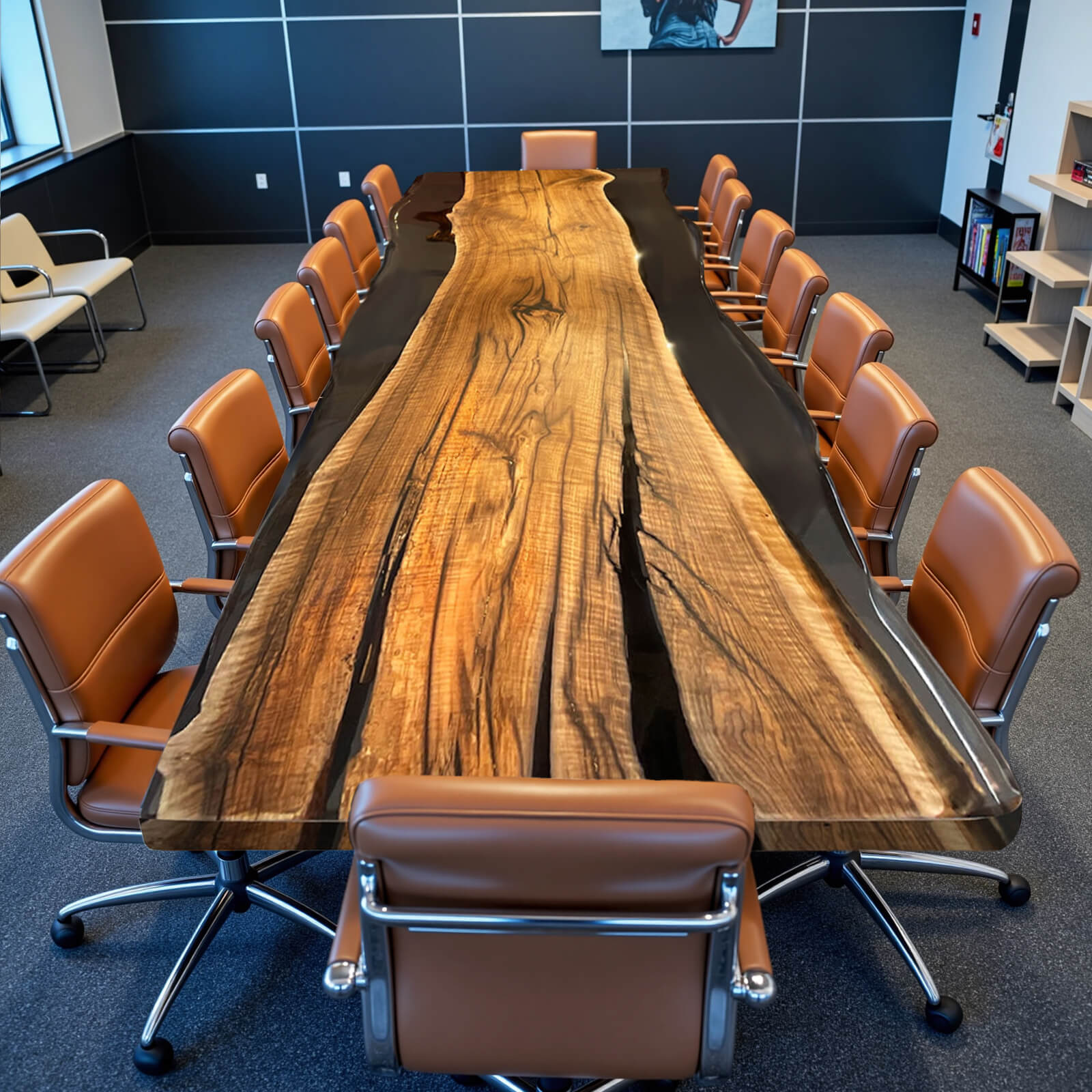
A substantial desk can turn an awkward room into a productive workspace.
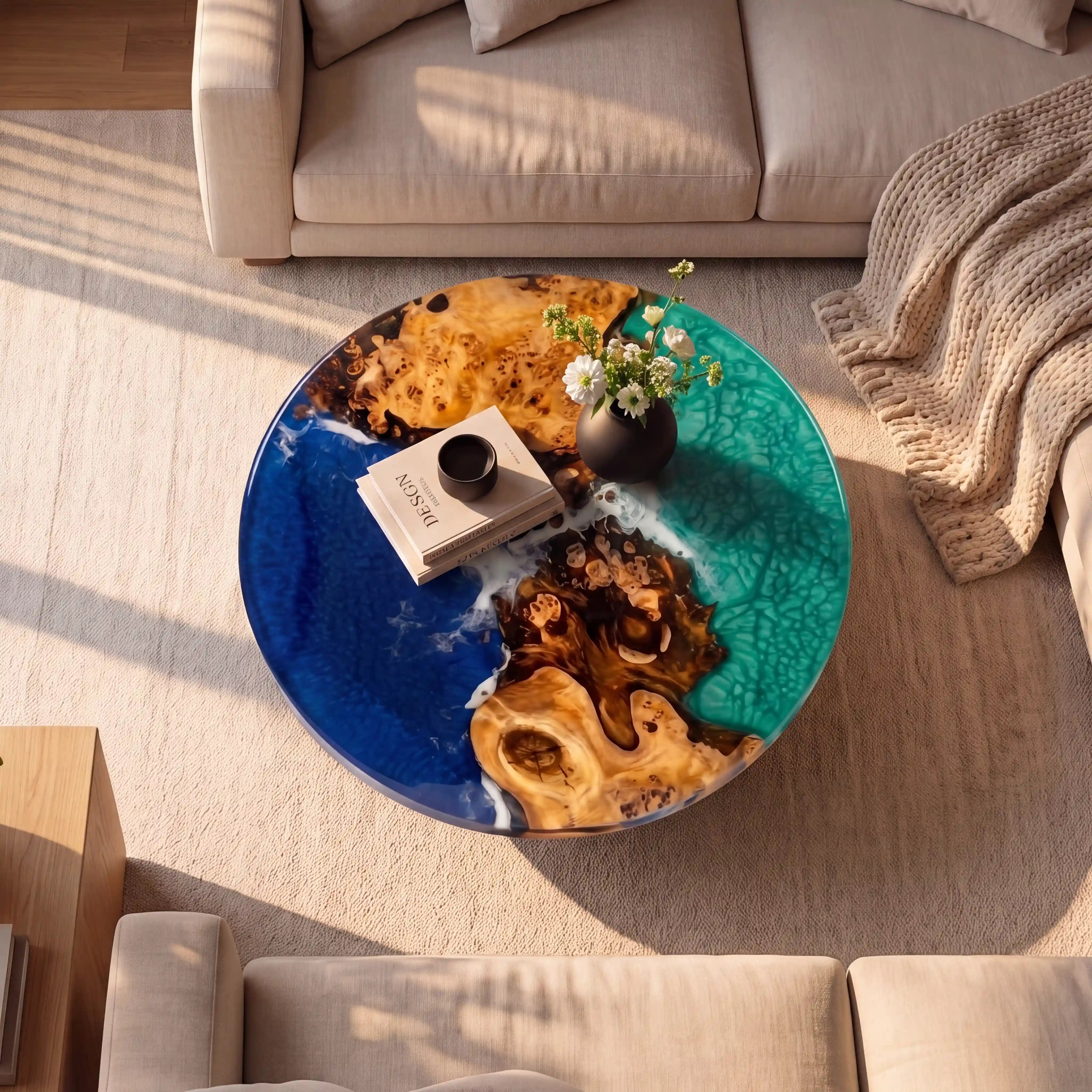
A statement coffee table can change the visual center of a living room.
This makes furniture part of the renovation strategy.
The Difference Between Temporary Furniture and Long-Term Furniture
If someone expects to move within two years, furniture decisions can be heavily influenced by portability, price, and flexibility.
But if the home becomes a long-term residence, the calculation changes.
A homeowner may be more willing to buy something specifically sized for the room.
They may choose a better material.
They may prioritize construction quality over convenience.
They may even commission a piece around the architecture.
That is where long-term furniture becomes increasingly relevant.
The Dining Table Is a Perfect Example

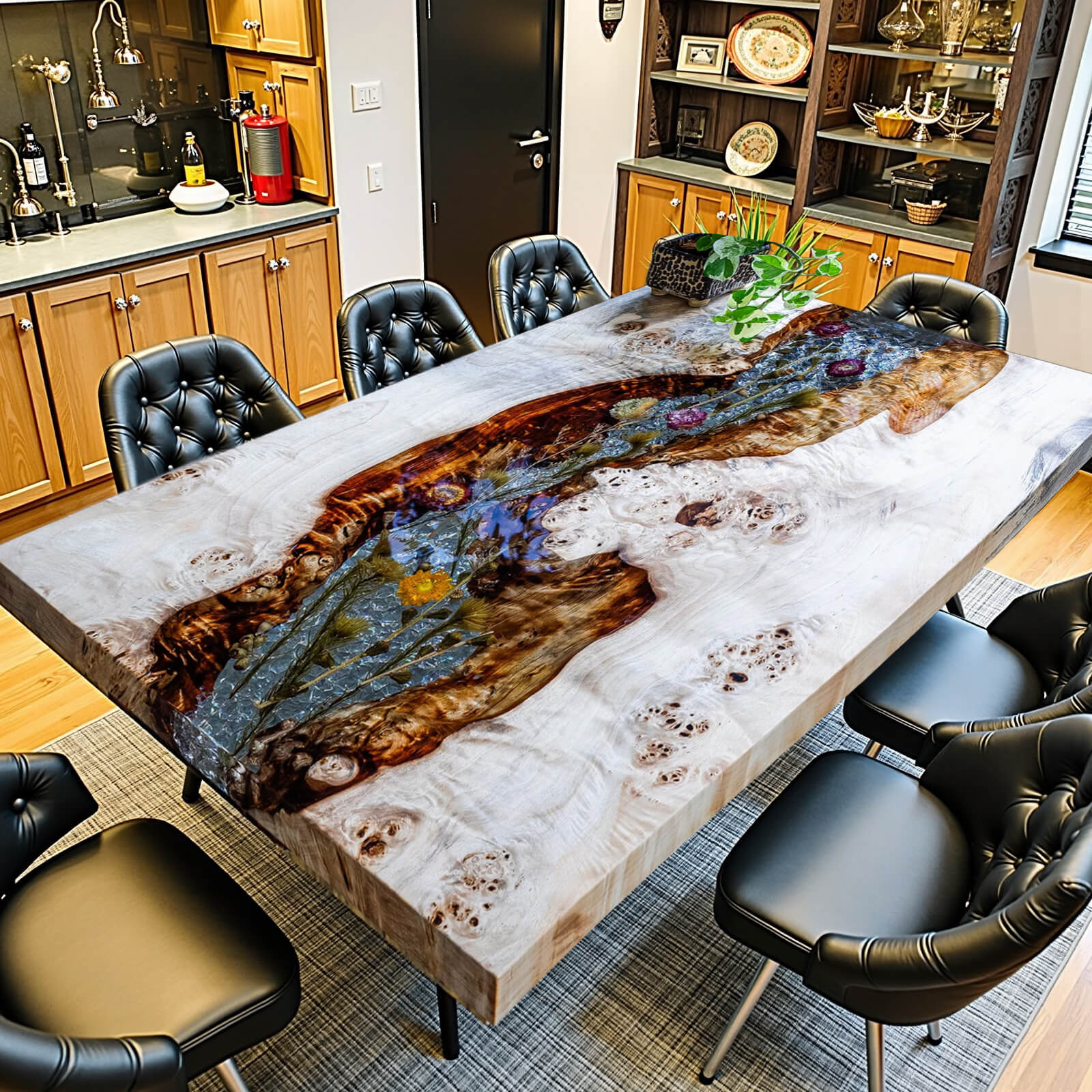
Consider a dining table.
A low-cost table may solve the immediate problem of having somewhere to eat.
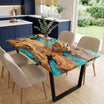
But a well-designed dining table can become part of the identity of the home.
It can remain through multiple changes in chairs, rugs, lighting, wall colors, and artwork.
This is particularly important when homeowners are not moving.
A table that might once have been considered “too specific” can become an advantage.
It belongs to the house.
Custom Dimensions Become More Valuable

Standard furniture assumes a standard room.
Real houses are rarely standard.
A room may have an unusually long wall.
A narrow circulation path.
An architectural column.
A window that changes the ideal furniture placement.
A custom furniture piece can respond to those conditions.
This is one of the strongest arguments for investing in furniture during a stay-put period.
The longer someone expects to remain in the home, the more valuable a piece designed specifically for that environment can become.
“Investment Furniture” Does Not Mean Buying the Most Expensive Piece
There is a common misunderstanding around the idea of furniture investment.
It does not necessarily mean purchasing the most expensive designer item available.
Instead, it means evaluating cost against useful life.
A $600 table that needs replacing several times may not automatically be the economical option.
A substantially more expensive piece that remains useful for decades can have a different lifecycle.
This is especially relevant for major furniture categories such as dining tables, beds, sofas, desks, and storage.
The key question becomes:
How long do I realistically expect to use this?
Natural Materials Work Especially Well in Long-Term Homes

One reason natural materials continue to attract attention is that they can evolve.
Wood can develop patina.
Leather can soften.
Stone can acquire subtle signs of use.
These changes can become part of the character of the home.
That is different from disposable furniture, where visible wear can make the object feel outdated or damaged.
A well-designed natural material can become more interesting as it ages.
The Stay-Put Home Is Not Necessarily a Compromise
The phrase “renovating instead of moving” can sound like homeowners are settling.
That is not necessarily the case.
A homeowner may discover that improving the current house provides something a new house cannot: familiarity.
The neighborhood is known.
The commute is known.
The surrounding community is established.
The home already has memories attached to it.
Renovation then becomes a way of making the existing environment better suited to the next stage of life.
That includes furniture.
What This Means for Furniture Brands

The stay-put trend changes the way furniture should be presented.
Consumers do not necessarily need another temporary styling object.
They may want furniture that solves a real spatial problem.
They may want better materials.
They may want a piece that can survive multiple interior redesigns.
They may want customization without sacrificing quality.
This creates a stronger role for furniture as part of the home's long-term identity.
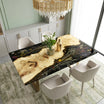
For homeowners considering a statement dining piece, Createatable's Best Sellers collection offers a starting point for exploring different shapes, materials, and visual styles.
And when an existing room has unusual dimensions or a very specific design direction, the Design Your Epoxy Table page provides a route toward a more tailored piece.
The Bigger Shift: From Moving to Improving
The housing market will eventually change.
Mortgage rates will move.
Inventory will change.
Buyer confidence will rise and fall.
But the underlying idea behind the stay-put movement may last longer.
People are becoming more aware that their home does not have to be replaced to become better.
Sometimes the better strategy is to understand the space you already have and invest selectively.
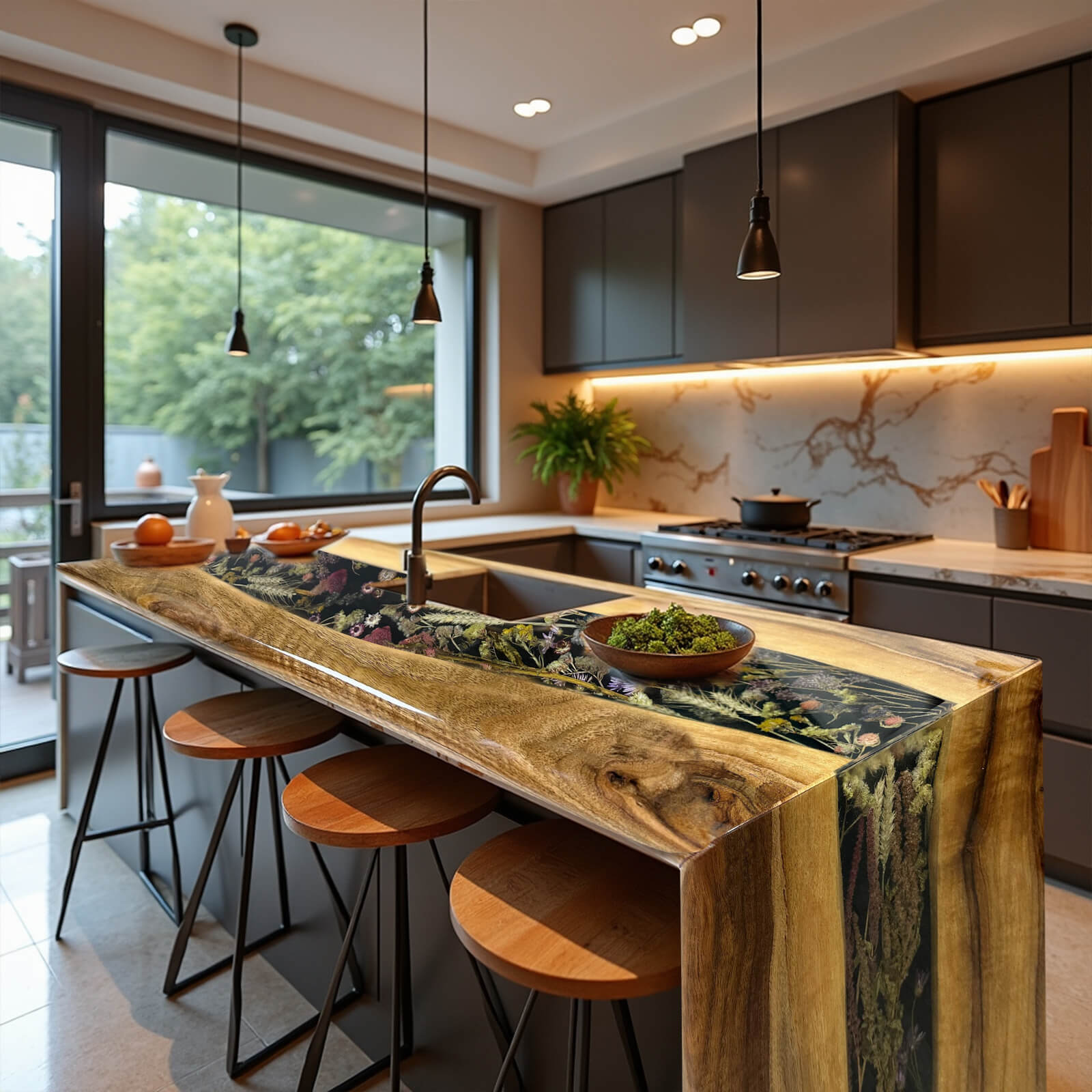
That could mean renovating the kitchen.
Reworking the lighting.
Replacing an uncomfortable sofa.
Adding artwork.
Or finally buying the dining table that fits the room properly.
Furniture therefore becomes part of a larger philosophy:
Don't furnish for the next owner. Furnish for the life you actually want to live.
That may be the most important implication of the Americans renovating instead of moving trend.
The future of home improvement may not always be about making a house more marketable.
It may increasingly be about making the current home more worth staying in.