







Quick Answer: Fall 2026 kitchen design is moving away from the idea of the kitchen as a purely functional workspace. Designers are increasingly introducing freestanding furniture, dining tables, artwork, vintage pieces, softer lighting, natural stone, and richer materials. The result is a kitchen that feels more like a comfortable living environment—one designed for cooking, gathering, working, and staying.
The Kitchen Is Becoming a Room Again
For years, kitchen design focused heavily on efficiency.
More storage.
More cabinetry.
Bigger islands.
Integrated appliances.
Hidden everything.
That approach solved real problems, but it also created a visual consequence: some kitchens began to look more like highly engineered workstations than rooms where people actually lived.
Fall 2026 design coverage suggests a different direction.
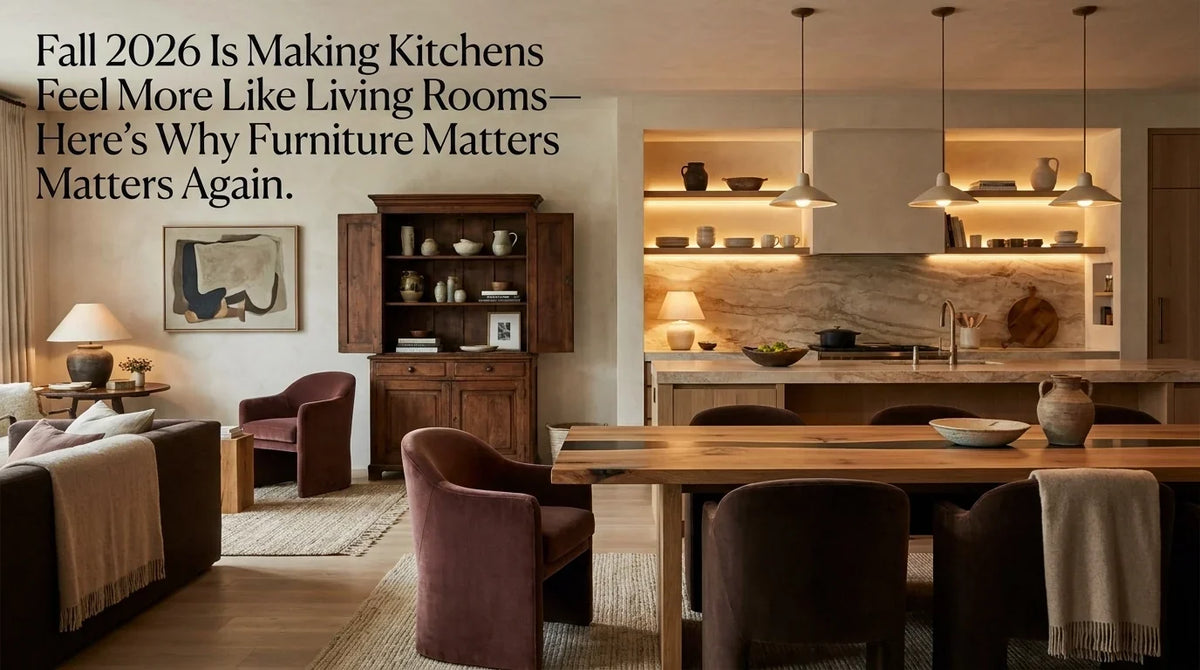
Designers are bringing back furniture, art, softer lighting, antique elements, and natural materials. Rather than treating every surface as part of one continuous fitted system, they are allowing the kitchen to have the visual variation of other rooms in the home.
1. Freestanding Furniture Is Breaking Up the Built-In Look

One of the clearest Fall 2026 kitchen trends is the return of freestanding furniture.
Antique cupboards, open bookcases, standalone tables, and furniture-like storage can make a kitchen feel less rigid.
This is important because furniture introduces something cabinetry often lacks: visual independence.
A freestanding cabinet can look like a piece of furniture rather than an architectural component.
A dining table can visually separate the kitchen from the living area without creating a wall.
This approach also makes it easier to mix old and new.
A modern kitchen can contain a vintage cabinet.
A contemporary stone island can sit beside an antique dining table.
The contrast makes the room feel collected rather than manufactured.
2. The Dining Table Is Becoming More Important

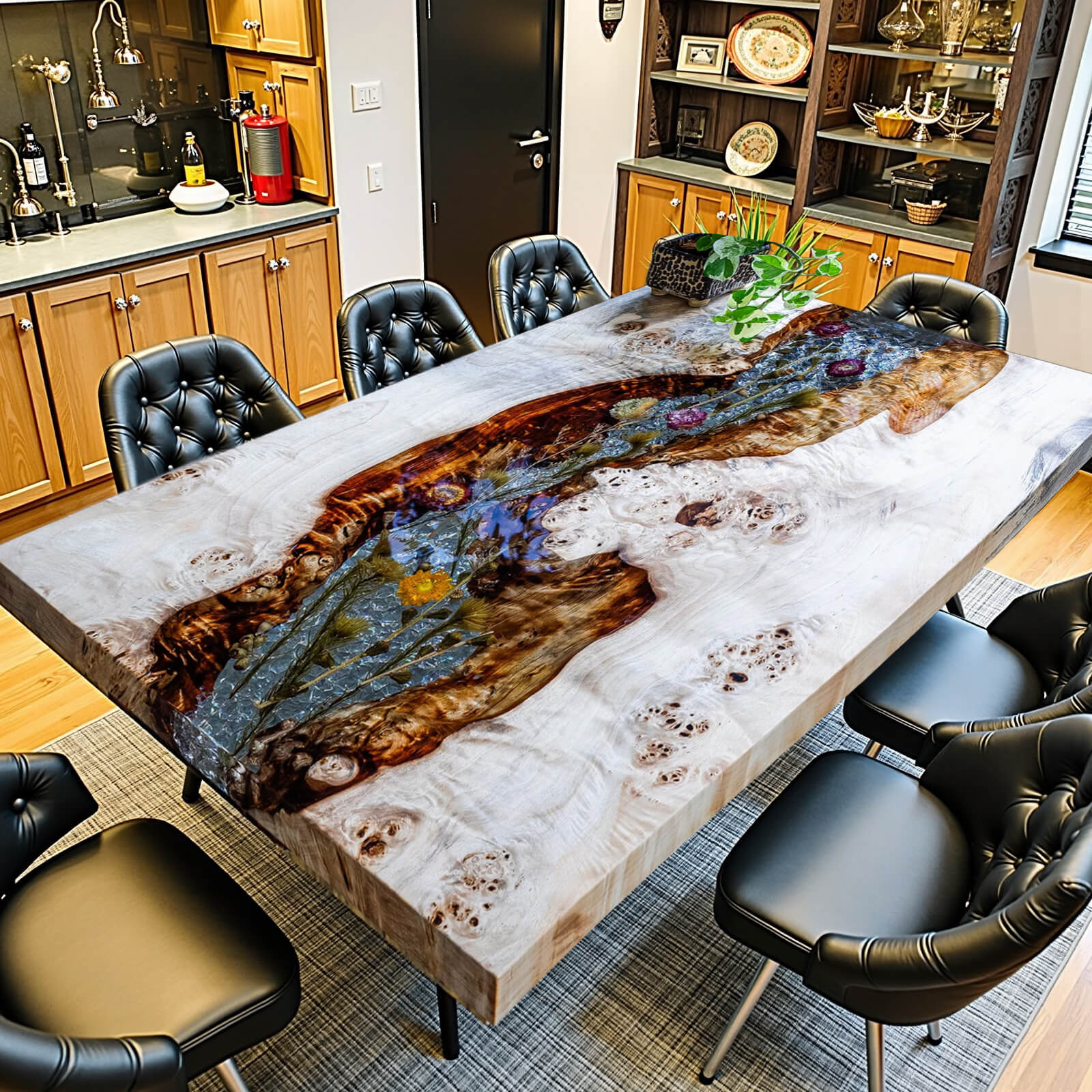
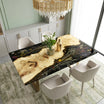
If the kitchen is becoming more like a living room, the dining table becomes one of its most important furniture pieces.
The table is where the kitchen becomes social.
It supports meals, conversation, homework, remote work, entertaining, and everyday life.
That makes the dining table different from a conventional work surface.
It has to feel comfortable from every side.
It also needs to visually connect with the rest of the home.
For homeowners considering a major furniture investment, this makes proportion particularly important.
The table should not overwhelm circulation.
But it also should not disappear visually.
A substantial dining table can act almost like an architectural anchor.
3. Lighting Is Getting Softer

Another important change is lighting.
The traditional kitchen often relies heavily on bright overhead illumination.
That works well while cooking.
It does not necessarily create the best atmosphere at 7 p.m. when dinner is finished and people are still sitting around the table.
Designers are increasingly using table lamps, dimmers, accent lighting, and softer pools of illumination to make kitchens feel more comfortable.
This seemingly small change can transform the psychological character of a kitchen.
It becomes less like a workspace and more like a place to stay.
4. Natural Stone Is Becoming More Expressive
Natural stone is also becoming more visually important.
Instead of treating stone as a neutral background, designers are embracing stronger movement and natural variation in materials such as marble and quartzite.
Honed and leathered finishes are also gaining attention because they provide a softer, less reflective appearance and can work naturally with everyday wear.
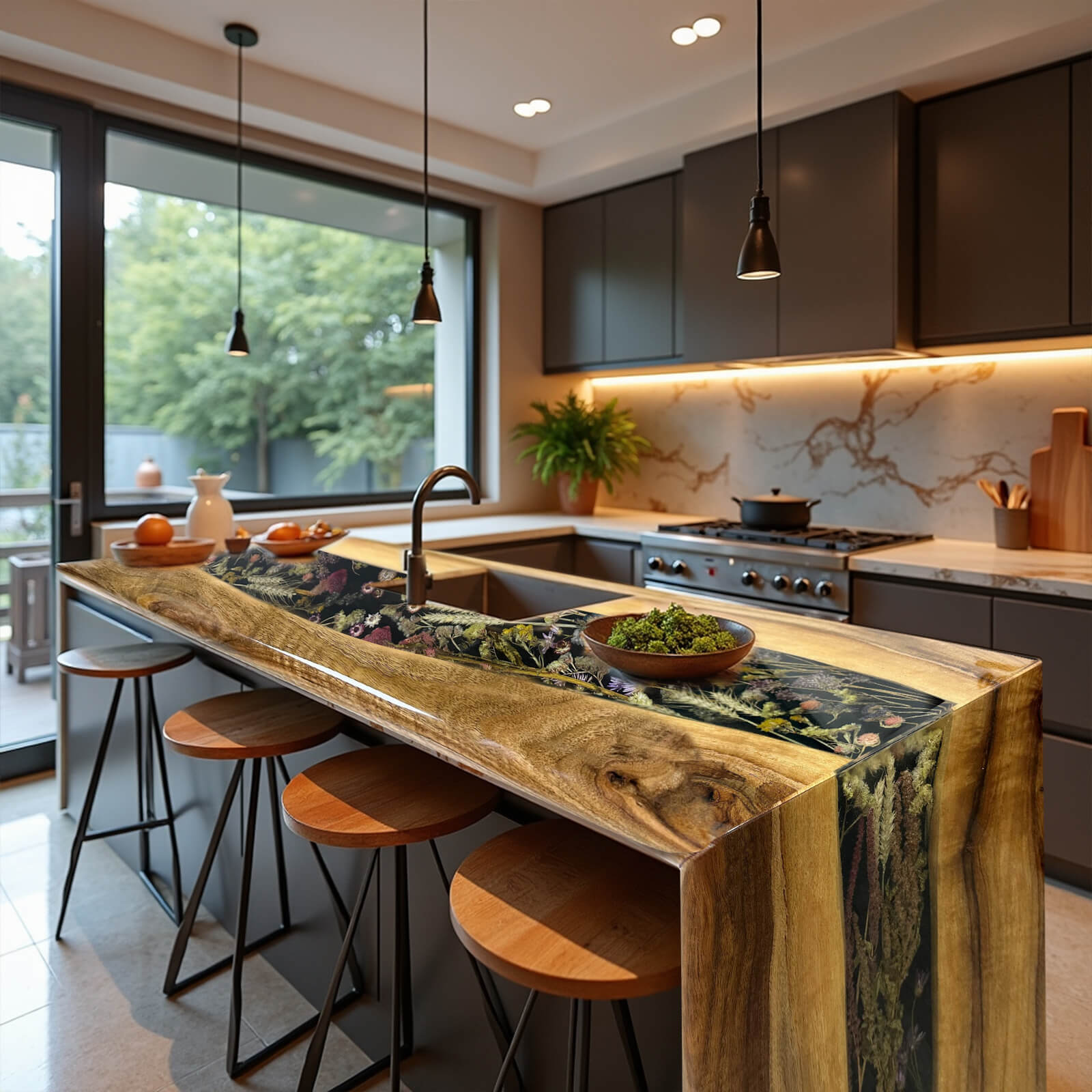
The combination of stone and wood is particularly effective.
Stone provides weight and architectural presence.
Wood provides warmth.
Furniture introduces another layer of scale.
Together, they create a more complex material palette without requiring excessive decoration.
4. Richer Color Is Replacing the Purely Neutral Kitchen

Fall 2026 is not necessarily about making every kitchen dark.
It is about giving the room more visual depth.
Deep brown cabinetry, muted burgundy, olive, navy, aged metal, natural wood, and creamy stone can create a richer environment.
This aligns with the broader 2026 kitchen design trends toward warmth, personality, and tactile materials.
The important distinction is that color should feel integrated rather than seasonal.
A burgundy chair or dark wood table can remain relevant long after fall.
5. The Kitchen Is Becoming a Social Room

The biggest change may not be aesthetic at all.
It is behavioral.
People do not necessarily want to finish cooking and leave the kitchen.
They want to remain there.
They want to talk.
Work.
Read.
Have coffee.
Host friends.
Help children with homework.
That is why kitchen living room design matters.
The kitchen is increasingly being designed around multiple types of activity rather than one primary function.
This does not mean every kitchen needs a sofa.
It means the design language can become more residential.
What Homeowners Can Take From the Trend
The easiest way to apply the Fall 2026 kitchen trend is not necessarily a full remodel.
Start with furniture.
Replace one overly functional element with something that feels more residential.
Bring in an antique cabinet.
Add artwork.
Change the dining table.
Introduce softer lighting.
Use natural materials with visible variation.
The goal is not to make the kitchen less functional.
It is to make functionality feel beautiful.
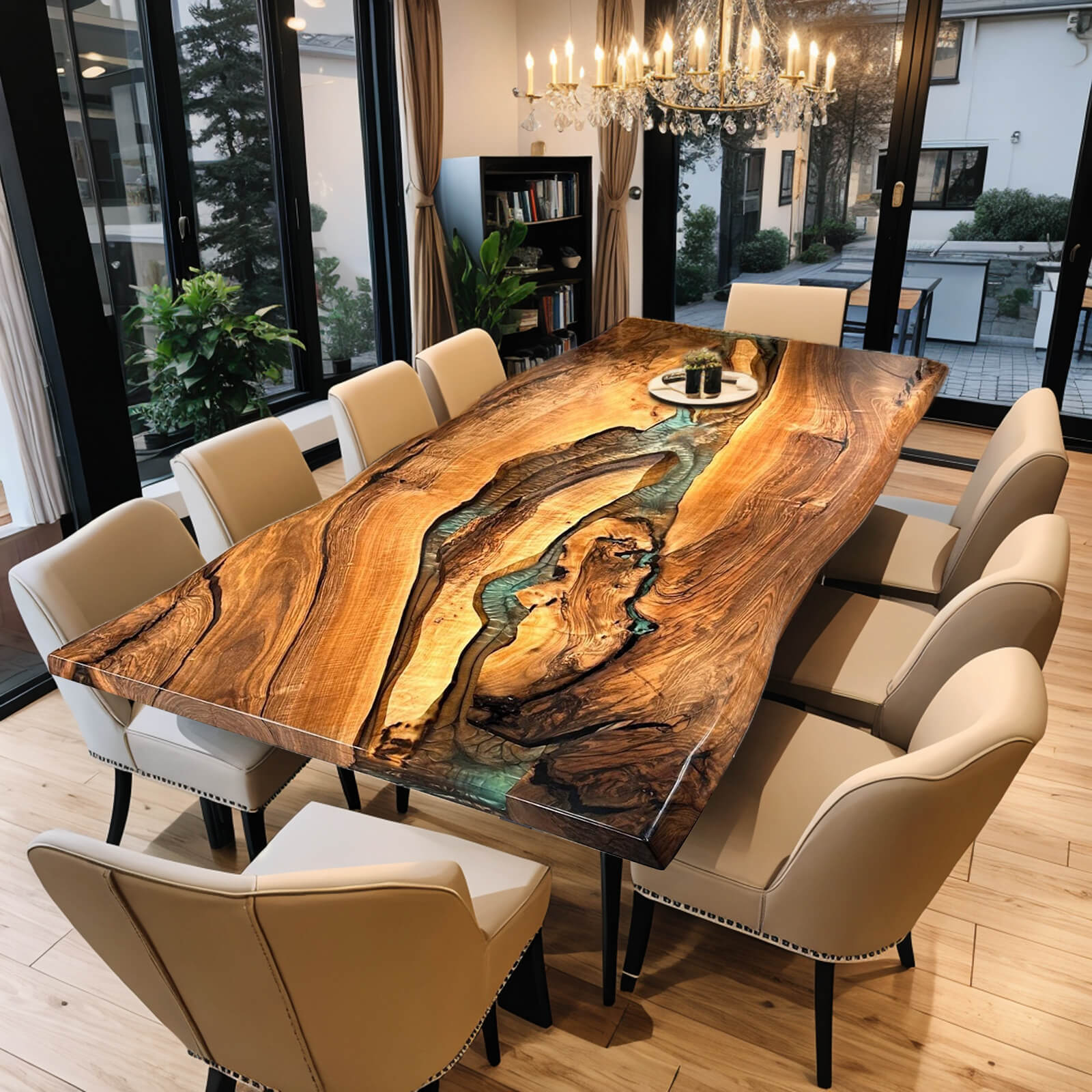
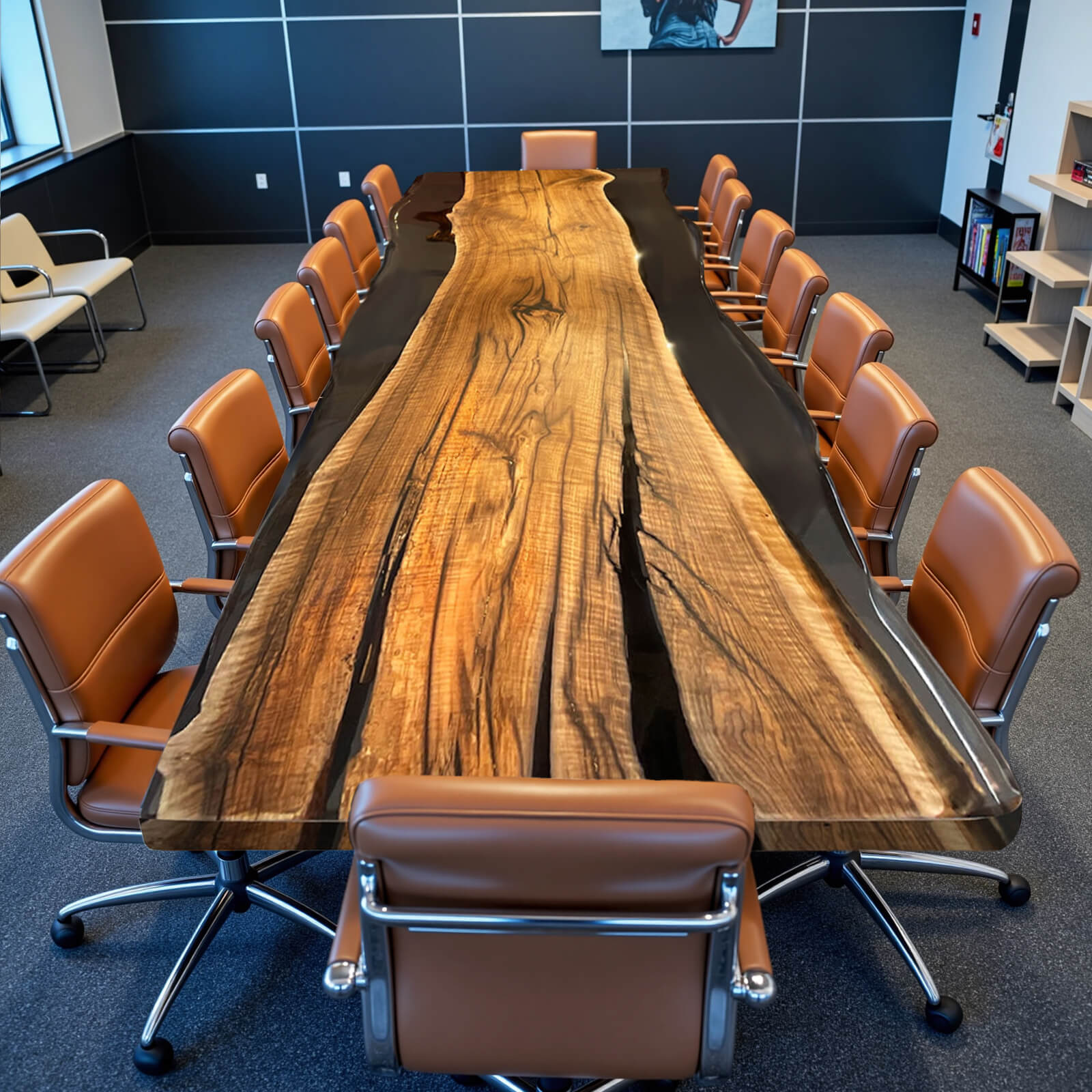
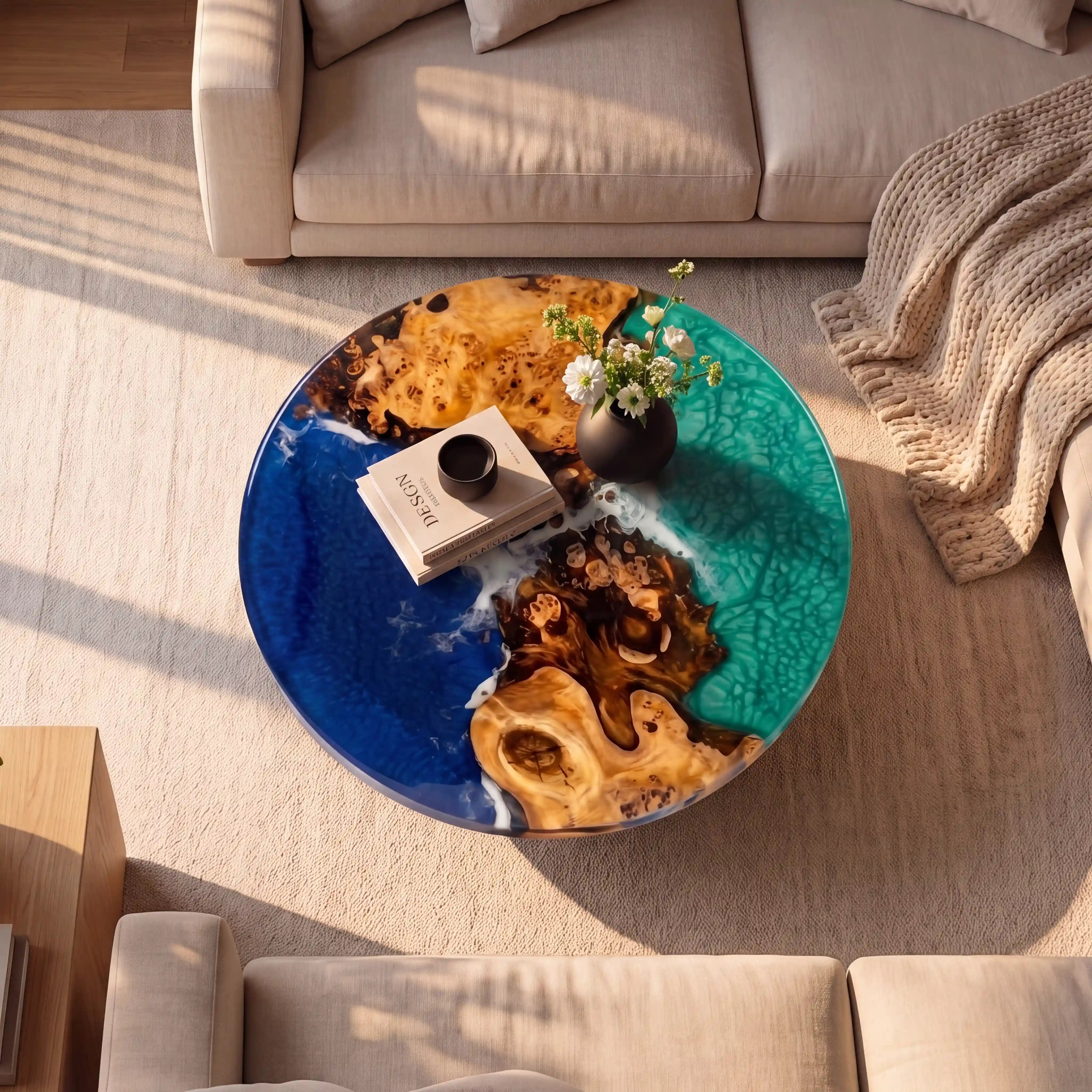
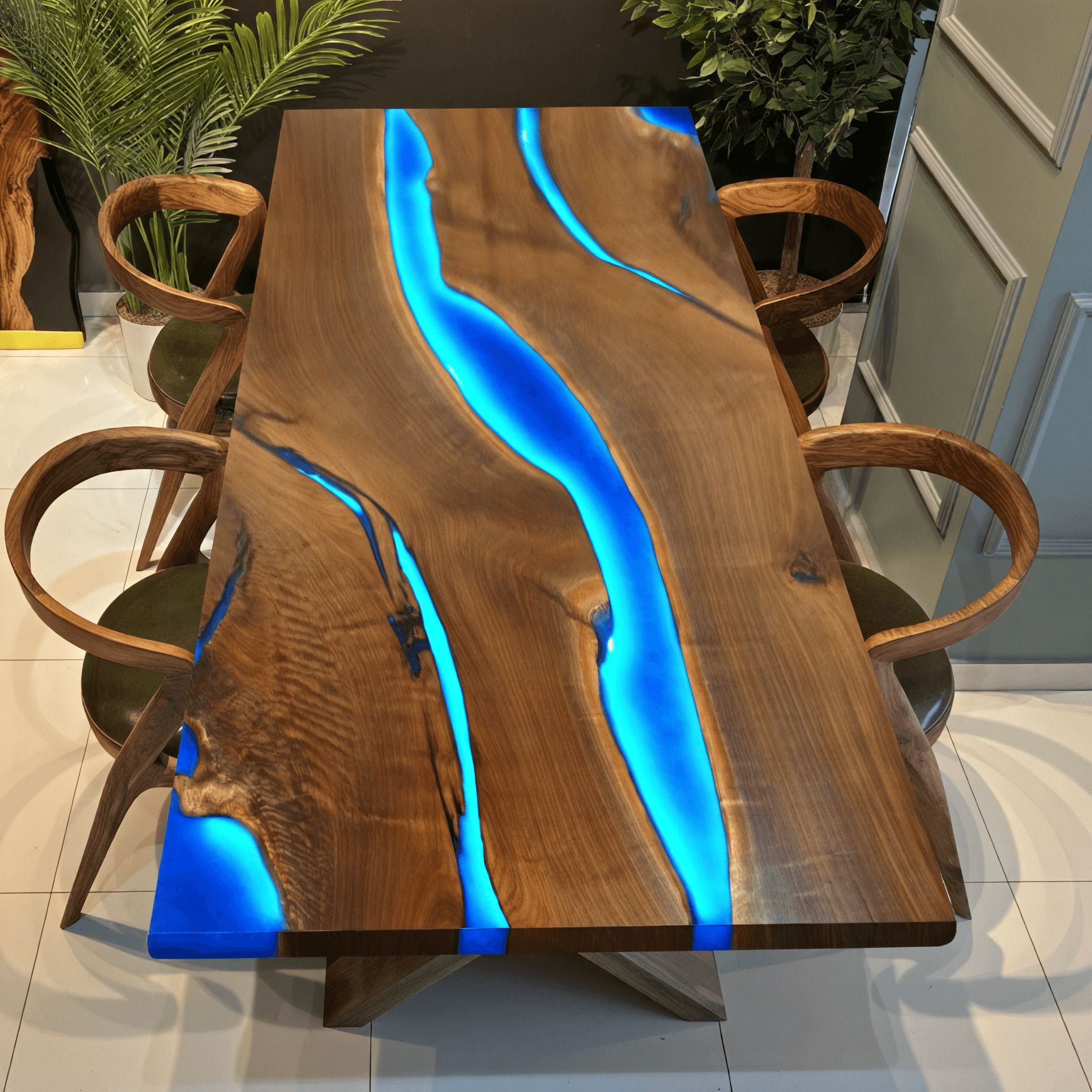
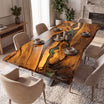
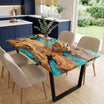
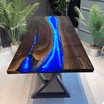
For homeowners looking for a substantial dining centerpiece, Createatable's Epoxy Dining Table collection provides examples of how natural wood and resin can introduce character into a kitchen or dining area.
For a more individualized result, the Design Your Epoxy Table page allows the table to be developed around dimensions, material preferences, and the visual character of the room.
The larger lesson from Fall 2026 kitchen trends is simple:
The kitchen no longer has to look like a kitchen showroom.
It can look like a room where people actually live.
And once furniture, art, lighting, natural materials, and personality enter the space, the kitchen becomes less about appliances and more about everyday life.