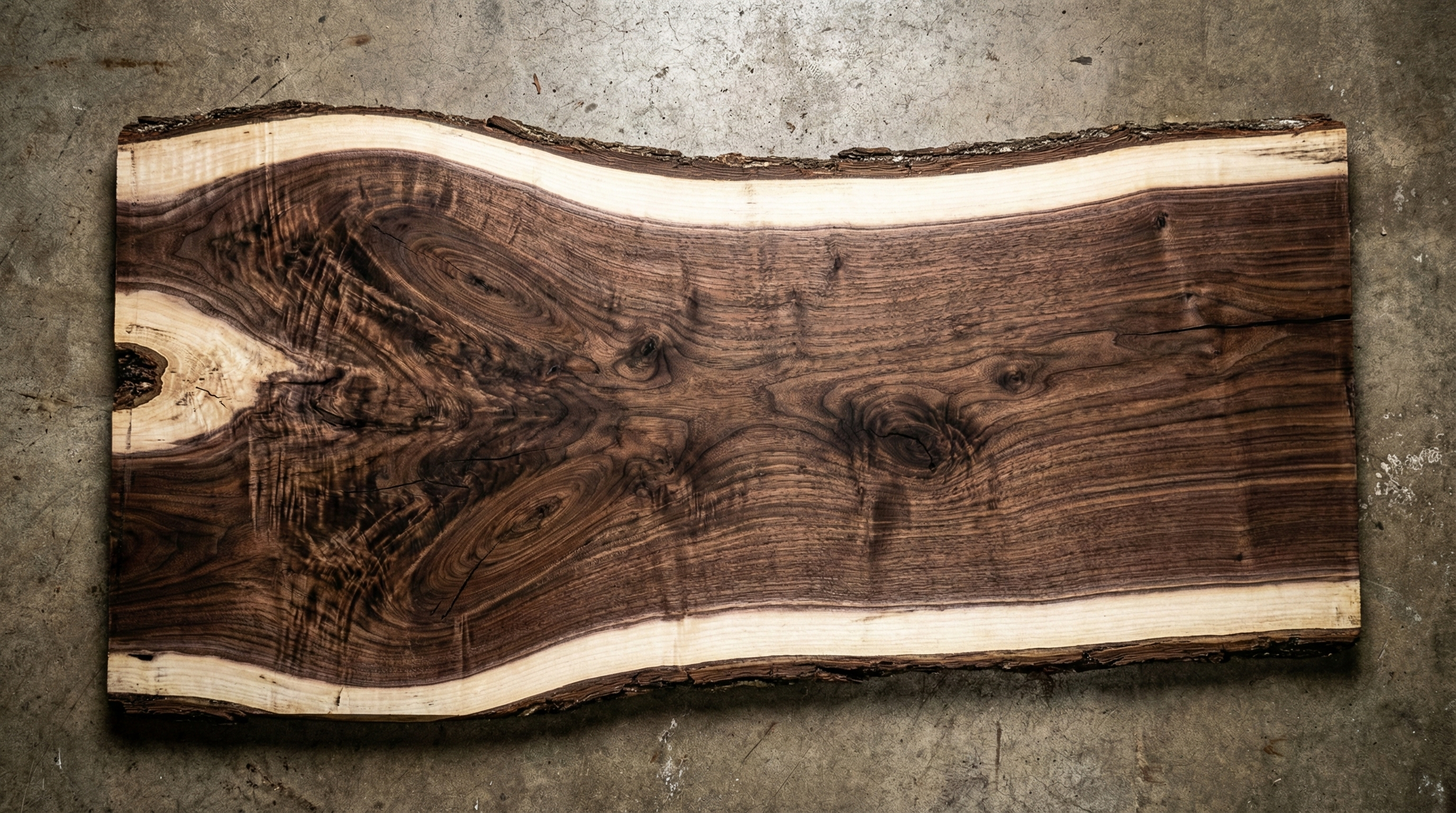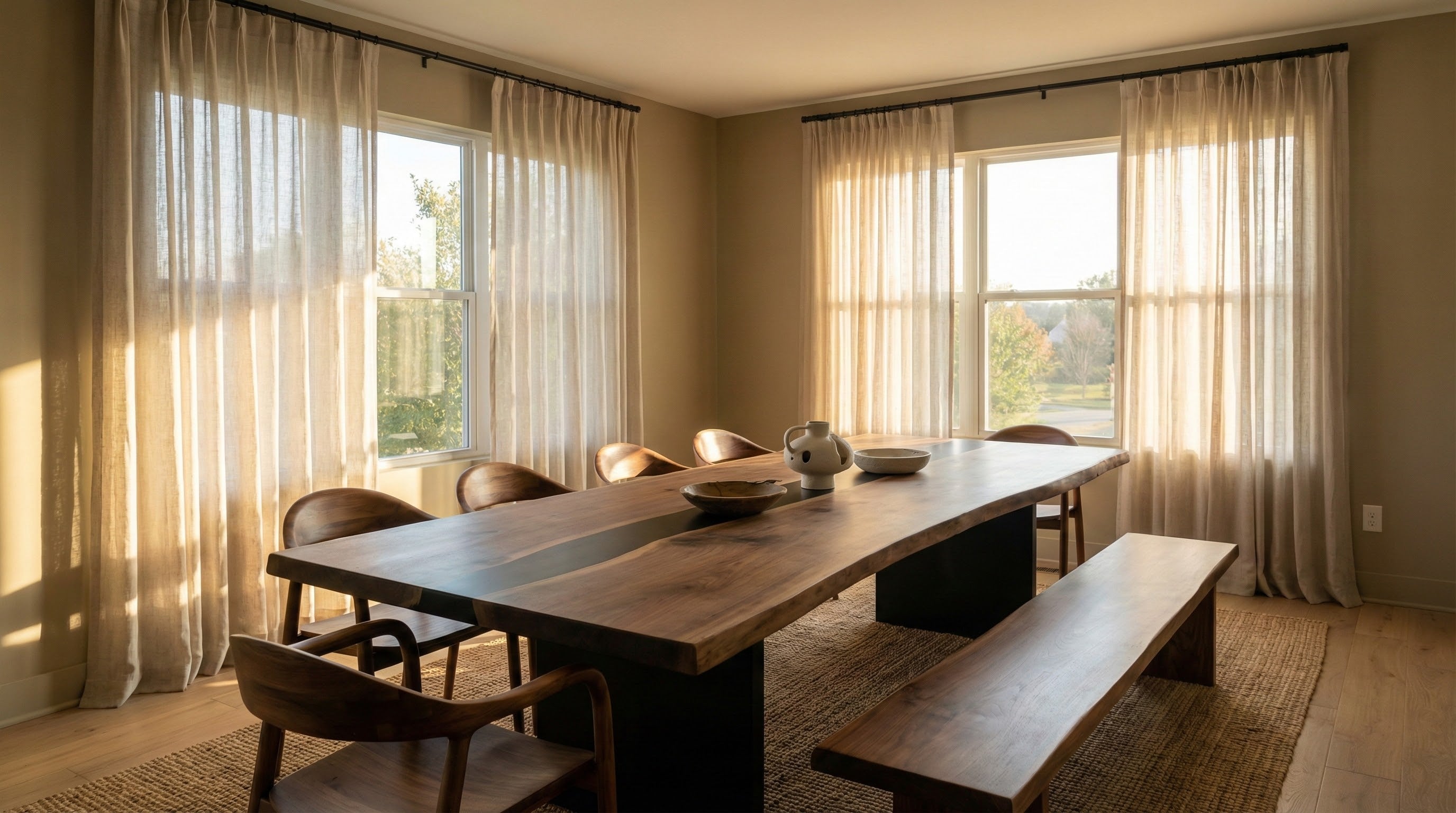
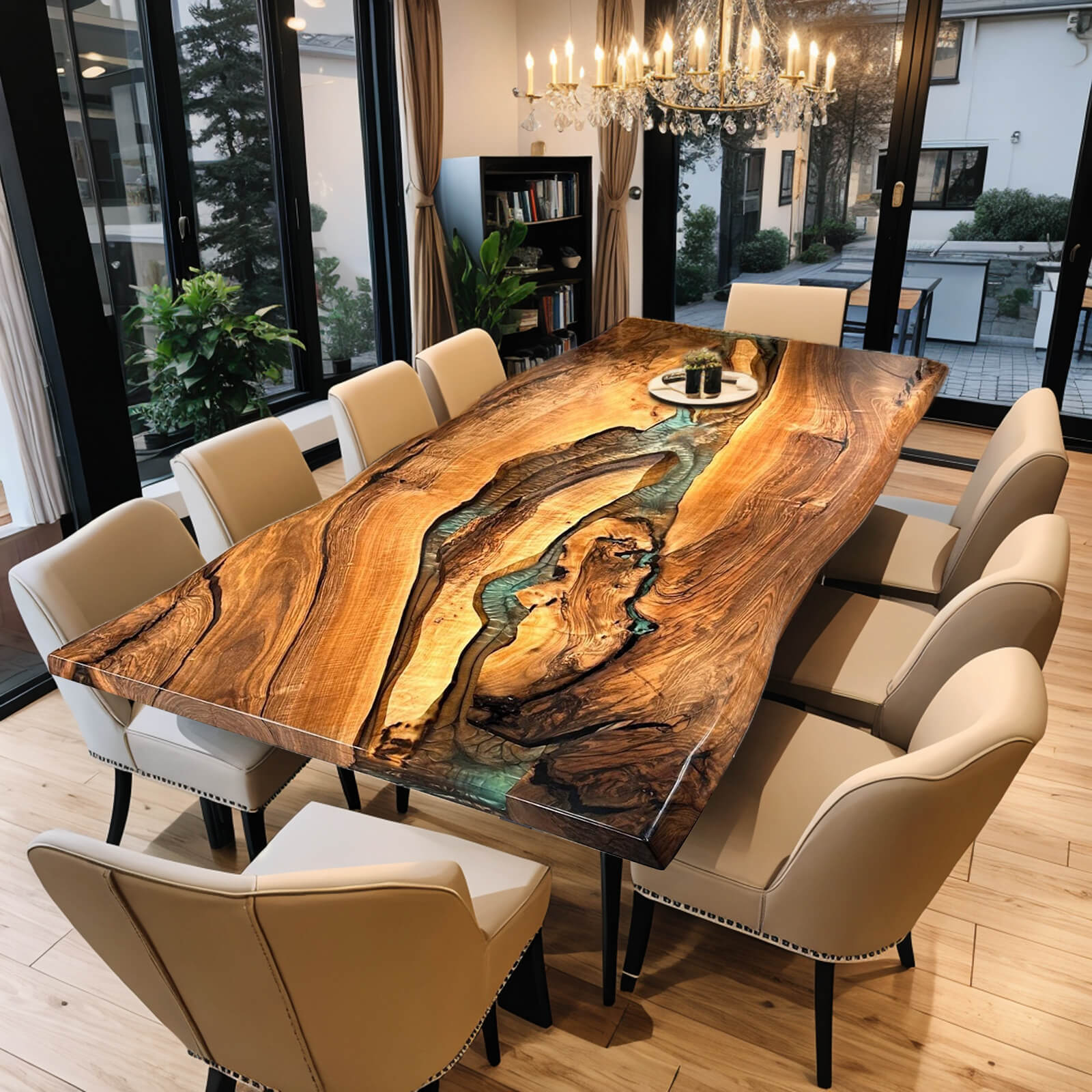
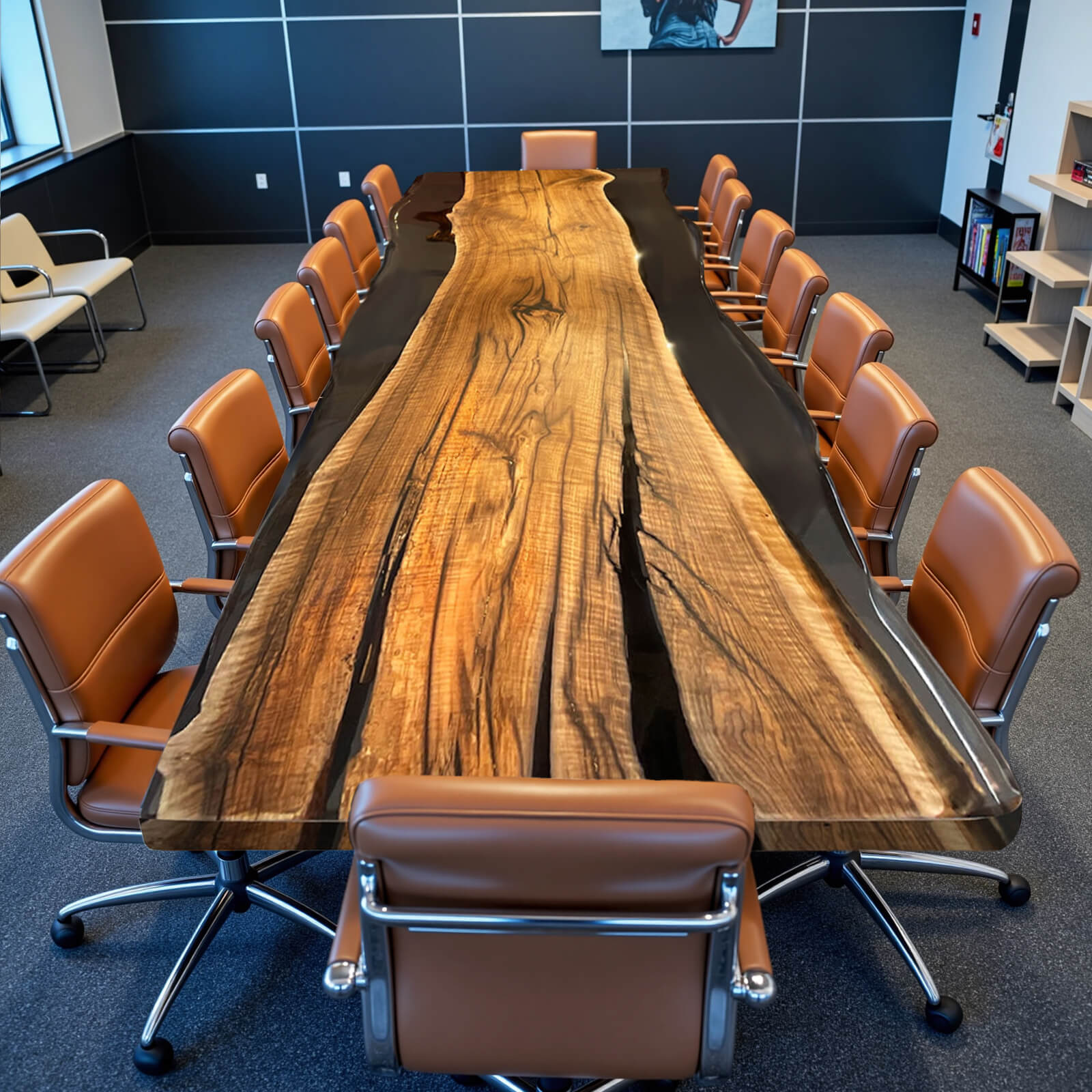
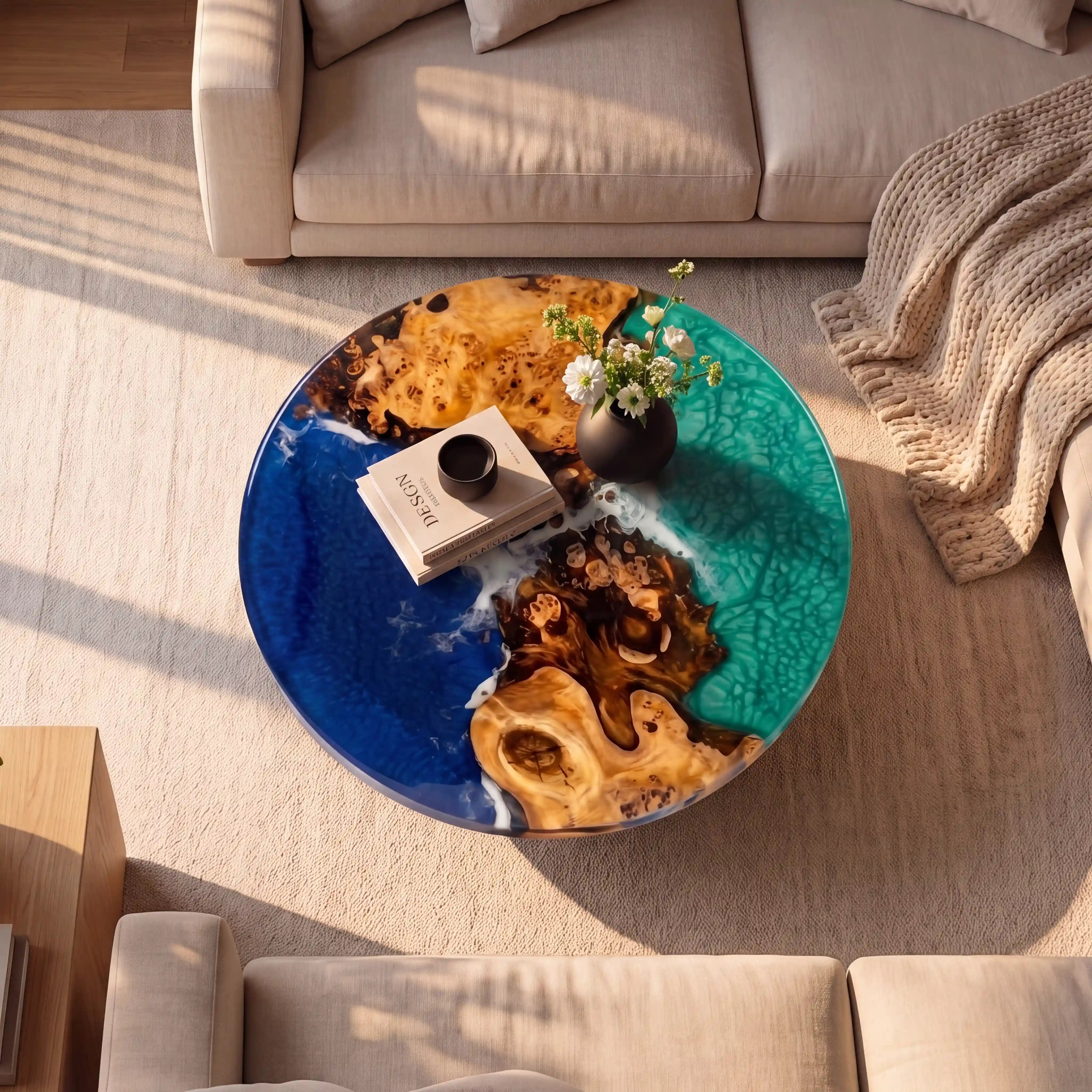
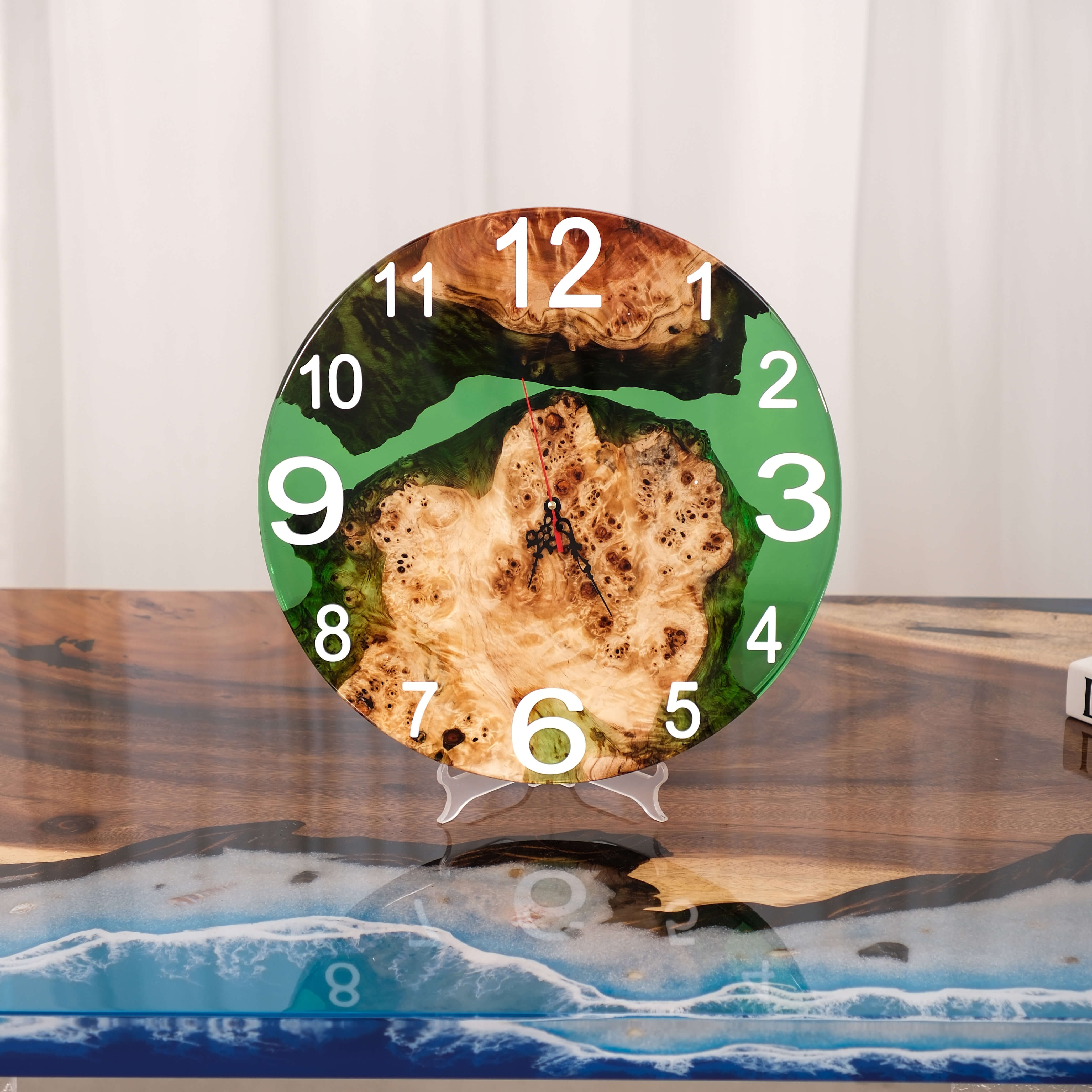
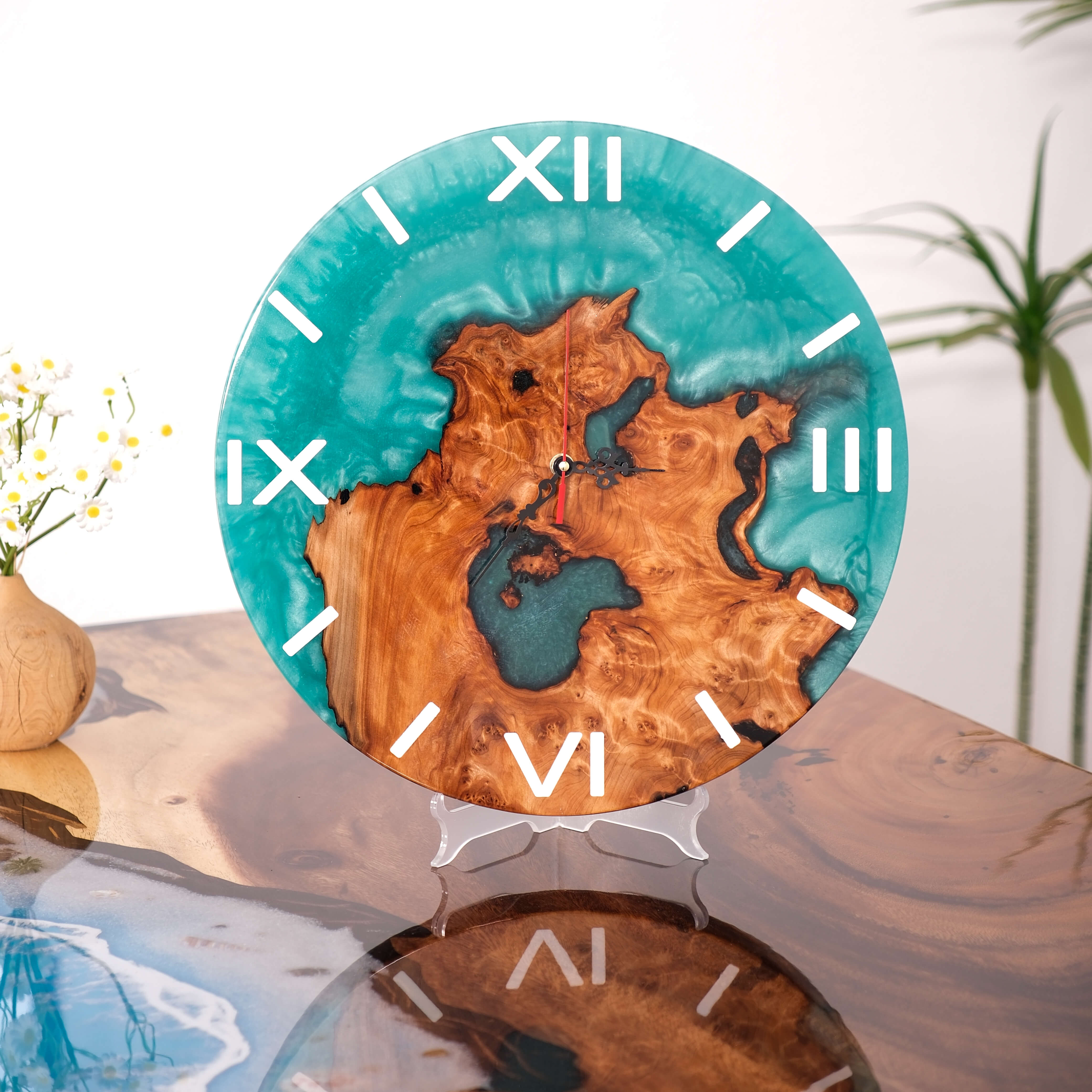
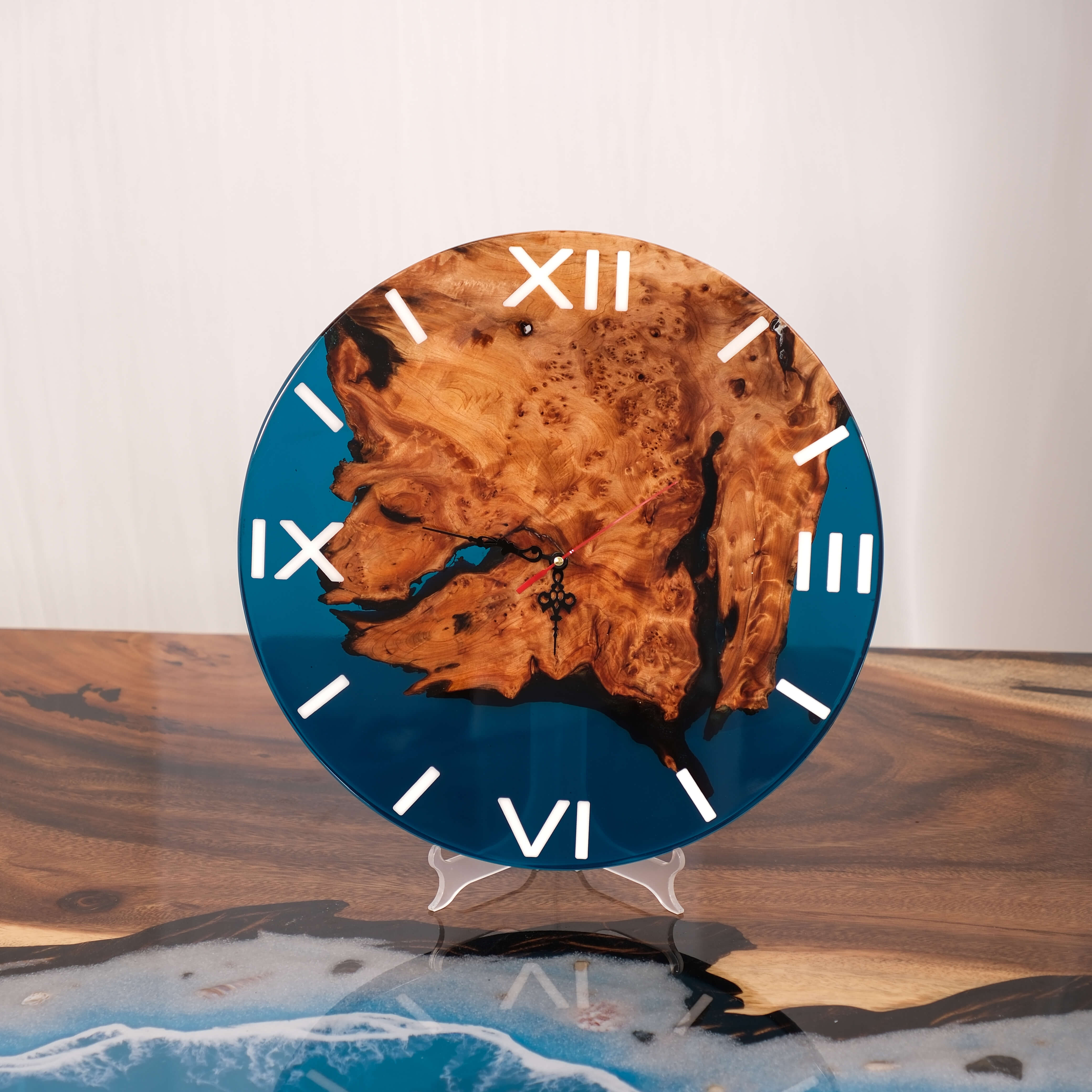
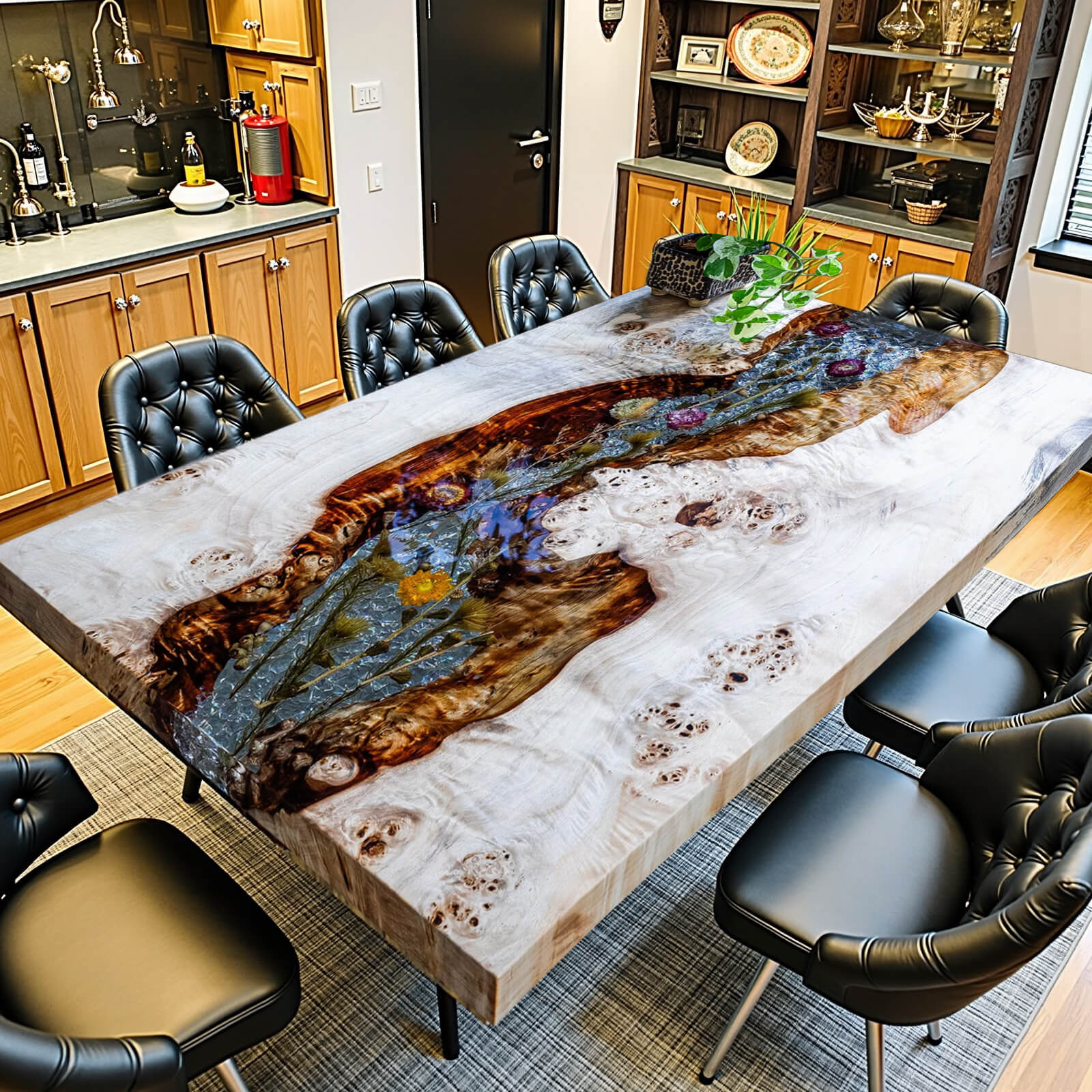
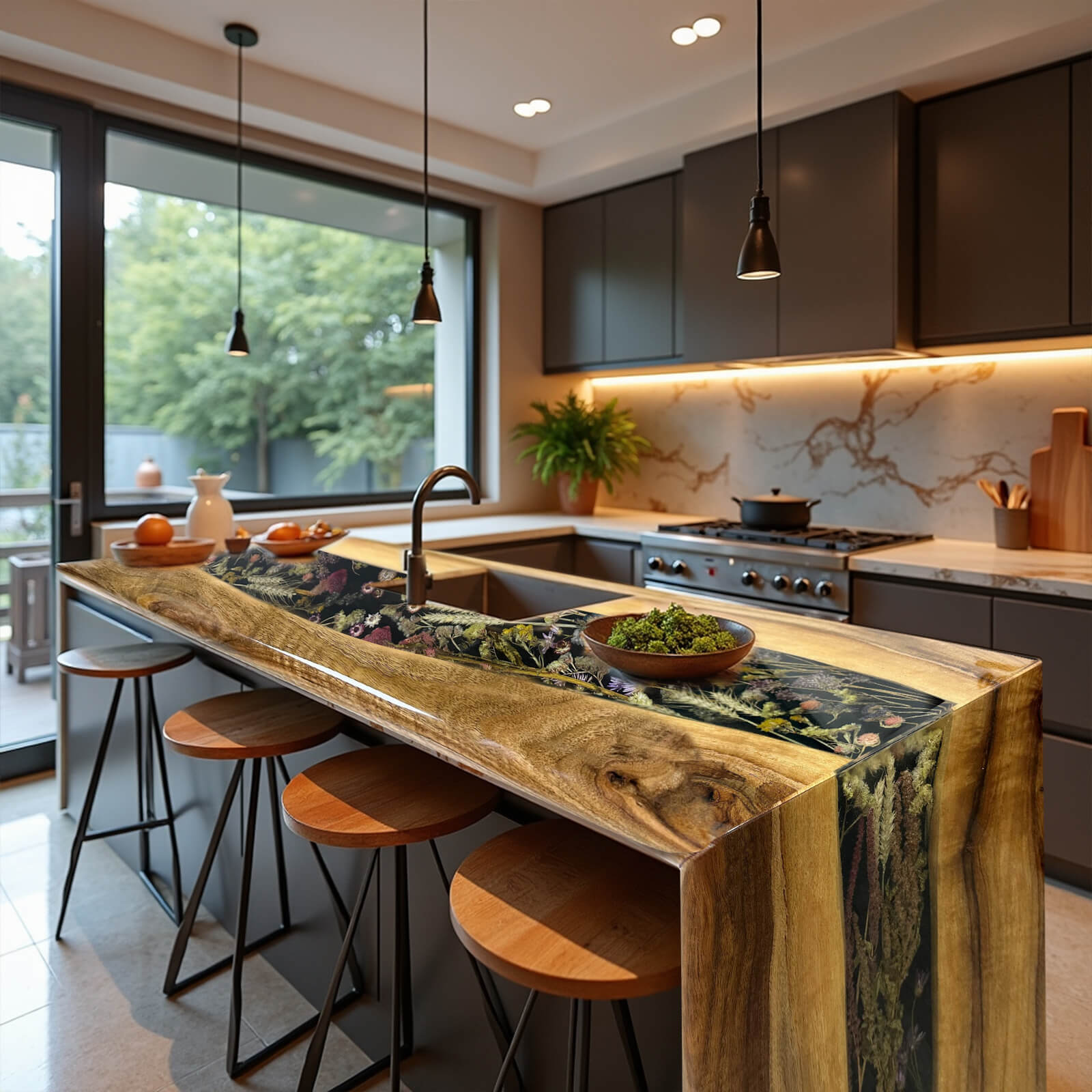
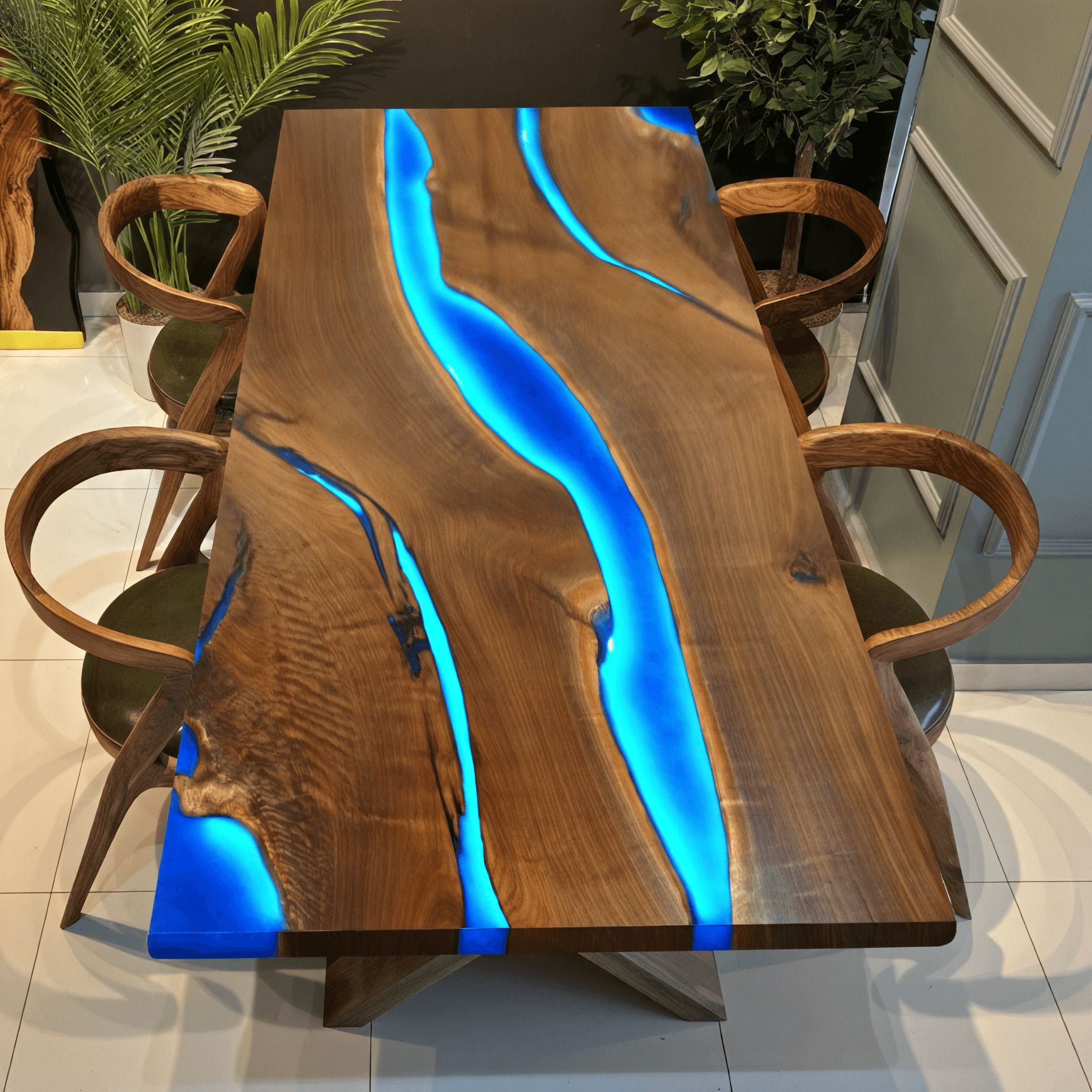
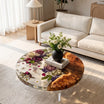
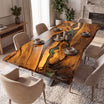


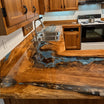


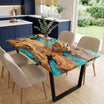
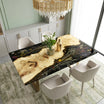
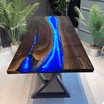




We hear this hesitation all the time from our clients. They fall in love with the artistic beauty of a Custom River Table online—the flowing lines, the natural wood, the translucent depth. But then, the doubt creeps in.
"Will this look good in my actual house?" "Is it too... rustic?" "Will it look like a bachelor pad or a hunting lodge?"
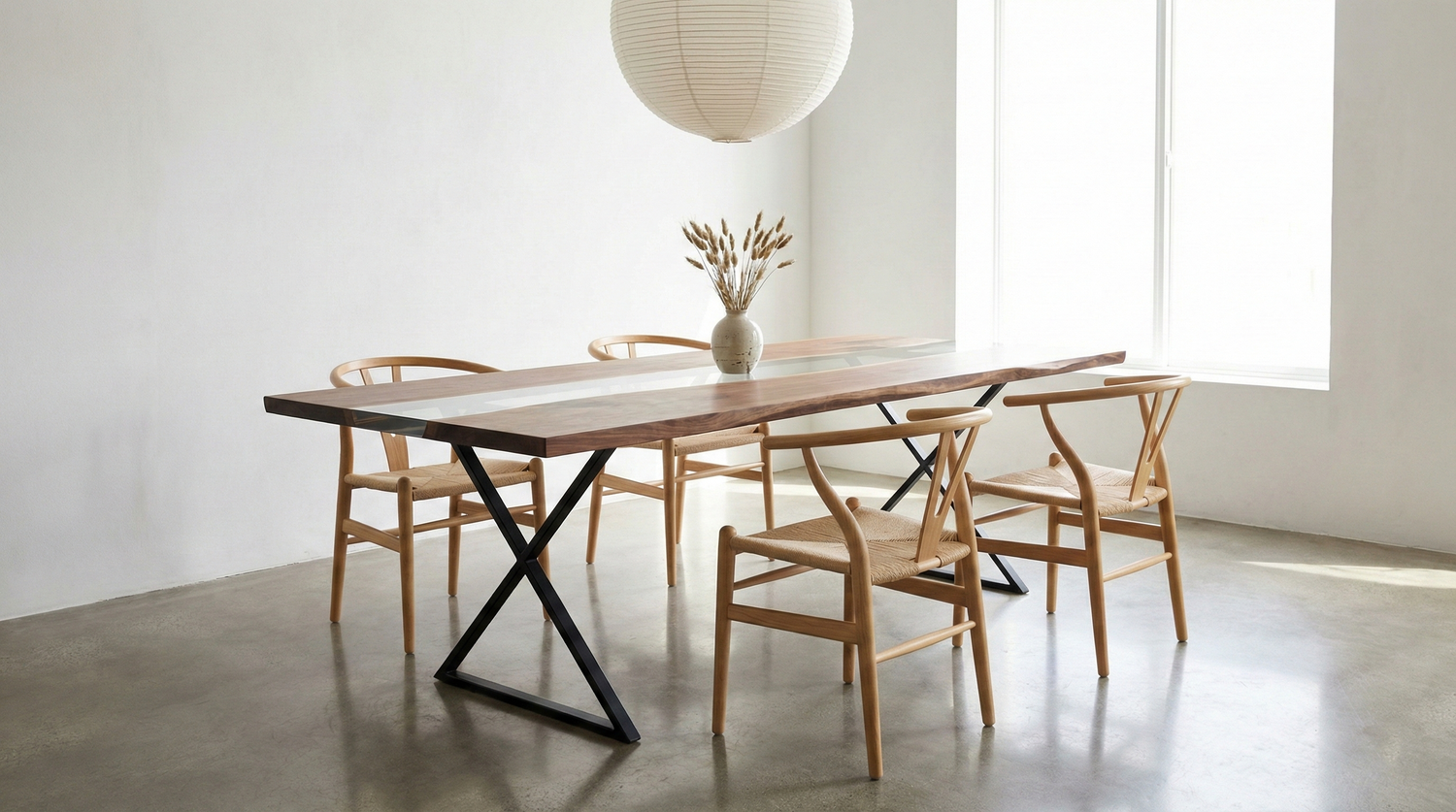
These are valid concerns. Live edge furniture is bold. It has a big personality. If you style it incorrectly, it can look out of place. But if you style it correctly, it is the ultimate "warm minimalist" statement piece that bridges the gap between nature and modern architecture.
In 2025, the trend is "Organic Modern"—clean lines softened by natural materials. A river table is the crown jewel of this style. Here is your ultimate rulebook for styling your table like a pro designer.
Rule #1: Let the Table Breathe (The Chair Strategy)
Your Live Edge Dining Table is the protagonist of the room. It’s the lead actor. The biggest mistake people make is surrounding it with "loud" supporting actors (chairs).
The "Do Not" List:
l Don’T match the wood. If you have a Walnut table, do not buy Walnut chairs. It creates a "wood overload" that looks heavy and dated.
l Don’T buy chunky, ornate chairs. The table is already visually heavy; you need contrast.
The Winning Combinations:
1. The Modern Contrast: Pair a rustic wood table with Matte Black Metal chairs (like the classic Wishbone or a wireframe design). The black metal ties in with the dark knots in the wood and provides a sleek, industrial edge.

2. The Soft Touch: Use upholstered bucket chairs in a neutral fabric (bouclé, grey linen, or cognac leather). The softness of the fabric balances the hardness of the shiny resin.
3. The Invisible Chair: For smaller spaces, clear Acrylic ("Ghost") chairs are a secret weapon. They physically disappear, allowing the live edge profile of the table to be seen from every angle.
Pro Tip: Ensure your chair arms fit under the table. Live edge tables can vary in thickness. Measure the clearance to avoid scratched armrests!
Rule #2: Lighting Makes the Drama
Standard wood tables look fine under a generic chandelier. But Epoxy Resin Tables interact with light in a unique way. They are translucent. To get that glowing, magical "river" effect, you need to light them specifically .
The Kelvin Scale (Color Temperature) The color of your light bulb matters.
l Too Cool (5000K+): Makes the wood look grey and the resin look sterile/clinical.
l Too Warm (2700K-): Makes the white sapwood look yellow and muddies the blue/grey resin.
l The Sweet Spot: Aim for 3000K to 3500K. This is a crisp, neutral warm white that makes the walnut pop and the resin sparkle without altering the colors.
l The Fixture Style Ditch the round drum shade. Mirror the shape of the table.
l For a rectangular river table, use a Linear Pendant Light.
l Hang it approx. 30-34 inches above the table surface.
l The Secret: If possible, choose a fixture with "downlight" focus. When light hits the resin from directly above, it penetrates the layers, illuminating the depth of the pour (subsurface scattering). It turns your table into a light installation at night.
Rule #3: The Grounding Layer (Rug Selection)
A live edge table often has an irregular shape. Putting it on a bare floor can sometimes make it feel like it’s "floating" awkwardly. You need a rug to anchor it.
l Texture is Everything Since the table surface is smooth (resin) and hard (wood), you want a rug that introduces texture.Go-To Choice: A chunky, natural Jute or Sisal rug. The organic fibers compliment the live edge perfectly.
l Modern Choice: A low-pile vintage faded rug in grey/blue tones. This adds a bit of pattern without overwhelming the wood grain.
l The Size Rule Don't skimp on size.
l Ensure the rug is large enough that all chair legs stay on the rug even when guests pull them out to sit down.
l Typically, this means the rug should extend 24-30 inches beyond the table edge on all sides . For a standard dining table, an 8x10 or 9x12 rug is usually necessary.
Rule #4: The "Rule of Three" Centerpiece
You paid thousands of dollars for that river—don't cover it up with a giant tablecloth or a cluttered centerpiece!
Minimalist Styling: Use the "Rule of Three" to create a vignette that adds height without blocking the view.
1. Height: A tall ceramic vase with simple greenery (Eucalyptus or Olive branches are perfect).
2. Texture: A wooden bowl or a stone tray.
3. Shine: A small brass candlestick or a glass object.
Placement: Do not put the centerpiece dead center if it covers the best part of the river. It is okay to off-center your styling items to one side (the "woodier" side) to let the resin river shine as negative space.

Conclusion: Trust the Process
A CreateATable river table isn't just furniture; it is a focal point. It demands a room that respects its presence. By keeping your surrounding decor simple, neutral, and textural, you allow the natural beauty of the wood and the artistry of the resin to shine.
You are not building a "rustic cabin" room; you are building a curated art gallery where your table is the main exhibit.
Need visual inspiration? Check out our Instagram Gallery to see how real customers are styling their tables in modern homes across the USA!
Frequently Asked Questions (FAQ)
Q: Can I put a rug under a dining table if I have kids? A: Yes, but choose the right material. Avoid high-pile shags (food gets stuck) or precious silks. An "Indoor/Outdoor" rug or a low-pile polypropylene rug is virtually indestructible and can be hosed down if spaghetti happens.
Q: My table has a blue river. Do I need blue accents in the room? A: Not necessarily. In fact, matching too perfectly can look tacky. Treat the blue resin as a neutral (like denim). It goes with greys, creams, browns, and greens. You don't need blue pillows just because you have a blue table.
Q: How do I calculate the right size table for my room? A: Leave at least 36 inches (3 feet) of clearance between the edge of the table and the wall (or other furniture) to allow people to walk behind seated guests. If your room is tight, consider a bench on one side—it can be tucked under the table when not in use to save space!