







The Physics of Atmosphere: Beyond Illumination
Light is the invisible medium that defines all other materials. Without light, texture is flat, color is nonexistent, and form is invisible. In contemporary design, we are witnessing a shift from viewing lighting as a purely utilitarian necessity (visibility) to viewing it as an emotional and architectural tool. The domain of Light and Shadow is where the static physical environment becomes dynamic and fluid.
This section explores the advanced manipulation of light through translucency, refraction, and occlusion, particularly through the lens of modern materials like epoxy resin and biophilic textures.
The Resin Lens: Capturing the Caustic Effect
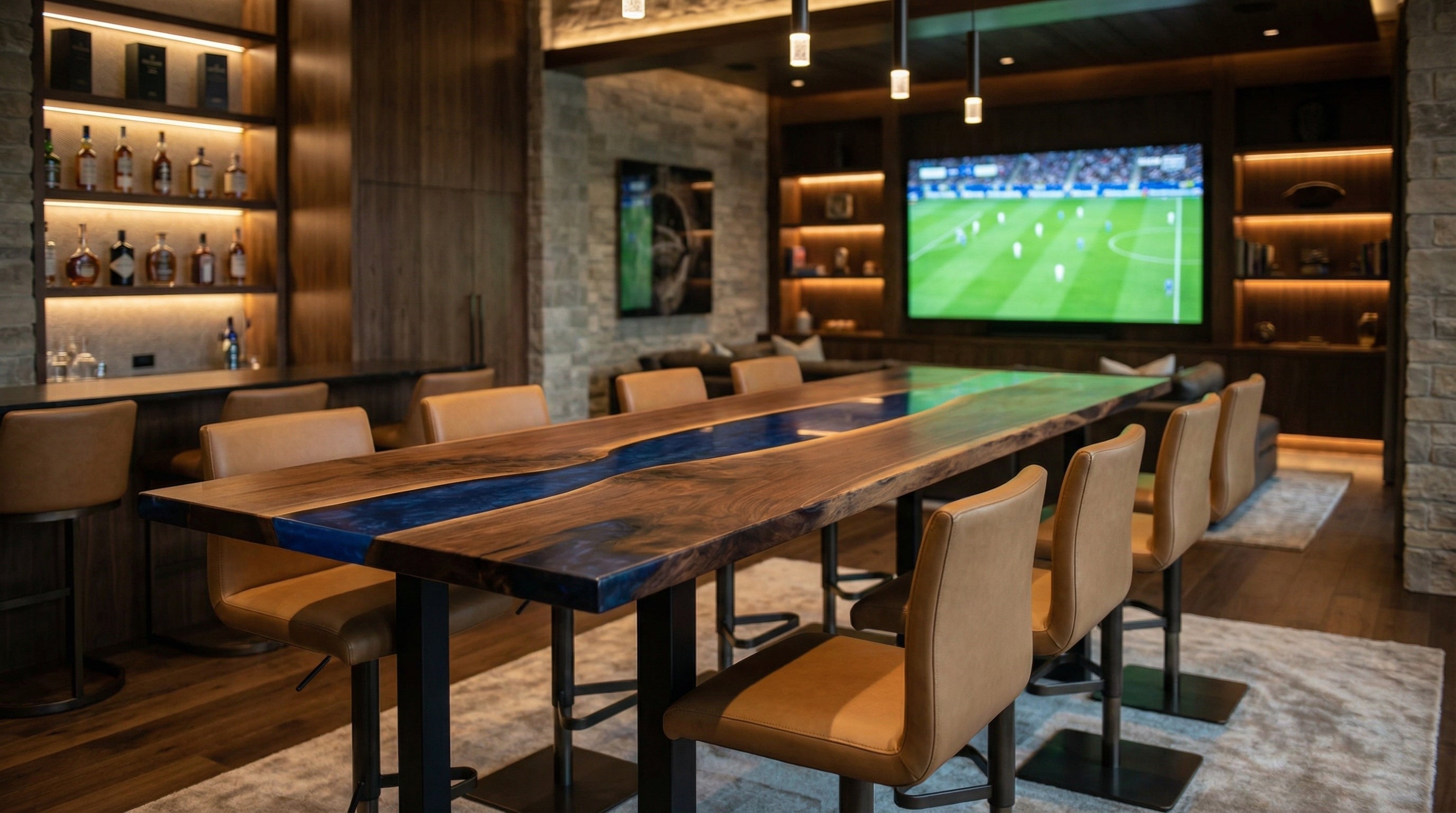
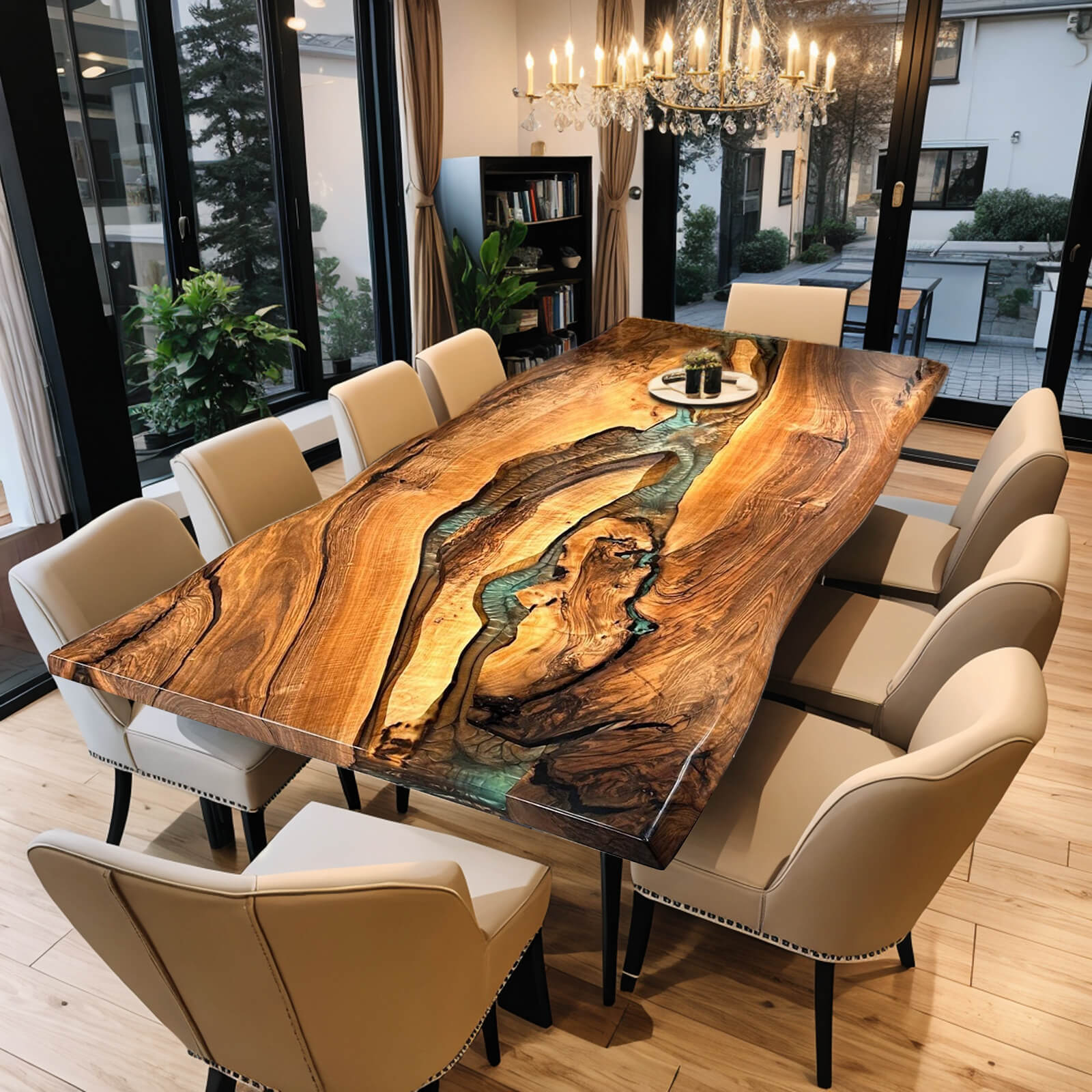
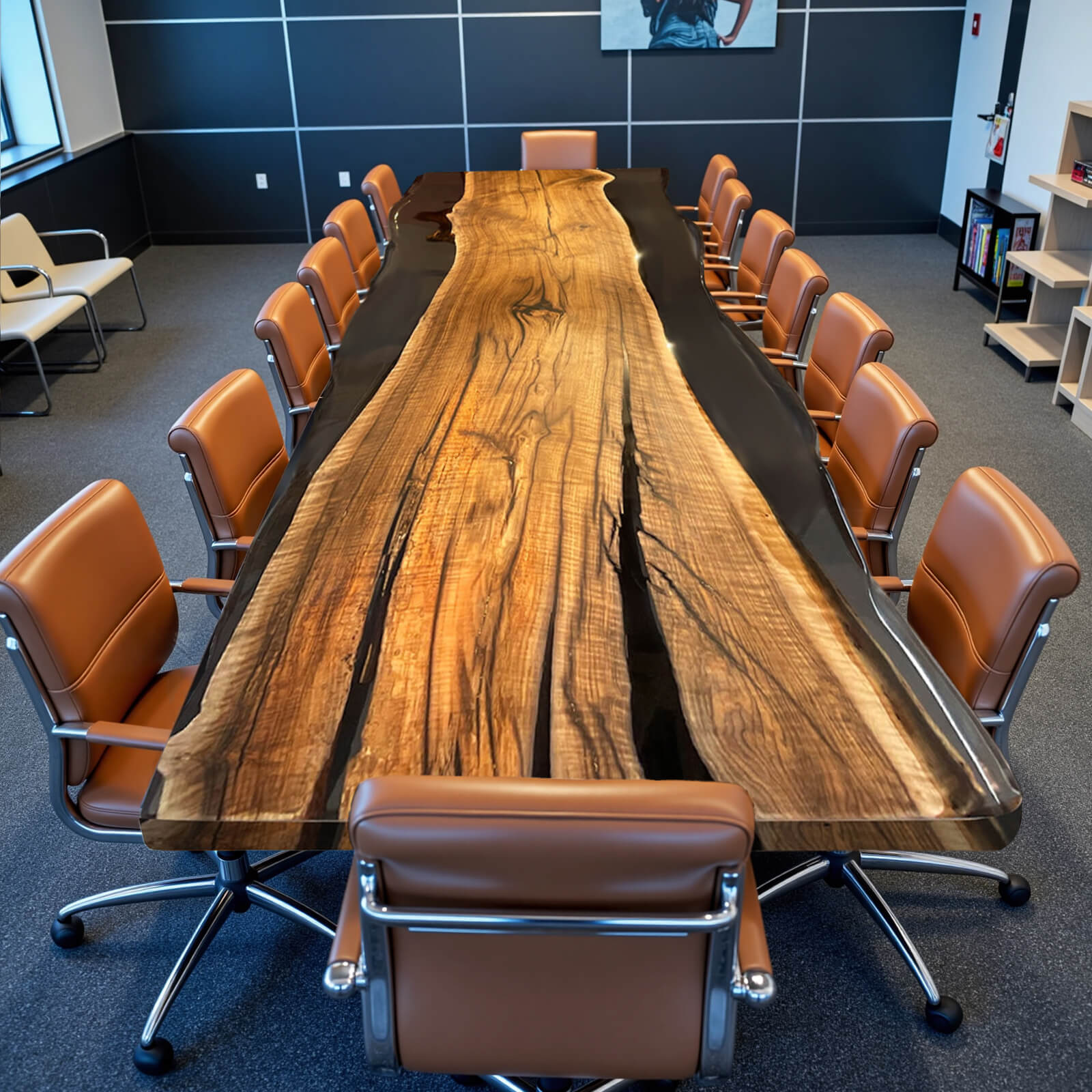
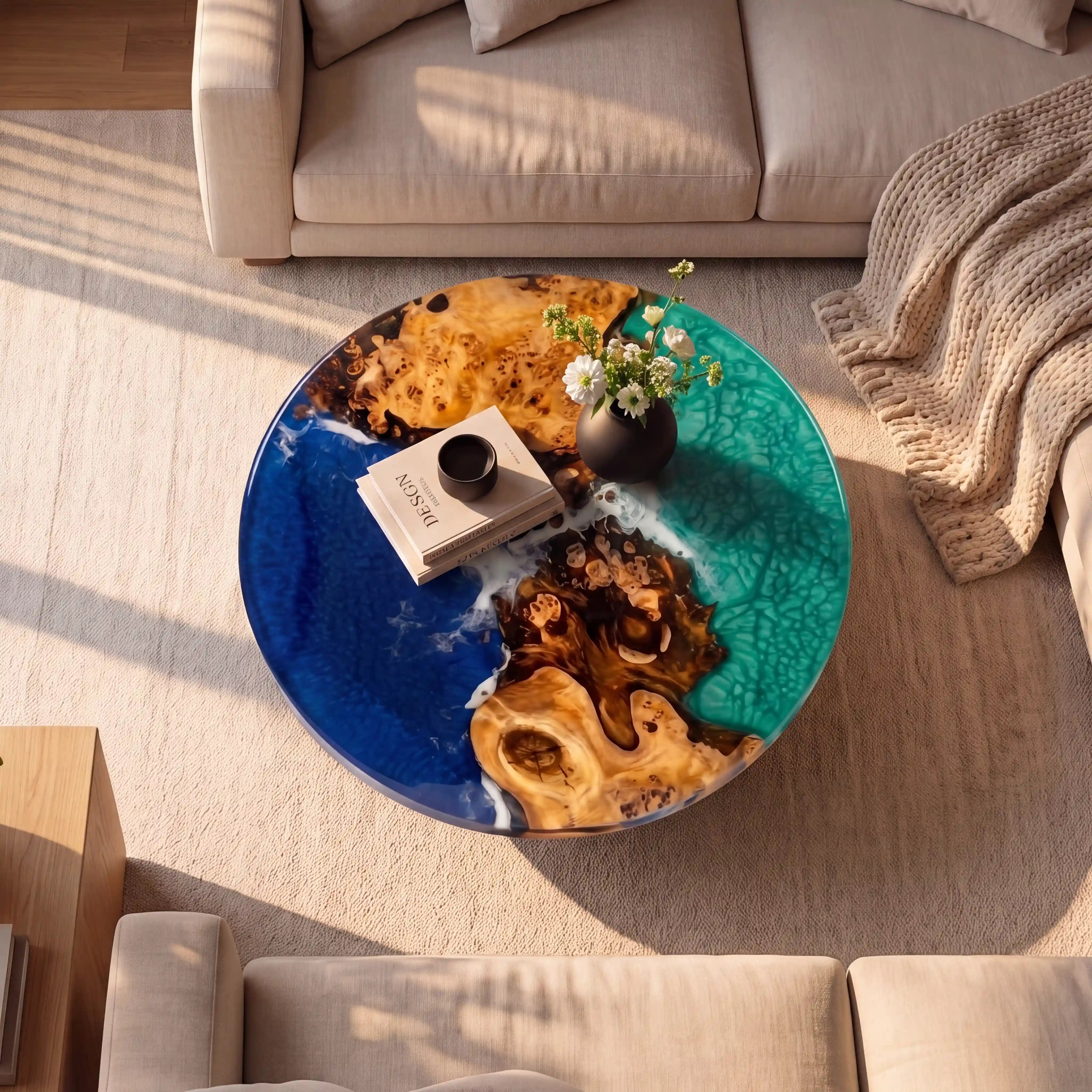
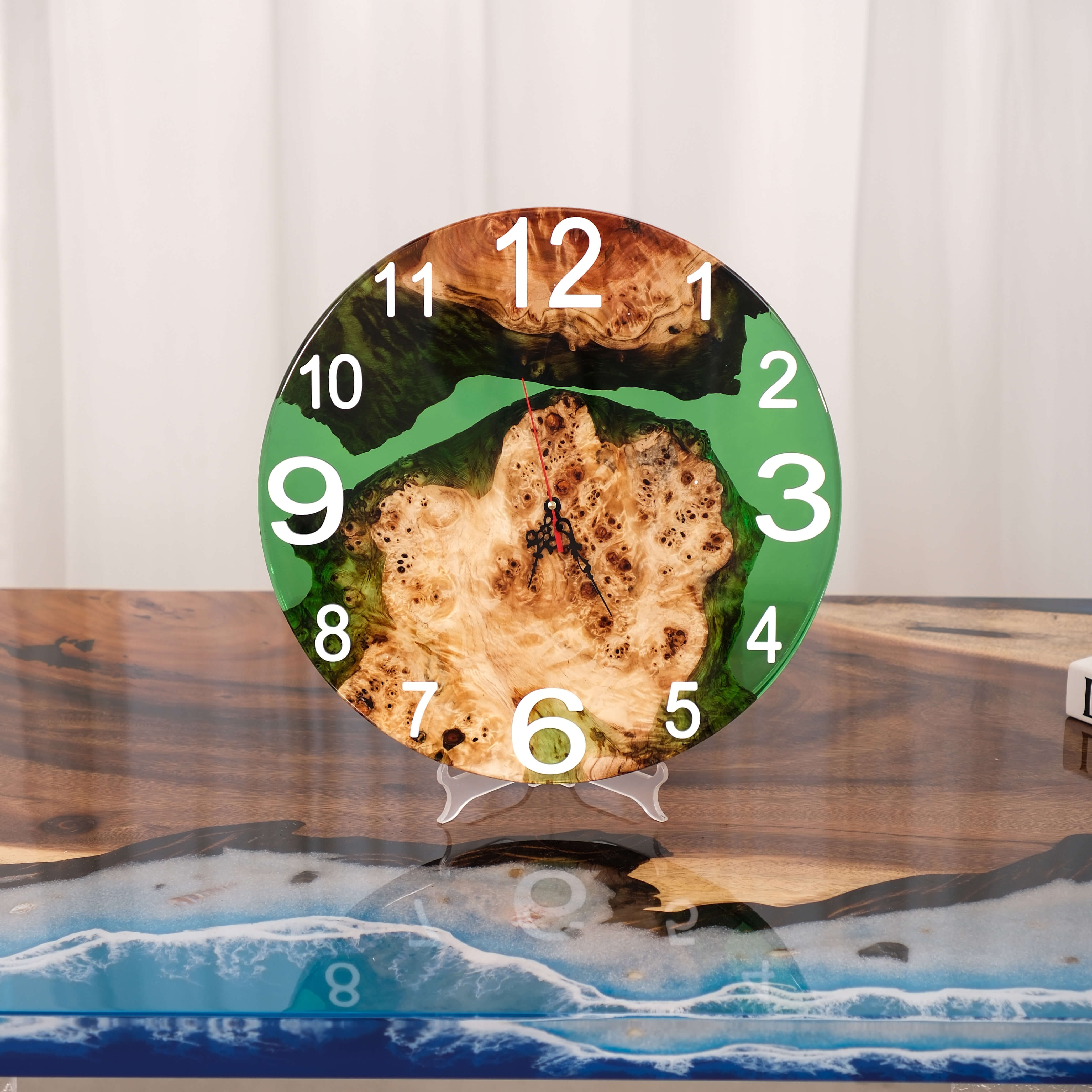
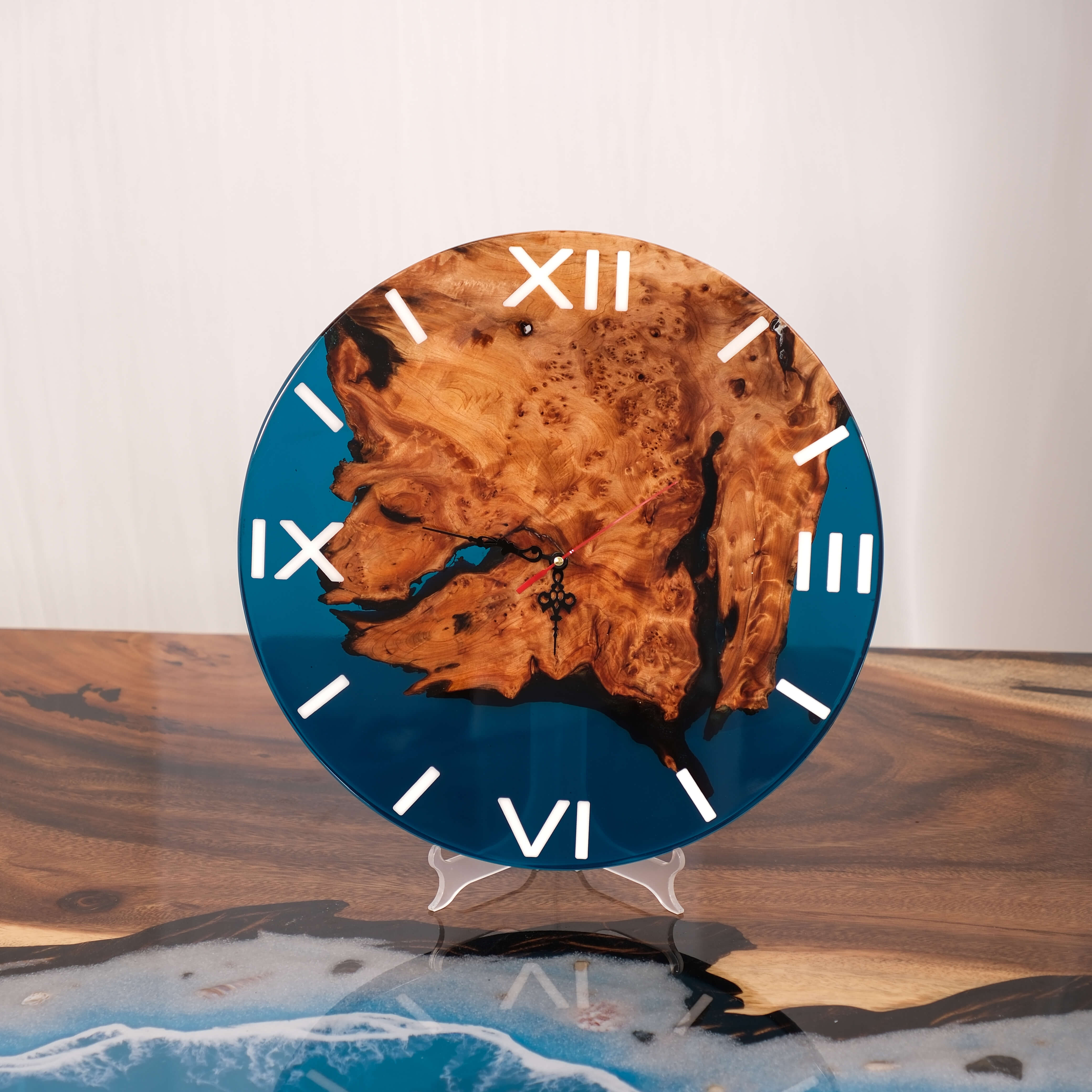
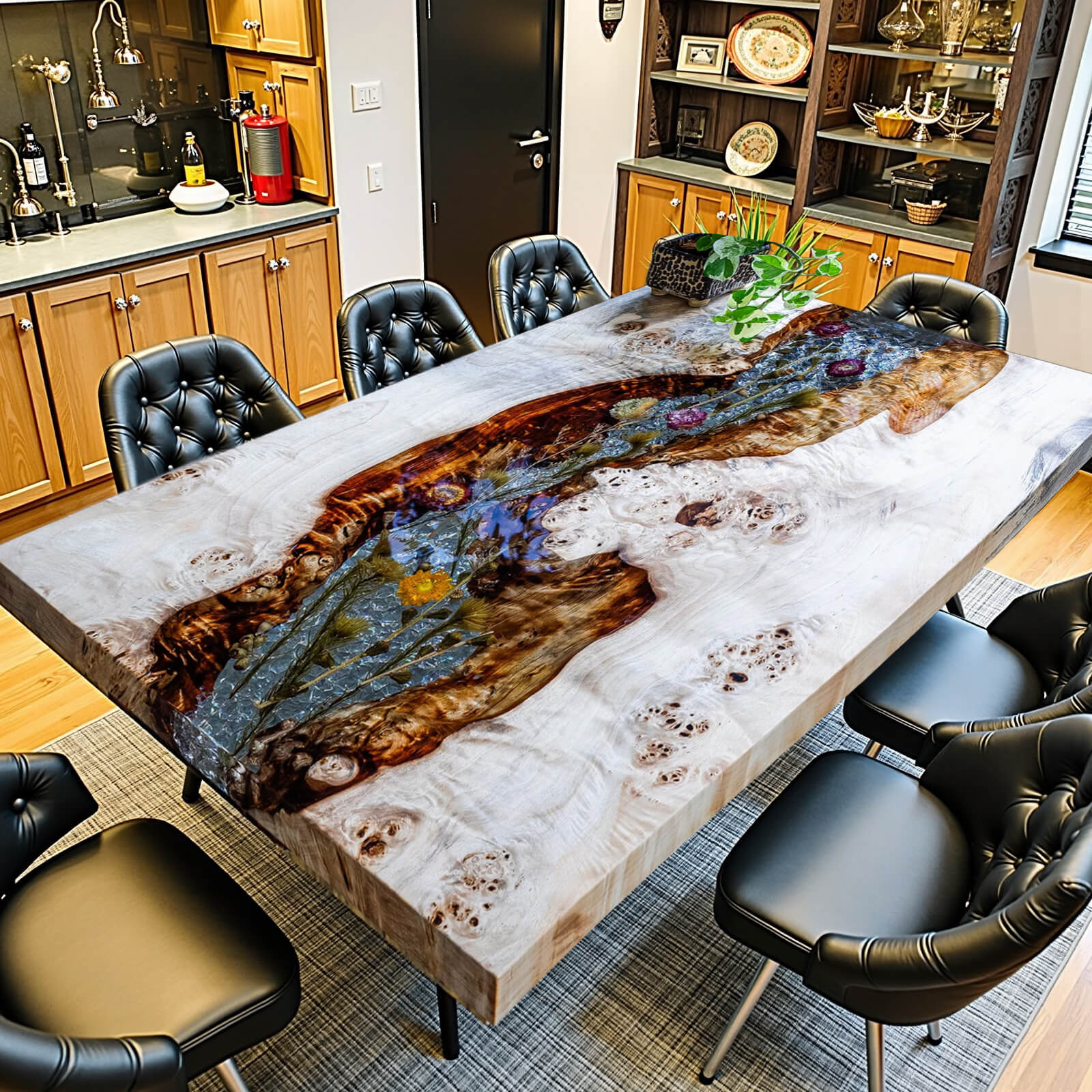
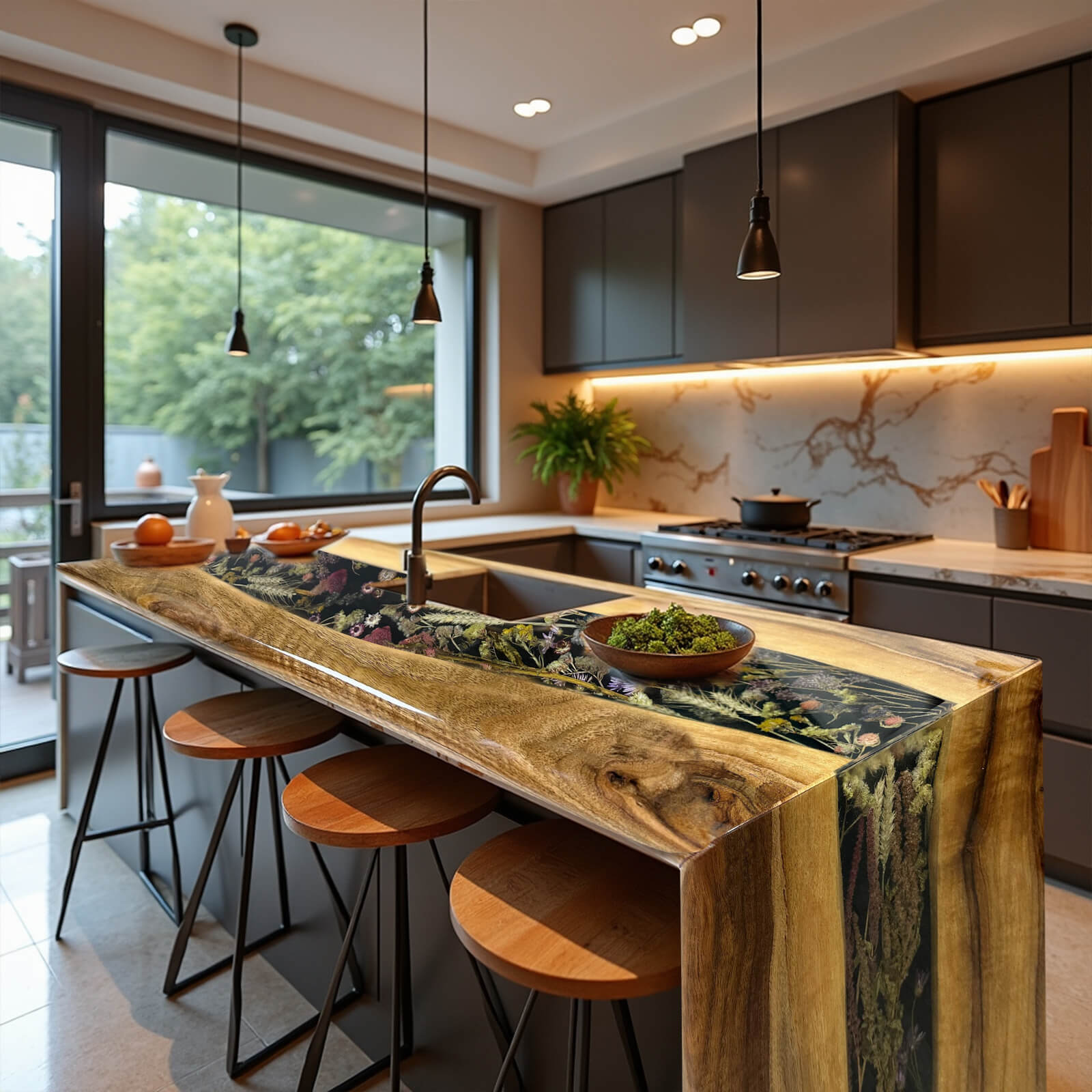
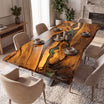
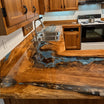
One of the most captivating innovations in modern furniture is the use of clear and tinted epoxy resin as a light-manipulating medium. Resin possesses a unique refractive index that is similar to glass but with different density and viscosity properties. When poured into irregular shapes—such as the "river" in a table or a faceted lamp base—it acts as a complex lens.
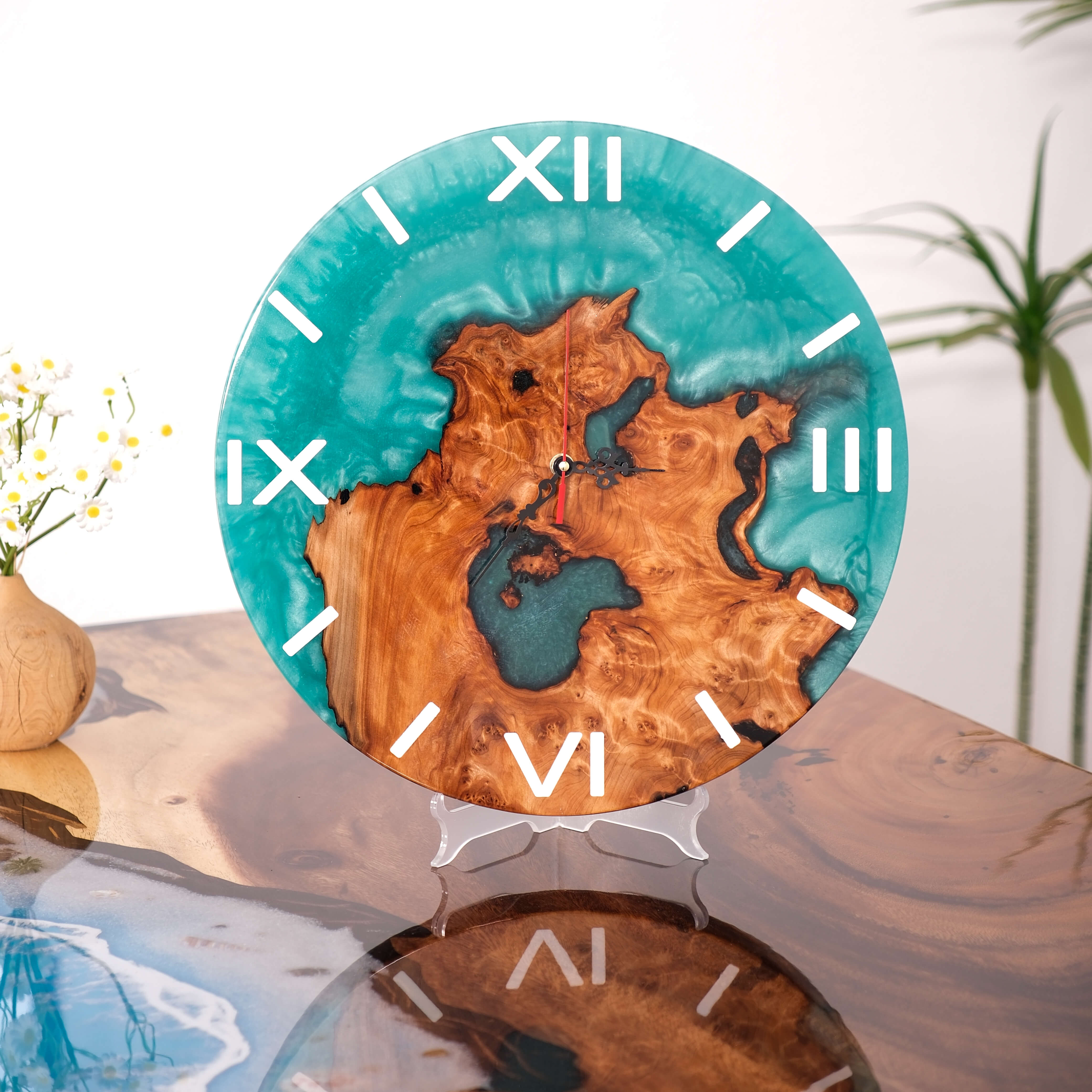
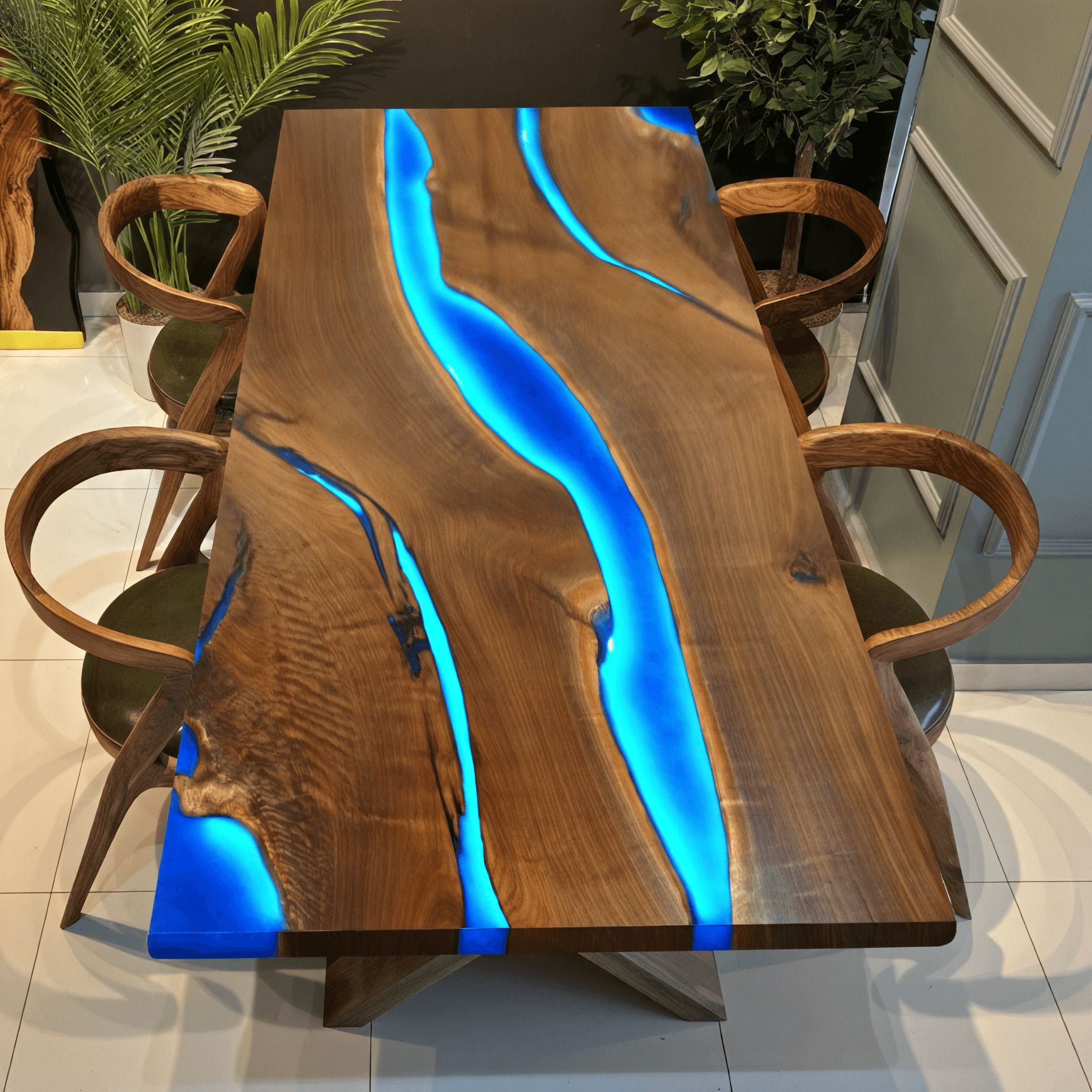
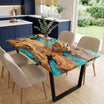
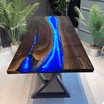
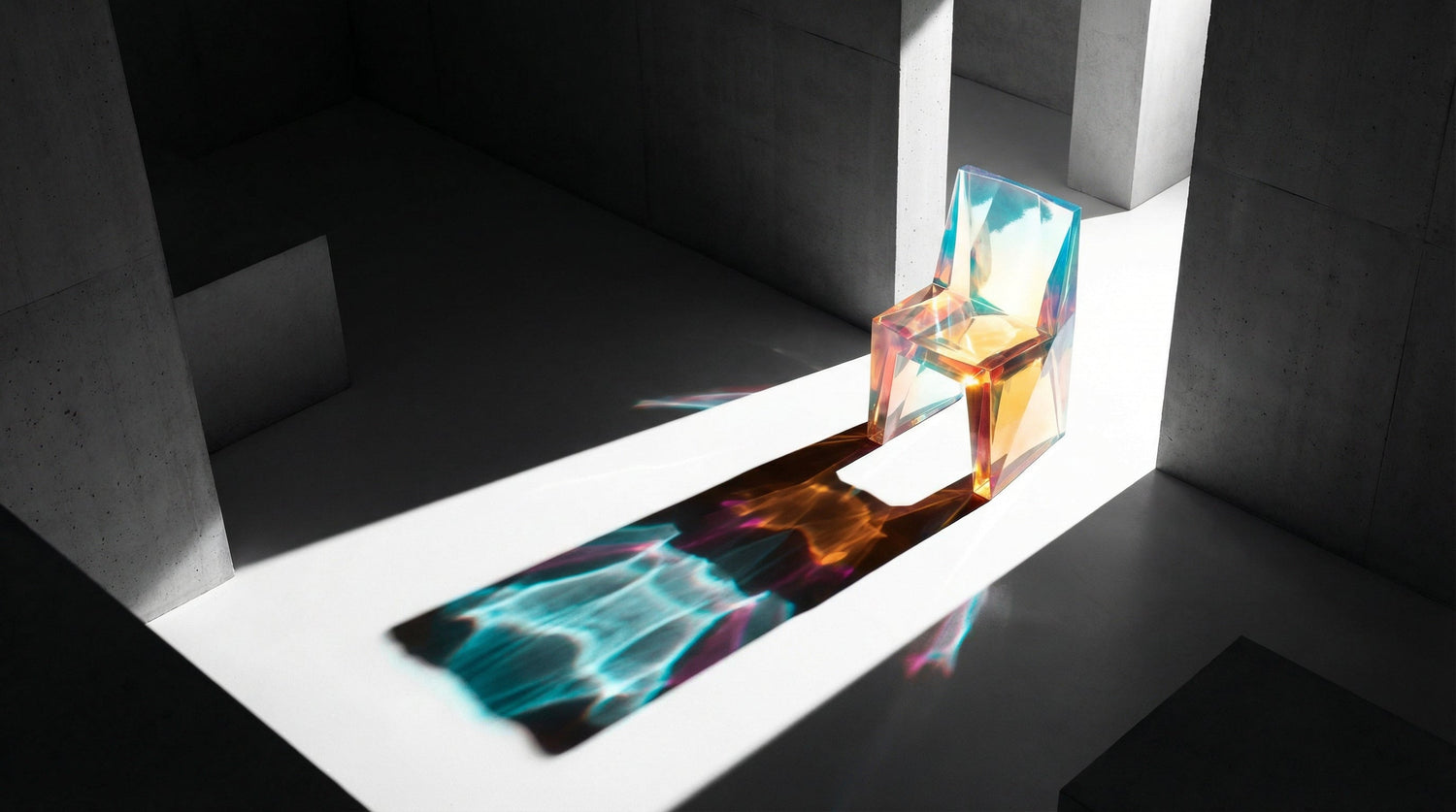
When a directed light source (like sunlight or a spotlight) hits a translucent resin surface, it does not just pass through; it bends and scatters. This creates caustics—the mesmerizing, dancing patterns of intense light curves often seen on the bottom of a swimming pool. Designers are now intentionally engineering this effect. A Cyan or Turquoise resin river table placed near a south-facing window will project a dynamic "water ripple" pattern onto the floor, effectively "painting" the room with light that shifts as the sun moves across the sky. This turns the furniture into an active projector of atmosphere, bringing the dynamic quality of water into a dry interior.
Translucency and Visual Aeration
Translucent materials—whether resin, frosted glass, or acrylic—serve a vital spatial function: Visual Aeration. In smaller urban spaces, solid opaque furniture can feel heavy and block visual flow. A translucent resin chair or a glass-topped table allows light to travel through the object, reducing its visual mass. This makes the room feel larger and airier. The object occupies physical space but minimal visual space, a technique crucial for maintaining the "relaxed minimalism" of the Modern Organic style.
 The Architecture of Shadow: Projection and Texture
While light reveals, shadow defines. Shadow Play is the deliberate use of occlusion to create pattern and depth. Contemporary lighting fixtures and furniture are increasingly designed not just for how they look, but for the shadows they cast.
l The Gobo Effect: Furniture with open latticework, woven rattan, or laser-cut metal screens acts like a "Gobo" (Go Between Optics) in theatrical lighting. A pendant lamp with a woven seagrass shade will cast a complex, textured web of shadows across the ceiling and walls. This "secondary wallpaper" adds intricate detail to a room without the need for physical paint or paper. It creates a sense of enclosure and intimacy, often described as a "nest-like" feeling.
l Biophilic Shadows: Shadows that mimic the dappled light of a forest canopy (created by light filtering through leaves) are proven to lower stress levels. Designers emulate this by using fixtures that cast irregular, organic shadow patterns, subconsciously signaling to the brain that it is in a natural, sheltered environment.
Technical Layering: The Kelvins of Comfort
To truly master the atmosphere, one must understand the technical layering of light. A well-lit room never relies on a single source. It employs a triad of Ambient, Task, and Accent lighting.
The Role of Embedded Lighting (Accent)
Resin furniture has opened a new frontier in Accent Lighting. By embedding LED strips or "fairy lights" directly into the resin pour of a table or wall art, the object becomes a source of ambient luminescence.
l Thermal Management: A critical technical consideration for embedded lighting is heat. LEDs must be low-heat to prevent discoloring the resin or damaging the wood.
l Diffusion: The resin acts as a diffuser, softening the harsh point-source of the LED into a gentle, glowing wash. This creates an "ethereal" or "magical" vibe, often used to create a focal point at night when overhead lights are off.
Color Temperature (CRI and Kelvin)
The emotional impact of these lights is dictated by their Color Temperature (measured in Kelvins) and Color Rendering Index (CRI).
l Warm Glow (2700K - 3000K): mimics fire and sunset. Best for living rooms and bedrooms to promote relaxation and melatonin production. Embedded resin lights in amber or wood tones usually aim for this range to create a "hearth" effect.
l Cool/Daylight (4000K - 5000K): Mimics daylight. Best for kitchens or offices. A blue resin river table might use 4000K LEDs to make the "water" look crisp and refreshing, but this should be used sparingly in evening relaxation zones.
l High CRI (90+): Essential for bringing out the true depth of wood grain and the subtle hues of resin. Low CRI lights make wood look muddy and resin look flat.
Data Insight: Lighting Specifications for Mood
The following table outlines the recommended lighting specifications to achieve specific atmospheric effects in a Modern Organic interior.
|
Mood / Goal |
Kelvin (Temp) |
Lumen Output |
Fixture Type |
Resin Interaction |
|
The "Fox's Den" (Cozy) |
2400K - 2700K |
Low (Dimmable) |
Table Lamps, Floor Level |
Amber/Gold resin glows like embers |
|
"Forest Canopy" (Biophilic) |
3000K |
Medium |
Woven Pendants, Gobo |
Shadows create texture on walls |
|
"Glacial/Water" (Energizing) |
4000K |
High |
Integrated LED Strips |
Blue/Clear resin projects crisp caustics |
|
"Gallery" (Focal Point) |
3000K (High CRI) |
Directed Spot |
Track Light / Picture Light |
Highlights wood grain and resin clarity |
Table: Technical Lighting Specs for Atmospheric Design.
 Conclusion
Light and Shadow are the final, intangible layers of interior design. They have the power to transform a static room into a living, breathing entity. By moving beyond simple illumination and embracing the complex physics of refraction, translucency, and occlusion, designers can sculpt the emotional tone of a space. Whether it is the liquid caustic projection of a resin table, the comforting embrace of a warm amber glow, or the intricate shadow-lace of a woven fixture, these elements engage our primal responses to the environment. They remind us that our homes are not just boxes for living, but canvases for light. In the interplay of brightness and dark, we find depth, drama, and ultimately, comfort.