







The Convergence of Philosophies: Wabi-Sabi, Hygge, and Biophilia
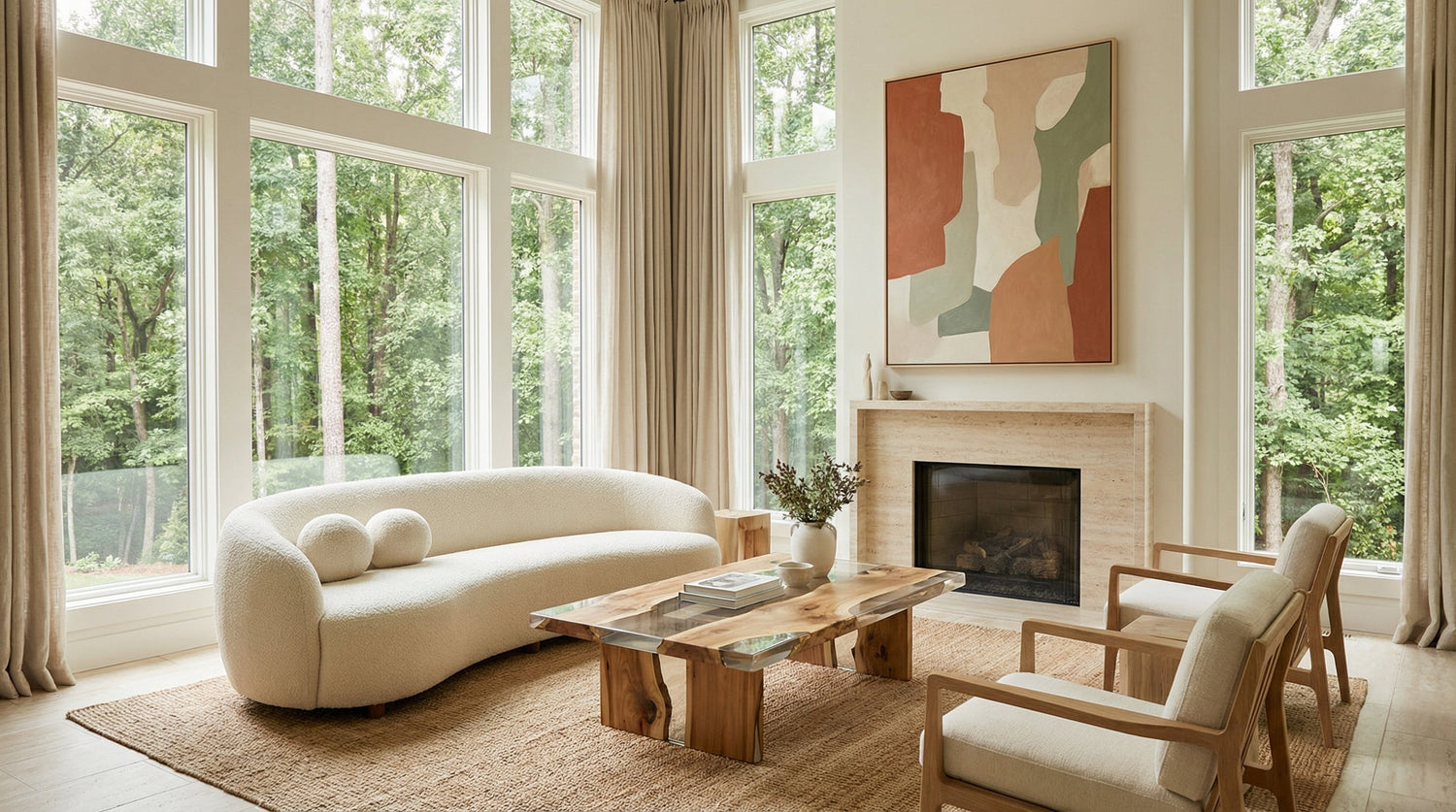
Modern Organic design is not merely a style; it is a philosophical reconciliation. It represents the synthesis of the clean, functional lines of Modernism with the warmth and imperfection of the natural world. This aesthetic has emerged as a dominant trend in the post-2020 landscape, driven by a collective yearning for sanctuary and grounding in an increasingly digital and volatile world.
At its foundation, Modern Organic borrows heavily from three distinct lineages:
1. Biophilic Design: The scientific approach to design that seeks to connect building occupants more closely to nature. This goes beyond adding plants; it involves using "natural analogues"—materials and shapes that mimic biological complexity.
2. Wabi-Sabi: The Japanese aesthetic centered on the acceptance of transience and imperfection. In interior design, this translates to valuing asymmetry, roughness, and the patina of age. A cracked ceramic bowl or a knotted piece of wood is seen as more beautiful than a pristine, machine-made equivalent because it bears the mark of time and nature.
3. Hygge: The Danish concept of cozy contentment. While Wabi-Sabi can sometimes be stark, Hygge introduces the element of comfort—soft textiles, warm lighting, and a sense of safety.
The fusion of these philosophies, often colloquialized as Japandi (Japan + Scandi), creates spaces that are "Raw and Refined." They are minimalist but never sterile; earthy but never cluttered. The palette is strictly restrained to "mineral neutrals"—stone grays, chalk whites, warm sands, and muted terracottas—allowing the texture of the materials to take center stage.
Materiality: The Renaissance of Wood and Stone
In a monochromatic environment, texture is the primary language of design. Modern Organic interiors rely on materials that invite touch and engage the senses.
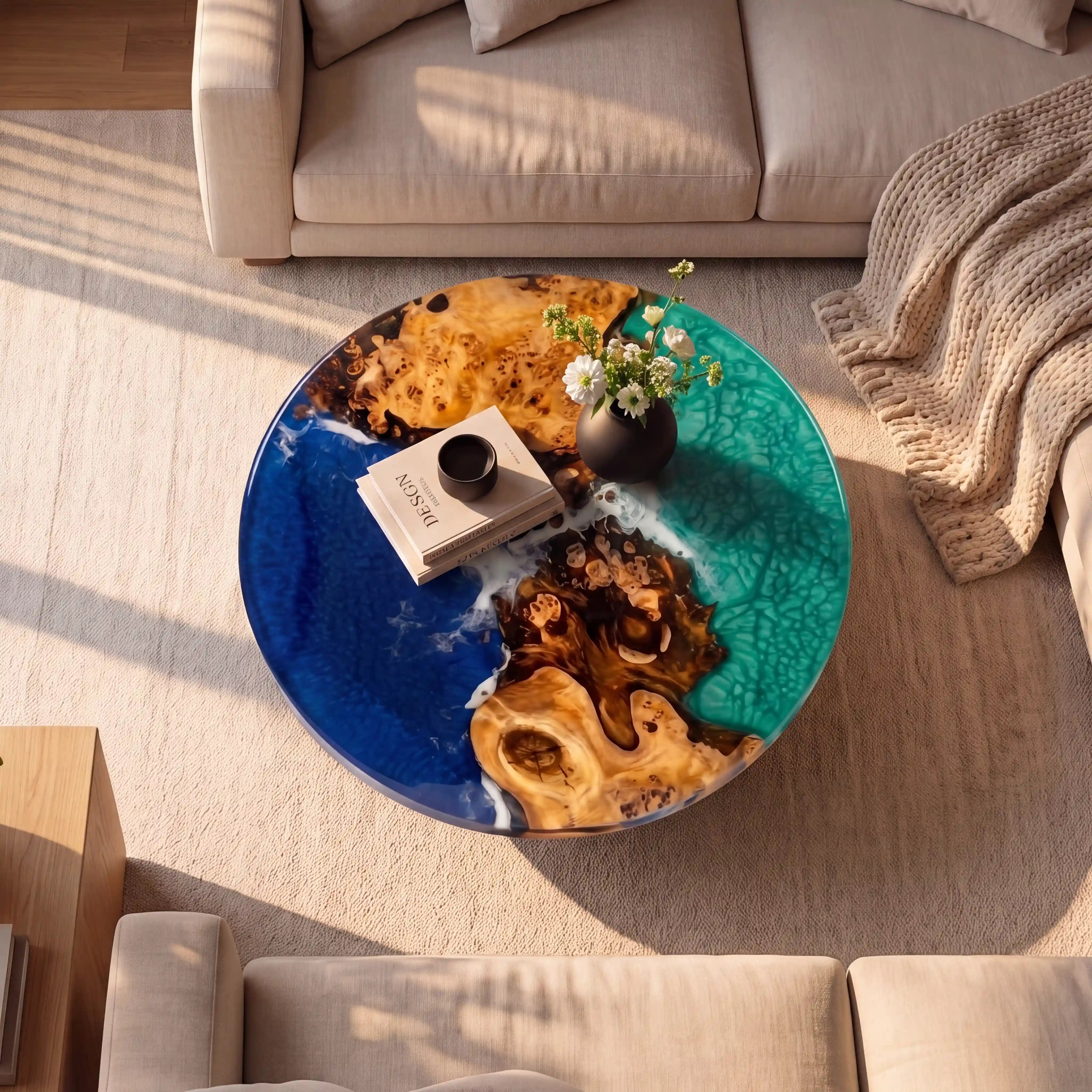
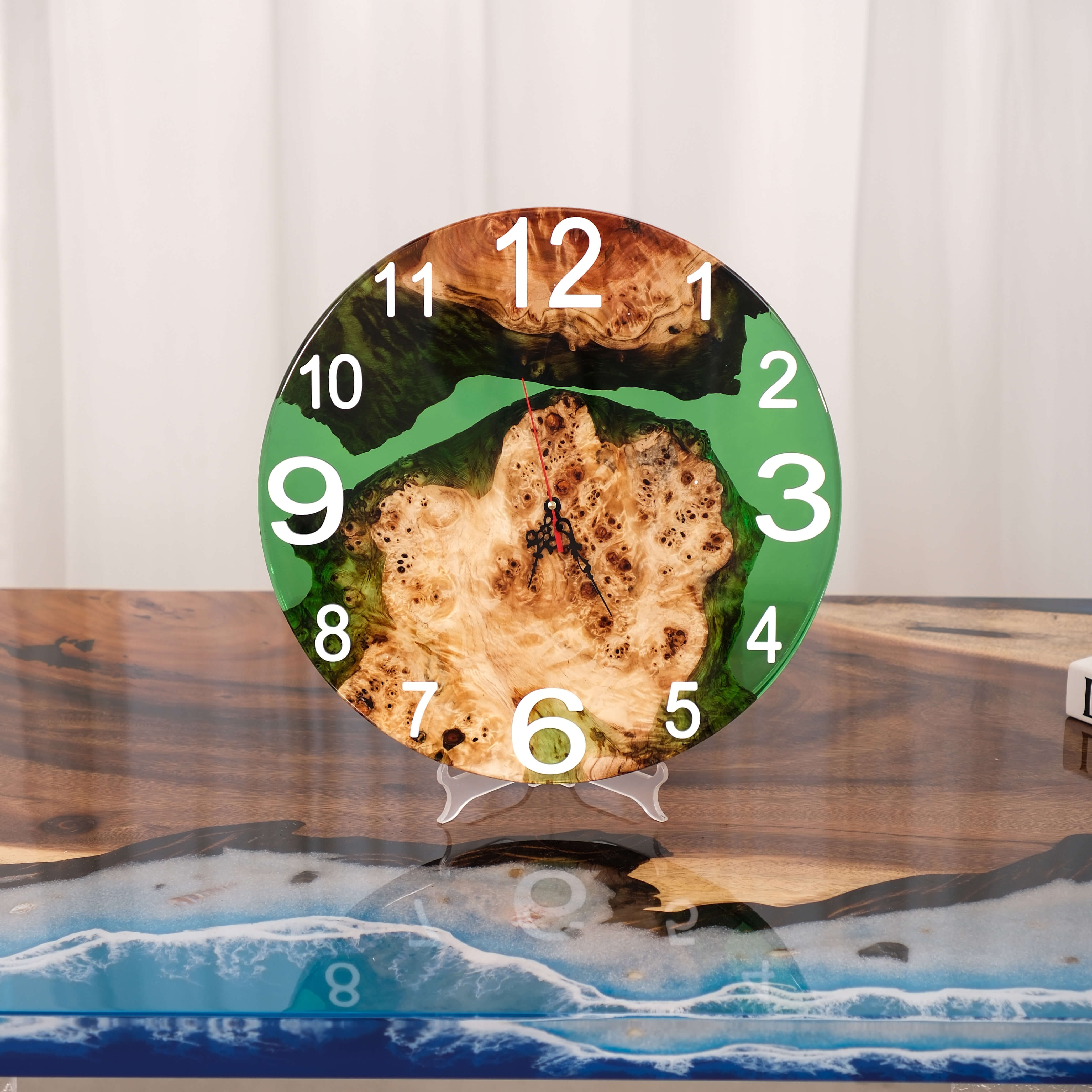
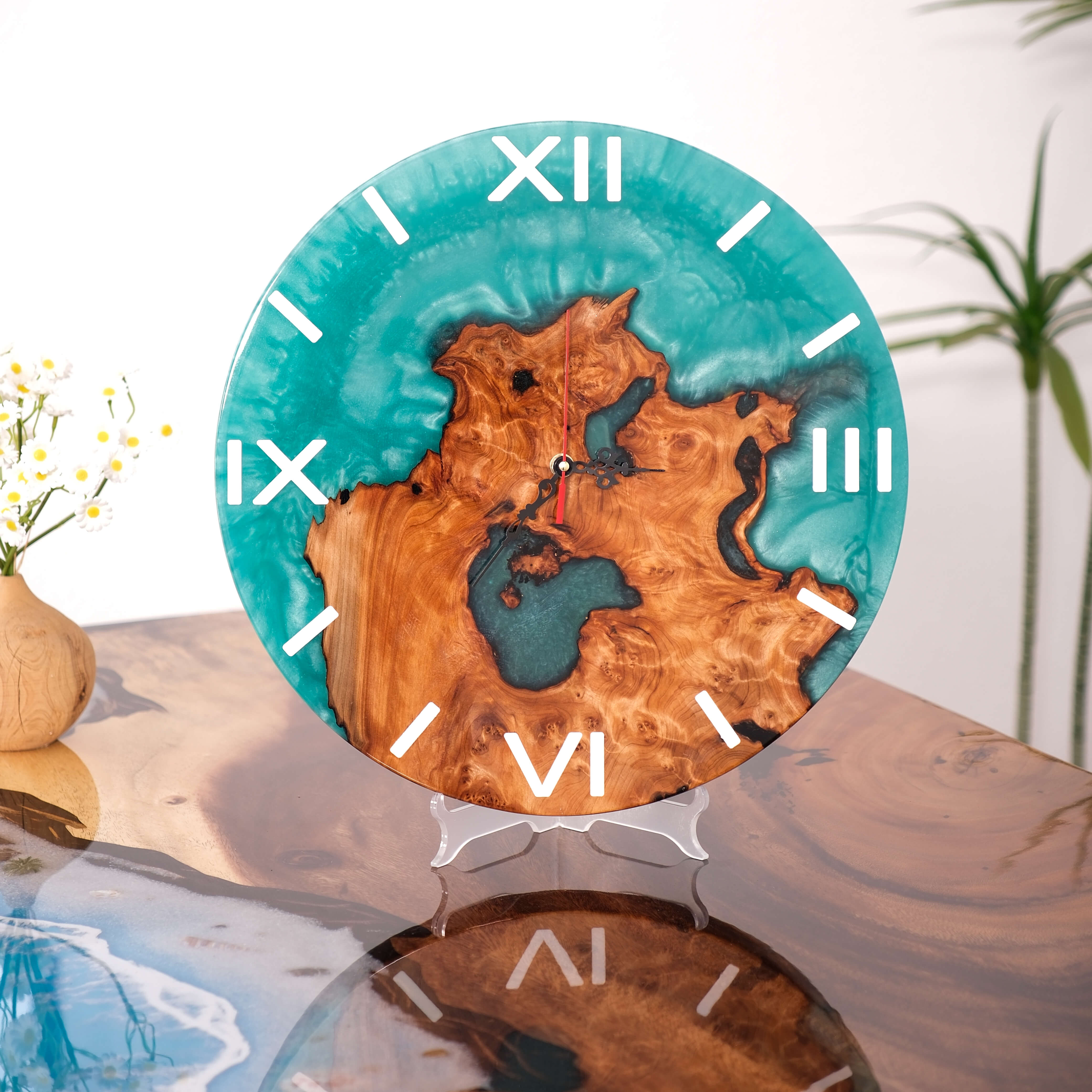
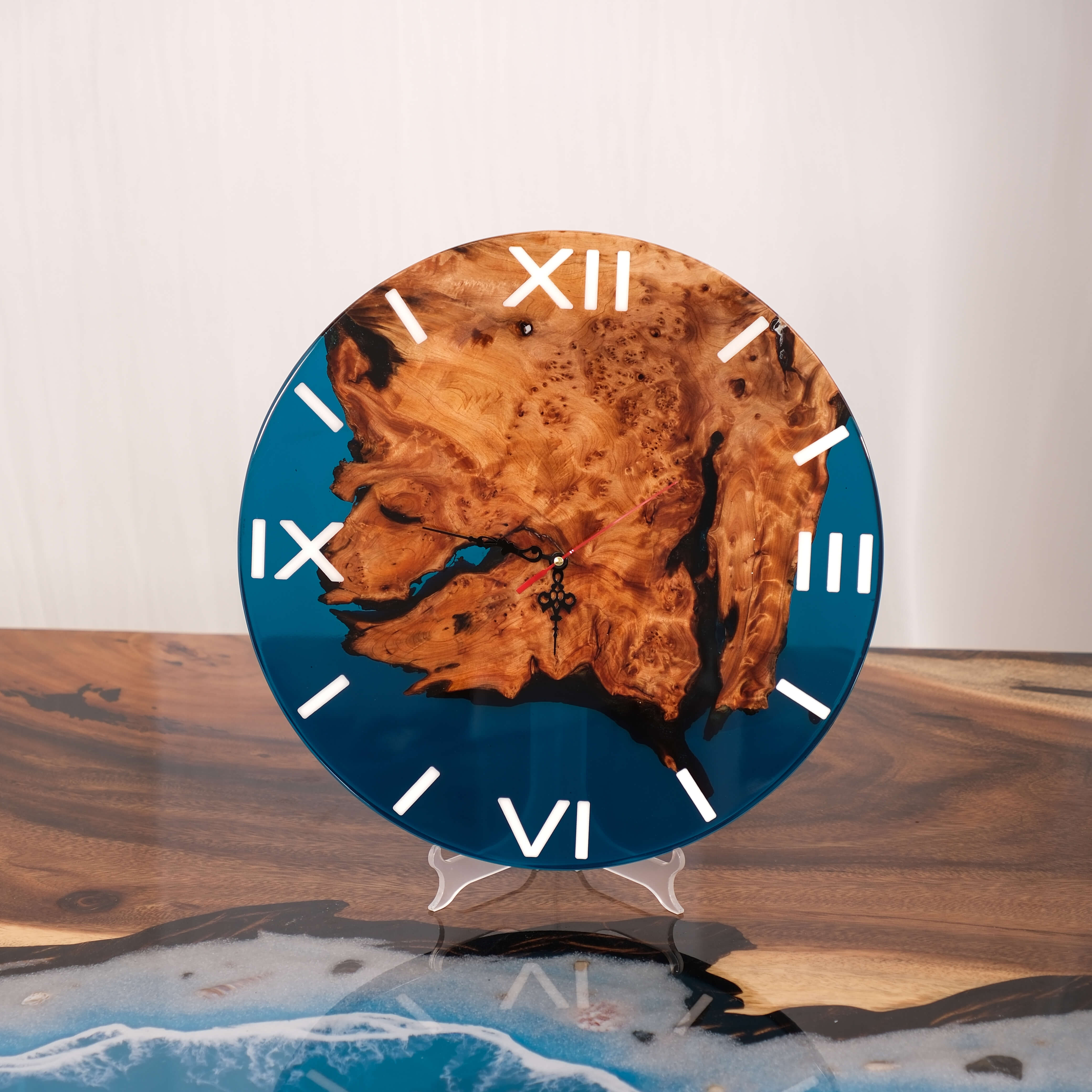
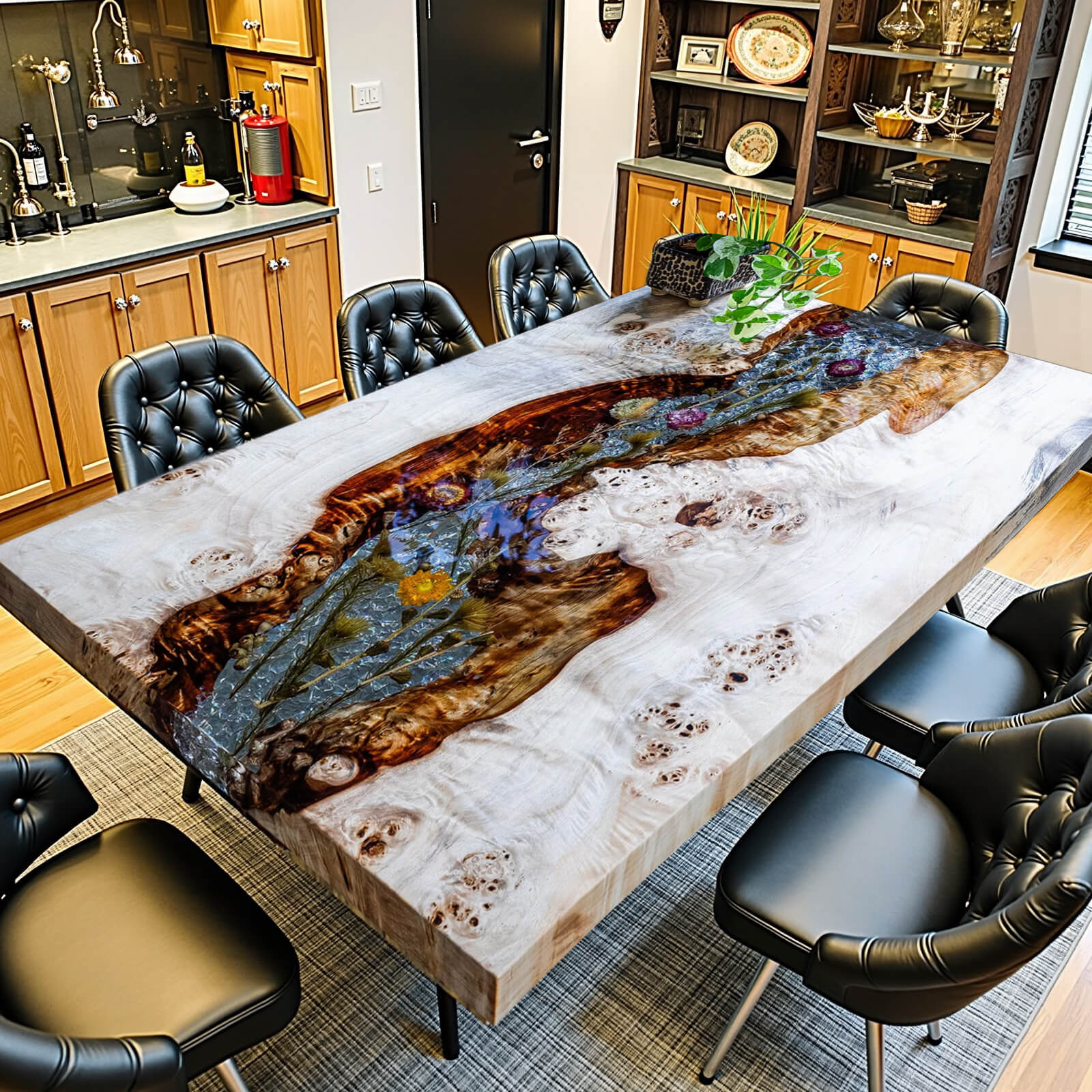
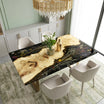
The Resurgence of Burl Wood One of the most significant trends within this movement is the explosion in popularity of Burl Wood. Burl is a growth characteristic (often caused by stress or injury to the tree) where the grain grows in a deformed, swirling manner. Historically associated with heavy, antique Art Deco furniture, burl has been reimagined for the modern home. Its complex, chaotic grain patterns act as "nature's artwork," providing intense visual interest without the need for synthetic patterns. A sleek, simple console table veneered in Mappa Burl or Walnut Burl becomes a mesmerizing object of contemplation, bridging the gap between a piece of furniture and a sculpture.
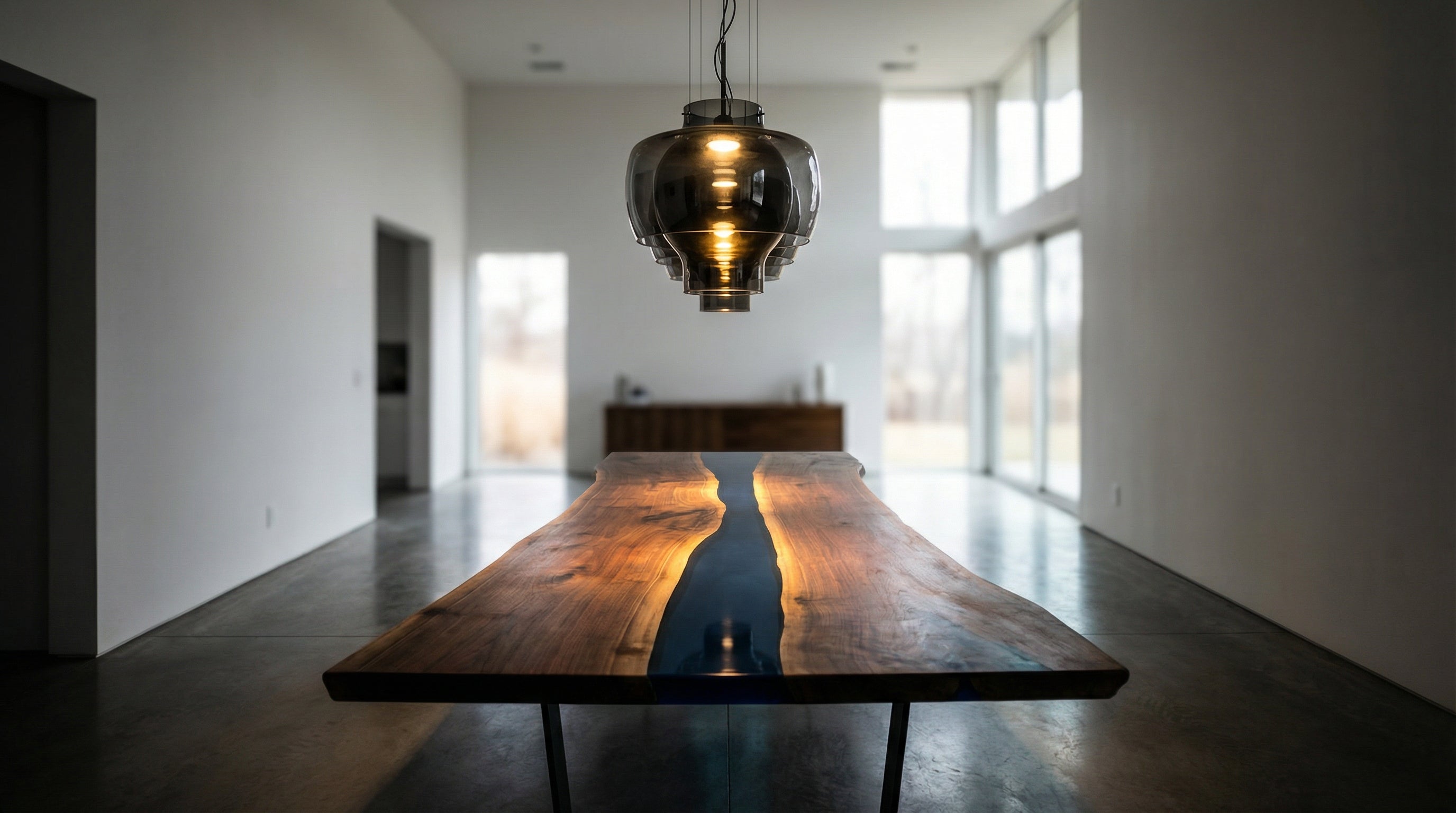
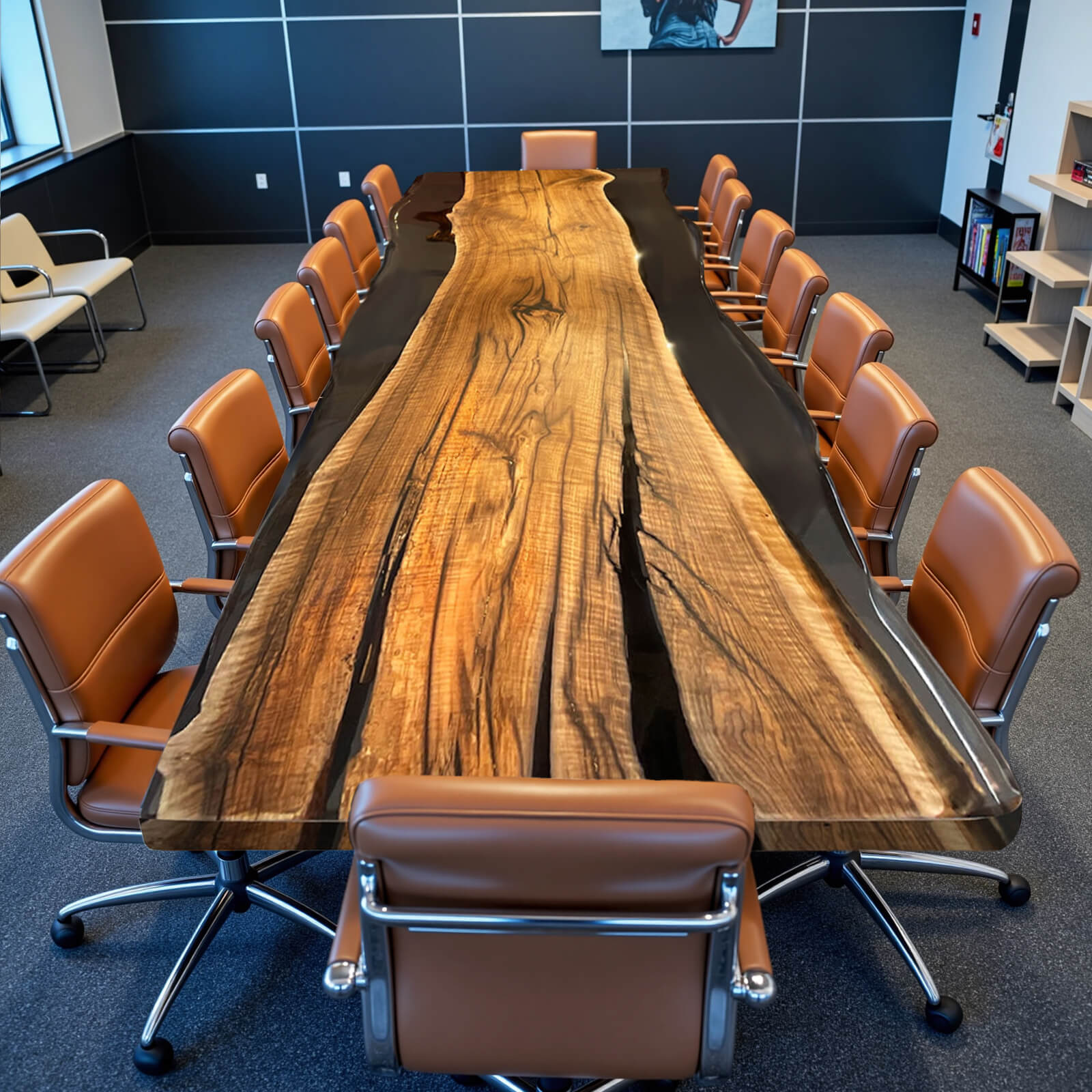
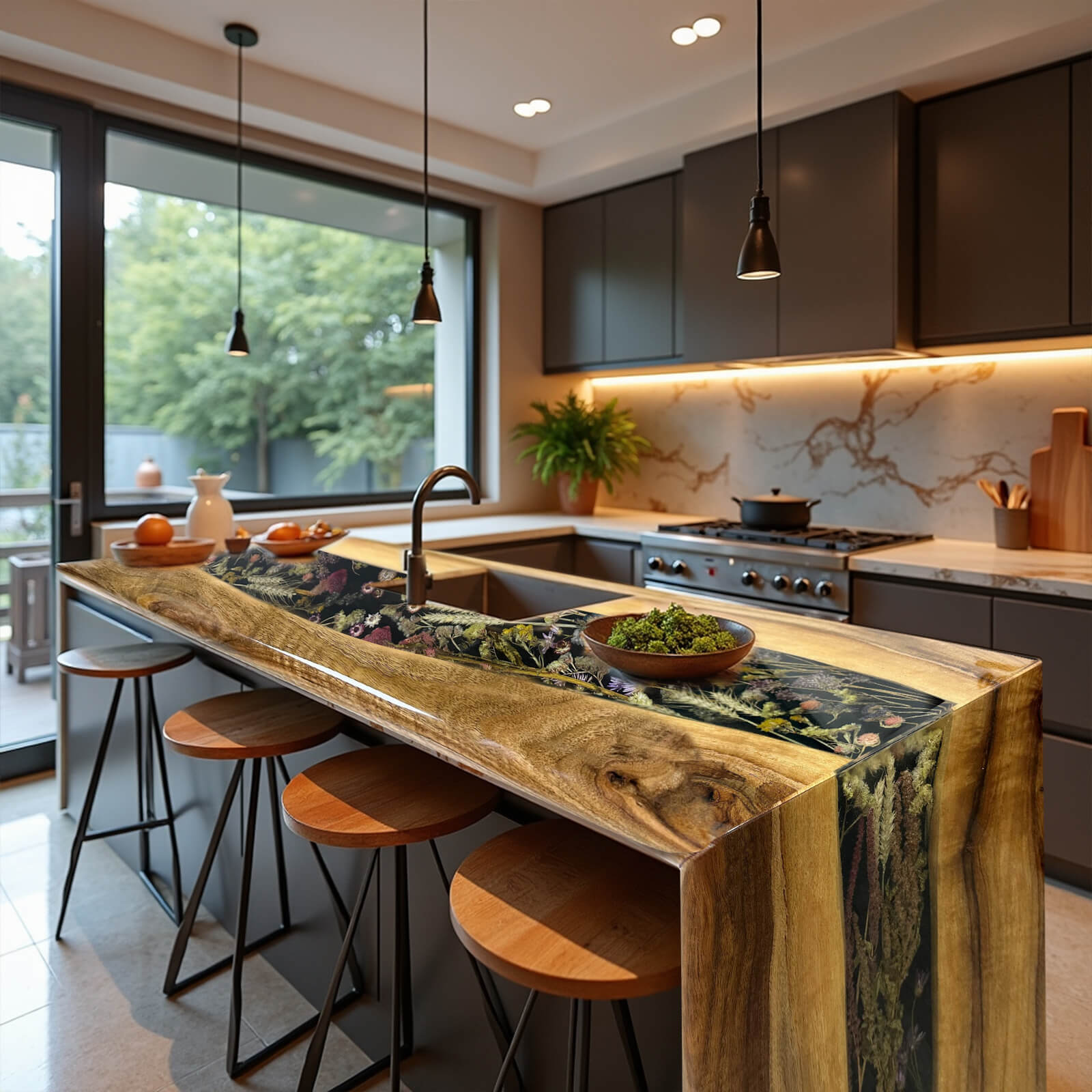
Live Edge Architecture Live Edge furniture is perhaps the most literal interpretation of the Modern Organic ethos. By preserving the natural outer contour of the tree—including its bumps, ridges, and bark inclusions—designers bring the forest directly into the living room. Unlike traditional lumber, which is squared off to conform to human geometry, live edge slabs force the human environment to conform to nature's geometry.
l Bridge Design: Live edge pieces are frequently cited as the perfect "bridge" between rustic and contemporary styles. A slab of Claro Walnut on a sleek, polished steel or acrylic base fits equally well in a log cabin or a Manhattan penthouse. The steel speaks to the "Modern," the wood to the "Organic."
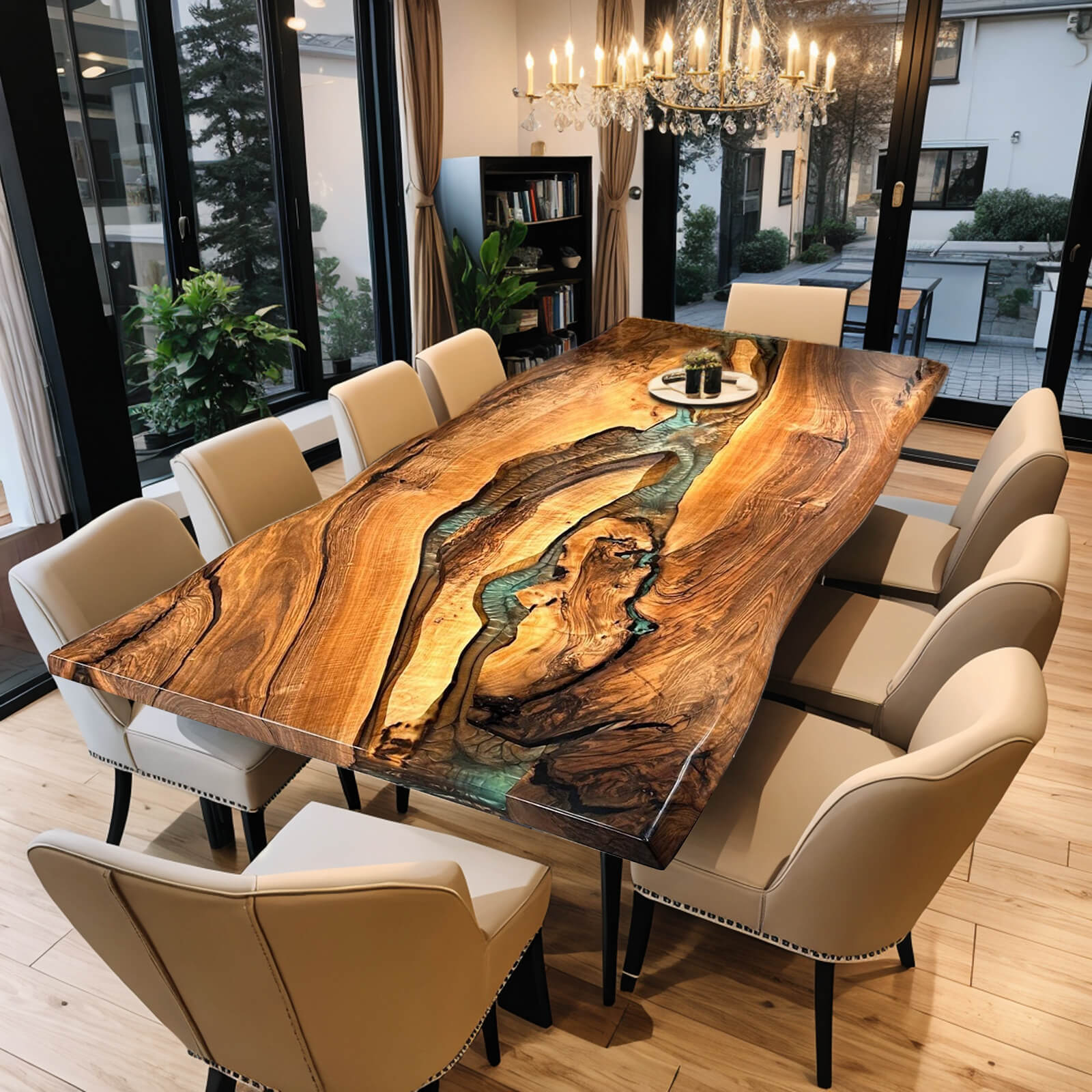
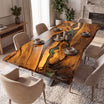
l Species Specifics: The choice of wood matters. Guanacaste (often called Parota) is favored for its massive width and resistance to warping, making it ideal for single-slab dining tables. Black Walnut is prized for its rich, chocolate tones and stability. Maple Burl is often used in conjunction with resin because its pale color contrasts dramatically with colored epoxy.
Stone and Plaster Beyond wood, Modern Organic relies on Travertine, Limestone, and Plaster. Unlike the high-gloss Carrara marble of the 2010s, these stones are often left honed or tumbled. Their porous, matte surfaces absorb light rather than reflecting it, contributing to a softer, quieter atmosphere. Limewash paint and plaster walls add depth and movement to vertical surfaces, replacing flat latex paint with something that feels ancient and hand-applied.
 Nature rarely moves in straight lines. To truly emulate the organic, modern furniture is softening its edges. We are seeing a shift away from the rigid rectangles of mid-century modernism toward curvilinear and biomorphic forms.
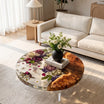
l Curved Furniture: Kidney-shaped sofas (like the iconic Serpentine sofa), round coffee tables, and oval dining tables promote a better "flow" through a room. They mimic the erosion of stones in a river or the curve of a coastline. Psychologically, curved forms are perceived as safer and more welcoming than sharp angles, which can trigger subtle "avoidance" reflexes in the brain.
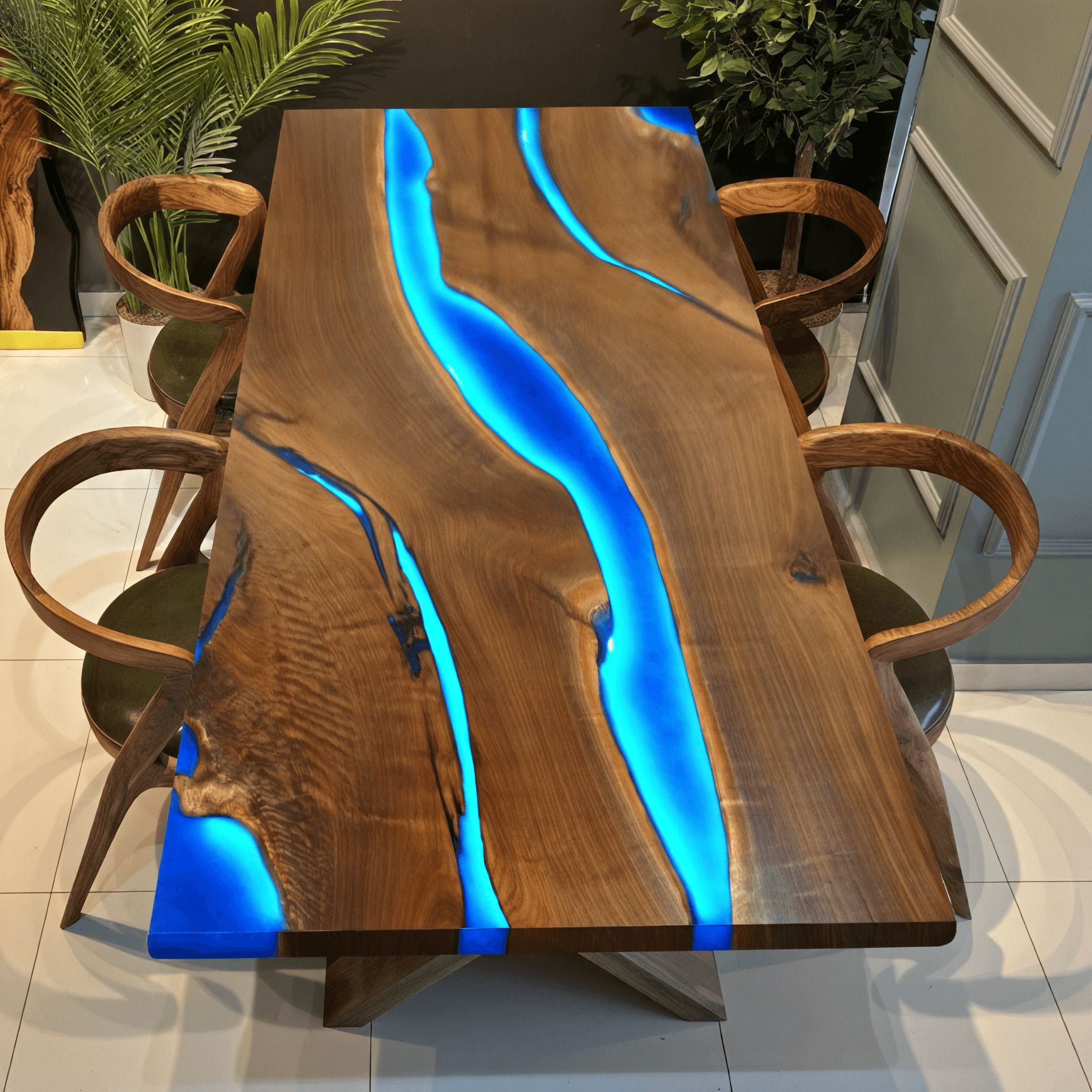
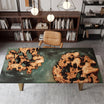
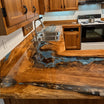
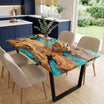
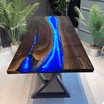
l The River Table as Biomorphic Art: The Epoxy River Table is the ultimate expression of this fluidity. The resin "river" meandering through the wood slab is not a straight channel; it follows the organic, unpredictable live edge of the wood. This introduces a liquid element into the solid furniture, creating a dynamic sense of movement. When the resin is translucent, it also introduces light transmission, further softening the visual mass of the piece.
Sustainability and "Slow Design"
A critical component of the Modern Organic movement is an ethical commitment to sustainability. The aesthetic values "provenance"—knowing where a piece came from. Salvaged wood—trees fallen by storms or removed for urban development—is highly prized. Consumers are increasingly rejecting "fast furniture" (particle board, plastic veneers) in favor of solid materials that can be repaired and refinished over decades. This aligns with the "Slow Design" movement, which prioritizes longevity, craftsmanship, and environmental responsibility over trend-chasing.
Comparison: Modern vs. Organic Modern vs. Rustic
To clarify the nuances of this style, the following table compares it with its neighboring aesthetics:
|
Feature |
Pure Modernism |
Rustic / Farmhouse |
Modern Organic |
|
Line Work |
Straight, Sharp, Geometric |
Rough, Chunky, Heavy |
Clean lines softened by organic curves |
|
Materials |
Chrome, Glass, Lacquer, Leather |
Reclaimed Barnwood, Wrought Iron |
Honed Stone, Live Edge Wood, Matte Metal, Linen |
|
Texture |
Smooth, Glossy, Uniform |
Distressed, Weathered, Chipper |
Natural variation, Matte, Tactile, "Wabi-Sabi" |
|
Palette |
Monochromatic, Cool (Black/White) |
Warm, Muted, sometimes dark |
Mineral Neutrals (Sage, Sand, Clay, Charcoal) |
|
Philosophy |
"Form follows function" |
"Nostalgia and tradition" |
"Nature meets curation" |
|
Key Item |
Barcelona Chair |
Farmhouse Trestle Table |
Resin & Wood River Table / Bouclé Sofa |
Table: Stylistic differentiation showing how Modern Organic occupies the middle ground.
 Conclusion
Modern Organic is the design language of the 21st-century sanctuary. It acknowledges that while we cannot escape the modern world, we can choose how we inhabit it. By surrounding ourselves with materials that have a pulse—wood that breathes, stone that endures, and fabrics that soften—we create environments that are physically and psychologically restorative. This style is not about rejecting technology or precision; it is about balancing them with the chaotic beauty of the natural world. It invites us to run our hands over a rough wood edge, to trace the vein in a stone, and to find peace in the imperfect. In a Modern Organic home, the architecture may be the shell, but nature is the soul.