



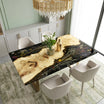
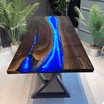




For the past decade, high-end home decor was dominated by cold, sterile surfaces. High-gloss lacquers, polished metals, and glassy plastics lined the pages of design magazines, projecting an untouchable, museum-like vibe. But as we step further into 2026, a profound cultural shift has occurred. Homeowners are no longer looking for spaces that simply look pristine; they want spaces that feel alive, restorative, and deeply comforting.
The sterile look of the past is officially being replaced by warm minimalism. Modern homeowners are craving sensory depth, leading to a massive surge in the popularity of matte finishes and rich, tactile wood textures. If you are looking to refresh your living space this year, here is why switching to matte and textured surfaces will elevate both your home’s aesthetic and your personal well-being.
The Rise of Biophilic Interior Design and Sensory Living
At the heart of this trend is the concept of biophilic interior design—the practice of designing indoor environments that connect humans more closely with the natural world. Modern life is fast-paced, digital, and often highly stressful. To counter this, interior designers are turning to tactile organic materials that offer "sensory grounding".
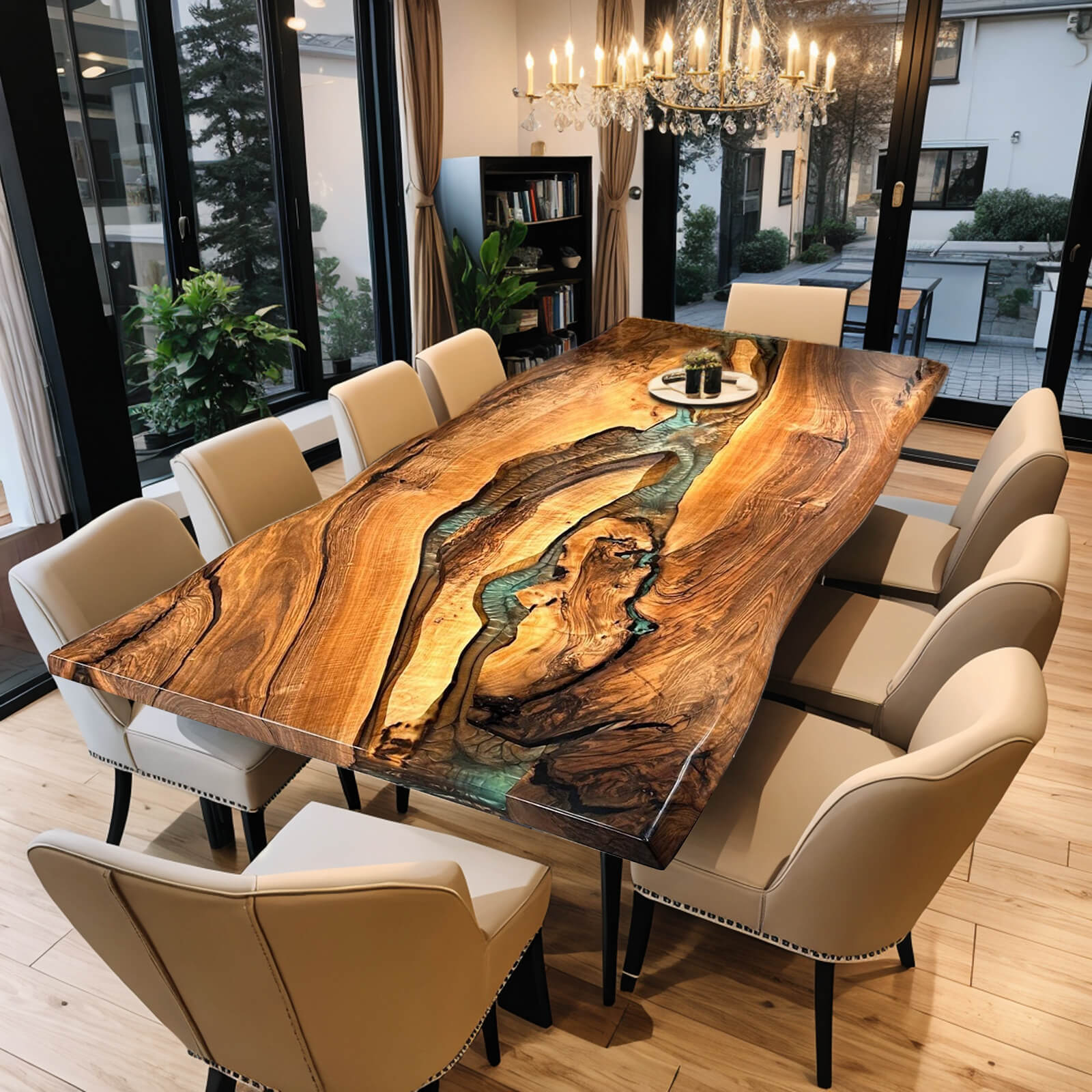
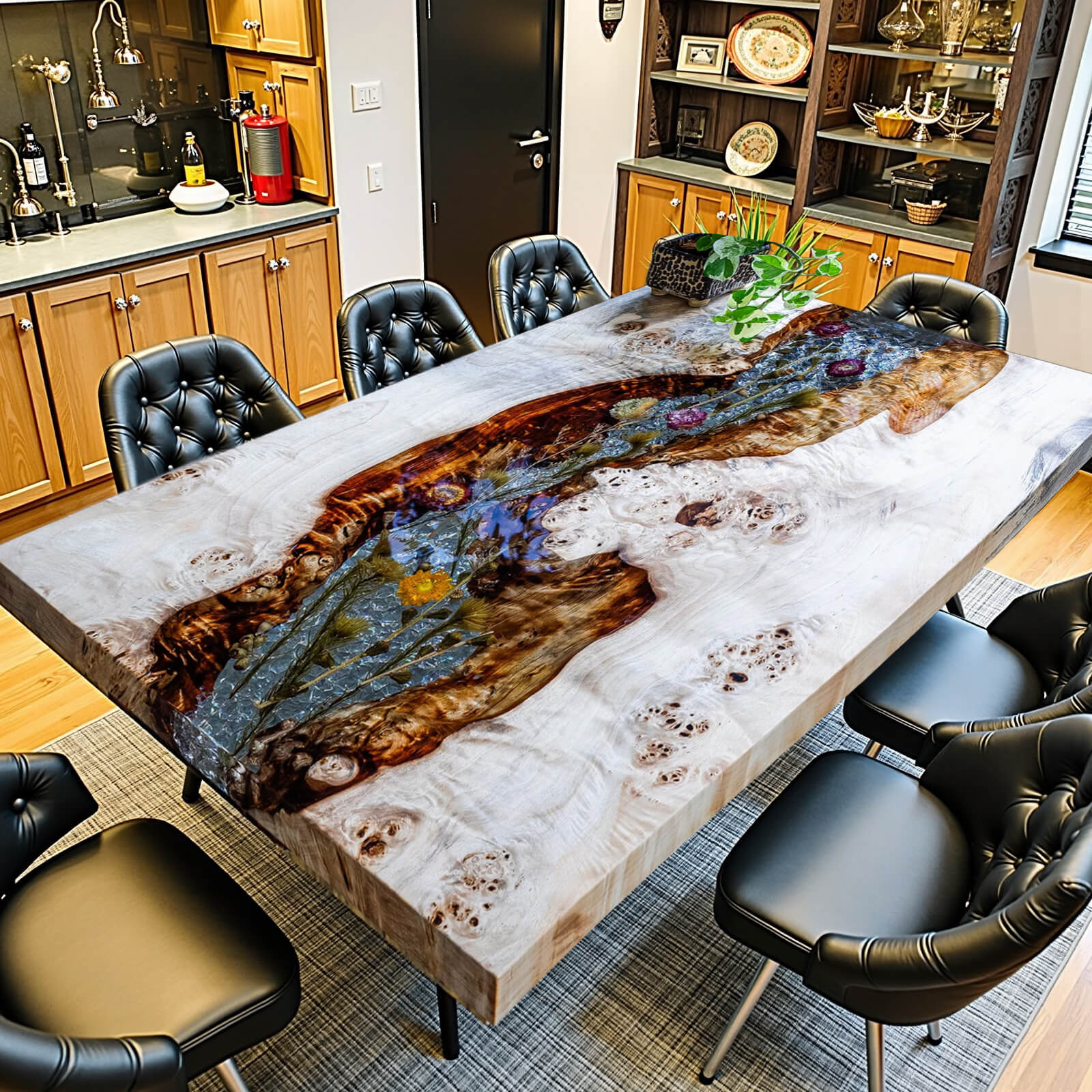
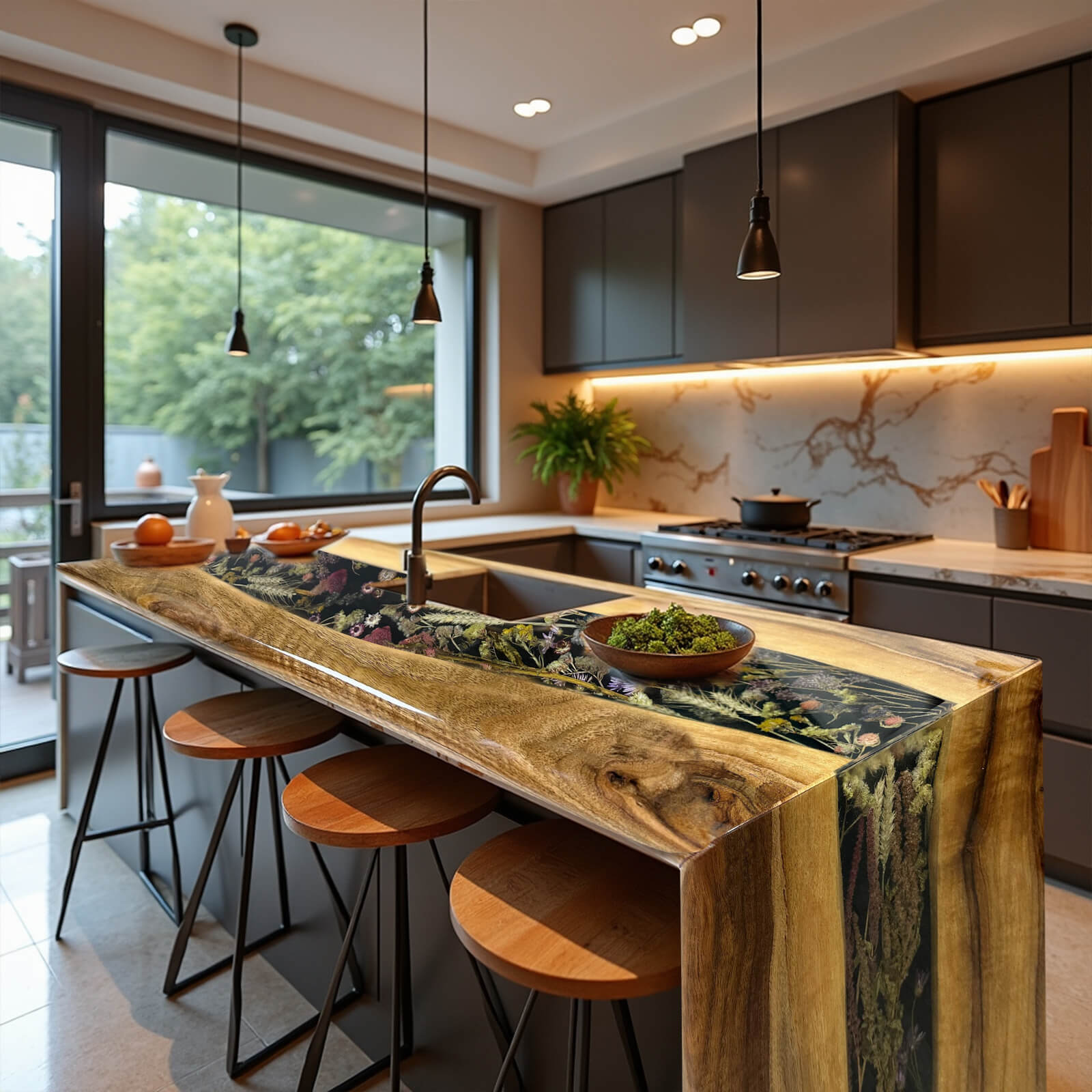
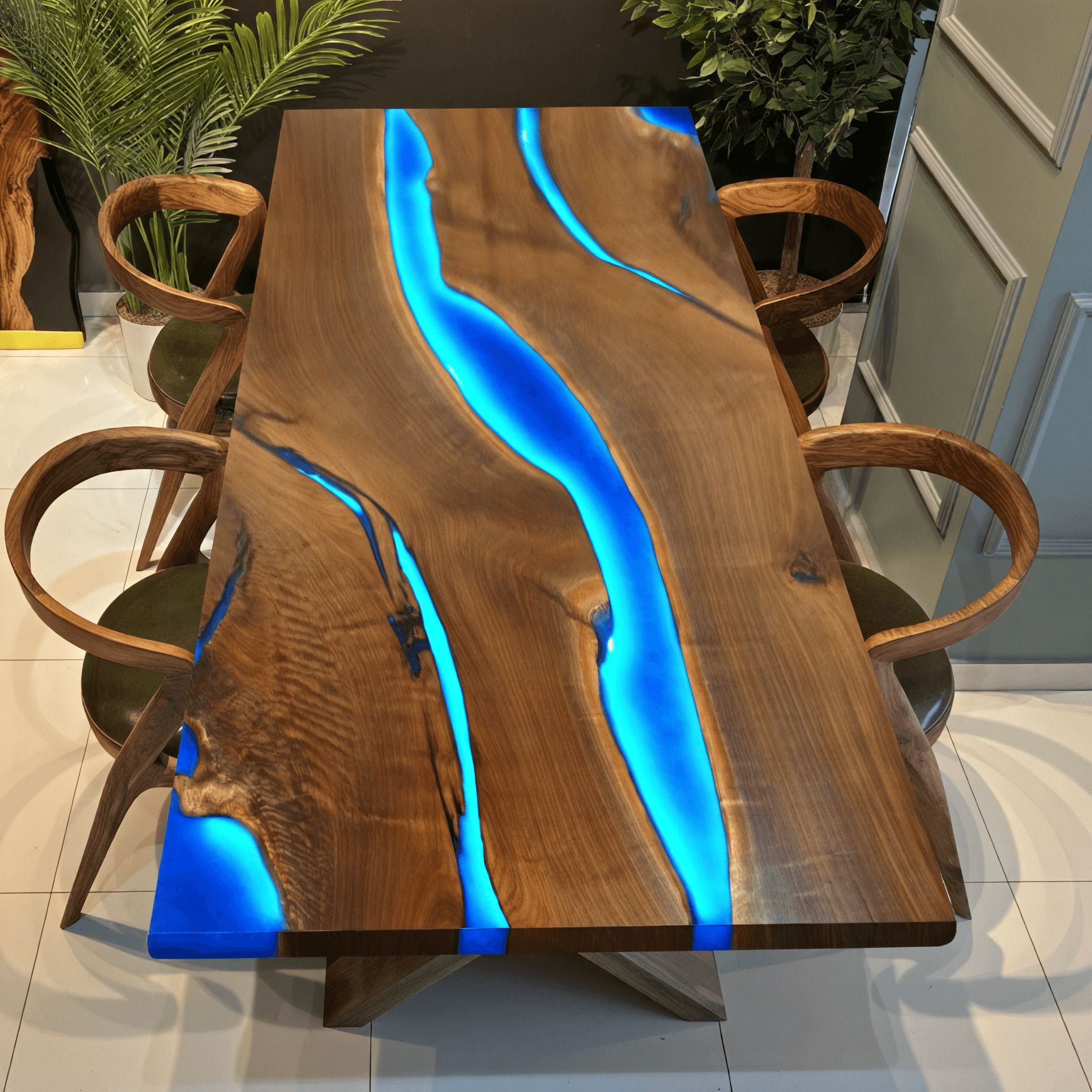
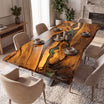
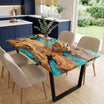
Touching a highly polished, cold plastic or glass table provides zero emotional comfort. In contrast, running your hands across the natural grain of a live edge dining table immediately triggers a sense of calm and biological connection to nature. In 2026, luxury is defined not by showy statement pieces, but by subtle, everyday tactile pleasures. This means appreciating materials in their most honest, unpolished forms—imperfections and all.
Understanding "Honest Textures" and the Japandi Style Decor
The massive popularity of Japandi style decor—the beautiful fusion of Japanese elegance and Scandinavian functionality—has further propelled the demand for raw surfaces. Both cultures deeply respect nature, sustainability, and the beauty of natural aging (often referred to as wabi-sabi).
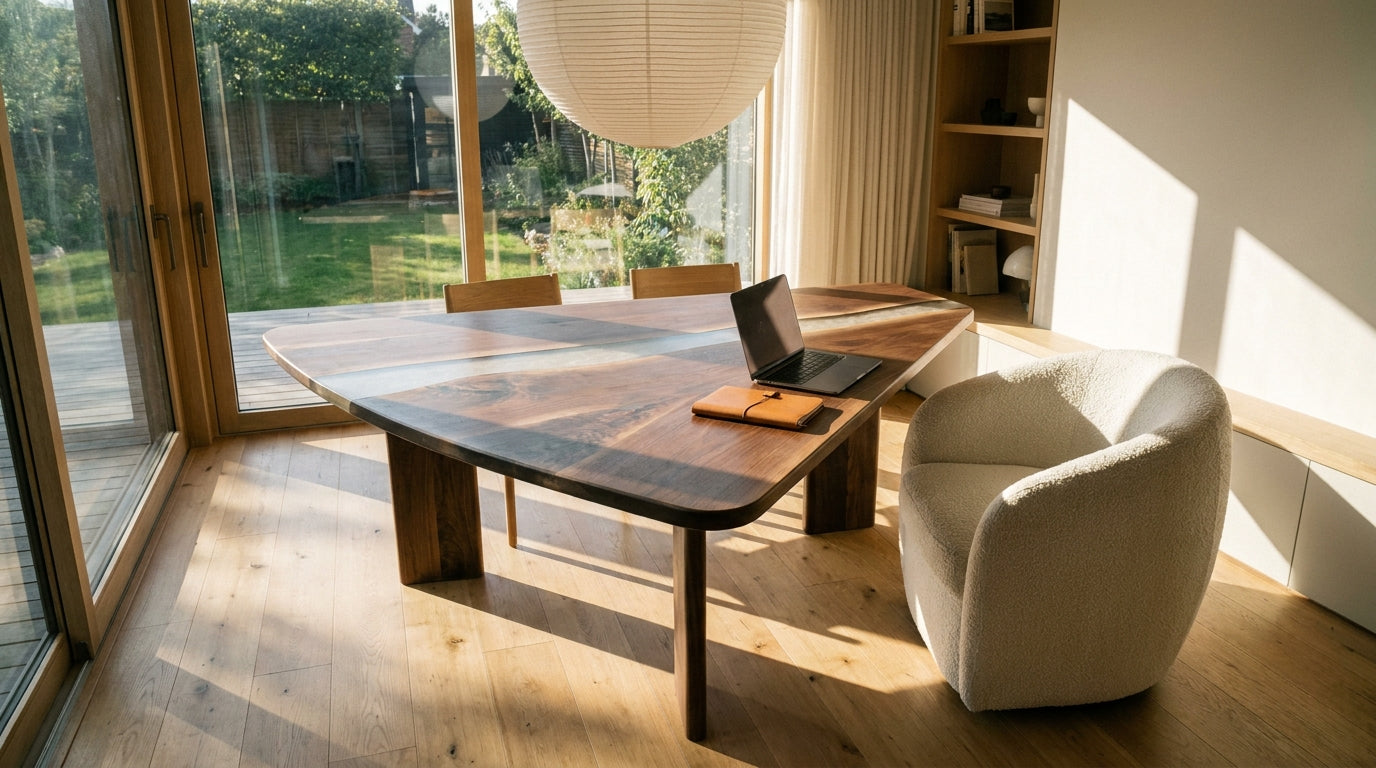
In 2026, designers are celebrating honest textures. Rather than hiding the natural knots, cracks, and varied ring patterns of solid wood under layers of thick, shiny glaze, premium artisans are opting for ultra-thin, low-luster matte coatings. These specialized finishes protect the timber from spills and daily wear while keeping the physical wood fibers completely open to the touch. When you sit at a matte-finished wooden desk, you can actually feel the history of the tree under your fingertips—a luxury that mass-produced, high-gloss furniture simply cannot replicate.

The Practicality of Matte Polyurethane and Low-Glare Surfaces
Beyond the immense psychological benefits, there is a highly practical reason why matte finishes are dominating the modern home. High-gloss furniture is notorious for being high-maintenance. It acts like a mirror, catching every speck of dust, showing every smudge, and highlighting hairline scratches under direct light.
Matte finishes have a low Light Reflectance Value (LRV), meaning they absorb and diffuse light rather than bouncing it harshly into your eyes. This creates a much softer, more relaxing visual environment, reducing eye strain in sun-drenched rooms. Furthermore, modern matte coatings are engineered with fingerprint-resistant technology and superior scratch resistance, making them perfect for busy family dining rooms and active home offices.
To make your home truly sustainable and safe, look for sustainable custom furniture that utilizes zero-VOC eco-friendly finishes. These premium coatings ensure that while your furniture connects you to nature, it doesn't release harmful chemical gasses into your indoor air, prioritizing your family’s physical health.

How to Style Matte and Textured Furniture in Your Home
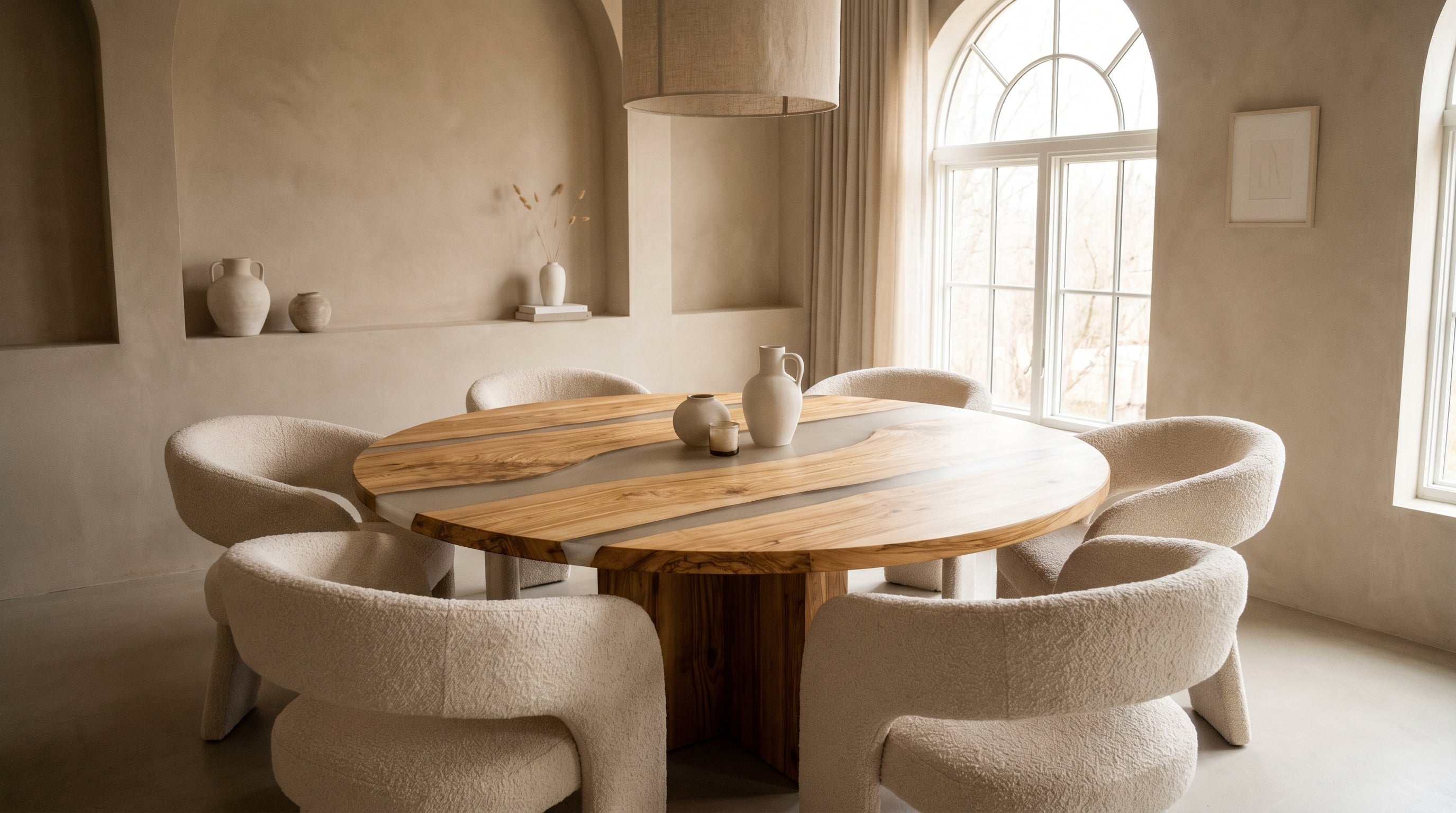
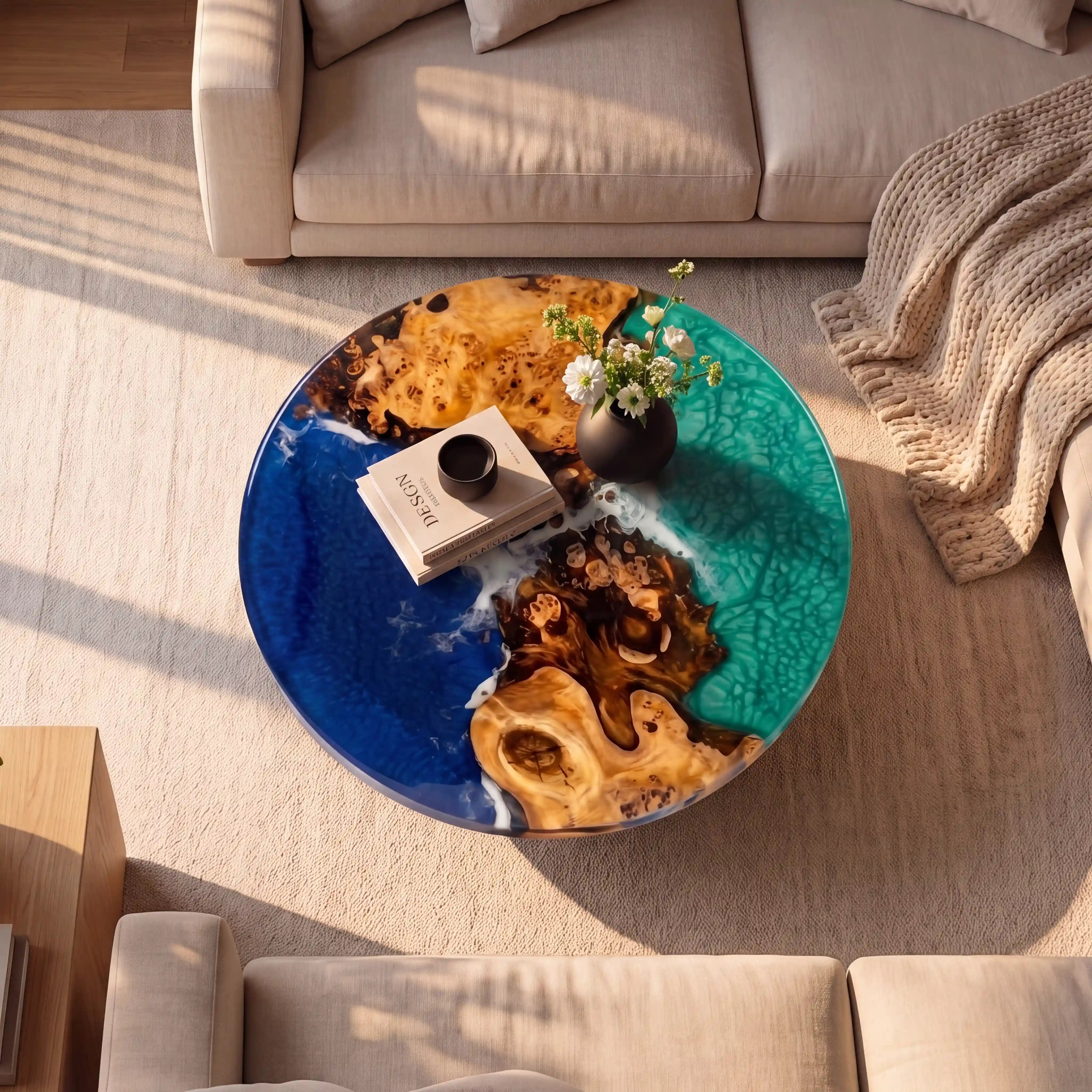
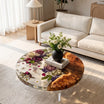
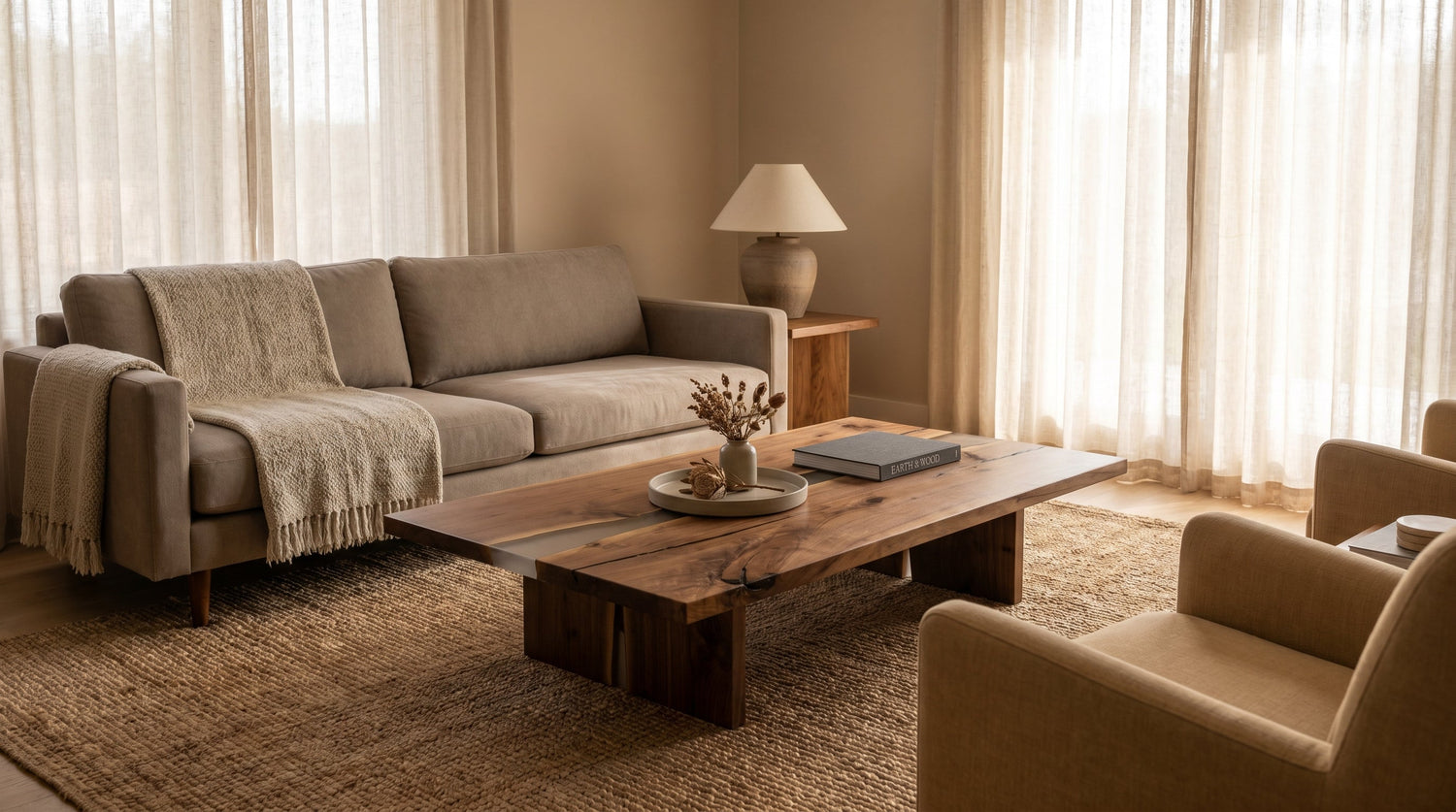
Integrating this trend into your home is all about thoughtful layering. Pair a raw, textured wooden coffee table with other organic materials like honed stone, matte ceramics, and soft fabrics such as bouclé, linen, and wool. By keeping the color palette earthy—focusing on warm sands, terracotta, ochre, and deep sage greens—you can create a beautifully layered, "cocooning" atmosphere that feels both incredibly high-end and deeply welcoming.