







The Great Spatial Retreat of the Remote-Work Era
For the past two decades, "open-concept living" was the ultimate architectural holy grail. Walls were torn down, kitchens spilled unchecked into living rooms, and dining areas were reduced to casual, drafty pass-through zones. But as we navigate 2026, the reality of long-term hybrid and remote work has triggered a massive spatial retreat. The constant clatter of kitchen appliances, the hum of Zoom meetings, and the lack of visual boundaries have made open-concept homes notoriously stressful.
The result? A profound return to semi-isolated, defined, and highly functional spaces. Today, homeowners and designers are actively rebuilding partitions, installing sliding steel-framed glass doors, and seeking furniture that can multitask without sacrificing an ounce of elegance.
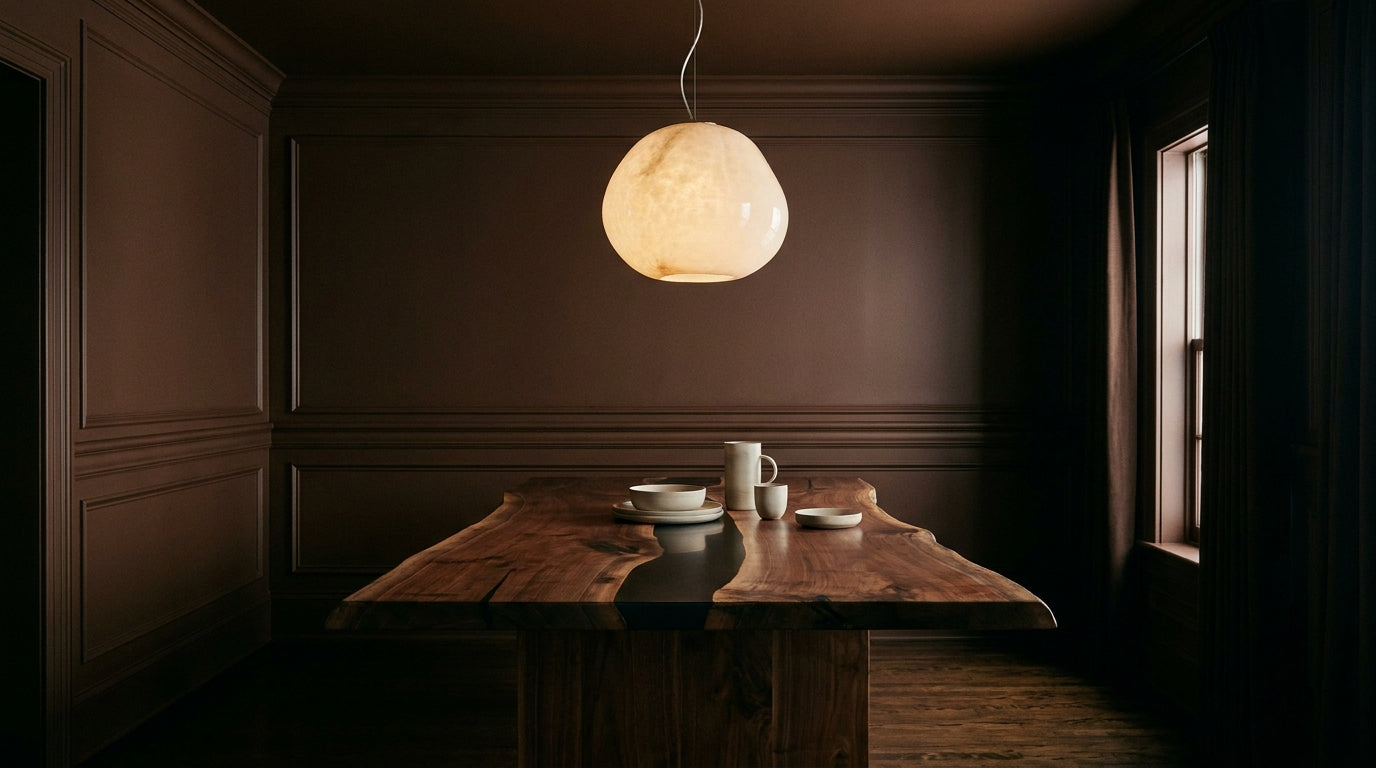
The formal dining room is no longer a stiff showroom reserved for annual holidays. It has transformed into a dynamic, highly resilient hybrid hub. On any given Tuesday, your dining table must seamlessly transition from a quiet, spacious home office workspace at 10:00 AM, to a creative crafting surface at 3:00 PM, and finally to an elegant, warm sanctuary for a family dinner at 7:00 PM.
However, squeezing a massive, rigid rectangular table into these newly defined, compact rooms creates a major problem: layout congestion and "traffic jams in your home walkways ". To solve this, contemporary architecture is looking to asymmetrical geometry and ergonomic space-planning.
The Mathematics of Walkway Clearance
In interior design and architectural ergonomics, the success of a room layout is determined by its circulation lines—the natural paths people take to walk through a space. To keep these pathways completely fluid and stress-free, we must adhere to precise geometric rules.
The gold standard of space planning dictates that you must maintain a minimum of 40 to 50 centimeters (approximately 16 to 20 inches) of "walking clearance" between the edge of your dining table and any adjacent walls, sideboards, or doorways. If your table has heavy chairs that slide out, you ideally want to extend this clearance to 60-70 centimeters to allow people to rise comfortably without hitting obstacles.
When you place a traditional, sharp-cornered rectangular table into a multi-use room, those harsh 90-degree corners become dangerous physical and visual blockages. People end up dodging table corners, resulting in an uncomfortable, restricted flow.
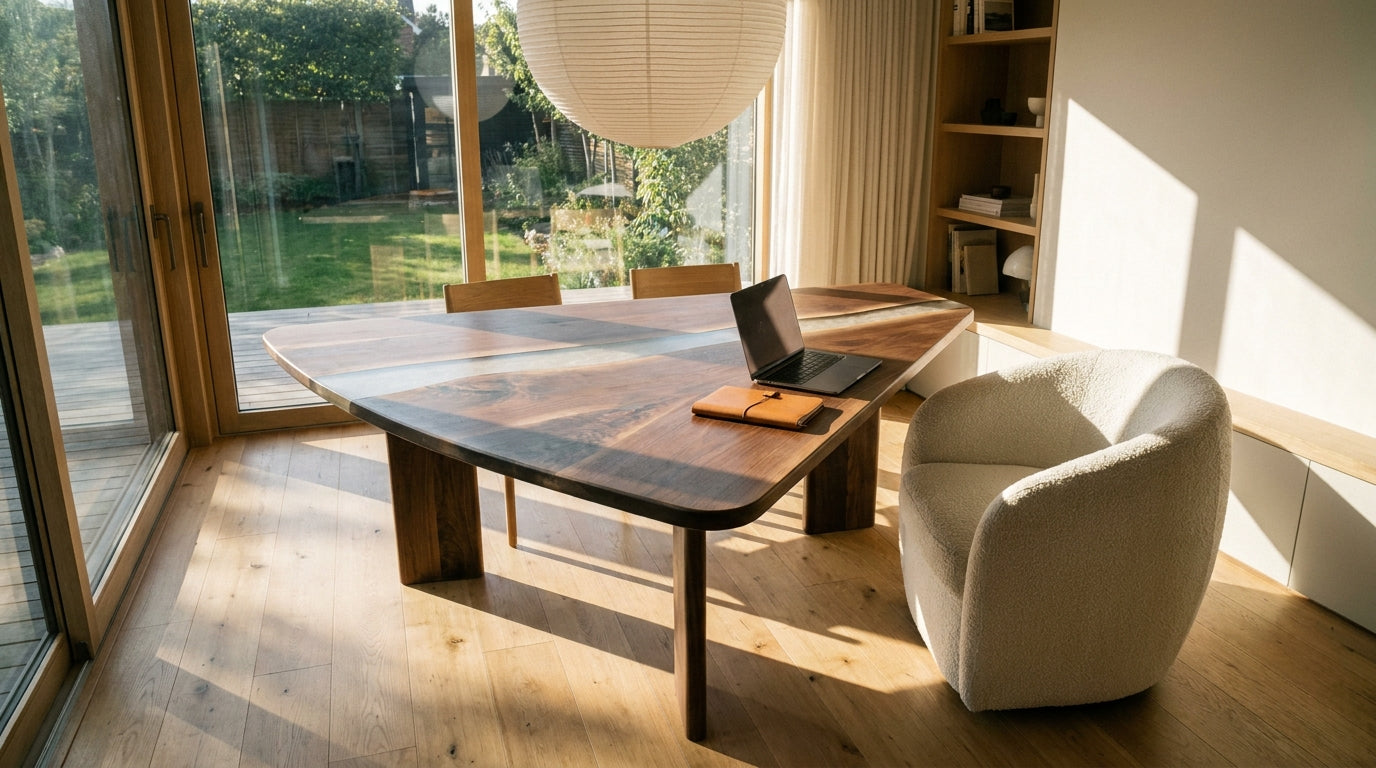
By choosing an asymmetric or curved tabletop shape, you physically "shave off" the corners that intrude into walkway lines. A triangular table with soft, rounded corners, for example, allows you to tuck one flat side close to a wall or window, while the remaining curved sides open up over 15% more walking space in your room's natural thoroughfares.

Designing Your Multi-Use Sanctuary
To help you select the perfect geometric shape for your home's unique footprint, we have compiled our master craftsmen's guide to 2026 hybrid table layouts :
|
Table Geometry |
Ideal Room Layout |
Walking Clearance Requirements |
Hybrid Role Capability |
|
Asymmetric Triangle (e.g., Orina Triangle style) |
Perfect for corner placement, tight multi-passageway spaces, or angled rooms. |
40 cm (Soft, organic curves compress the footprint beautifully). |
Outstanding. Features no head-of-table hierarchy, allowing 3-5 people to comfortably collaborate with laptops or share intimate meals. |
|
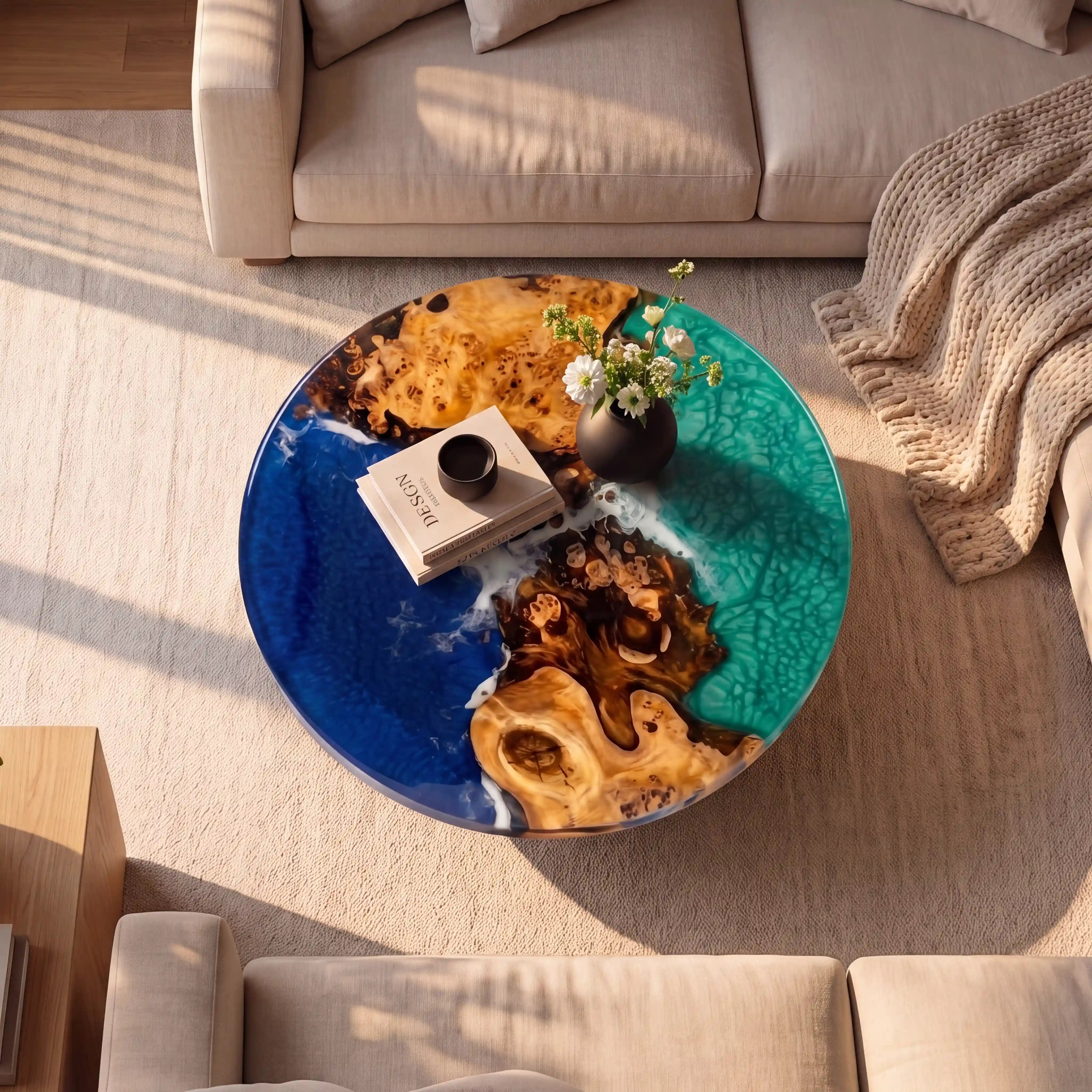
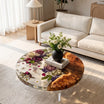
Central Columnar Round (e.g., Vera Round style) |
Best for square rooms, breakfast nooks, or defining space within a larger hybrid zone. |
45 cm (Ensures a smooth, circular flow around the table). |
Excellent. Eliminates table leg interference so extra chairs or office storage can slide underneath effortlessly. |
|
Extendable Butterfly Leaf |
Best for narrow, rectangular spaces that need to expand for evening hosting. |
50 cm (Requires maximum clearance only when fully extended). |
Highly Flexible. Acts as a compact 2-4 person office desk during the day, expanding to accommodate up to 8 guests at night. |
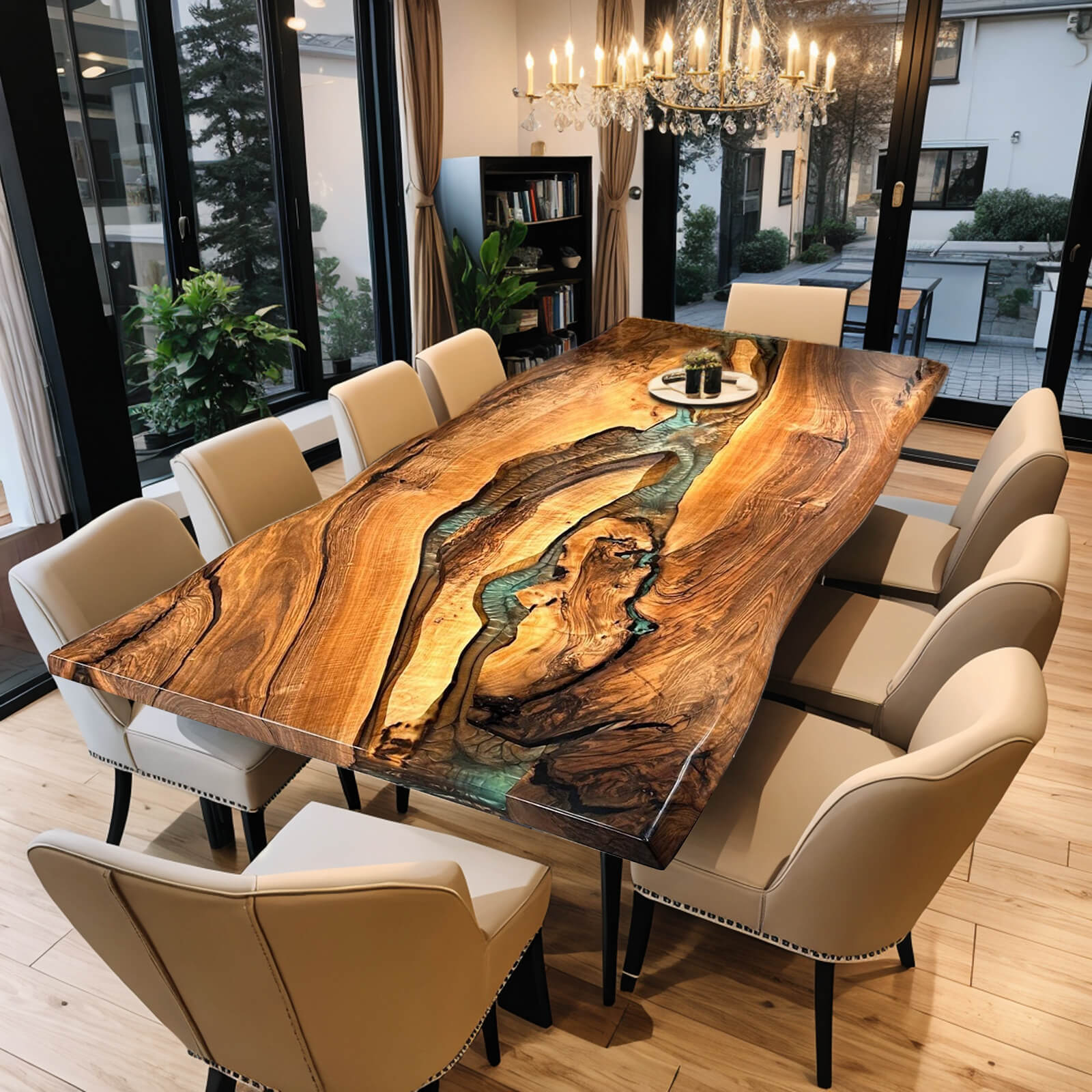
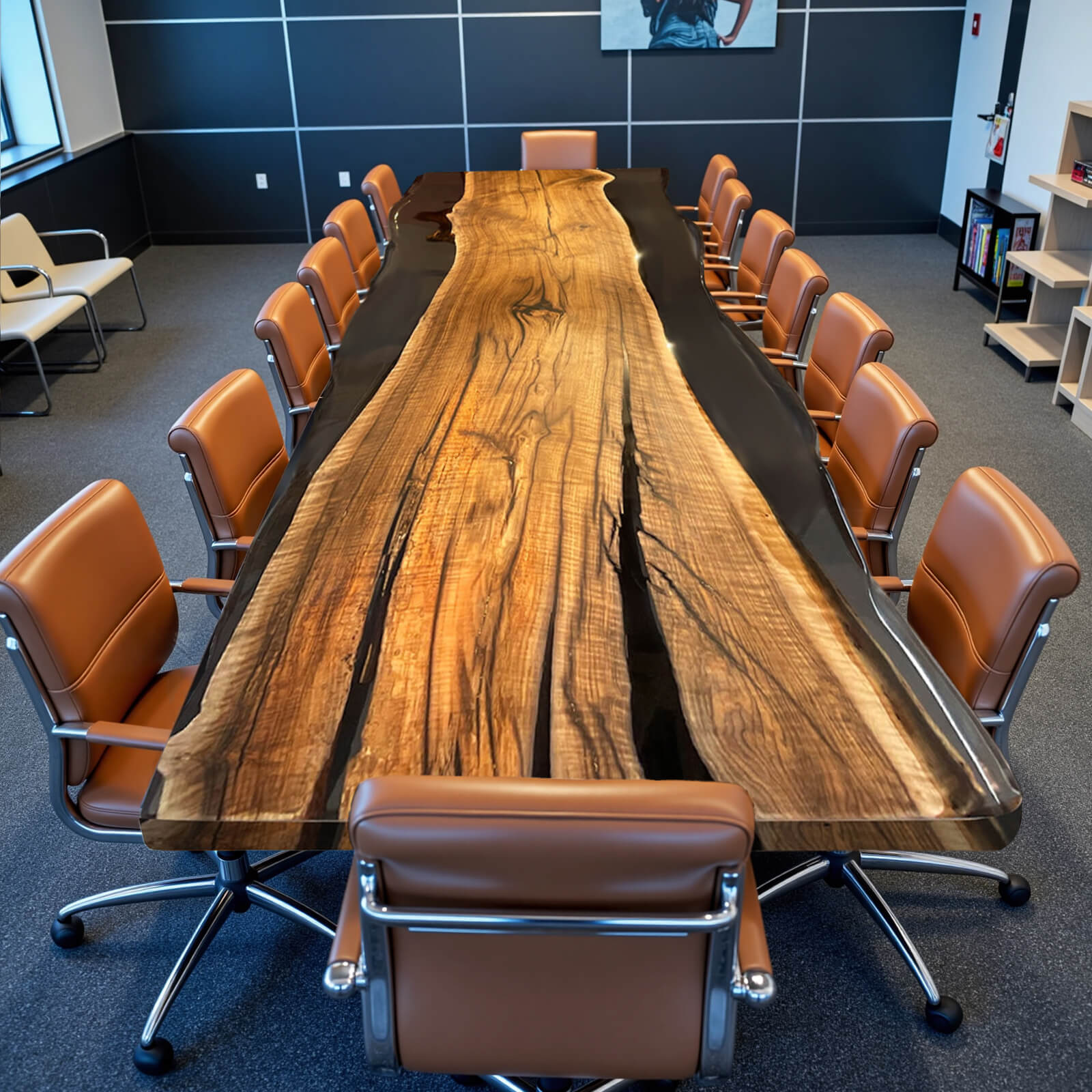
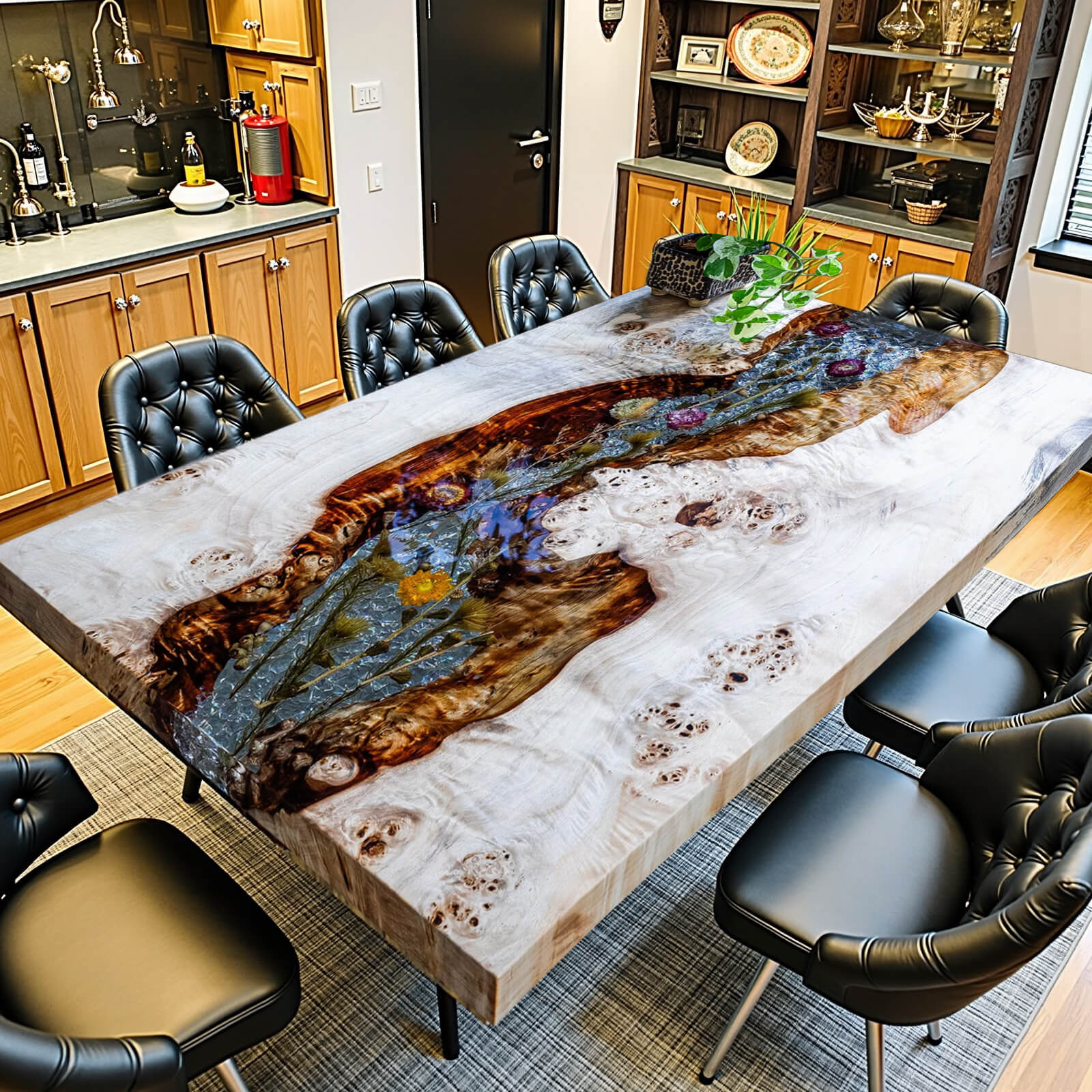
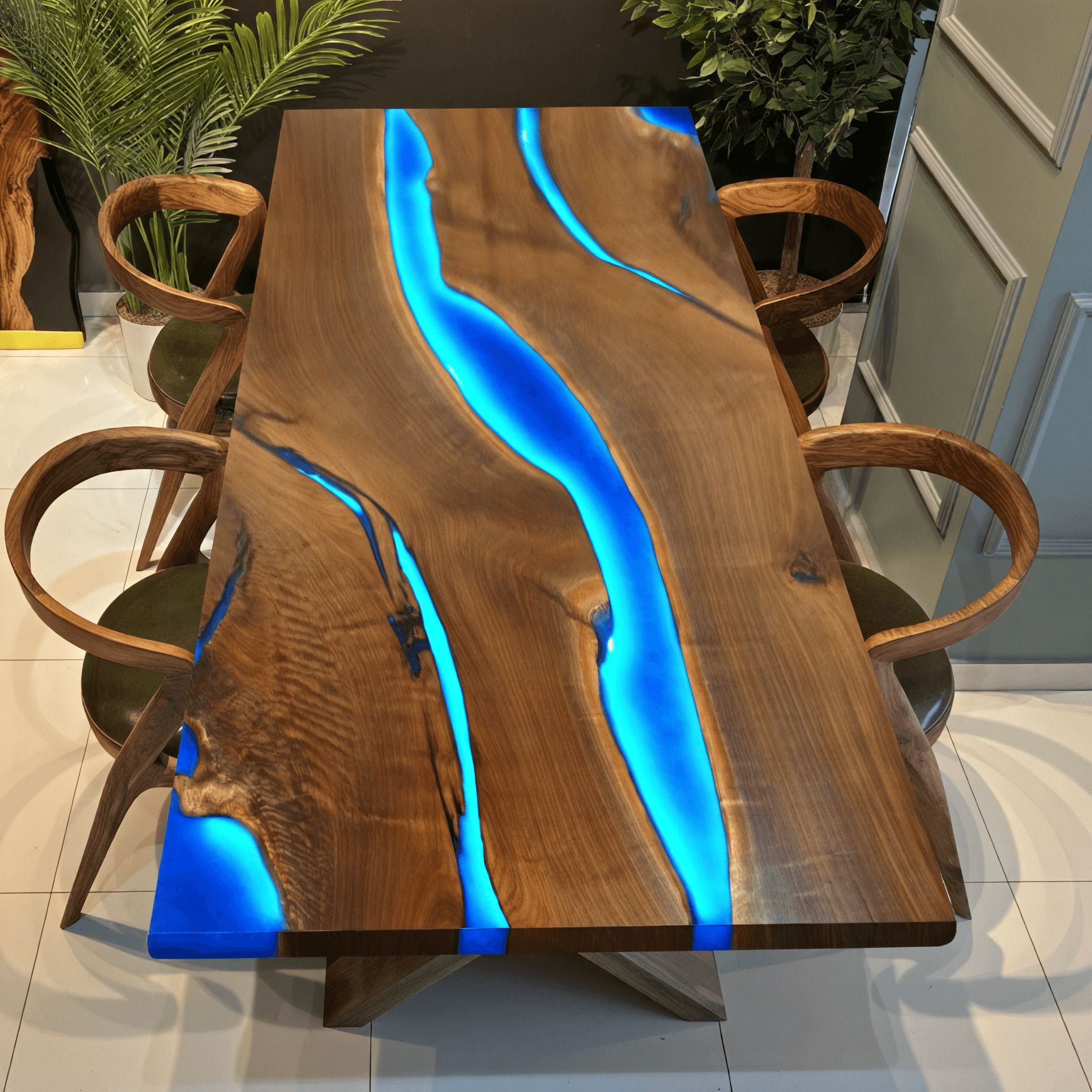
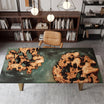
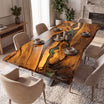
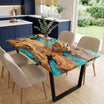
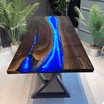
At createatable.com, we specialize in turning these spatial calculations into custom realities. Whether you require an asymmetrical live-edge slab that perfectly mimics a winding river to slide into a narrow glass-walled study, or a perfectly proportioned round table with a heavy, non-tip pedestal base , our design team drafts your dream piece in CAD within 24 hours.
Let us design a space that respects your movement, inspires your daily work, and welcomes your loved ones home.