







Why Are Modern Homes Looking Backward to Move Forward?

Technology has transformed almost every part of modern life.
We communicate instantly.
Artificial intelligence can create images, write stories, and even help design our homes.
With tools like AI interior design, homeowners can now visualize thousands of possible spaces within seconds.
But something unexpected is happening at the same time.
While technology continues moving forward, interior design is looking backward.
People are returning to materials that humans have valued for thousands of years:
Wood.
Stone.
Leather.
Natural fibers.
The future of home design is not becoming completely digital.
Instead, modern homes are searching for balance between innovation and authenticity.
This is why natural wood furniture is experiencing a renewed appreciation.
In an increasingly artificial world, real materials provide something technology cannot replicate:
A physical connection to nature.
The Digital Age Created a Desire for Something Real
The more digital life becomes, the more people value physical experiences.
A computer-generated image can show a perfect room.
An AI tool can suggest a perfect furniture arrangement.
But perfection does not always create emotional connection.
A real piece of wood carries evidence of time.
The grain patterns reveal growth.
The natural variations show individuality.
The texture creates a sensory experience.
This is why natural materials have become a major foundation of modern interior trends.
Designers are increasingly moving toward spaces that feel authentic rather than artificial.
The goal is not simply creating a beautiful room.
The goal is creating a room that feels alive.
From Artificial Perfection to Natural Character
For years, many modern interiors followed a very controlled aesthetic:
Perfectly smooth surfaces.
Uniform colors.
Factory-made consistency.
However, many homeowners are now moving toward a different philosophy.
They want spaces with character.
This explains the popularity of:
· warm minimalism
· organic modern design
· biophilic design
Unlike traditional minimalism, which sometimes created cold and empty environments, warm minimalism focuses on comfort, texture, and natural elements.
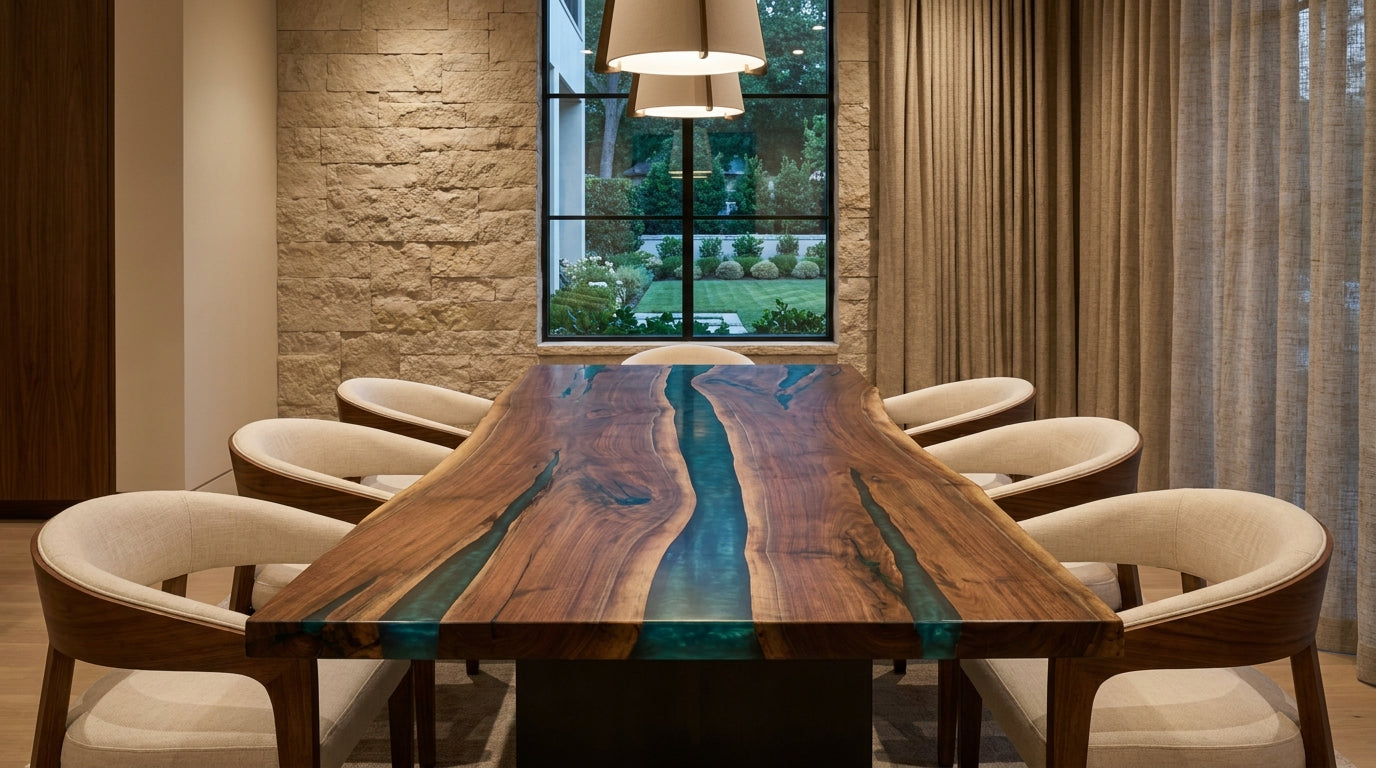
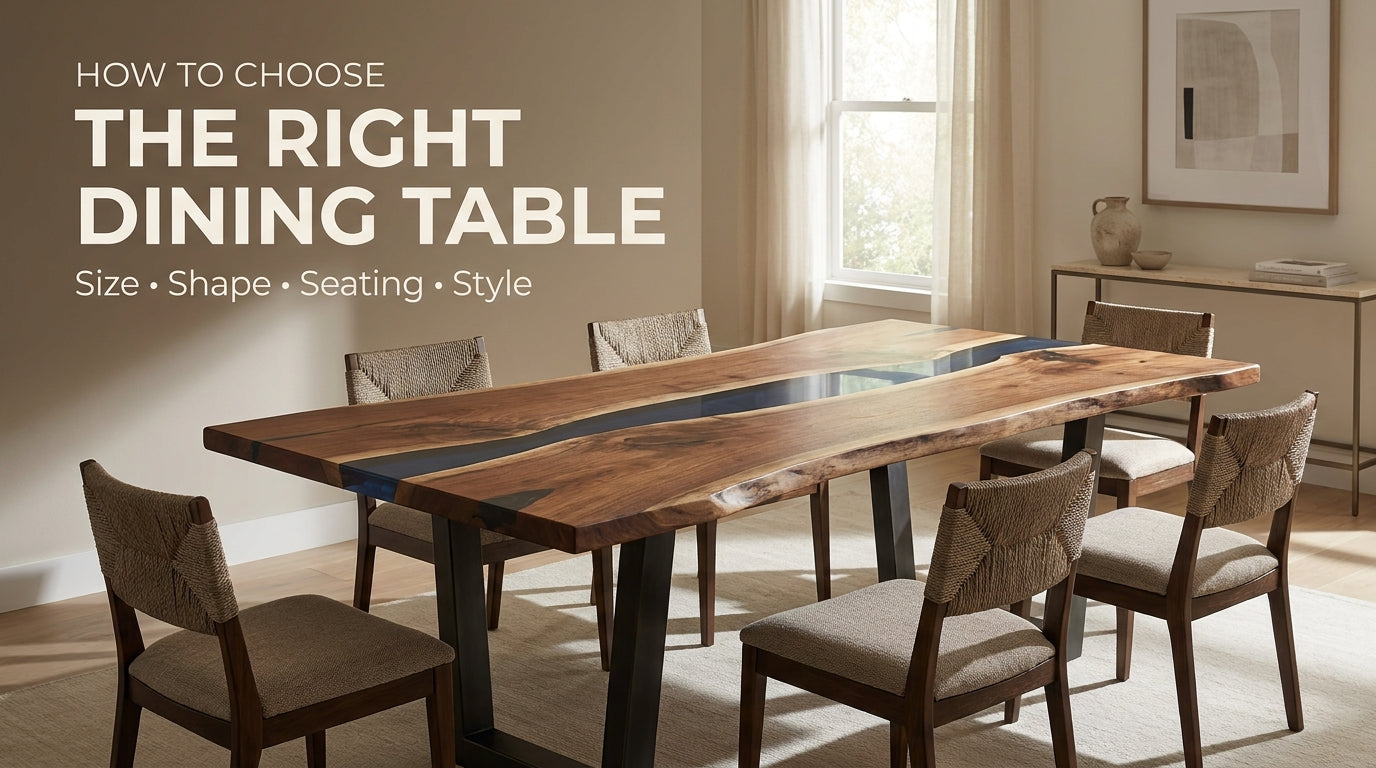
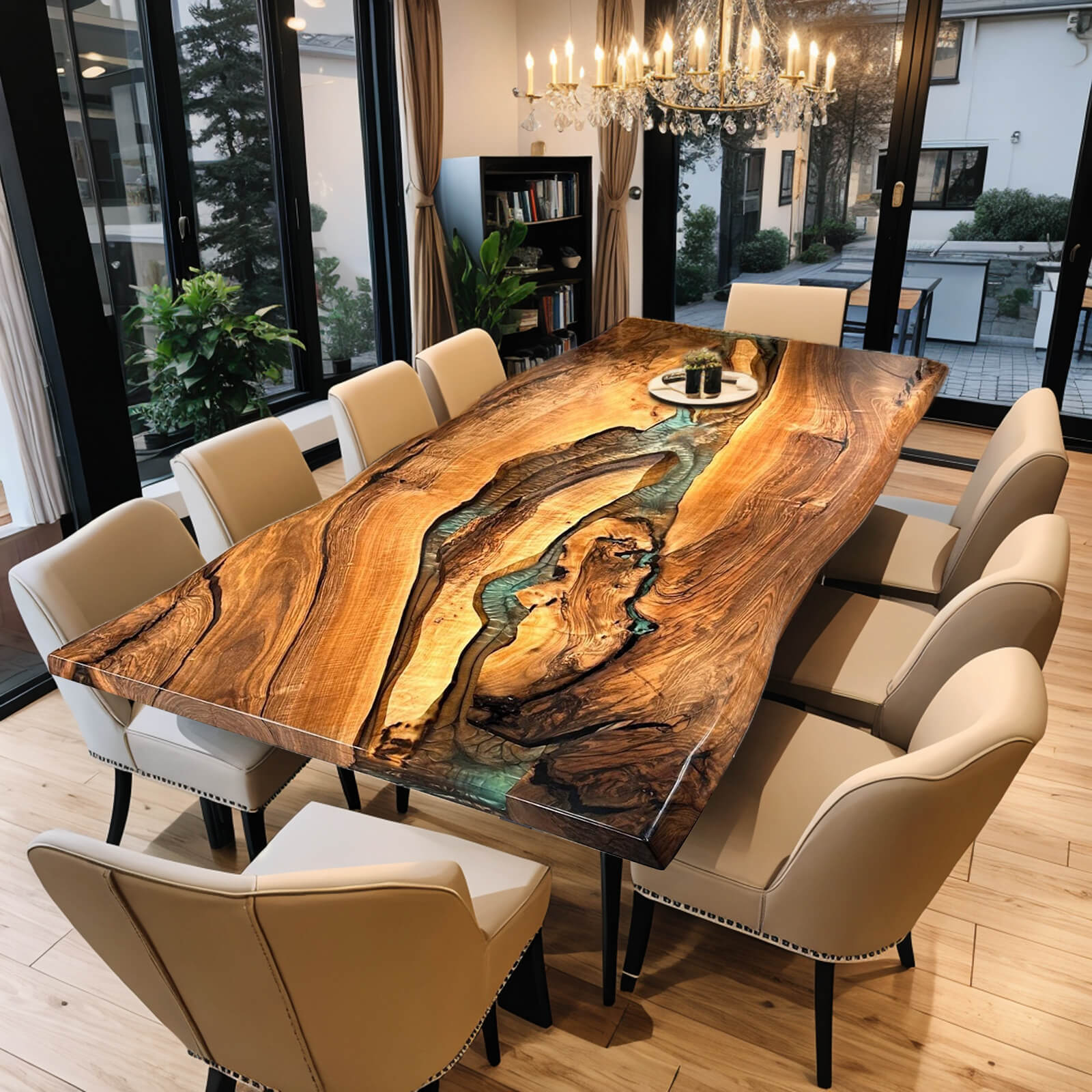
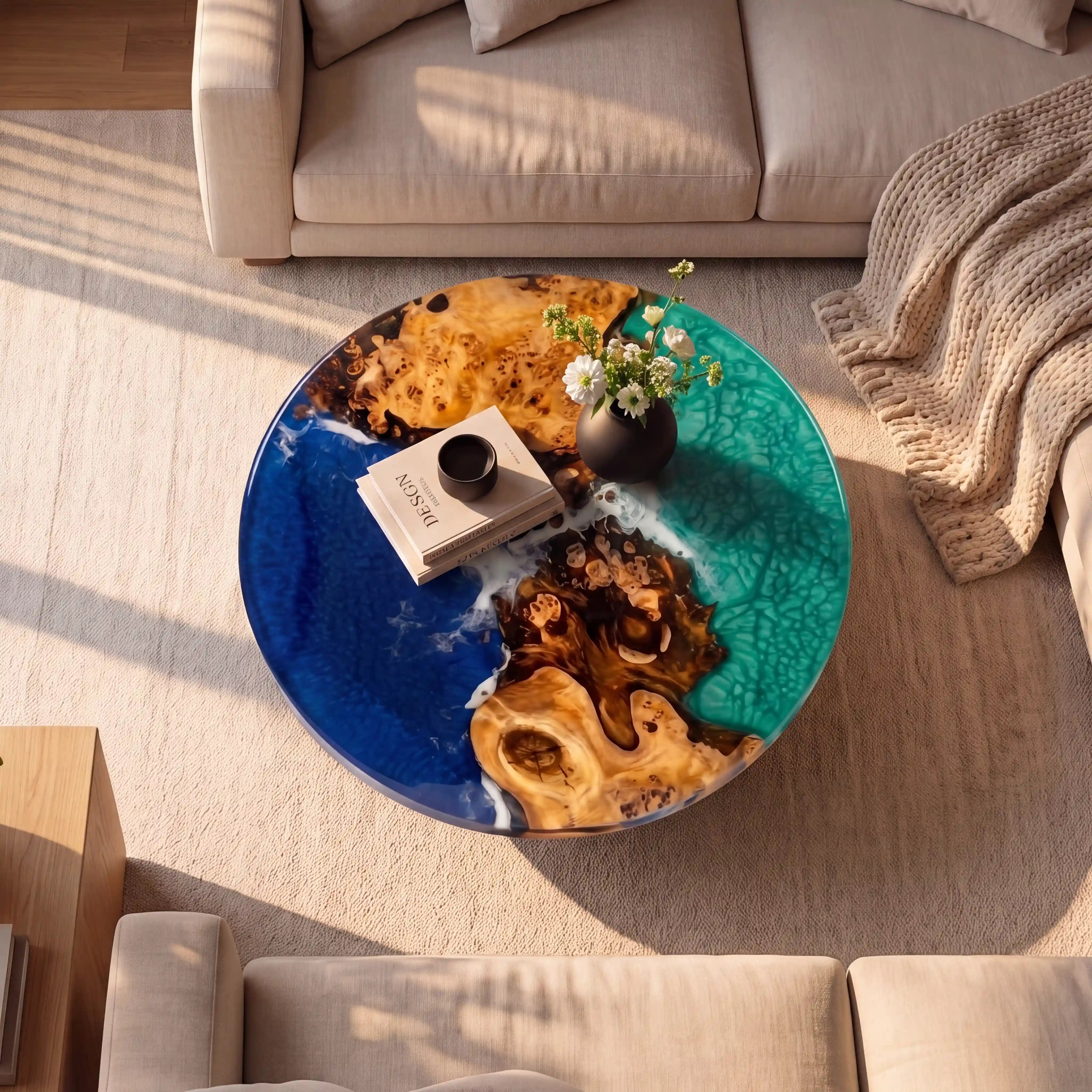
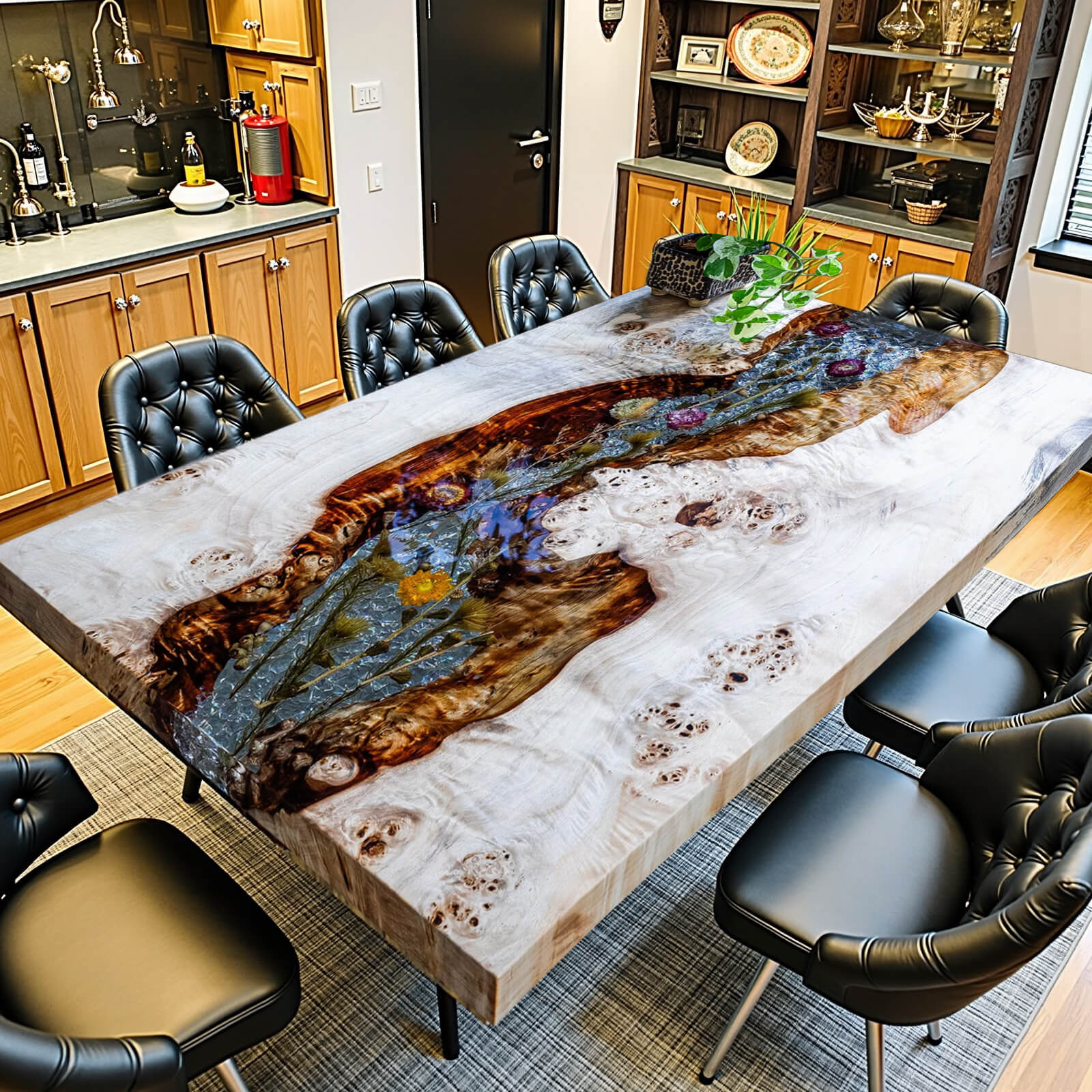
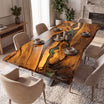
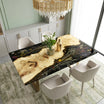
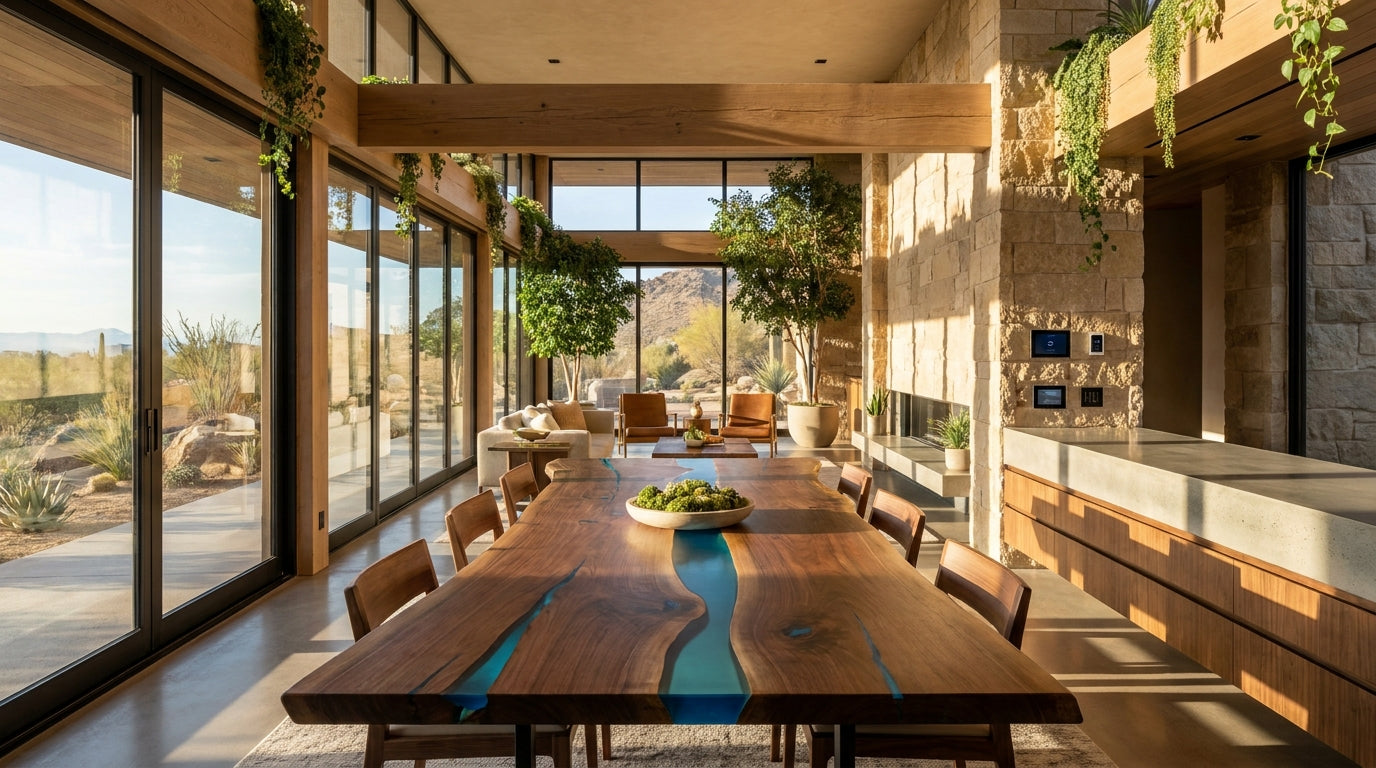
A wooden dining table with visible grain, natural edges, and unique patterns becomes more than a functional object.
It becomes a reminder that the home is connected to the natural world.
Ancient Materials Have a Modern Advantage

Wood is one of humanity’s oldest building materials.
For centuries, people have used wood to create:
· homes
· tools
· furniture
· artistic objects
Its continued popularity is not accidental.
Wood combines qualities that modern synthetic materials often struggle to reproduce:
Texture
A real wood surface changes depending on lighting and touch.
Individuality
Every tree creates different grain patterns.
Aging Beauty
Unlike many manufactured materials, wood often becomes more beautiful over time.
These qualities make natural wood furniture especially relevant in an era where consumers are searching for timeless design.
The Rise of Biophilic Design
One major reason natural materials are becoming more popular is the growth of biophilic design.
Biophilic design focuses on creating stronger connections between people and nature through:
· natural materials
· organic shapes
· natural light
· indoor greenery
· outdoor connections
In 2026, this concept has moved beyond simply adding plants to a room.
Designers are using natural textures and materials as a deeper way to create comfortable environments. A wood table, for example, is not just a decorative element.
It introduces a natural texture into daily life.
Every meal, conversation, and gathering happens around a material shaped by nature.
Why Natural Wood Furniture Fits the Future of Smart Homes
At first, smart technology and natural materials may seem opposite.
One represents the future.
The other represents the past.
But the homes of tomorrow will likely combine both.
Smart lighting.
AI-powered systems.
Connected appliances.
Alongside:
Natural wood.
Stone.
Handcrafted furniture.
Organic textures.
The reason is simple:
Technology improves convenience.
Natural materials improve emotional experience.
The most successful homes will not choose one over the other.
They will combine both.
Handmade Furniture in an Age of AI
Artificial intelligence has made design possibilities almost unlimited.
Anyone can generate thousands of furniture concepts.
But unlimited digital possibilities create a new question:
What makes something truly valuable?
The answer may be scarcity.
A digital design can be copied instantly.
A handcrafted table cannot.
A natural wood slab contains characteristics that exist only once.
The maker must work with the material rather than completely control it.
This relationship between human skill and natural material creates something unique.
That is why artisan craftsmanship remains valuable even as technology advances.
The New Meaning of Sustainable Furniture
Sustainability is also changing how people think about furniture.
In the past, sustainable choices were often associated with sacrifice.
Today, many consumers see sustainability as a form of quality.
A well-made piece that lasts decades reduces the need for constant replacement.
This idea connects with the growing slow living movement.
Slow living encourages people to:
· buy intentionally
· value experiences
· choose quality over quantity
Furniture becomes part of a more thoughtful lifestyle.
Instead of asking:
“How quickly can I replace this?”
People are asking:
“How long can this remain meaningful?”
Why Custom Wood Tables Represent the Future of Interior Design

A custom table represents a new relationship between people and furniture.
It is not selected only because of size or color.
It is chosen because it represents something personal.
The homeowner may choose:
A specific wood species.
A unique shape.
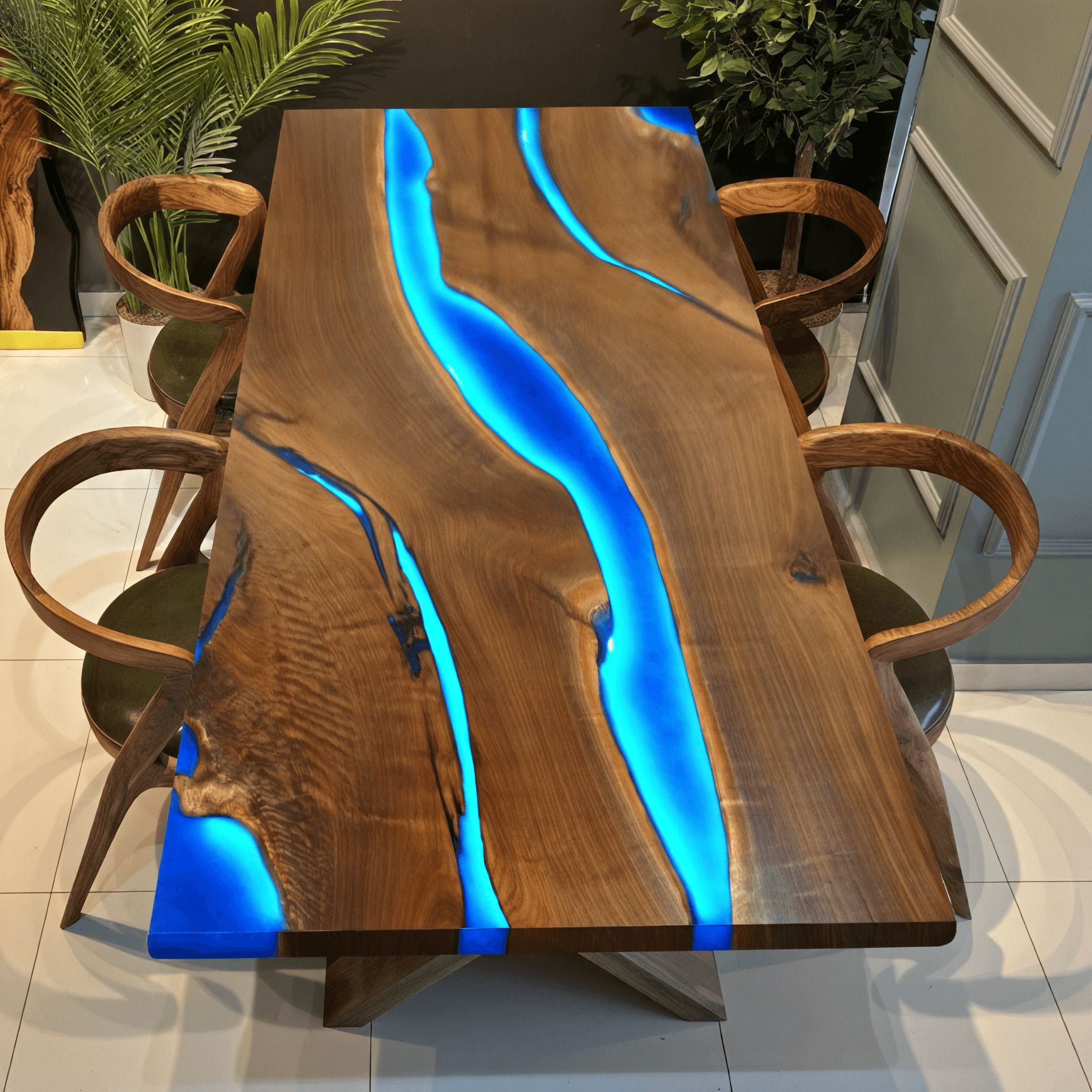
A particular resin color.
A design inspired by personal memories.
This creates personalized interiors where furniture reflects identity rather than simply filling space.
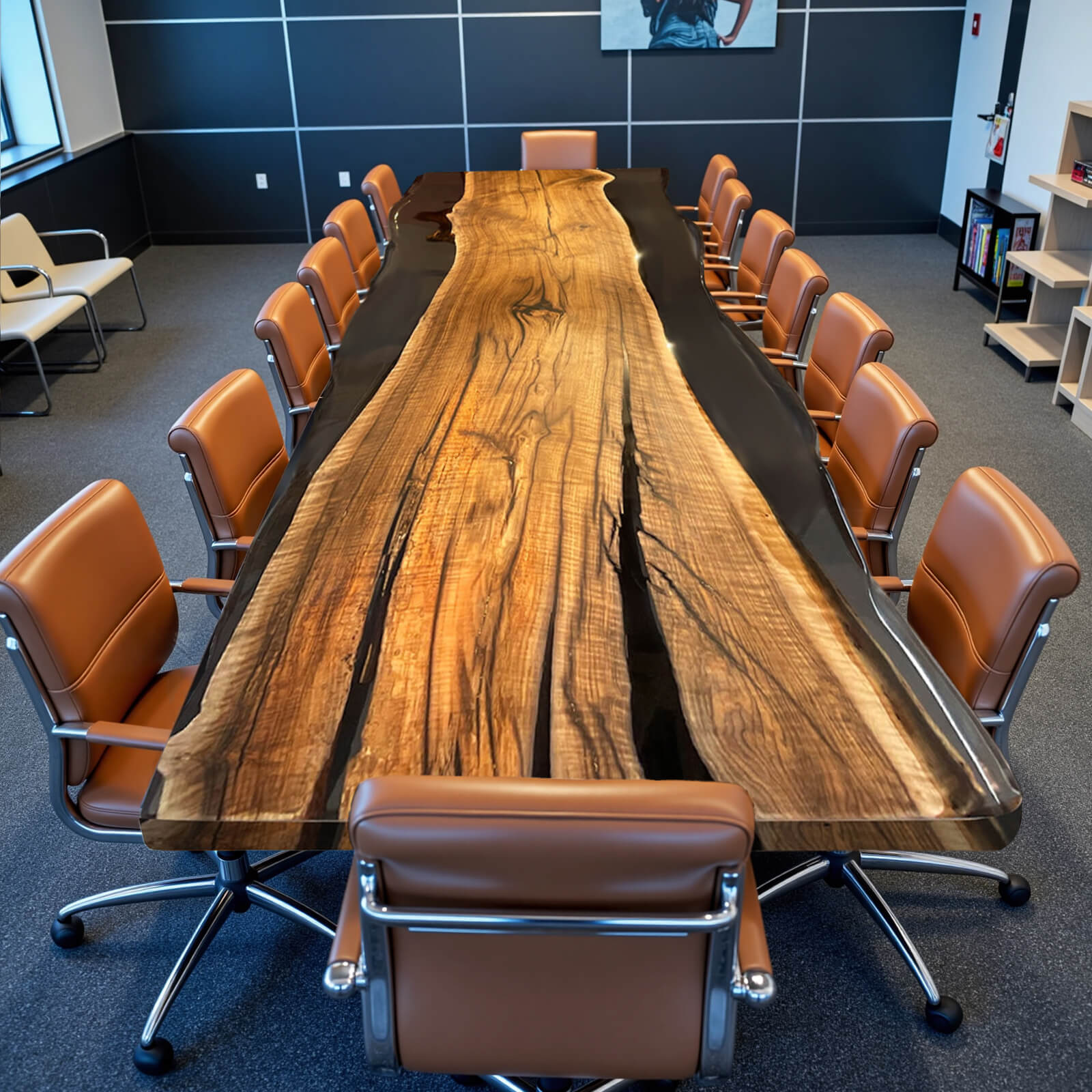
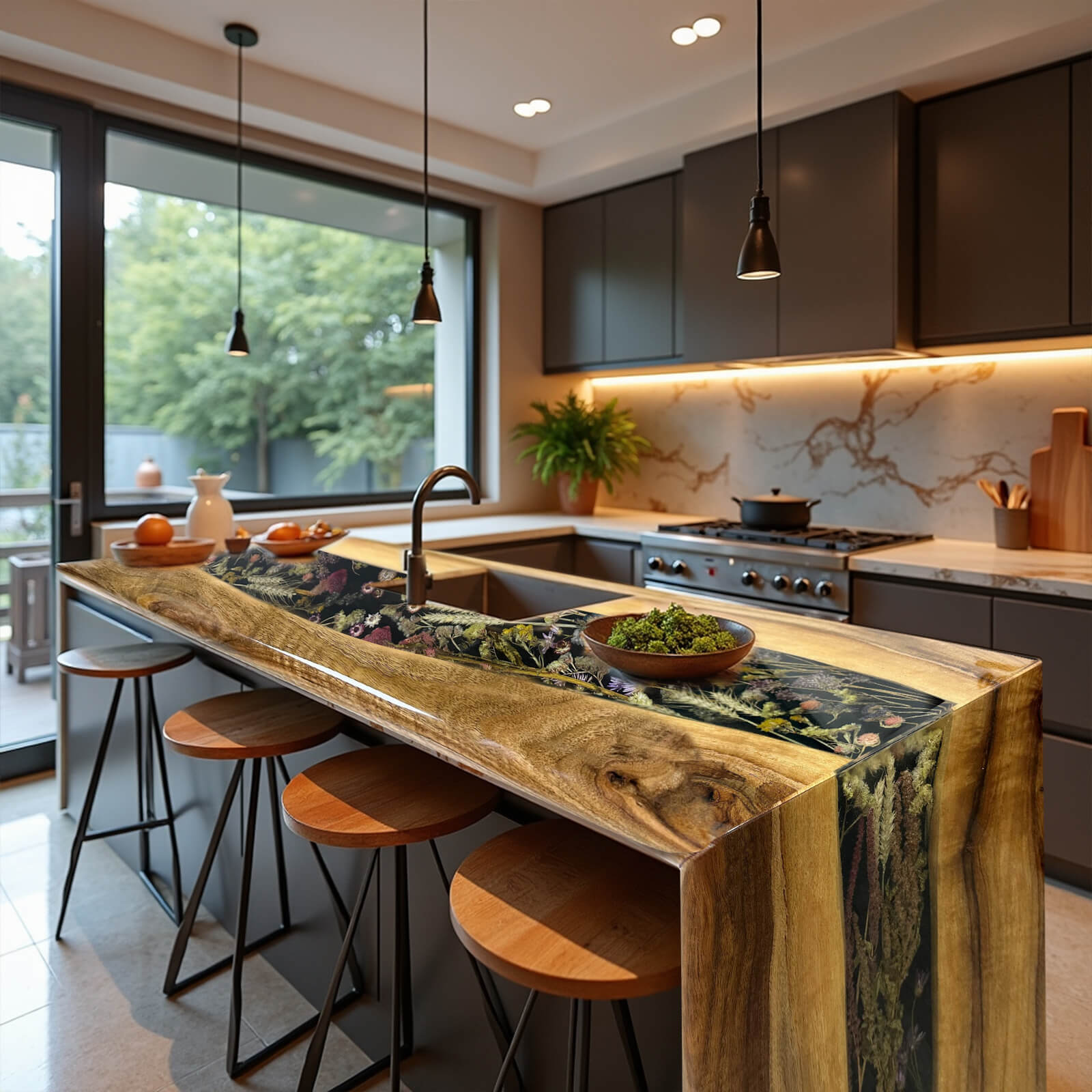
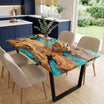
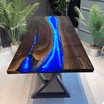
A custom epoxy table combines:
· ancient natural material
· modern craftsmanship
· contemporary design
It represents exactly where interior design is heading.
The Future Belongs to Materials With a Story
The future of home design will not be defined only by the newest technology.
It will also be defined by what technology cannot replace.
A natural wood table carries history.
A handcrafted surface carries human effort.
A unique piece carries personal meaning.
As homes become smarter, people may search even more for objects that feel authentic.
The next generation of luxury will not simply be about owning advanced products.
It will be about creating meaningful environments.
Homes that combine innovation with nature.
Technology with craftsmanship.
The future with the past.
Because sometimes the oldest materials are exactly what modern homes need most.
Final
Discover handcrafted epoxy tables from CREATEATABLE — where natural wood, modern craftsmanship, and timeless design come together to create furniture made for generations.