








Choosing a dining table sounds simple until you start comparing dimensions, shapes, materials, seating capacity, and interior styles. A table that looks perfect in a showroom may feel completely different once it is placed inside your own dining room.
The right dining table should do more than fit the available floor space. It should support the way you live, accommodate the number of people you regularly host, complement the architecture of your home, and still feel comfortable when the dining room becomes the center of a larger gathering.
That is especially important as American homeowners continue to rethink the dining room as a space for connection, entertaining, and everyday living rather than a room used only for formal occasions.
Start With Your Room Dimensions

Before choosing a dining table, measure the room carefully.
The tabletop itself is only part of the equation. You also need enough room for chairs to move backward, people to walk around the table, and doors or cabinets to open without obstruction.
A practical starting point is to allow roughly 36 inches of clearance between the edge of the table and the nearest wall or large piece of furniture. More space may be preferable in a high-traffic area.
For an open-concept home, consider the relationship between the dining table, kitchen island, living room, and main walkways. A table can fit technically while still making the entire floor plan feel crowded.
This is where Space-Smart Design becomes useful. Good furniture planning is not simply about fitting objects into a room; it is about preserving comfortable movement between them.
How Many People Should Your Dining Table Seat?
The next question is seating.
Think about both your everyday needs and your occasional needs.
A household of four does not necessarily need a four-person table. If you regularly invite friends over or host extended family, additional seating may be more valuable than having maximum open floor space.
As a general starting point:
l Four seats work well for smaller households and compact rooms.
l Six seats offer flexibility for everyday family meals and occasional guests.
l Eight seats are suitable for larger dining rooms and frequent entertaining.
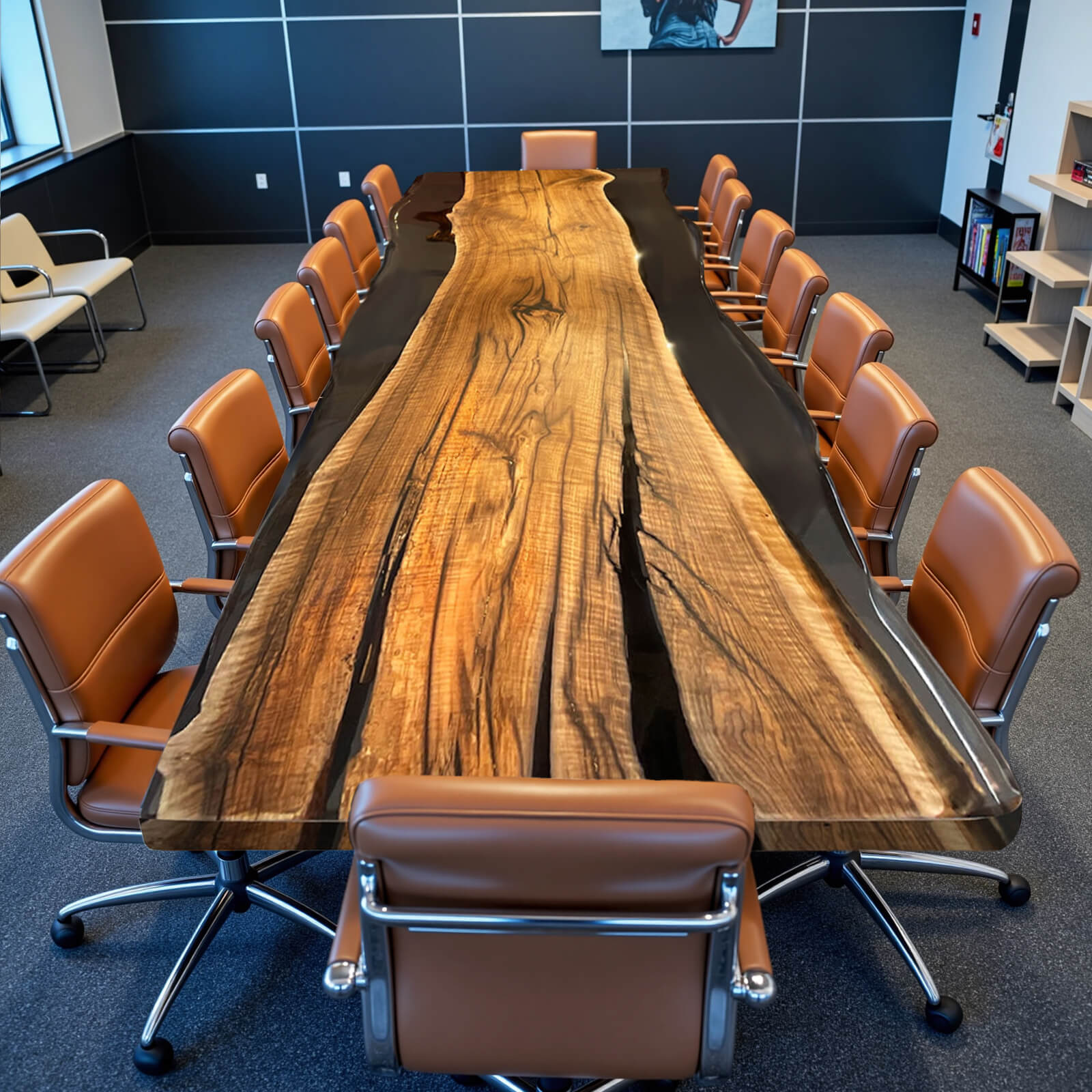
l Ten to twelve seats may make sense for homeowners who regularly host larger gatherings.
However, seating capacity depends on more than table length.
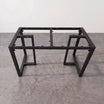
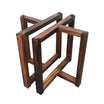
Chair width, leg placement, tabletop width, and the position of the table legs can all affect how comfortable the seating arrangement feels.
A table that technically seats eight may feel crowded if oversized chairs are used.
The goal should be comfortable seating, not simply the highest possible number.
Choosing Between Rectangular, Oval, Round, and Square Tables

The shape of your dining table should respond to the architecture of your room.
Rectangular Dining Tables
Rectangular tables are among the most versatile choices for American homes.
They work particularly well in longer rooms and can accommodate larger groups without requiring excessive width.
A rectangular table also creates a strong visual axis, which can work well in open-concept interiors.
Oval Dining Tables
Oval tables combine much of the seating efficiency of rectangular tables with softer visual lines.
The absence of sharp corners can make movement around the table feel easier, particularly in narrower dining spaces.
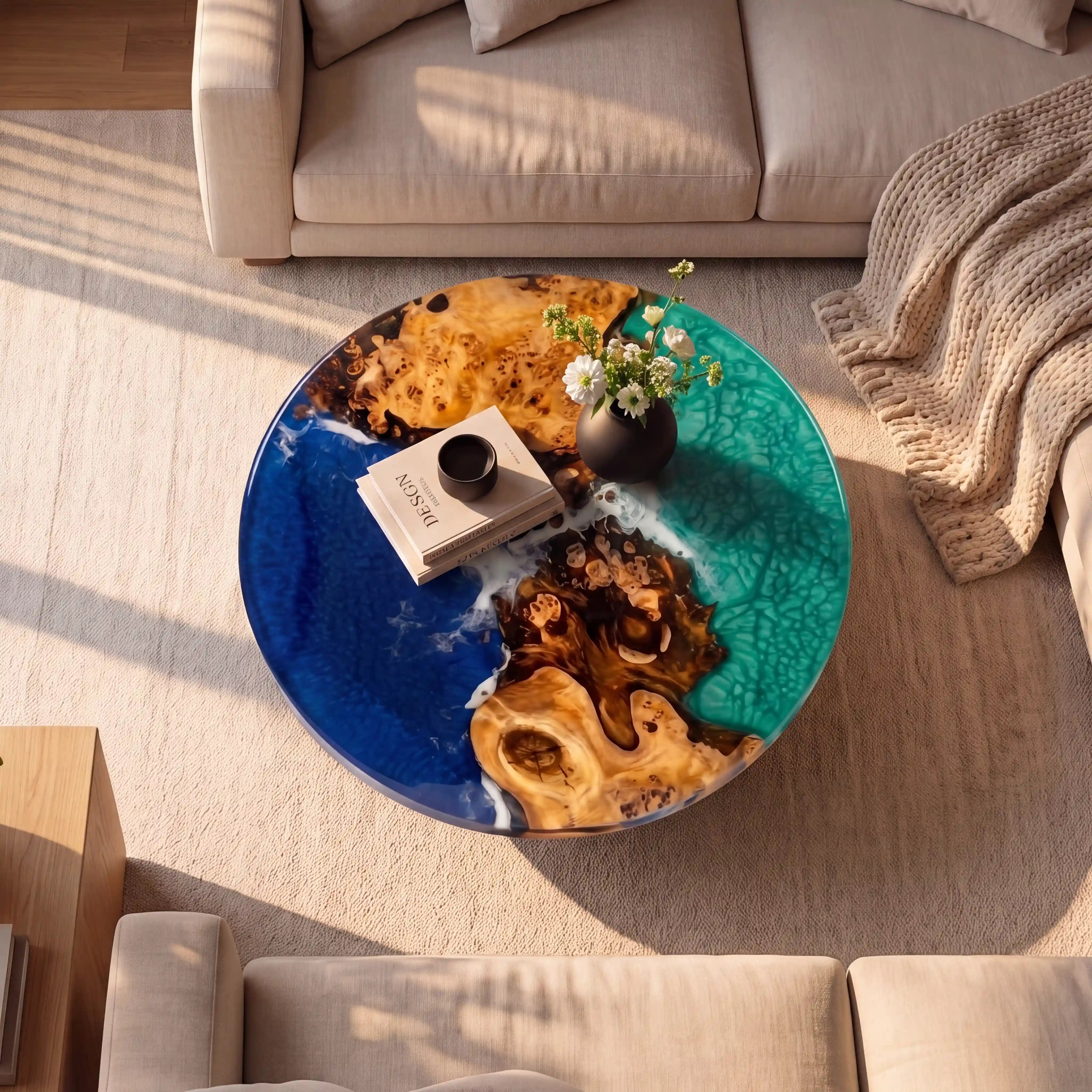
Round Dining Tables
Round tables encourage conversation because everyone sits relatively close to the center.
They are particularly effective in smaller dining areas, breakfast spaces, and square rooms.
Square Dining Tables
Square tables work best when the room itself has relatively balanced proportions.
They can create a more intimate arrangement but become less practical as the number of guests increases.
Live Edge and Organic Shapes
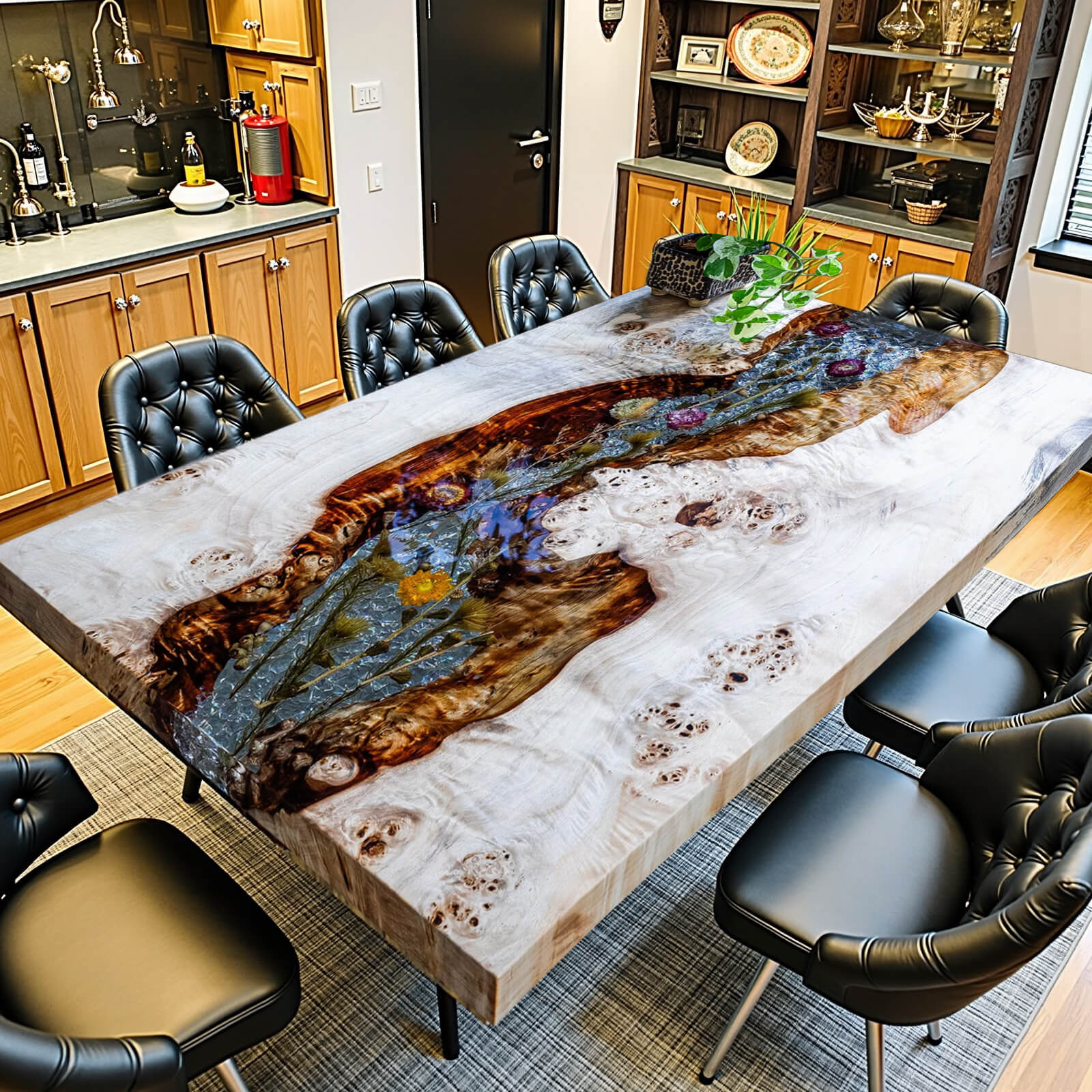
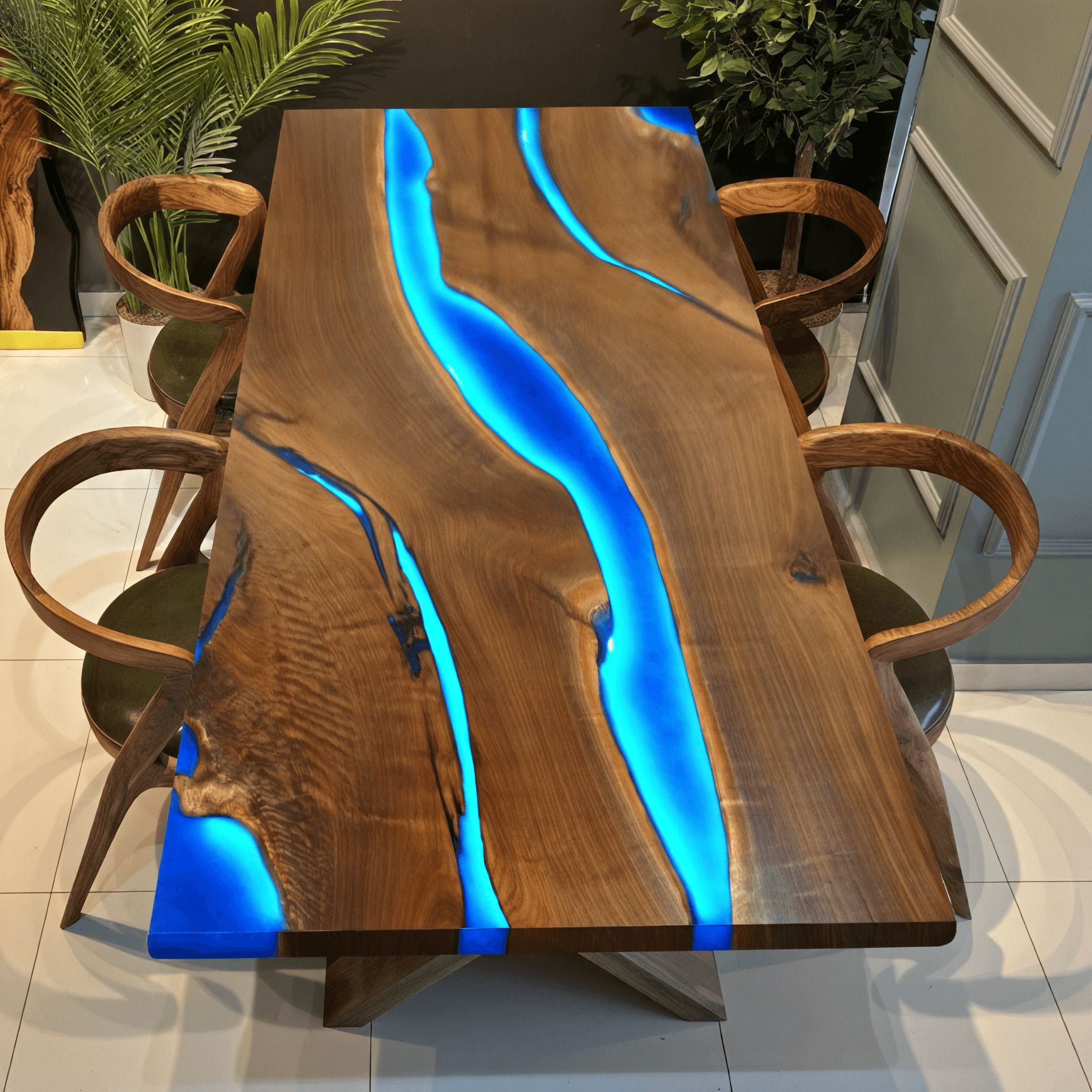
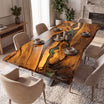
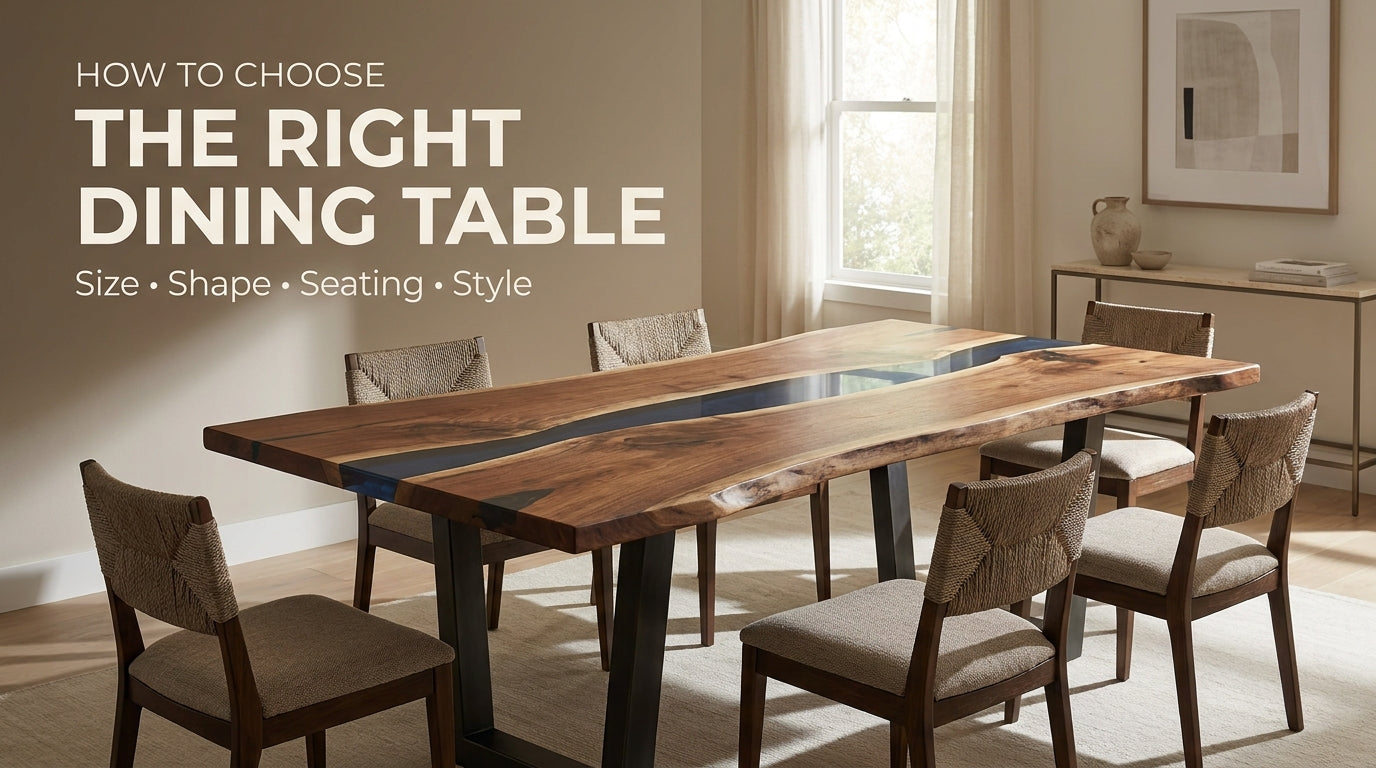
Homeowners looking for something more distinctive may consider live edge or organically shaped tables.
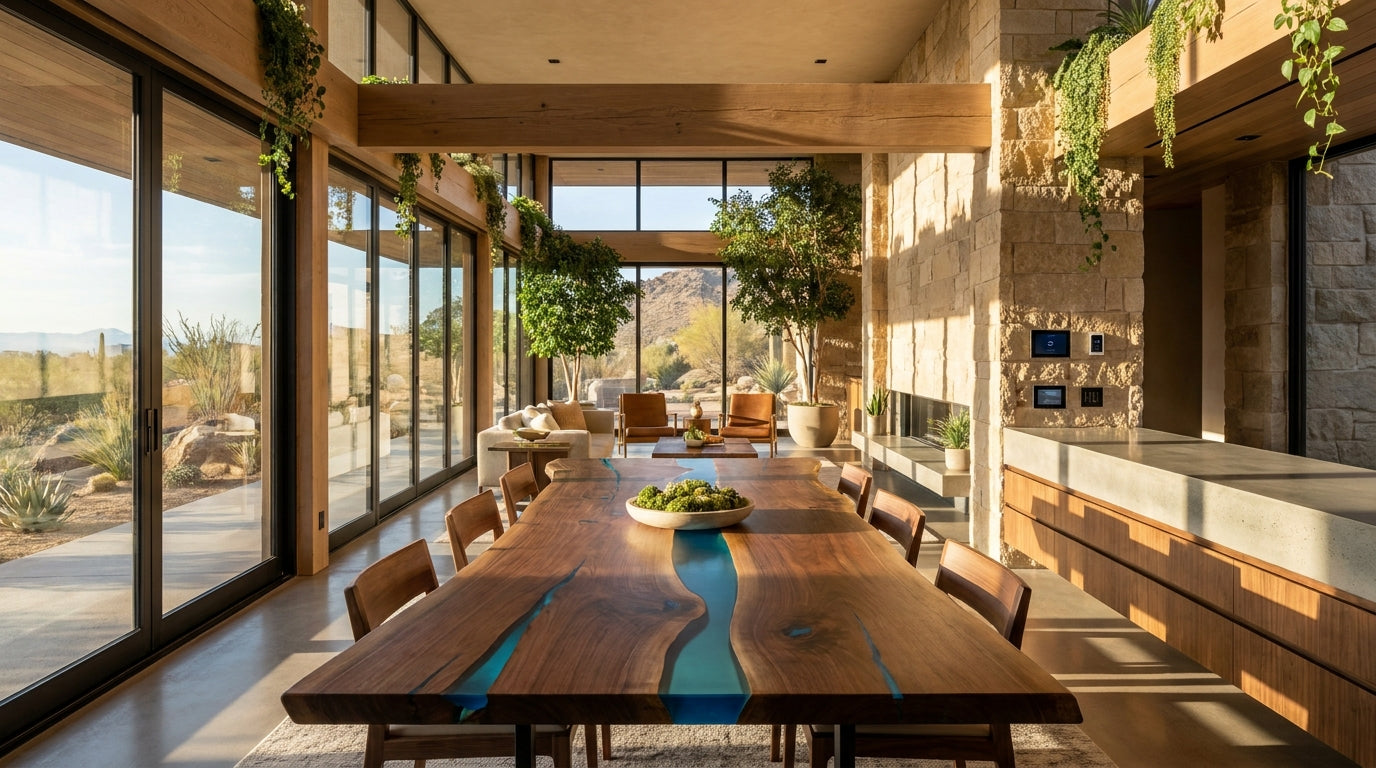
This approach fits naturally into the Organic Modern aesthetic, where natural materials, irregular forms, tactile textures, and restrained contemporary interiors work together.
A natural edge does not need to look rustic. When paired with refined legs and a sophisticated finish, a live edge tabletop can become a modern statement piece.
Think About Your Lifestyle, Not Just Your Dining Room

Your dining table should reflect how you actually use your home.
Do you eat dinner at the table every night?
Do your children use it for homework?
Do you work from home occasionally?
Do you host dinner parties?
Do you serve large family meals?
These questions can change the right choice.
A table that is perfect for formal dinners may not be ideal for a household that uses the dining room as a multifunctional workspace.
This connects with Multifunctional Living, a broader shift toward furniture that supports several activities rather than serving a single purpose.
For many households, the dining table is now simultaneously:
l a dining surface
l a homework station
l a workspace
l a conversation area
l a hosting space
l a place for celebrations
That makes proportion and durability increasingly important.
Planning for Thanksgiving and Christmas Gatherings

Your normal dining routine may look very different from your holiday routine.
During Thanksgiving dinner, for example, the table may need to accommodate additional guests, serving platters, centerpieces, drinks, and larger place settings.
The same applies to Christmas gatherings, when families may spend several hours around the table rather than simply sitting down for a quick meal.
If you regularly host holiday meals, do not calculate your ideal table size based only on the number of people who eat with you on an average weekday.
Ask instead:
How many people do I want to comfortably host when my home is full?
This does not automatically mean buying the biggest table possible.
A better solution might be a slightly larger table, an extendable design, or a custom dining table designed around your exact room dimensions.
Holiday Entertaining
The objective is to create enough space for people to eat comfortably without making the dining room feel oversized during everyday use.
Consider Table Proportion
Dimensions are important, but proportion is equally important.
A dining table can technically fit inside a room and still look wrong.
A very thick tabletop may dominate a small room. Extremely thin legs may look visually weak beneath a large slab. A narrow tabletop may feel awkward with wide dining chairs.
Pay attention to:
l tabletop thickness
l tabletop width
l table length
l leg scale
l leg placement
l chair proportions
l room height
l surrounding furniture
This is particularly important when choosing statement furniture.
Statement Furniture
A statement table should attract attention without making everything else in the room disappear.
Choosing the Right Material

Material has a major influence on the atmosphere of a dining room.
Natural wood creates warmth and visual variation. Stone can feel architectural and substantial. Glass can make a room feel visually lighter.
Wood remains especially appealing for homeowners who want a tactile, authentic material with natural variation.
Natural Materials
The popularity of natural materials also reflects a larger movement toward interiors that feel less mass-produced and more personal.
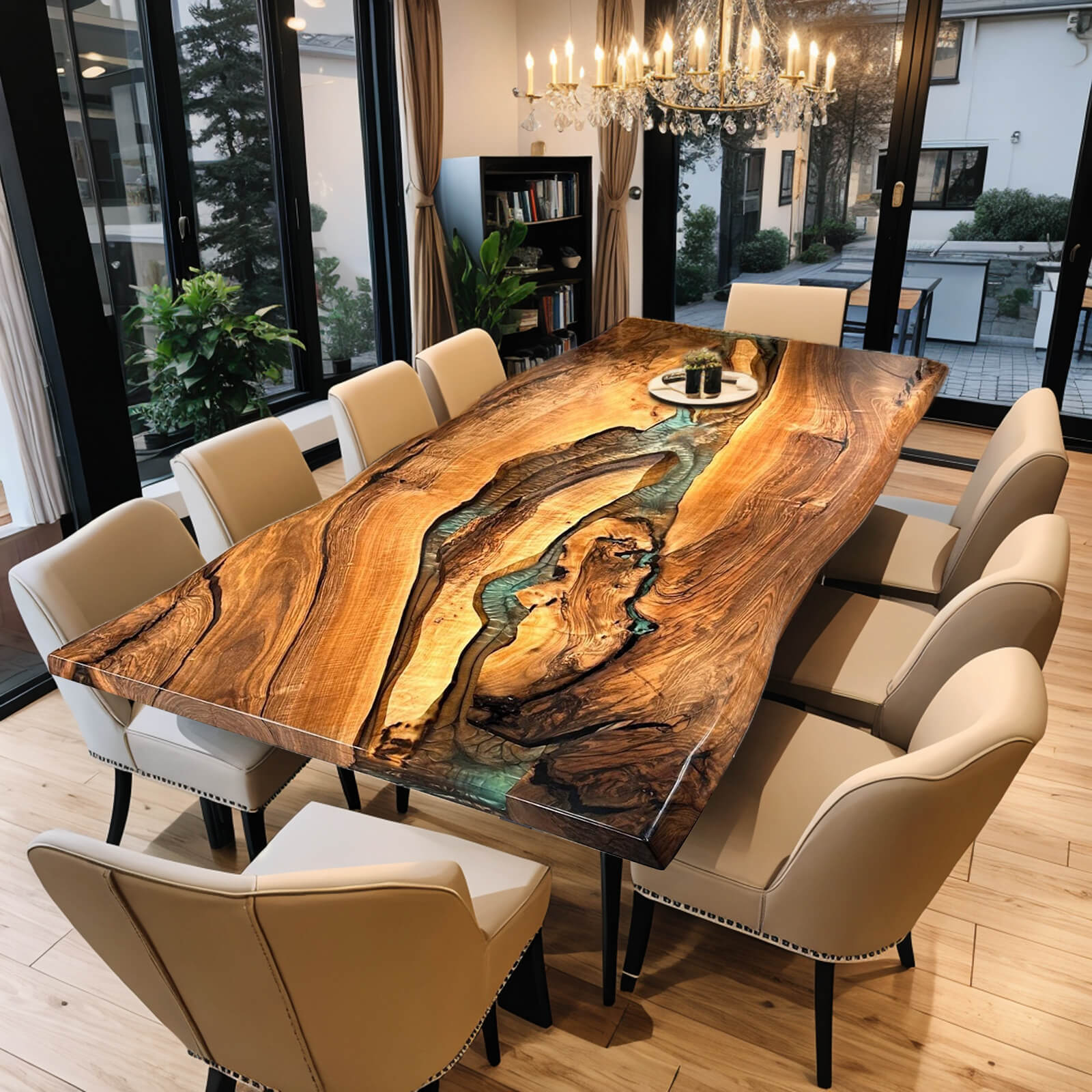
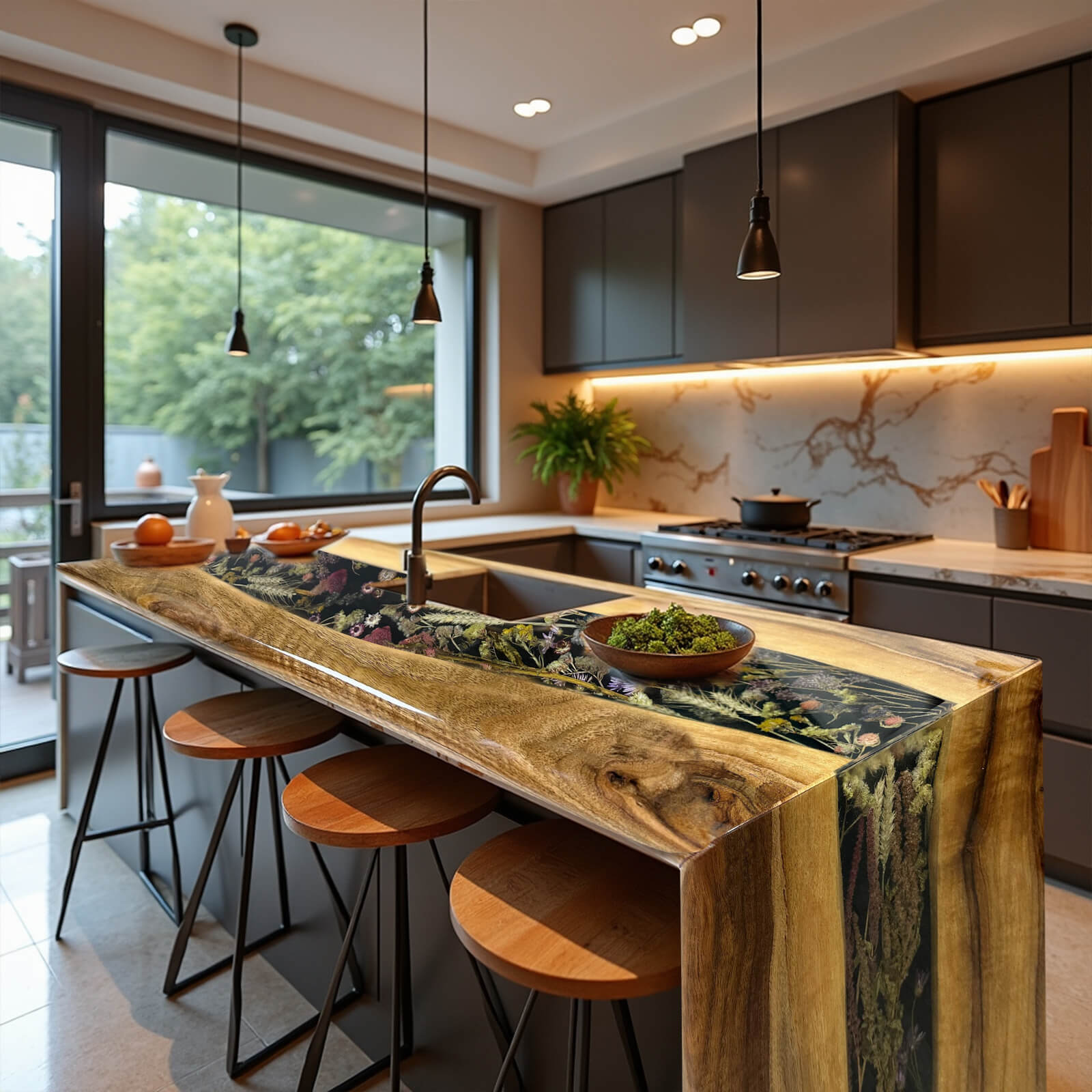
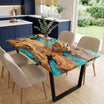
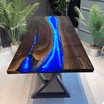
For homeowners looking for an even more distinctive surface, wood can also be combined with epoxy resin.
A custom wood and epoxy dining table can preserve natural grain and organic wood characteristics while introducing color, contrast, or visual depth.
The important point is to select a material that works with the entire room rather than choosing it in isolation.
Standard or Custom Dining Table?
Standard furniture is often the easiest solution when your room follows common dimensions.
Custom furniture becomes particularly valuable when:
l your room is unusually narrow
l you need a specific seating capacity
l you want a particular tabletop shape
l you need an unusual table length
l you want a specific wood species
l you want a distinctive edge profile
l the table needs to coordinate with existing architecture
A custom dining table can be designed around the room rather than forcing the room to accommodate a standard product.
That can be especially useful in open-concept homes where the table needs to work visually with the kitchen and living room.
How to Choose a Dining Table Style
Style should come after proportion and function.
Once you know the right dimensions and shape, consider the visual character of your home.
Popular directions include:
l organic modern
l Contemporary
l Minimalist
l Transitional
l rustic modern
l Scandinavian-inspired
l Traditional
l industrial
Do not feel obligated to match every piece of furniture.
A dining table can intentionally contrast with surrounding pieces while still creating visual harmony through shared materials, colors, or proportions.
This approach supports the growing interest in Collected Interiors, where rooms feel assembled over time rather than purchased as a matching furniture set.
Final Thoughts
The right dining table should work on an ordinary weekday and during the biggest gathering of the year.
Start with your room dimensions. Determine how many people you need to seat. Consider how you entertain, including Thanksgiving dinners, Christmas gatherings, and weekend meals with friends.
Then choose the shape, material, proportion, and style that support those needs.
If a standard table fits your space and lifestyle, there is no reason to overcomplicate the decision.
But if your room, seating requirements, or design vision are unusual, a custom dining table may provide a better solution.
The best dining table is ultimately the one that feels as though it belongs in your home—not simply the one that looked good in a product photograph.
Frequently Asked Questions
What size dining table do I need for Thanksgiving?
Consider both guest count and serving space. A table should provide enough room for each person while leaving space for dishes, drinks, and comfortable movement.
What size dining table is best for Christmas dinner?
The ideal size depends on the number of guests and available room. If Christmas gatherings are significantly larger than your everyday meals, consider a larger or extendable table.
How much space should I leave around a dining table?
Approximately 36 inches of clearance is a useful starting point, with additional space recommended for major walkways.
Is a round or rectangular dining table better?
It depends on your room. Rectangular tables often work well in long rooms, while round tables can be excellent for smaller or square spaces.
Is a custom dining table worth it?
Custom furniture can be worthwhile when standard dimensions do not fit your room or when specific materials, seating capacity, or design details are important.