







For several years, interiors were dominated by pale woods, cool neutrals, minimalist silhouettes, and increasingly simplified rooms.
Fall 2026 is moving in another direction.
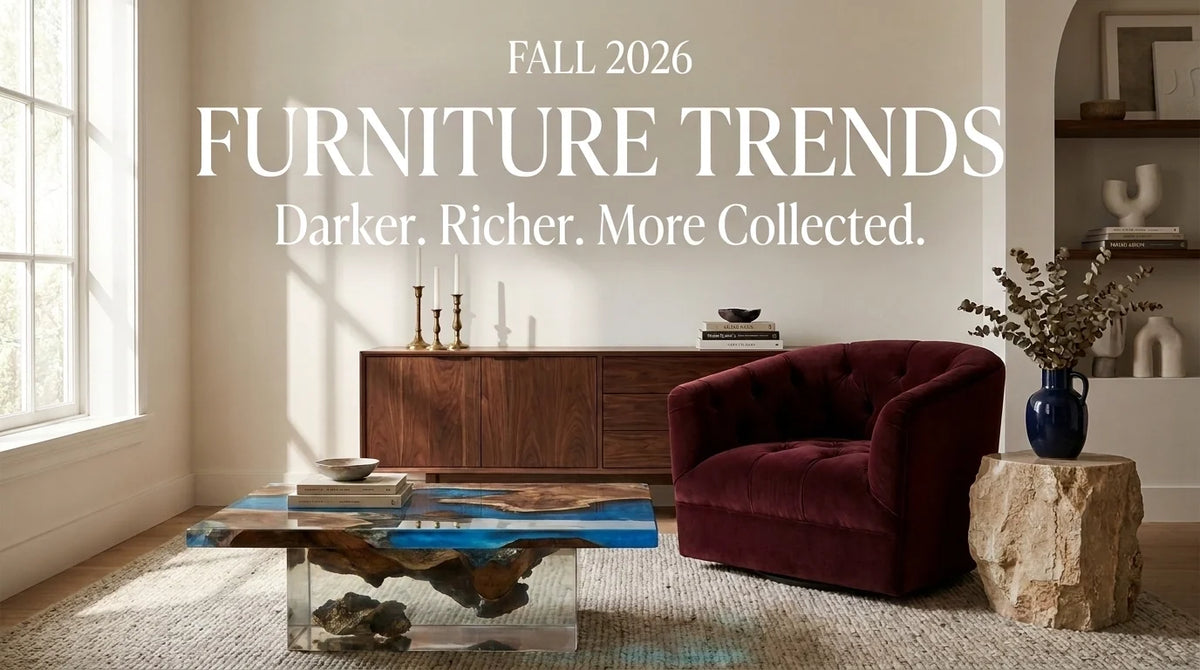
Recent design coverage points toward interiors that feel warmer, richer, more layered, and more collected. Deep brown, burgundy, navy, vintage pieces, natural stone, tactile textiles, and more expressive furniture are gaining attention as designers move away from rooms that feel overly uniform.
The important part is that this is not simply a color trend.
It represents a broader shift in how people think about their homes.
Instead of asking, “What is the most popular look?”
More homeowners are asking:
“What will make this room feel interesting for the next five or ten years?”
That distinction matters.
1. Darker Furniture Is Replacing Some of the Pale-Wood Fatigue

One of the clearest Fall 2026 directions is the return of visual depth.
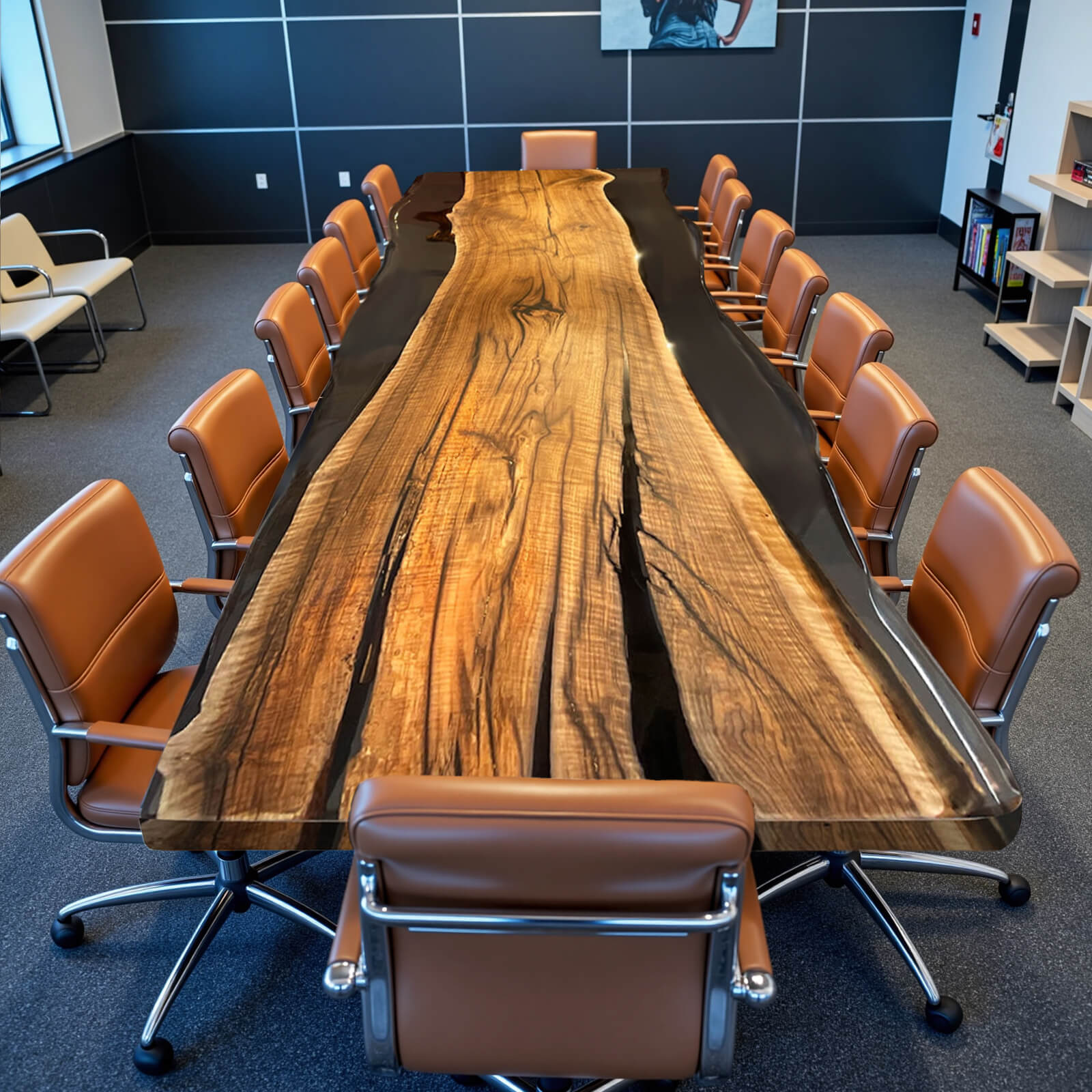
Dark brown, espresso, walnut, burgundy, and navy are becoming increasingly important in residential interiors.
This does not mean every room needs to become dark.
In fact, darker furniture often works best when surrounded by lighter elements.
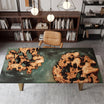
Imagine a deep-toned wood table against:
· warm white walls
· cream upholstery
· natural linen
· pale stone
· soft wool
· aged metal
The contrast allows the darker furniture to become an anchor rather than making the entire room feel heavy.
This is particularly useful for organic modern interiors, where natural materials can provide richness without excessive decoration.
2. Burgundy Is Moving Beyond the Accent Pillow
Burgundy is particularly interesting because it can function as either an accent or a structural color.
A burgundy chair can add warmth to an otherwise neutral room.
A burgundy textile can create depth.
But the color becomes much more sophisticated when combined with natural materials.
Think:
burgundy + walnut
burgundy + cream
burgundy + aged brass
burgundy + natural stone
burgundy + dark green
This approach creates a room that feels autumnal without becoming themed.
That distinction is important.
Good Fall 2026 interiors do not need pumpkins, orange decorations, or obvious seasonal accessories.
Instead, the season can be expressed through richer materials and colors.
3. Natural Stone Is Moving Into Furniture
Another important development is the growing use of natural stone beyond traditional countertops and backsplashes.
Recent fall design coverage highlights natural stone appearing more directly in furniture and decorative applications.
The appeal is easy to understand.
Stone provides:
· visual permanence
· natural variation
· tactile texture
· architectural weight
· individuality
And stone works particularly well with wood.
Wood softens stone.
Stone grounds wood.
The contrast creates a layered material palette.
This also creates opportunities for furniture designers to combine natural materials instead of relying on a single dominant finish.
4. Vintage Furniture Is Becoming More Valuable to the Overall Composition

Fall 2026 is also seeing greater interest in vintage and antique pieces.
The goal is not to make the room look old.
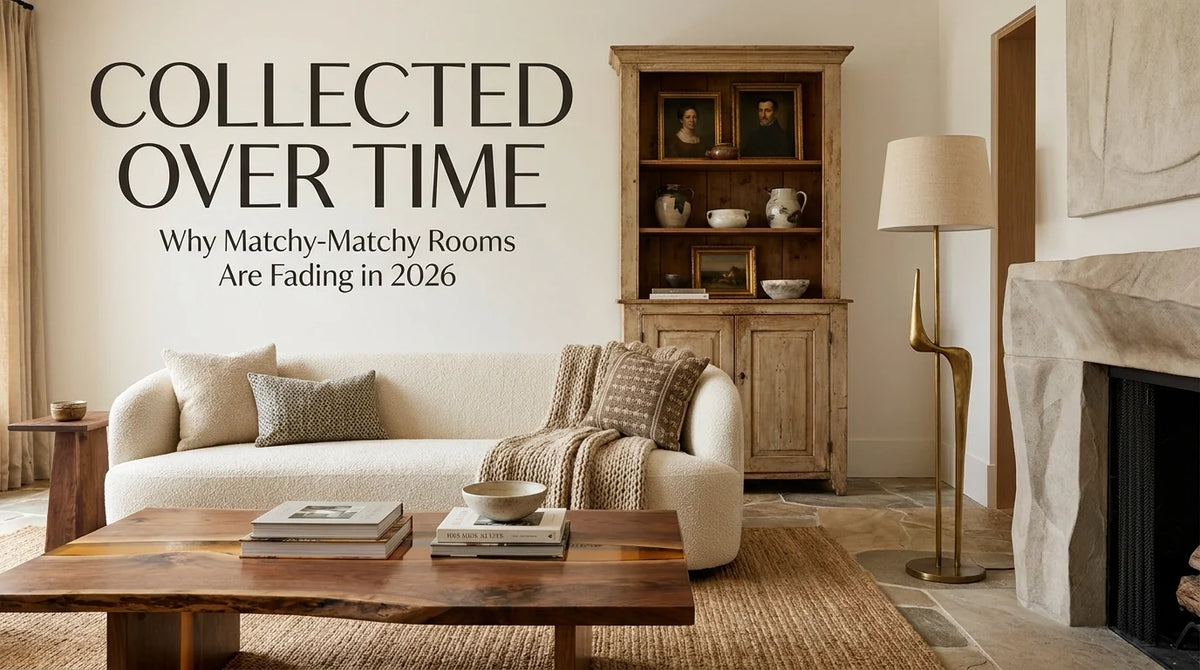
The goal is to make the room look collected.
A contemporary sofa might sit next to a vintage cabinet.
A modern coffee table could be paired with an antique lamp.
A contemporary dining room could contain one inherited chair or a vintage artwork.
The result feels less predictable.
Recent Houzz-related reporting describes the rise of a “collected-over-time” approach, with designers favoring combinations of old and new materials and pieces with history.
This is an important distinction from simply following a vintage trend.
Vintage furniture is not valuable because it is old.
It is valuable because it introduces something that is difficult to reproduce: history.
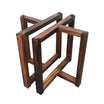
5. Sculptural Furniture Is Becoming More Important
Another direction worth watching is the rise of sculptural furniture.
Furniture is increasingly being treated as a three-dimensional object rather than simply a functional surface.
This can appear through:
· curved silhouettes
· unusual bases
· oversized proportions
· architectural legs
· organic shapes
· unusual material combinations
The best examples are not sculptures that happen to be usable.
They are functional furniture with enough visual personality to become part of the room's identity.
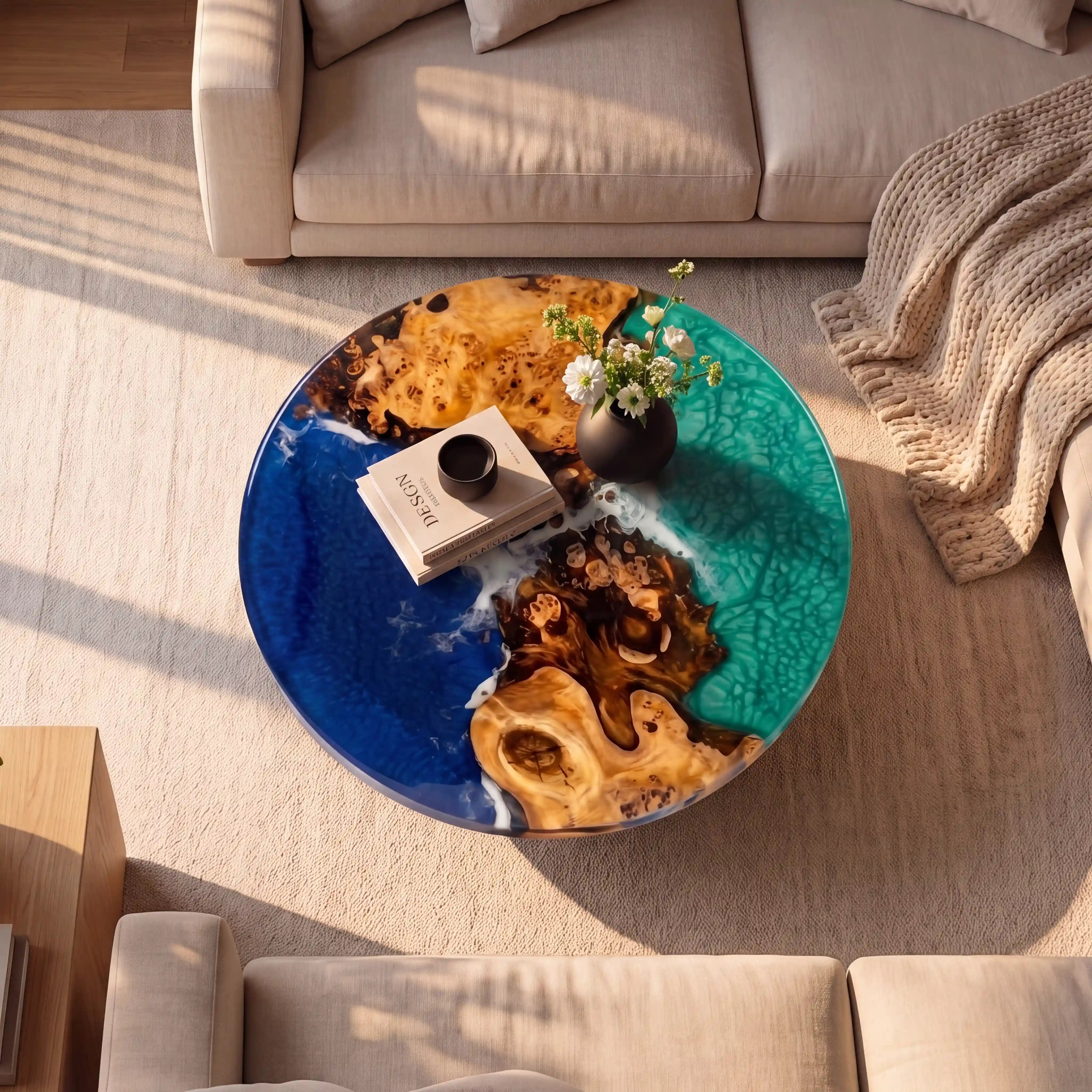
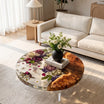
That distinction is particularly relevant to statement coffee tables and custom furniture.
A table can provide practical surface area while also becoming the focal point of the living room.
6. Layered Patterns Are Coming Back
For years, many contemporary interiors avoided too much visual pattern.
Fall 2026 is more comfortable with layering.
That may mean:
· patterned rugs
· botanical textiles
· textured upholstery
· wallpaper
· vintage artwork
· patterned pillows
But layering does not mean chaos.
The trick is to establish hierarchy.
One pattern can be dominant.
Another can support it.
The remaining elements should create visual breathing room.
This approach is particularly effective when the furniture itself is relatively restrained.
7. Comfort Is Becoming a Design Feature
Another important shift is the growing emphasis on furniture that looks comfortable rather than merely beautiful.
Recent Fall 2026 coverage specifically highlights the combination of style and function, including more comfortable seating and furniture designed around practical everyday use.
This matters because luxury is changing.
Luxury does not necessarily mean a room that looks untouchable.
It can mean:
· a sofa you actually want to sit on
· a table that is the right height
· materials that feel good to touch
· furniture that works with real routines
· spaces that encourage conversation
In other words:
comfort is becoming part of the visual language of luxury.
8. Natural Materials Are Doing More of the Decorative Work

One of the easiest ways to follow Fall 2026 without making your home look temporarily trendy is to focus on material rather than decoration.
Natural wood.
Stone.
Linen.
Wool.
Leather.
Metal.
Ceramics.
These materials create visual interest through texture.
This is especially useful for homeowners who prefer understated interiors.
Instead of adding ten decorative objects, one distinctive material can become the focal point.
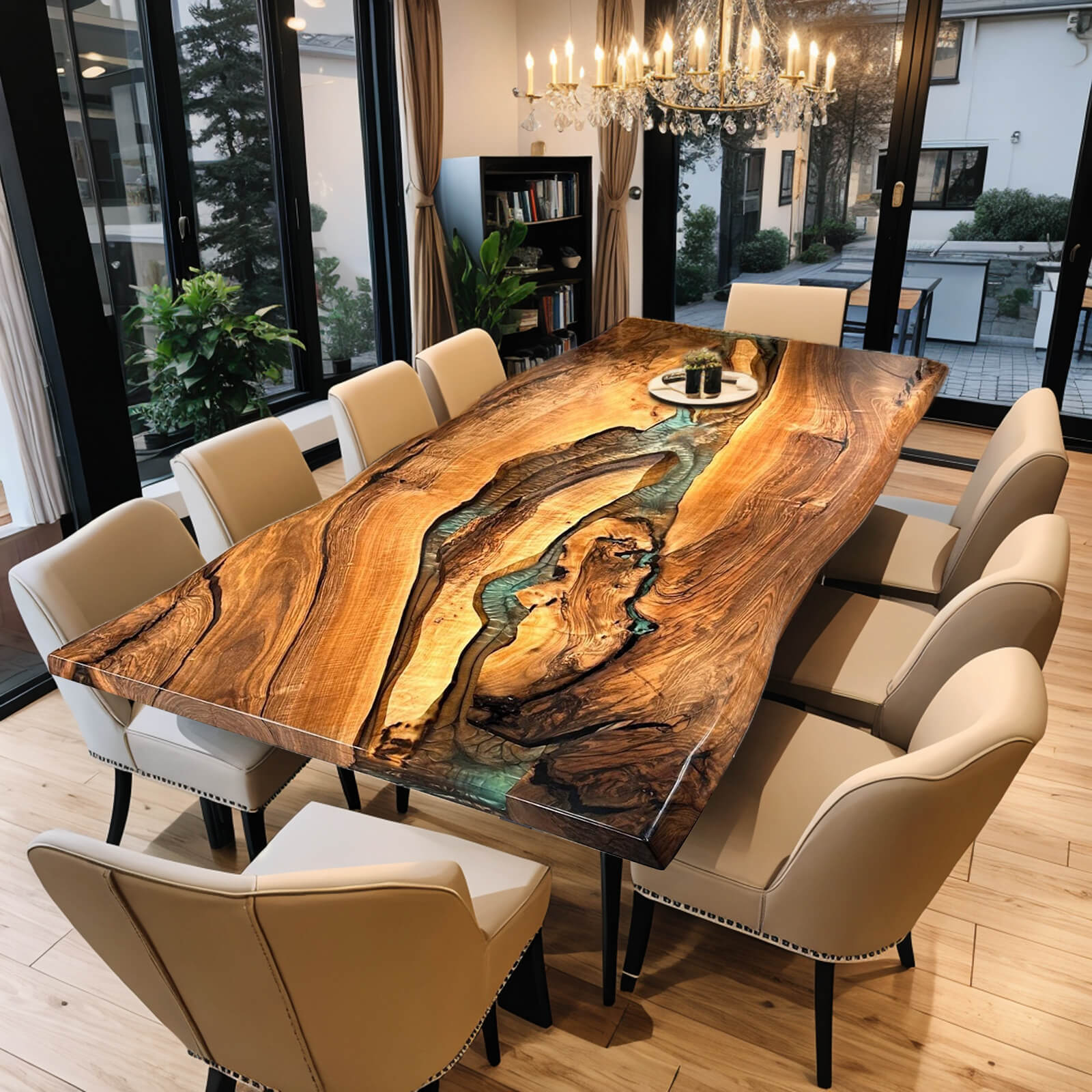
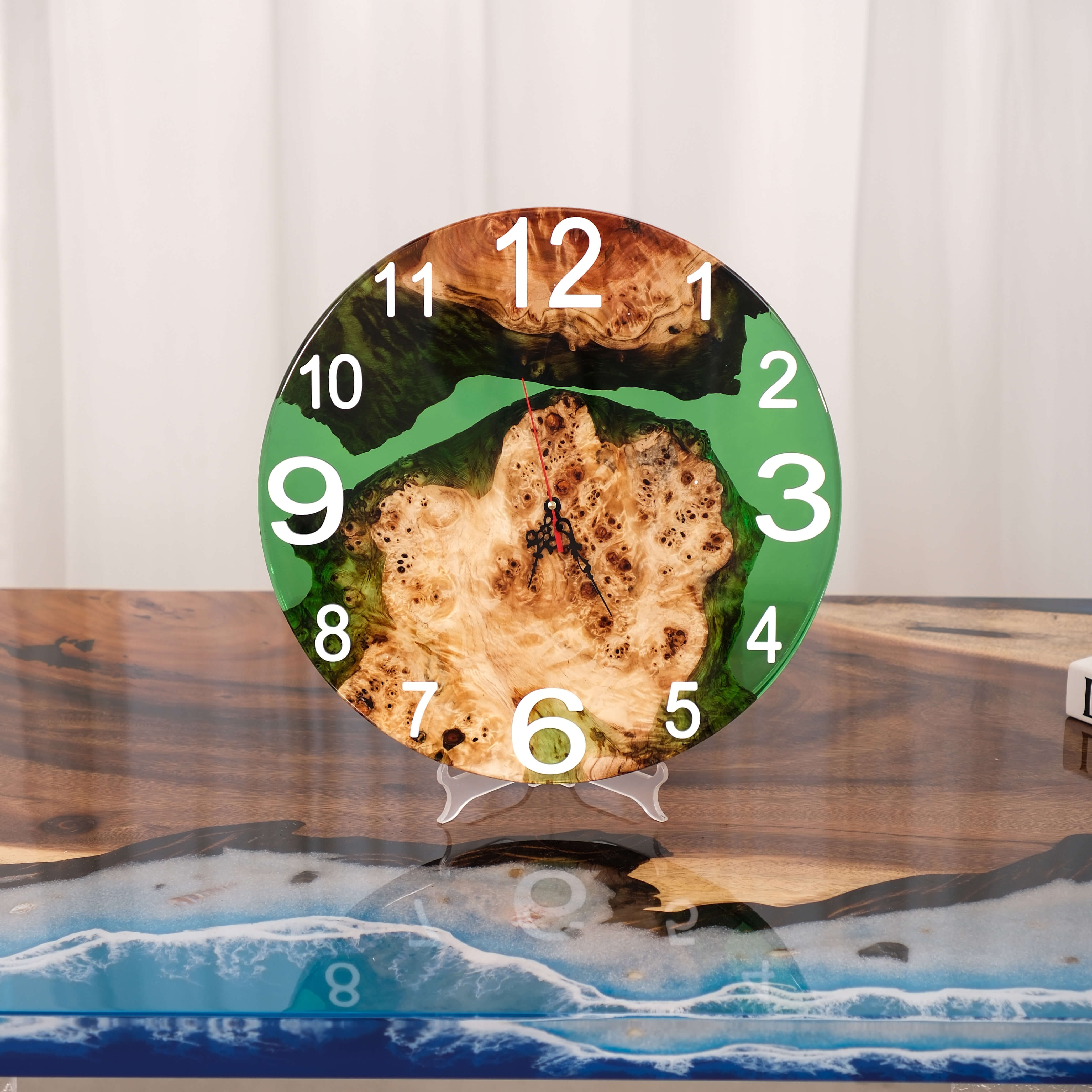
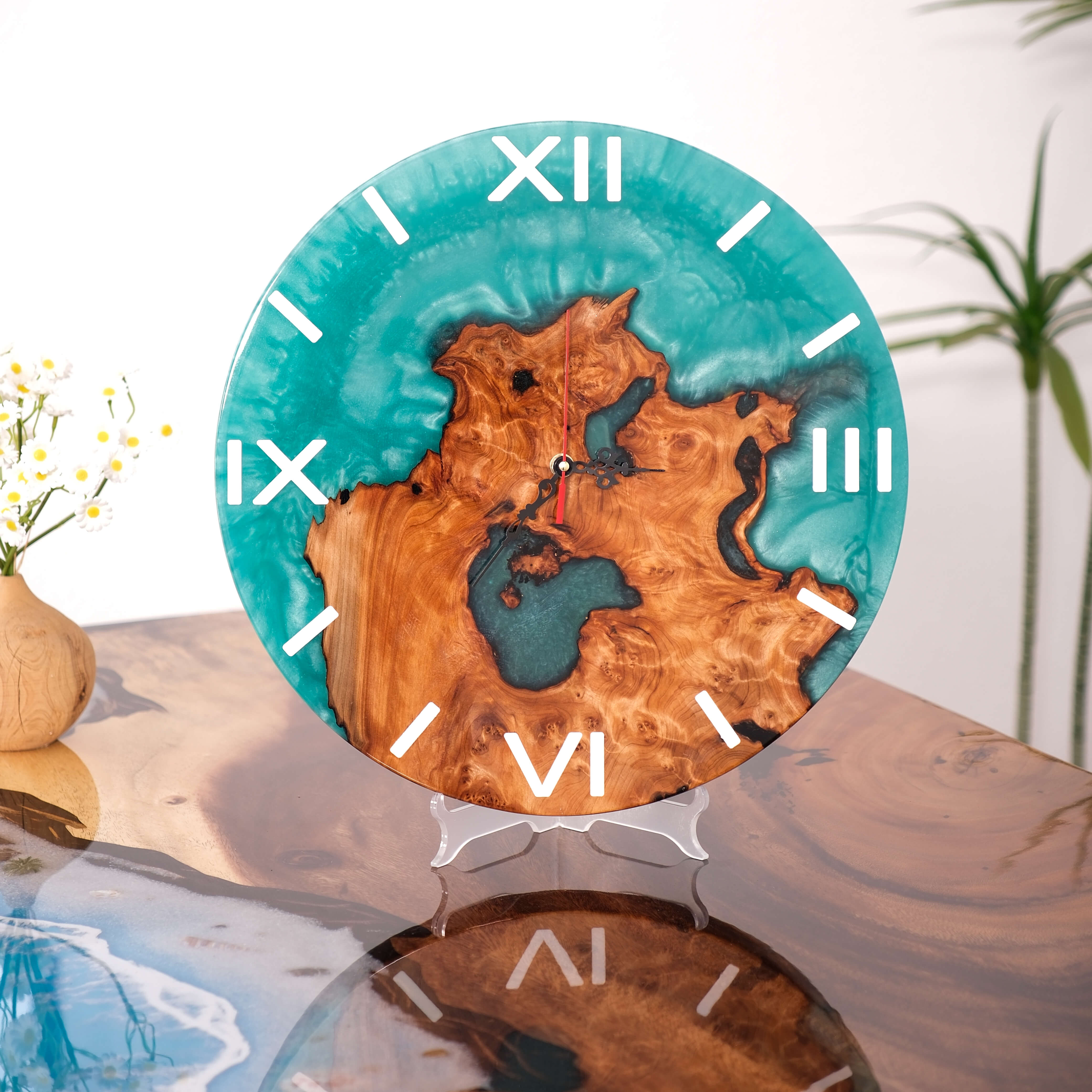
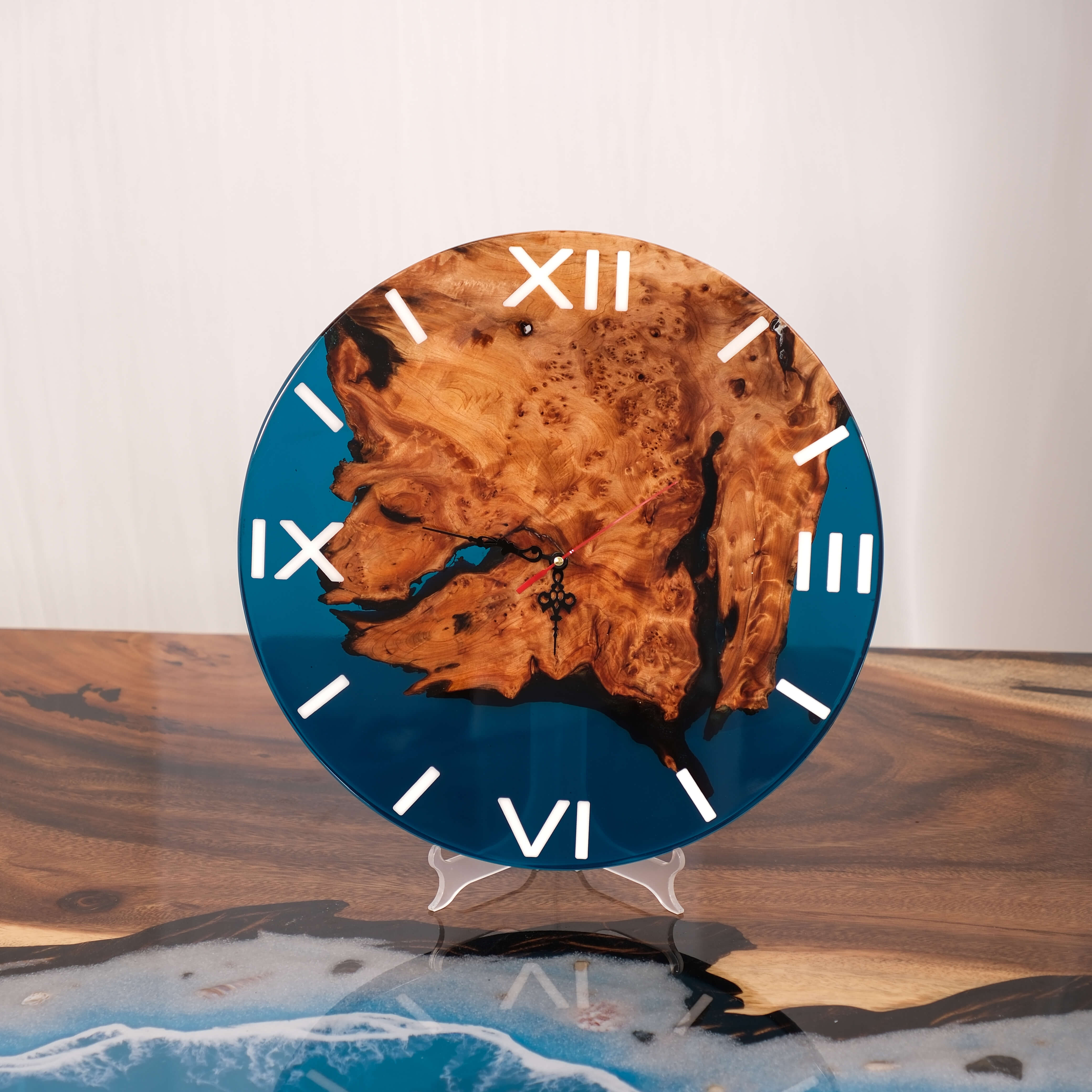
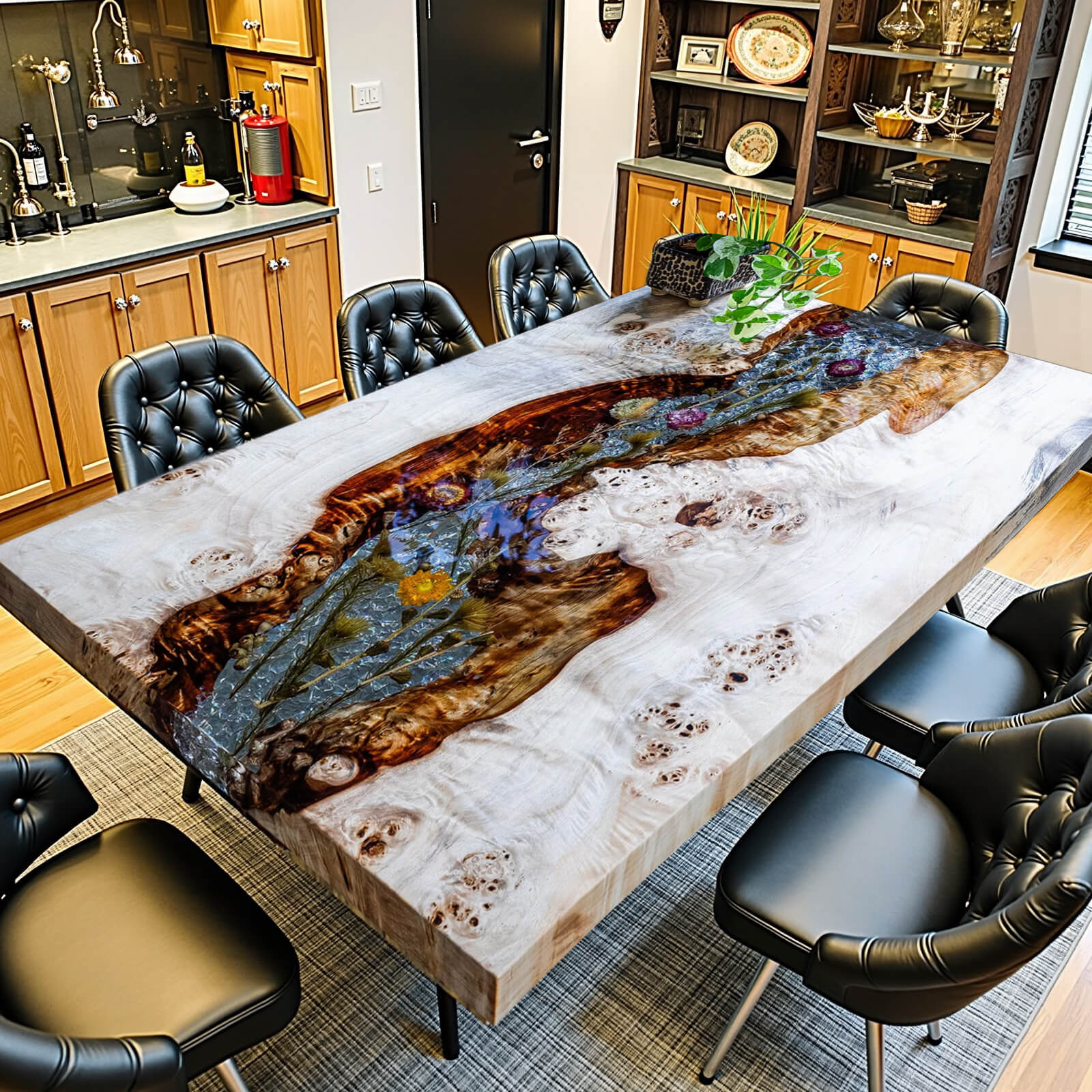
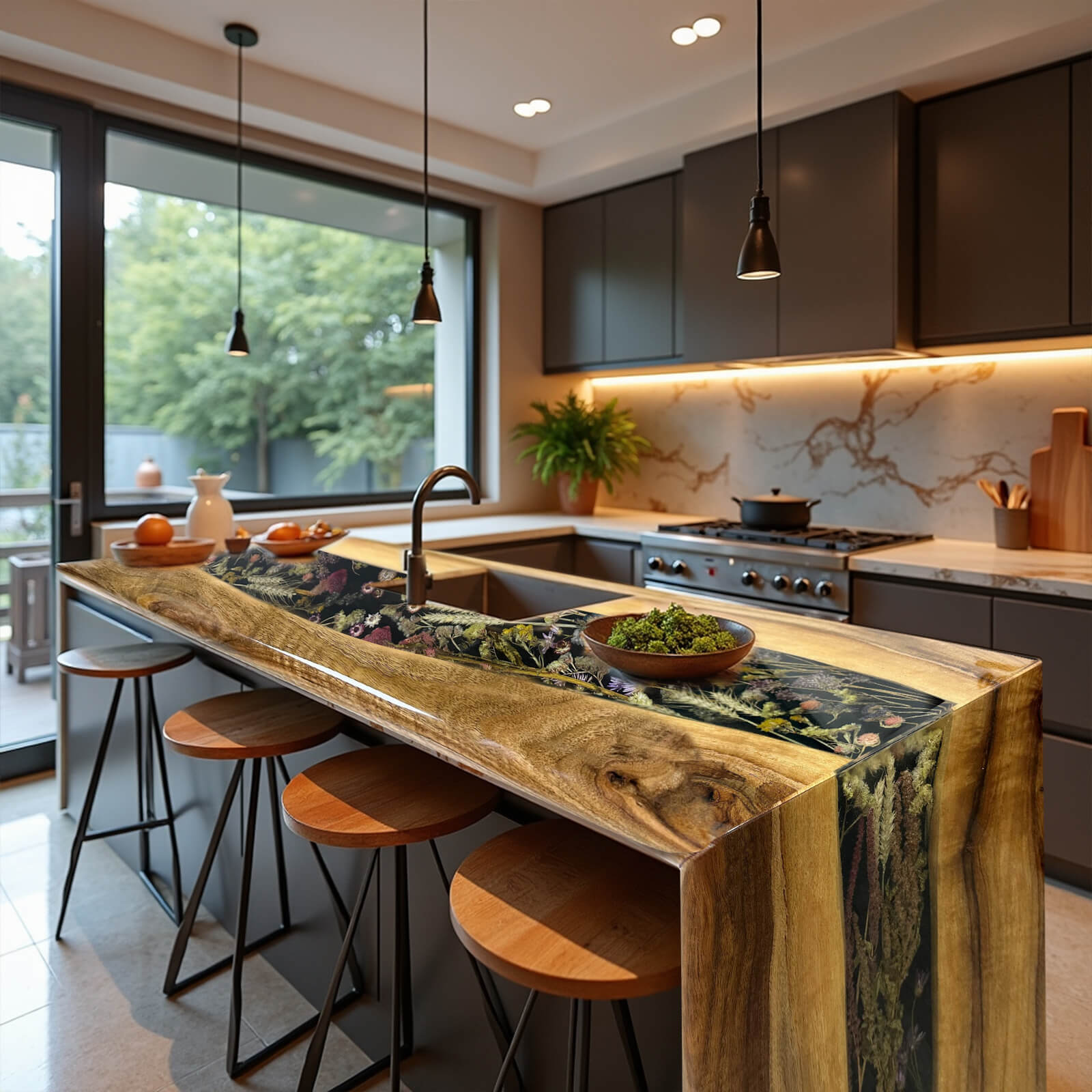
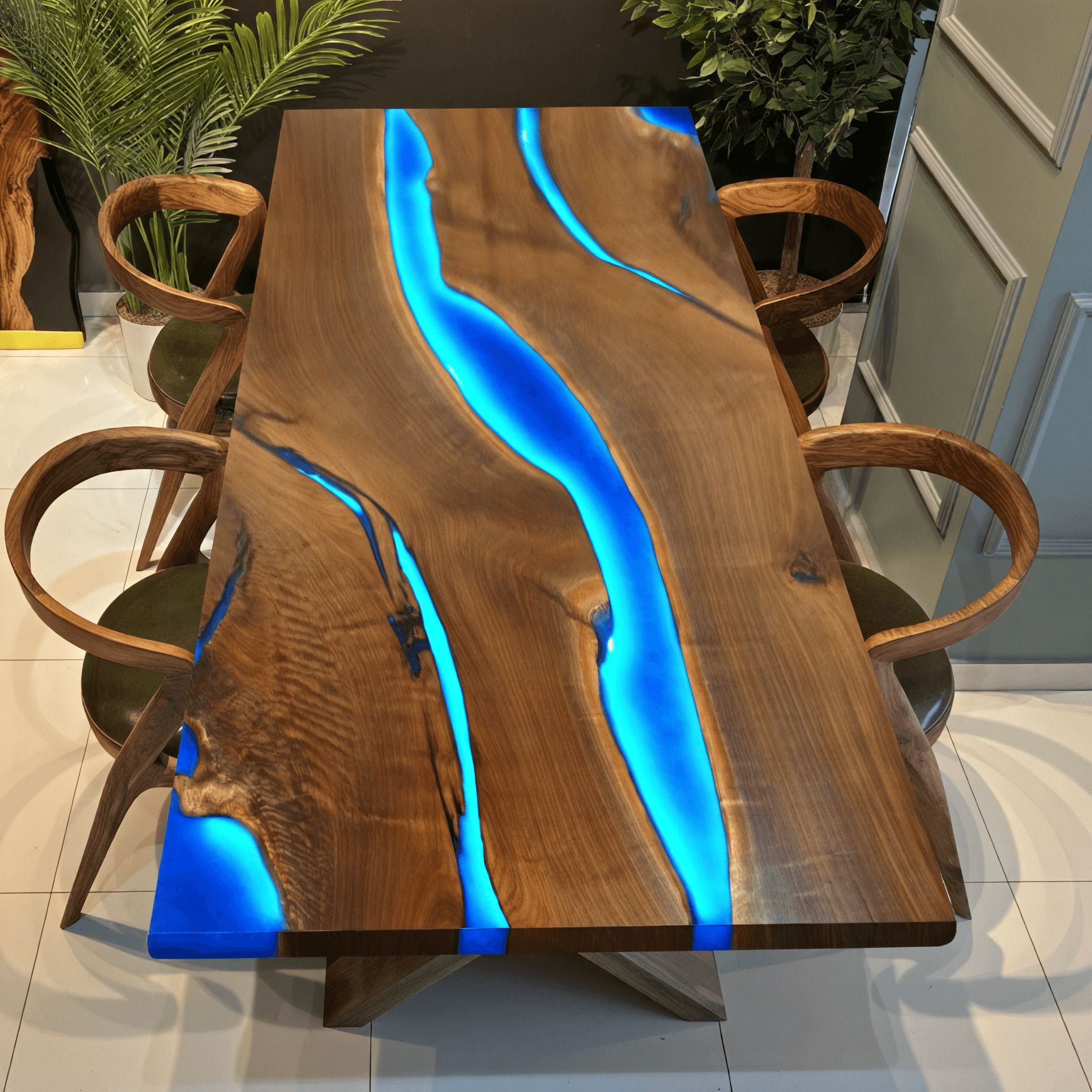
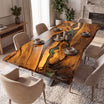
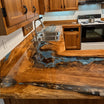
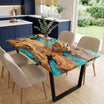
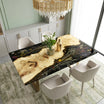
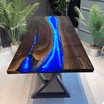
A custom wood-and-resin table is an example.
The table can create contrast and visual complexity while the rest of the room remains relatively calm.
For homeowners interested in exploring different material combinations, Design Your Own Epoxy Table is a natural next step.
9. The Best Fall Trend May Be Less Trend-Driven Furniture
There is an interesting contradiction in 2026.
Design trends are becoming more expressive.
But homeowners are also becoming more cautious about buying pieces that will look dated quickly.
That means the strongest furniture choices may combine a current color or silhouette with a fundamentally timeless material.
For example:
A sculptural table made from natural wood can feel current without being dependent on one season.
A deep brown chair can follow the Fall 2026 palette without becoming “a fall chair.”
A vintage cabinet can work long after the current trend cycle ends.
This is where investment furniture becomes relevant.
The objective is not to avoid trends entirely.
It is to choose pieces that can survive them.
10. What Should You Actually Change This Fall?
You do not need to redesign your entire home.
Instead, consider three levels.
Level One: Color
Introduce one richer color.
Burgundy.
Navy.
Deep brown.
Muted green.
Level Two: Material
Add something tactile.
Wood.
Stone.
Wool.
Linen.
Leather.
Level Three: Furniture
Introduce one distinctive piece.
A sculptural chair.
A vintage cabinet.
A statement coffee table.
A custom dining table.
This creates a more sophisticated result than buying an entire matching collection.
For homeowners looking for existing designs, CREATEATABLE Best Sellers provides a useful starting point for seeing how natural wood and resin furniture can function as statement pieces.
Fall 2026 Is Less About “New” and More About “Worth Keeping”

The most interesting furniture direction for Fall 2026 may not be a specific color.
It is the growing preference for interiors that feel layered, tactile, comfortable, and personal.
Dark colors are part of that movement.
Vintage furniture is part of it.
Natural stone is part of it.
Sculptural furniture is part of it.
But the larger idea is simple:
Homes are becoming less dependent on perfect coordination and more interested in meaningful combinations.
That makes this a particularly good moment for furniture with material character.
A piece does not have to follow every trend.
It simply needs enough personality to remain interesting after the trend disappears.