







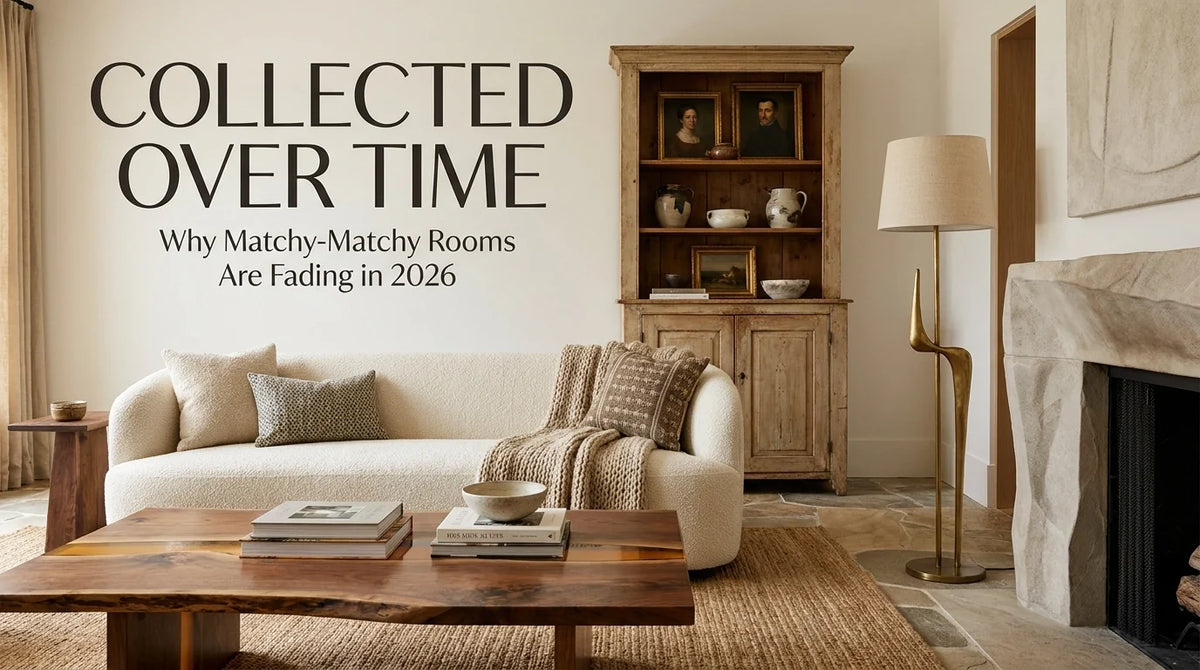
For years, buying furniture often meant buying a set.
Sofa.
Matching loveseat.
Matching coffee table.
Matching side tables.
Matching cabinet.
The result was easy.
Everything coordinated.
But it also created a problem.
The room could look finished before it ever looked lived in.
In Fall 2026, the design conversation is moving in another direction.
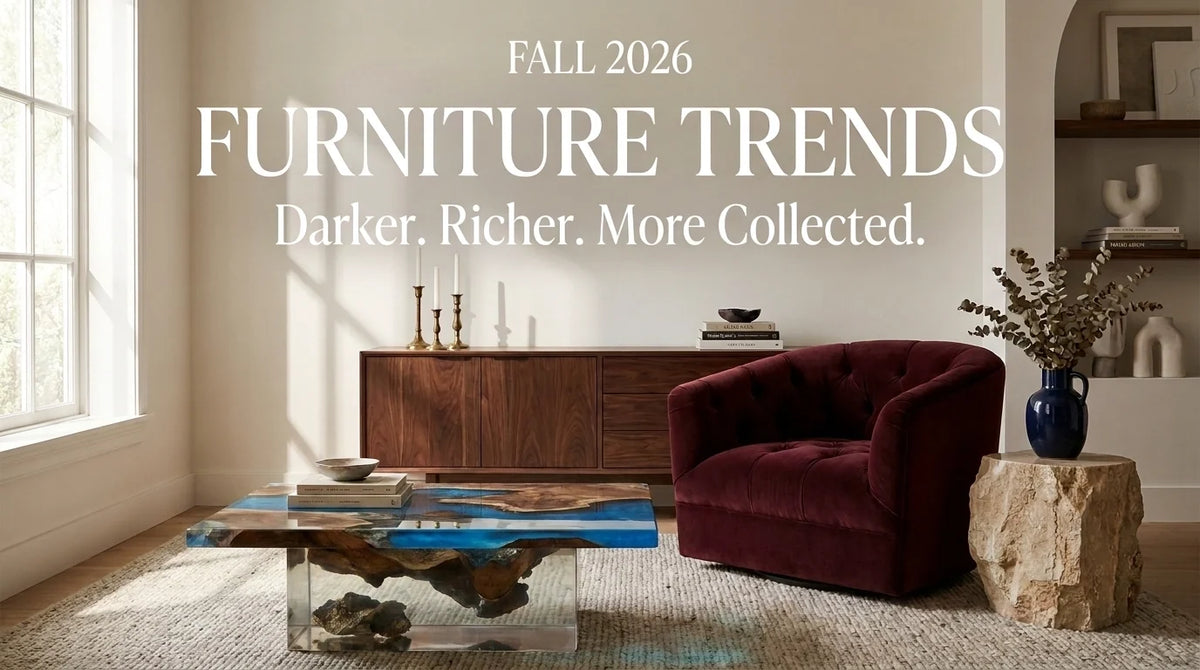
Recent reporting on Houzz's Fall 2026 trends describes growing interest in interiors that combine vintage and new pieces, materials with history, natural textures, and objects that feel accumulated rather than purchased all at once.
This is often described as the “collected-over-time” look.
And it does not mean filling your house with antiques.
It means creating a room that looks like it evolved.
What Does “Collected Over Time” Actually Mean?

A collected interior contains pieces that do not necessarily come from the same collection, brand, decade, or design language.
But they share something.
They relate to one another.
A modern sofa can work with an antique cabinet.
A contemporary coffee table can sit beside a vintage chair.
A traditional rug can ground sculptural furniture.
A family heirloom can sit beneath modern lighting.
The goal is not matching.
The goal is relationship.
This creates visual tension.
And visual tension is often what makes a room interesting.
Why Matchy-Matchy Furniture Can Feel Dated
Matching furniture is not inherently bad.
The problem is excessive matching.
When every major piece uses the same material, silhouette, finish, and design language, the eye has very little to discover.
Everything communicates the same message.
That can make the room feel like a showroom.
Collected interiors create contrast.
The sofa may be soft.
The table may be architectural.
The cabinet may be vintage.
The artwork may be colorful.
The rug may introduce pattern.
The room becomes a conversation between different objects.
That is very different from simply putting unrelated furniture into the same space.
Rule #1: Choose One Anchor
The easiest way to create a collected room is to start with one anchor.
That could be:
· a large sofa
· a dining table
· a coffee table
· a fireplace
· a major artwork
· a vintage cabinet
Everything else should support that anchor.
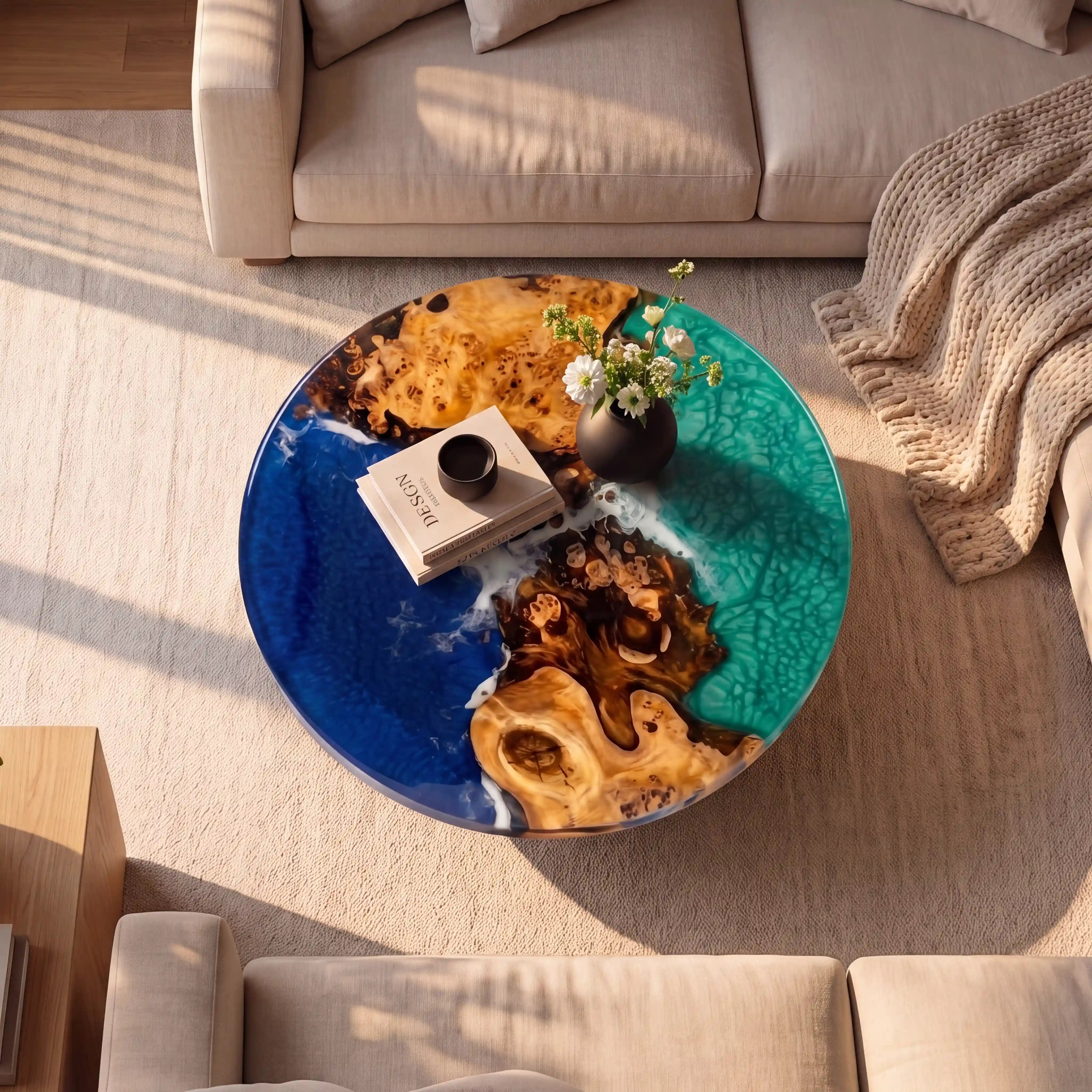
For example, if you have an unusual statement coffee table, you do not need five other unusual objects.
Let the table carry the visual weight.
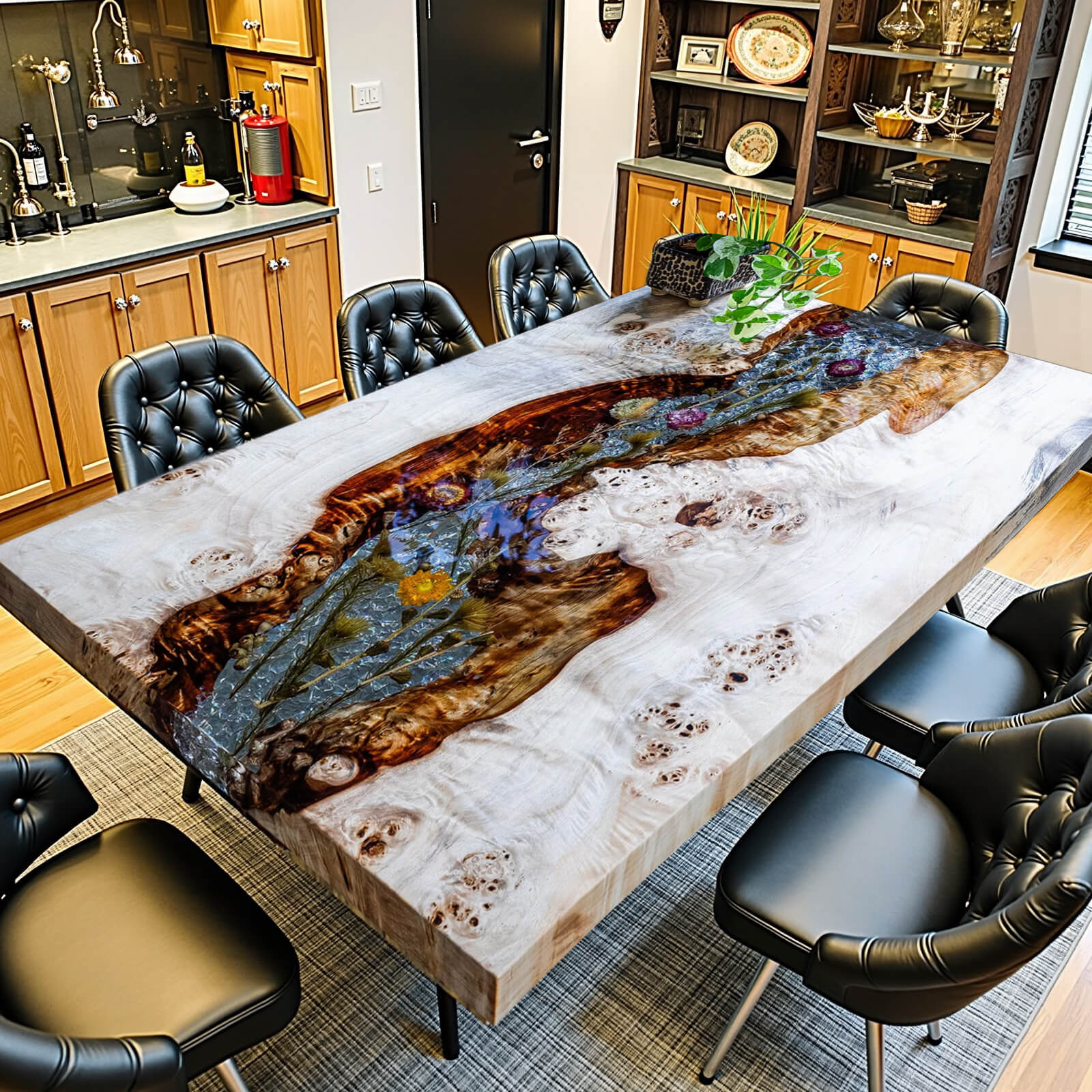
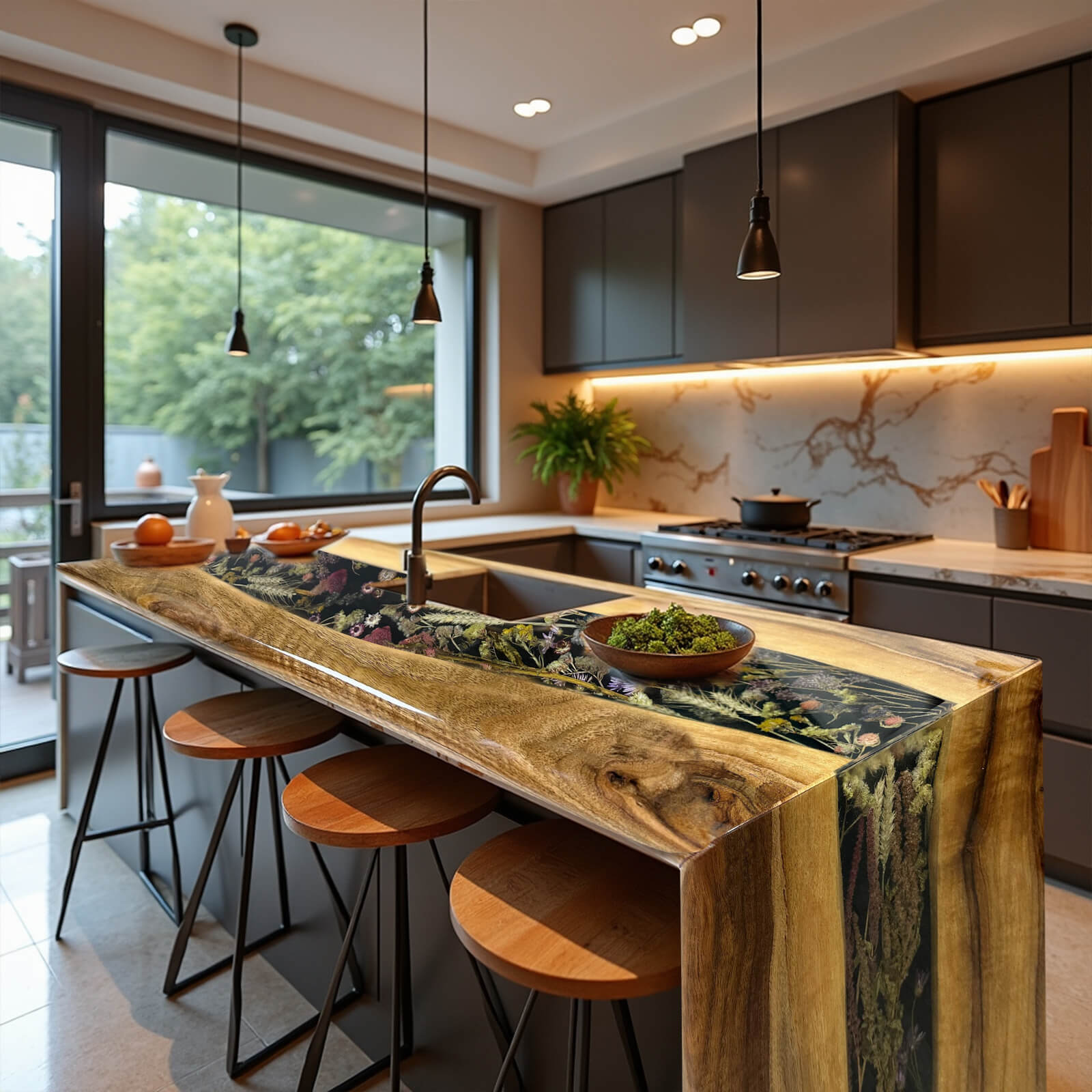
This approach works particularly well with custom furniture.
A distinctive table can establish the personality of the room while the surrounding pieces remain relatively quiet.
Rule #2: Mix Old and New
This is the heart of the collected-over-time approach.
But the ratio matters.
A room containing only vintage furniture can start to feel themed.
A room containing only contemporary furniture can feel overly coordinated.
Mixing the two creates balance.
Try combinations such as:
Contemporary sofa + vintage sideboard
Modern table + antique artwork
Vintage chair + contemporary lighting
Traditional rug + sculptural furniture
Modern architecture + heirloom furniture
The contrast creates depth.
Rule #3: Do Not Match Wood Perfectly

This is one of the easiest ways to escape the showroom effect.
Wood tones do not have to be identical.
In fact, slightly different woods can make a room feel more natural.
The important thing is to create a relationship through tone and repetition.
For example:
A dark wood table.
A medium-tone cabinet.
A lighter wood accent.
They can coexist if the room has enough visual balance.
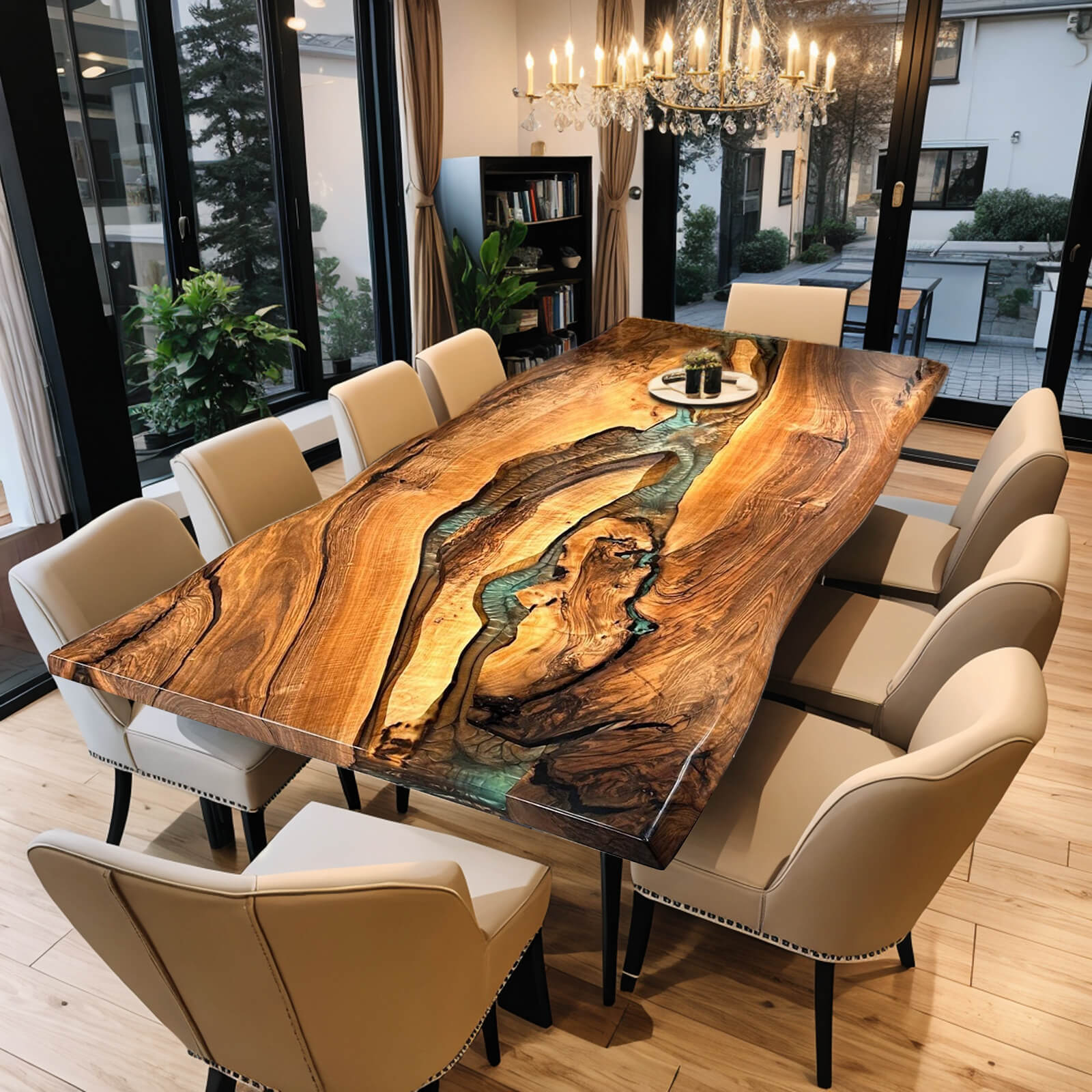
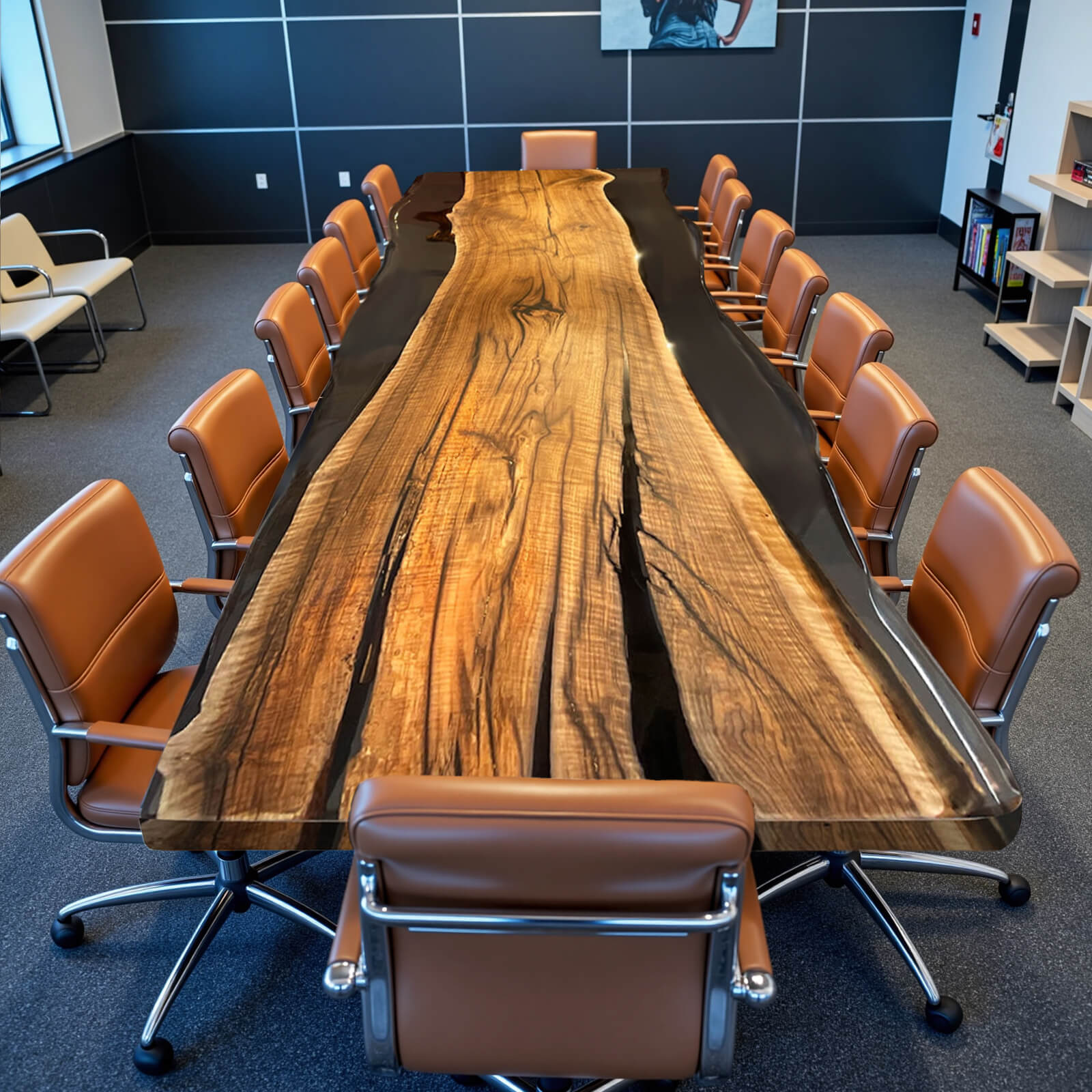
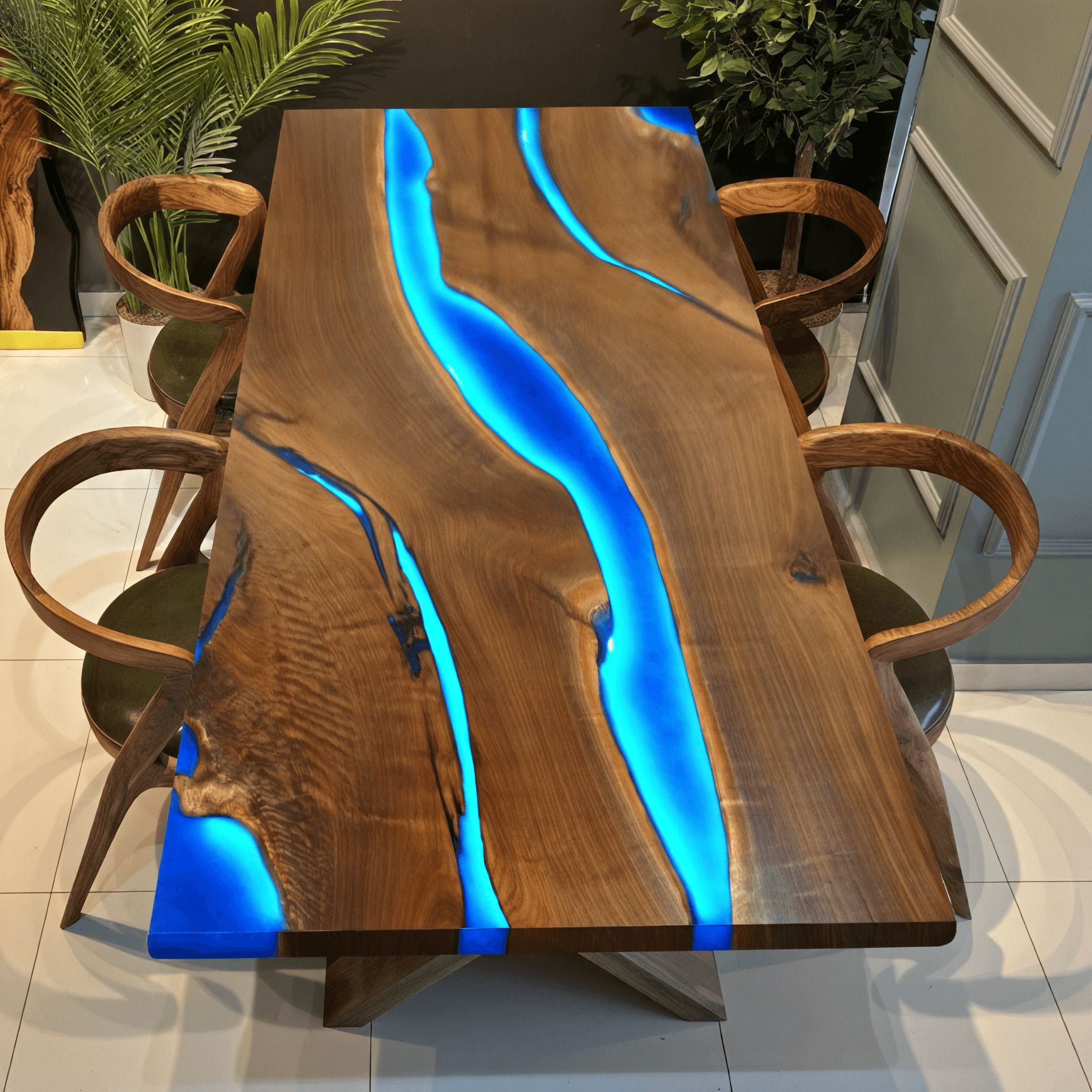
This is especially useful when working with natural-slab furniture because the material itself introduces variation.
Rule #4: Repeat Materials, Not Furniture Sets
This is a useful trick.
Instead of matching furniture, repeat materials.
For example:
Wood appears in the coffee table.
Wood appears again in a cabinet.
Brass appears in a lamp.
Brass appears subtly in hardware.
Stone appears around the fireplace.
Stone appears in a small accessory.
The pieces do not match.
But the materials create continuity.
This gives the room cohesion without making it predictable.
Rule #5: Add Something With a Story
Collected interiors work because they imply history.
That does not mean every object needs to be an antique.
A story can come from:
· a handmade object
· a travel purchase
· family furniture
· local artwork
· vintage lighting
· an unusual custom piece
· a material with visible natural variation
Furniture can play an especially important role.
A dining table where a family gathers every Thanksgiving eventually becomes more than a dining table.
A coffee table around which friends sit every weekend becomes part of the home's memory.
This is one reason custom furniture can have value beyond its immediate appearance.
Rule #6: Leave Some Visual Breathing Room
Collected does not mean cluttered.
This distinction is extremely important.
A room can contain many different styles while still feeling calm.
The solution is negative space.
If the furniture is visually complex, keep some walls quieter.
If the artwork is dramatic, reduce the number of accessories.
If the rug is highly patterned, use simpler upholstery.
Think of the room as an editorial layout.
Every object needs a reason to exist.
Rule #7: Use One Unexpected Piece

The most memorable collected rooms often contain something unexpected.
Maybe it is a vintage industrial chair.
Maybe it is a colorful artwork.
Maybe it is an unusual lamp.
Maybe it is a highly sculptural coffee table.
The unexpected object prevents the room from feeling algorithmically designed.
This is especially relevant in the age of AI-generated interiors.
AI can create a beautiful room in seconds.
But if every object follows the same predictable design vocabulary, the result can still feel generic.
A physically distinctive piece can provide something that digital repetition cannot easily reproduce: specificity.
Rule #8: Let the Room Evolve
One of the biggest mistakes is trying to create a collected room in one shopping trip.
That defeats the concept.
A genuinely collected home develops.
You might buy the sofa first.
Then discover a vintage cabinet six months later.
Then find artwork during a trip.
Then commission a custom table.
The room becomes a record of decisions.
This is why the collected-over-time trend is more meaningful than another short-lived decorating aesthetic.
It encourages homeowners to buy fewer pieces with more intention.
What Furniture Works Especially Well in a Collected Interior?
Several furniture categories naturally support this approach.
Coffee Tables
Because they occupy the center of the seating arrangement, they can become visual anchors.
Console Tables
They can introduce contrast without dominating the room.
Dining Tables
A distinctive dining table can make an otherwise restrained dining area feel individual.
Cabinets and Media Consoles
These are ideal places to mix contemporary design with vintage objects and artwork.
Benches
A simple bench can bridge modern and traditional styles.
Custom Furniture
This may be the most flexible option because it allows homeowners to design around an existing room rather than forcing the room to fit a standard product.
How to Avoid Making a Collected Room Look Random
There are three questions to ask.
Does the room have a dominant color family?
It does not need one exact color, but the overall palette should relate.
Are there repeated materials?
Wood, stone, metal, textiles, or ceramics can provide continuity.
Is there a visual hierarchy?
Not every object should demand attention.
If every piece is a statement, nothing is.
A Simple Formula for Your First Collected Room
If you're starting from scratch, try this:
- 1 major contemporary piece
- 1 vintage or antique piece
- 1 natural-material focal point
- 1 artwork with personality
- 1 unexpected object
quiet supporting furniture
This is enough to create contrast without chaos.
For example:
A cream sectional.
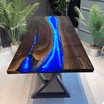
A distinctive natural wood coffee table.
A vintage cabinet.
An oversized artwork.
A sculptural lamp.
A neutral rug.
That already feels far more individual than a complete matching furniture collection.
For shoppers who want to see existing examples before creating their own, CREATEATABLE Best Sellers provides a broad range of natural wood and resin furniture designs.
And if the room has unusual dimensions or you want the centerpiece to be designed around your space, Design Your Own Epoxy Table offers a route toward a more individualized piece.
The Goal Is Not to Look Collected
This may be the most important point.
If you try too hard to make a room look “collected,” it can become another form of staging.
The best collected interiors feel natural.
Pieces have different origins.
Different ages.
Different stories.
But they work together.
That is why Fall 2026's collected-over-time movement is interesting.
It is not really a furniture style.
It is a different way of thinking about how a home evolves. Recent trend reporting similarly frames the shift around history, personal expression, vintage pieces, and materials with character rather than perfect coordination.
A home does not need to look like everything was purchased on the same Saturday.
In fact, it may be better if it doesn't.