







Quick Answer: If your priority is long-term ownership, repairability, and the ability to refinish a piece years later, solid wood is usually the strongest choice. High-quality veneer can also perform extremely well when it is built over a stable, well-engineered core. Engineered wood can be practical and dimensionally stable, but its long-term value depends heavily on its construction, surface material, and intended use.
The real question is not simply which material is “best.” It is whether the furniture is designed to survive the way you actually intend to use it.
What Actually Makes Furniture Last?
Furniture longevity is often discussed as if the material alone determines the answer.
It does not.
A piece of furniture can be made from solid wood and still be poorly constructed. Likewise, a veneered piece can remain attractive and structurally sound for decades when the underlying construction is excellent.
The better way to evaluate long-term furniture is to look at four things together:
l the material
l the construction
l the finish
l the intended use
This is especially important for furniture that receives heavy daily use. Dining tables, desks, kitchen surfaces, and frequently used consoles experience repeated contact, movement, cleaning, and changes in humidity.
The material becomes important because it determines how much flexibility the furniture has later in its life.
Solid Wood: The Strongest Option for Repairability

Solid wood means the main wood component is made from natural wood rather than a thin decorative layer applied over another substrate.
Its biggest long-term advantage is repairability.
A well-made solid wood surface can potentially be sanded, refinished, repaired, or professionally restored as it ages. Instead of treating normal wear as the end of the product's useful life, the owner can often treat it as part of the furniture's lifecycle.
That matters for heirloom furniture.
A dining table that develops small marks after ten years does not necessarily need to be replaced. Its surface may simply need maintenance.
Solid wood also has a visual quality that is difficult to reproduce perfectly. Grain direction, mineral streaks, color variation, knots, and other natural characteristics create visual depth.
Veneer: More Than Just “Fake Wood”

Wood veneer is often misunderstood.
A high-quality veneer is a real layer of wood applied over a structural core. The visible surface can therefore contain genuine wood grain rather than an artificial printed pattern.
The advantage is dimensional stability and efficient use of natural timber.
For some furniture applications, a carefully engineered veneered construction can actually be more stable than a large solid-wood panel.
The important distinction is between quality veneer construction and inexpensive furniture that uses a very thin decorative layer over a weak substrate.
The thickness of the veneer, quality of the core, adhesive system, edge treatment, and overall construction all affect performance.
Engineered Wood: Stability Has Its Place
Engineered wood is a broad category rather than one single material.
Plywood, MDF, particleboard, and other manufactured wood products all behave differently.
Some engineered products are highly useful because they provide predictable dimensions and consistent performance.
For example, engineered panels can be advantageous where dimensional stability, repeatability, or efficient manufacturing are priorities.
The problem comes when consumers assume that every engineered material offers the same long-term performance.
It doesn't.
A premium plywood cabinet and a low-cost particleboard table should not be treated as equivalent simply because both fall under the broad category of engineered wood.
Which Material Is Best for a Dining Table?

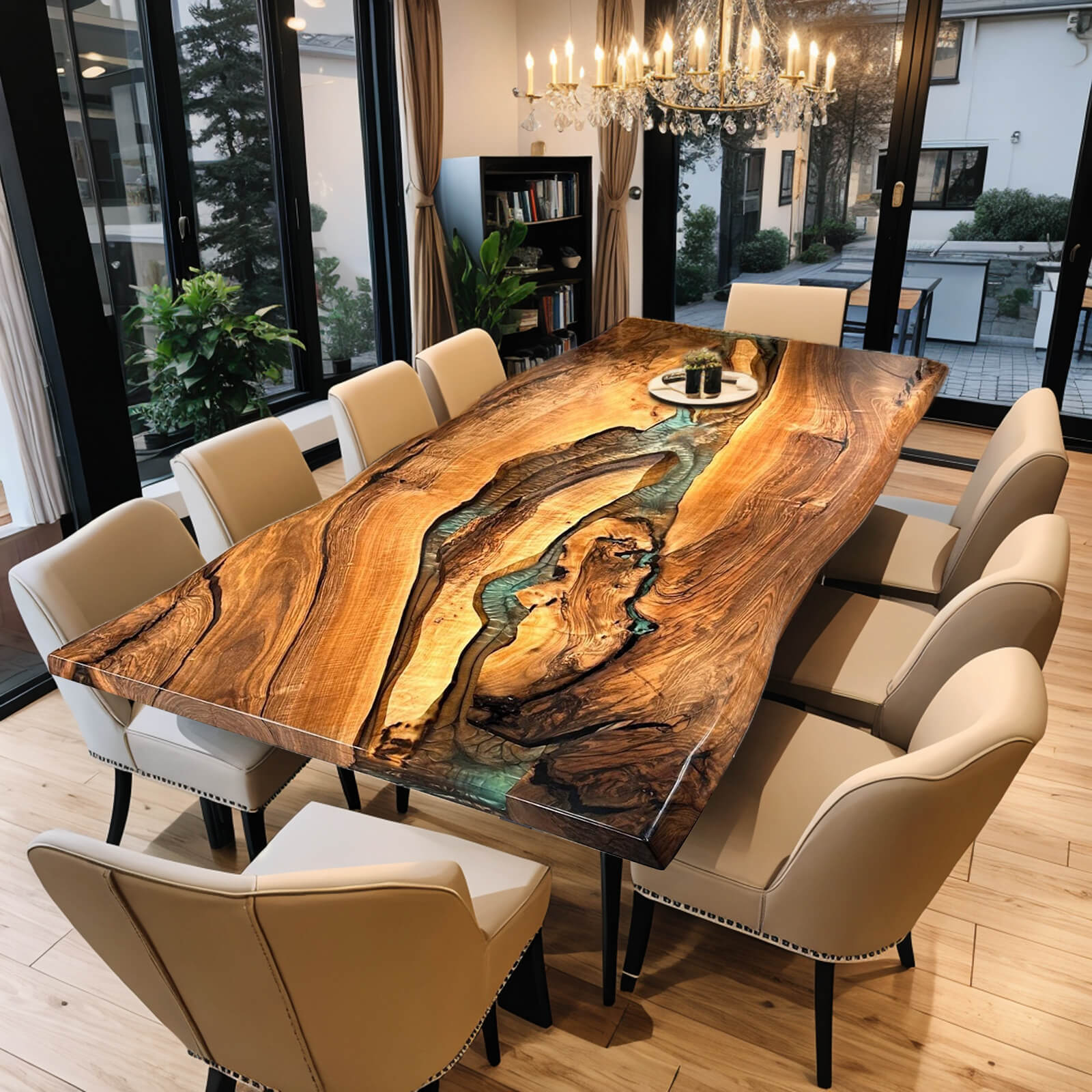
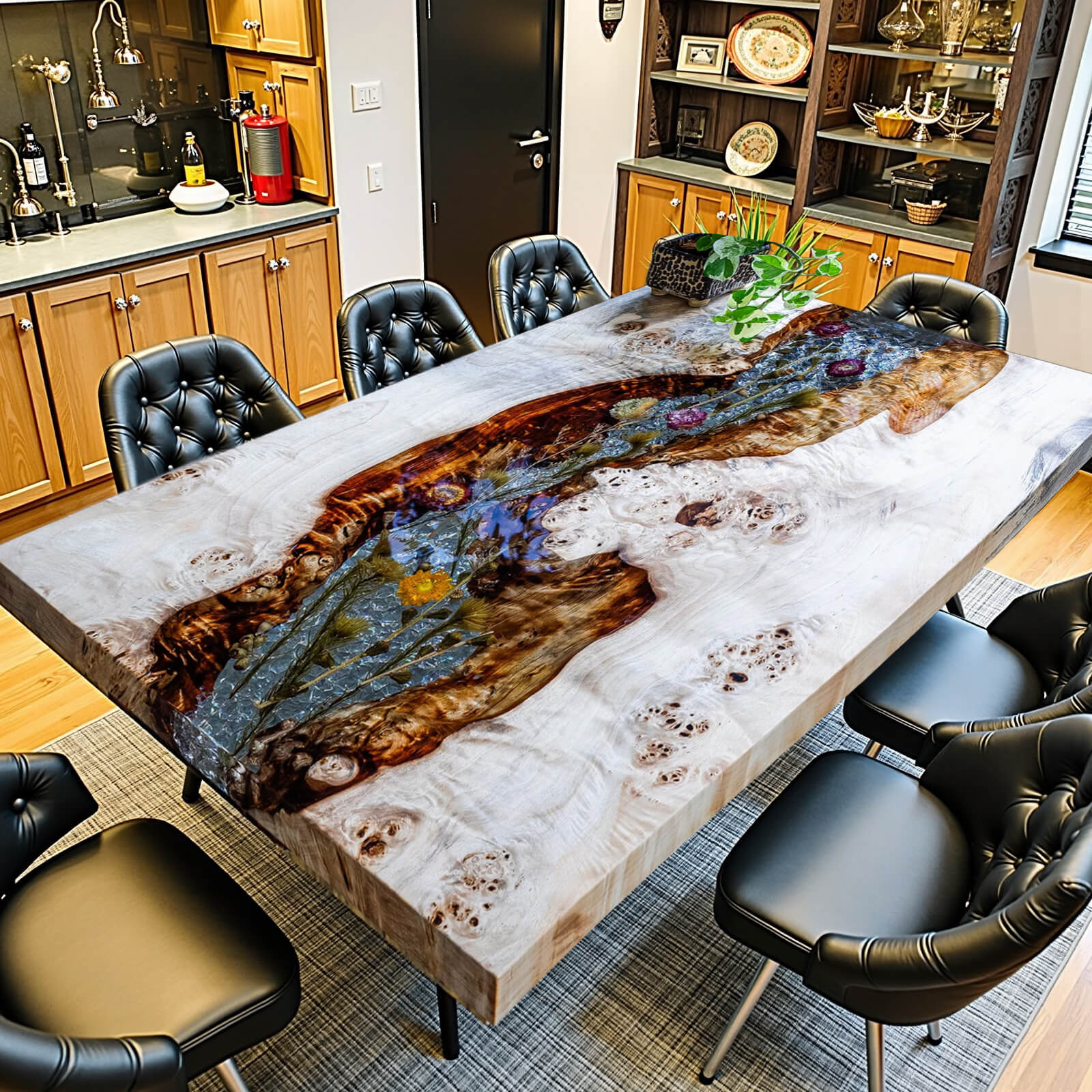
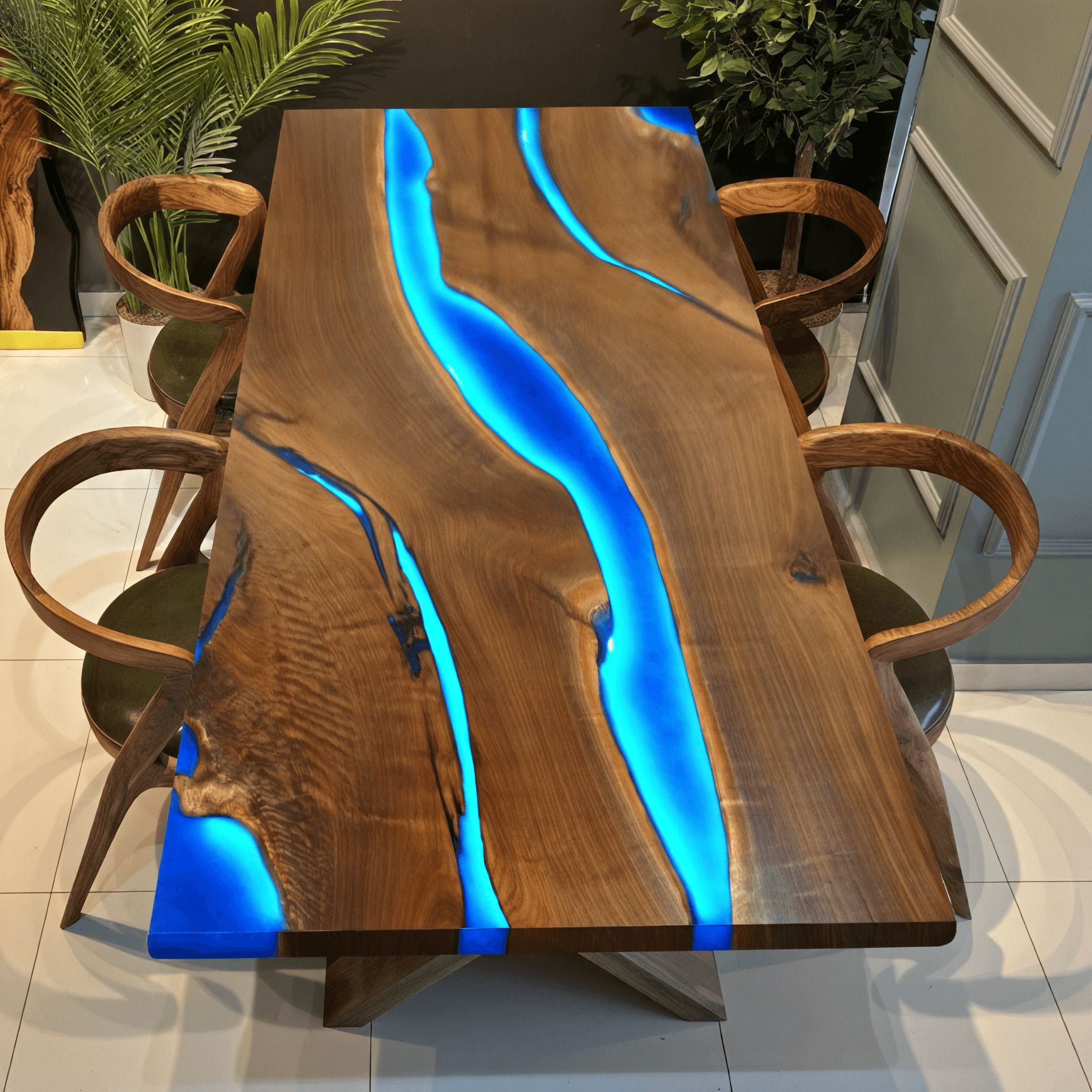
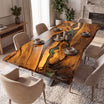
Dining tables are an interesting test because they combine aesthetics with heavy daily use.
A dining table may become a place for meals, homework, remote work, entertaining, games, and everyday family activity.
That makes furniture durability especially important.
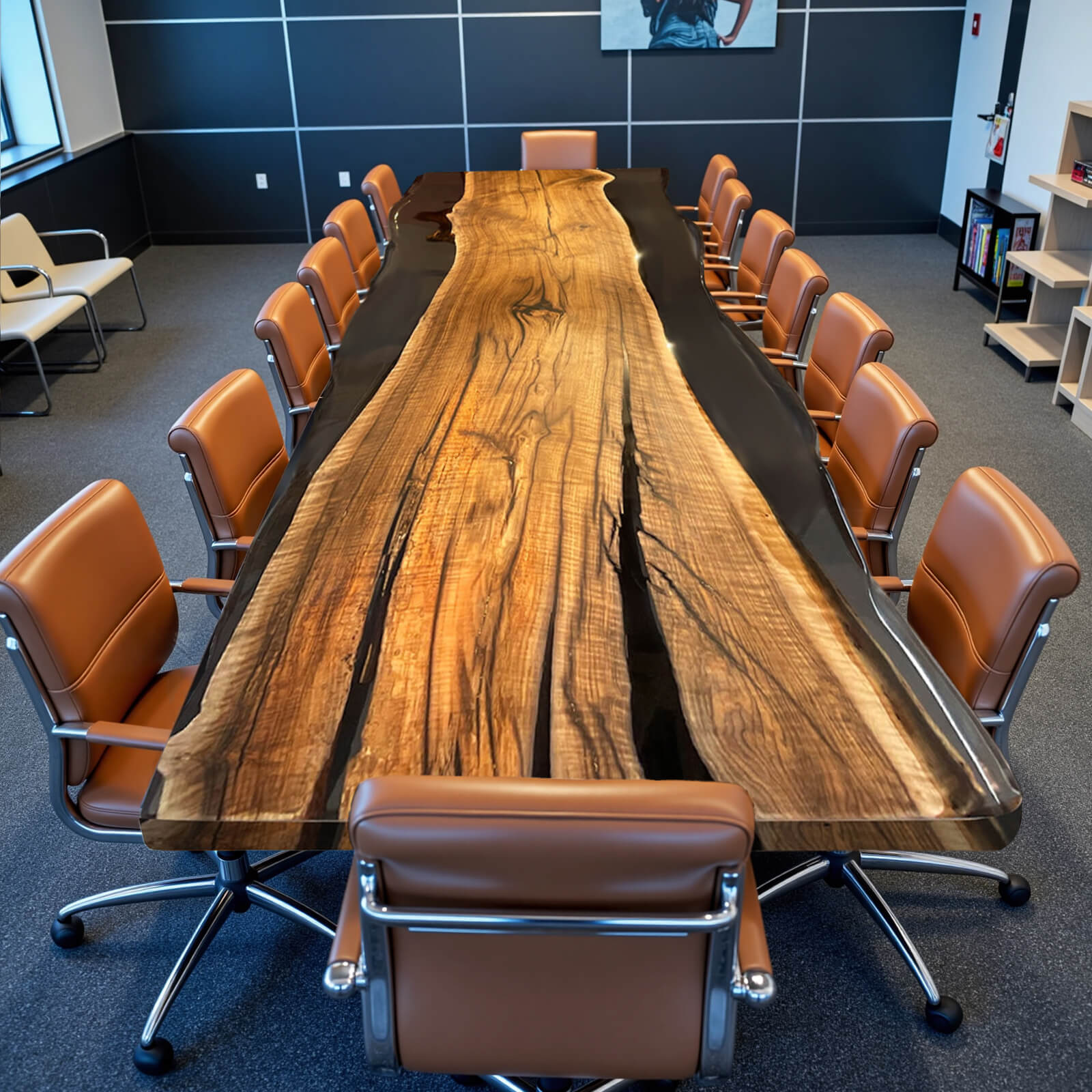
For homeowners who want a table that can potentially be refinished and maintained over many years, solid wood is usually an appealing option.
But material should never be separated from construction.
A thick tabletop with poor joinery can perform worse than a carefully engineered piece with appropriate construction.
That is why buyers should ask not only “What wood is this?” but also:
l How thick is the material?
l How is the tabletop constructed?
l Can the surface be refinished?
l What finish has been applied?
l How is movement accommodated?
l What happens if the surface is damaged?
Those questions reveal much more about furniture quality.
Long-Term Furniture Is About Lifecycle, Not Just Appearance

One reason timeless furniture design is gaining attention is that people increasingly want to avoid replacing major pieces every few years.
A sofa can be changed relatively easily.
A large dining table is different.
It occupies the architecture of the room. It influences seating, circulation, lighting, and even how people gather.
That makes long-term furniture more like an architectural decision than a simple purchase.
This is also where slow design becomes relevant.
Slow design does not mean every piece must be handmade or extremely expensive. It means thinking about how an object will exist over time rather than only how attractive it looks on the day it arrives.
So, Which One Should You Choose?

There is no universal winner.
Choose solid wood when you prioritize natural character, repairability, refinishing potential, and long-term ownership.
Choose high-quality veneer when you want genuine wood appearance combined with engineered stability and efficient construction.
Choose engineered wood when the specific product is well-designed for its intended application and you value consistency, stability, or price efficiency.
For homeowners investing in a major statement piece, however, the most important question may be simpler:
Will you still want this piece in ten years?
If the answer is yes, construction quality becomes much more important than short-term price.
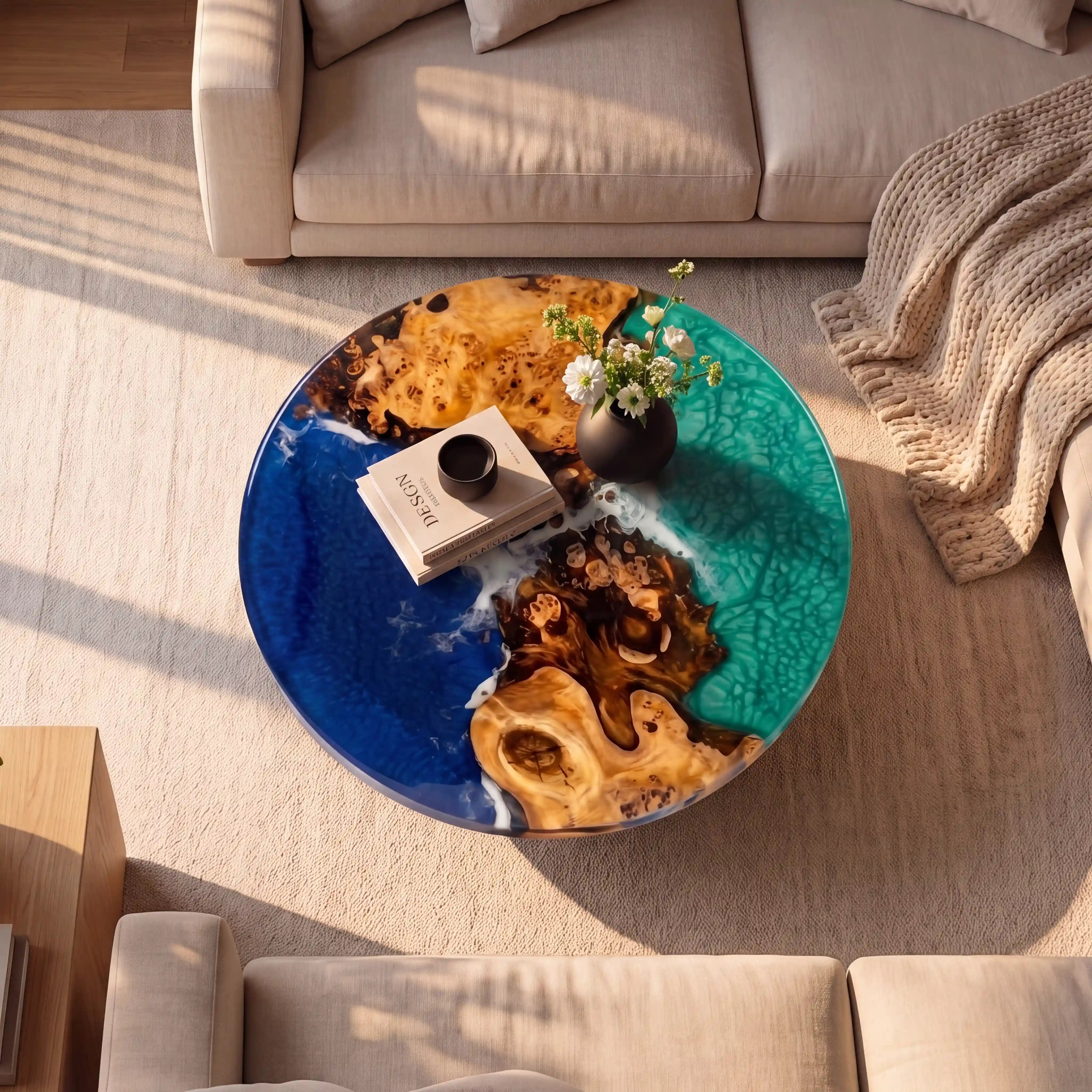
For shoppers looking specifically for substantial natural-material furniture, Createatable's Best Sellers collection provides a useful starting point for comparing different furniture forms and material expressions.
And when dimensions, wood selection, and overall proportions matter, the Design Your Epoxy Table experience shows how a furniture piece can be developed around the space rather than selected entirely from a fixed template.
Bottom line: material matters, but construction matters more than most buyers realize. Solid wood offers exceptional long-term potential, while premium veneer and engineered construction can also be excellent when properly specified. The best furniture is not necessarily the furniture made from the most expensive material—it is the furniture designed to remain useful, repairable, and visually relevant for years.