









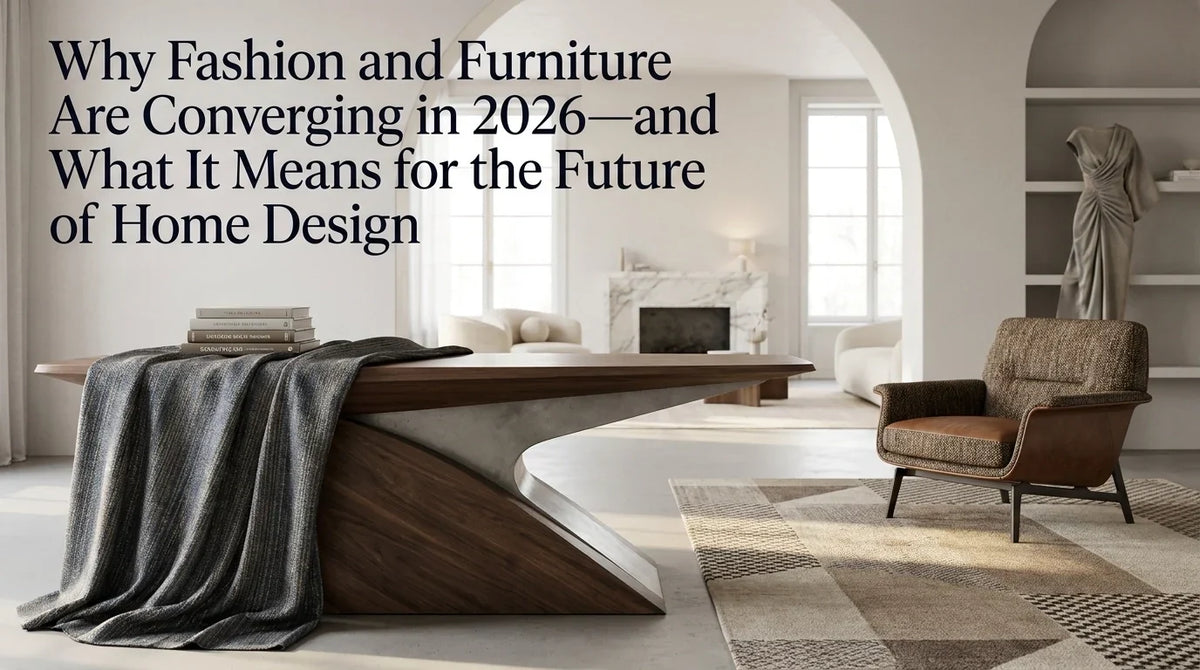
Quick Answer: Fashion and furniture are converging because both industries increasingly use design to communicate identity, craftsmanship, cultural relevance, and personal taste. As fashion houses enter furniture and furniture becomes more collectible, the home is beginning to function less like a standardized product environment and more like a personal visual language.
The result is a shift from simply asking whether furniture “matches” a room toward asking whether a piece has a point of view.
The Home Is Becoming a Form of Personal Style
For decades, furniture was often treated as a relatively stable category.
You bought a sofa.
You bought a dining table.
You bought a bedroom set.
Fashion operated differently.
Clothing changed more frequently, and designers were expected to create recognizable visual identities.
That distinction is becoming less clear.
Today, consumers increasingly think about their homes in terms of mood, identity, materiality, and personal expression. Furniture is no longer simply something that fills an empty room.
It communicates taste.
This helps explain the growing conversation around fashion furniture, collectible design, and designer collaborations.
Fashion Brands Are Moving Into the Home

Luxury fashion houses have increasingly treated furniture as a legitimate extension of their creative identity.
This is not simply a marketing exercise.
Fashion and interiors share many of the same creative ingredients: color, proportion, texture, craftsmanship, material selection, cultural references, and storytelling.
A fashion house that understands leather, tailoring, textile development, or surface treatment already has many of the skills needed to create compelling furniture.
Furniture brands are also moving in the opposite direction, adopting techniques associated with fashion.
They are experimenting with limited collections, collaborations, seasonal launches, distinctive signatures, and highly recognizable visual identities.
This changes how people perceive furniture.
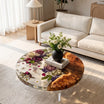
A table can become more than a functional object.
It can become a design statement.
From Designer Furniture to Collectible Design

One of the most interesting developments in interior design trends 2026 is the increasing overlap between furniture and collectible objects.
Historically, collectible design was often associated with galleries, exhibitions, and specialized collectors.
Now, more homeowners are comfortable treating a distinctive chair, table, lighting fixture, or cabinet as an artistic focal point.
The shift is partly about individuality.
When mass-produced products become easier to copy, visual distinctiveness becomes more valuable.
A highly recognizable piece creates an emotional relationship with the room.
This is particularly important in a market where homeowners are increasingly interested in personalized interiors rather than perfectly coordinated furniture packages.
Materials Are Becoming Part of the Story

Fashion has always understood the emotional power of materials.
Leather feels different from cotton.
Silk feels different from denim.
A hand-finished textile communicates something different from a synthetic surface.
Furniture works the same way.
Wood, stone, metal, glass, leather, fabric, and resin each create a different sensory language.
This is why natural materials remain important even as technology becomes more sophisticated.
Digital tools can generate almost any visual.
Physical materials still provide something digital images cannot: texture, weight, temperature, irregularity, and aging.
That distinction could become increasingly important in the age of AI-generated design.
Craftsmanship Becomes More Valuable in a Digital World

AI can produce thousands of furniture concepts in seconds.
It can generate different silhouettes, materials, rooms, and color palettes almost instantly.
But it cannot make the physical object exist.
Someone still has to select the material, build the structure, finish the surface, solve the tolerances, and ensure that the finished piece works in the real world.
That makes craftsmanship more valuable, not less.
As digital design becomes abundant, physical execution becomes a differentiator.
The furniture industry may therefore move toward a strange but interesting balance: more AI-assisted ideation, combined with greater appreciation for physical craftsmanship.
The Future May Be Less About “Matching”

Fashion rarely requires an entire outfit to come from one brand.
A person may combine vintage clothing, contemporary sneakers, a designer jacket, and a handmade accessory.
The same philosophy can increasingly apply to interiors.
A room might combine a contemporary sofa, vintage cabinet, sculptural table, antique artwork, and modern lighting.
The result does not need to look perfectly coordinated.
It needs to feel intentional.
This is where designer furniture, luxury furniture, and custom pieces increasingly overlap.
The future of home design may not be about buying the most recognizable brand.
It may be about assembling objects that tell a coherent story.
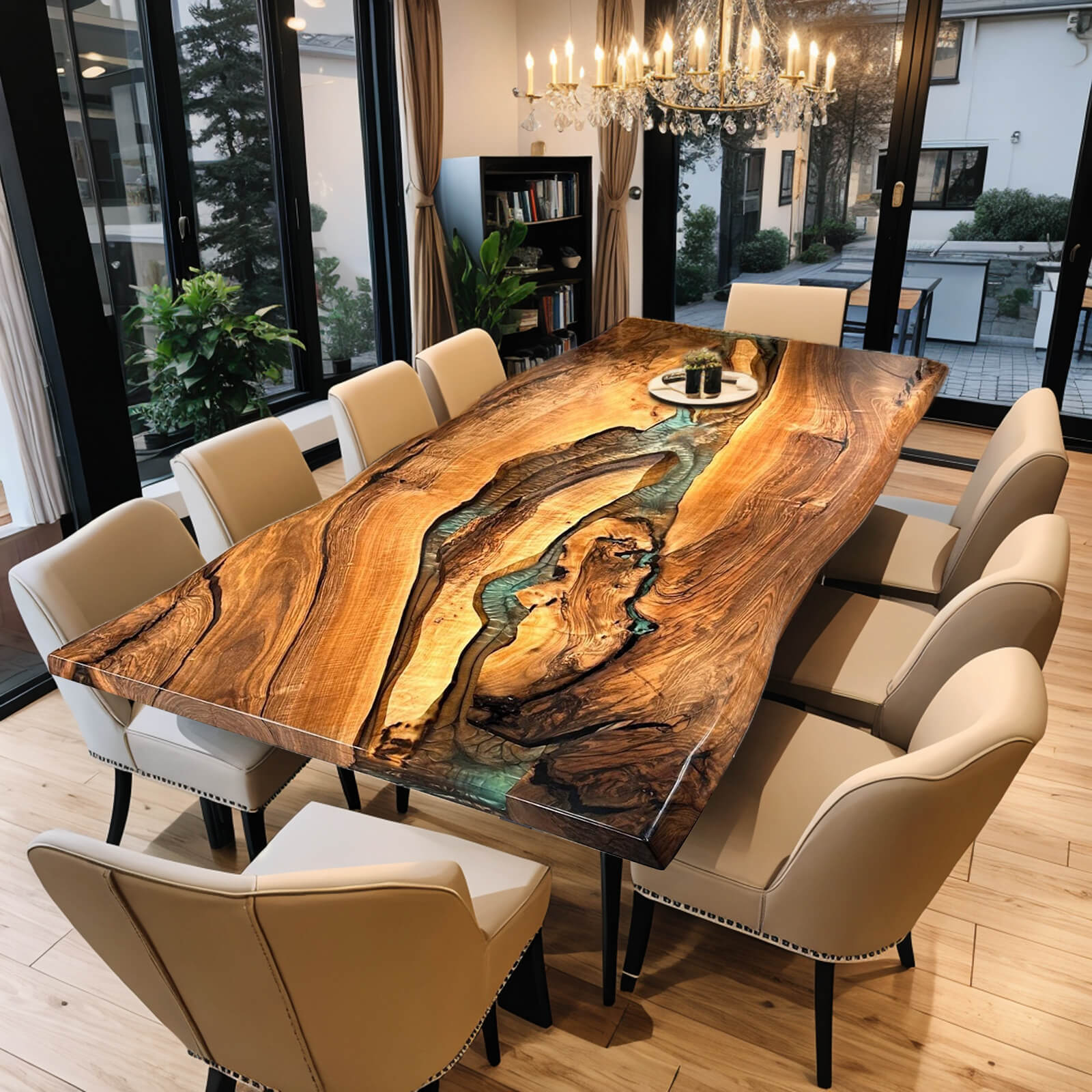
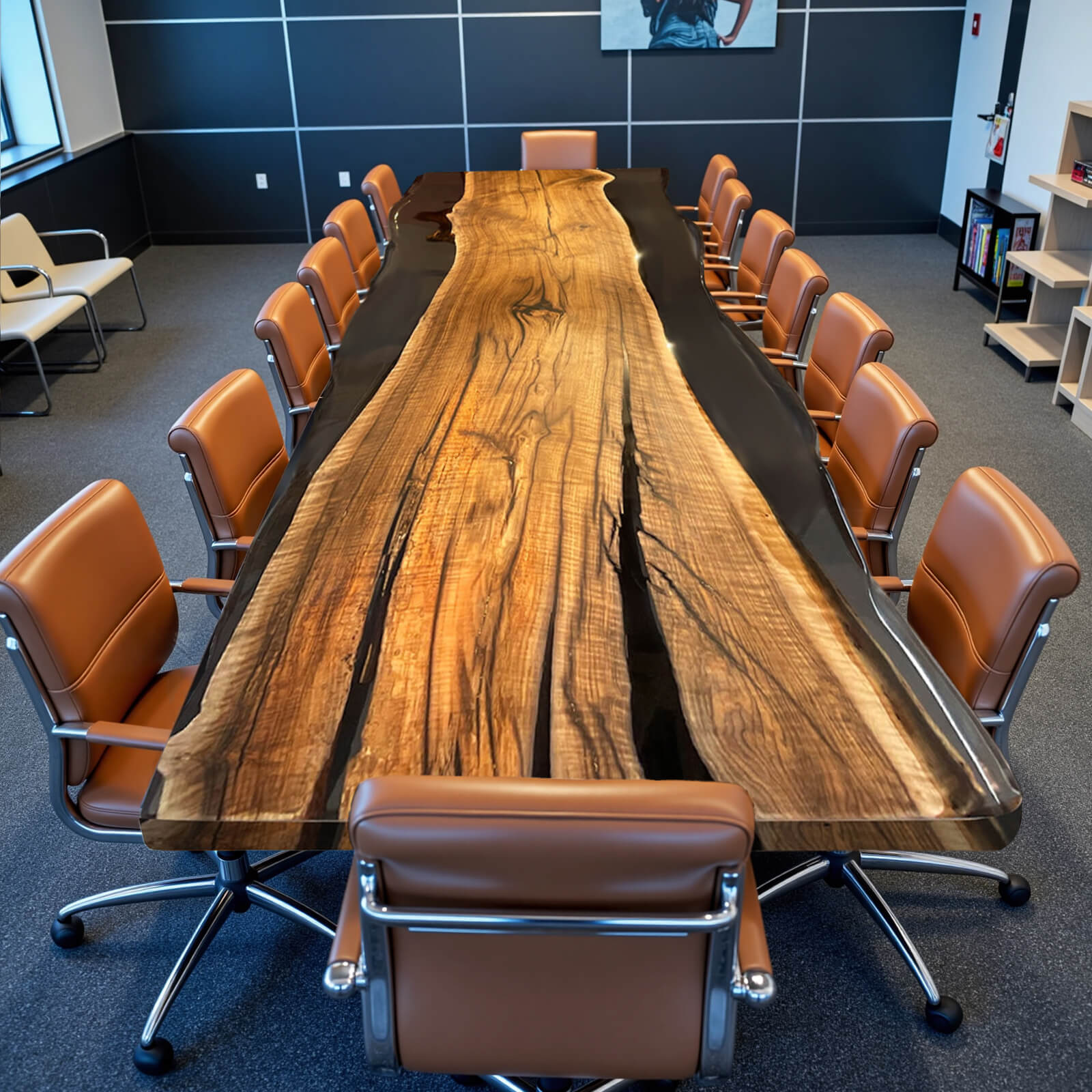
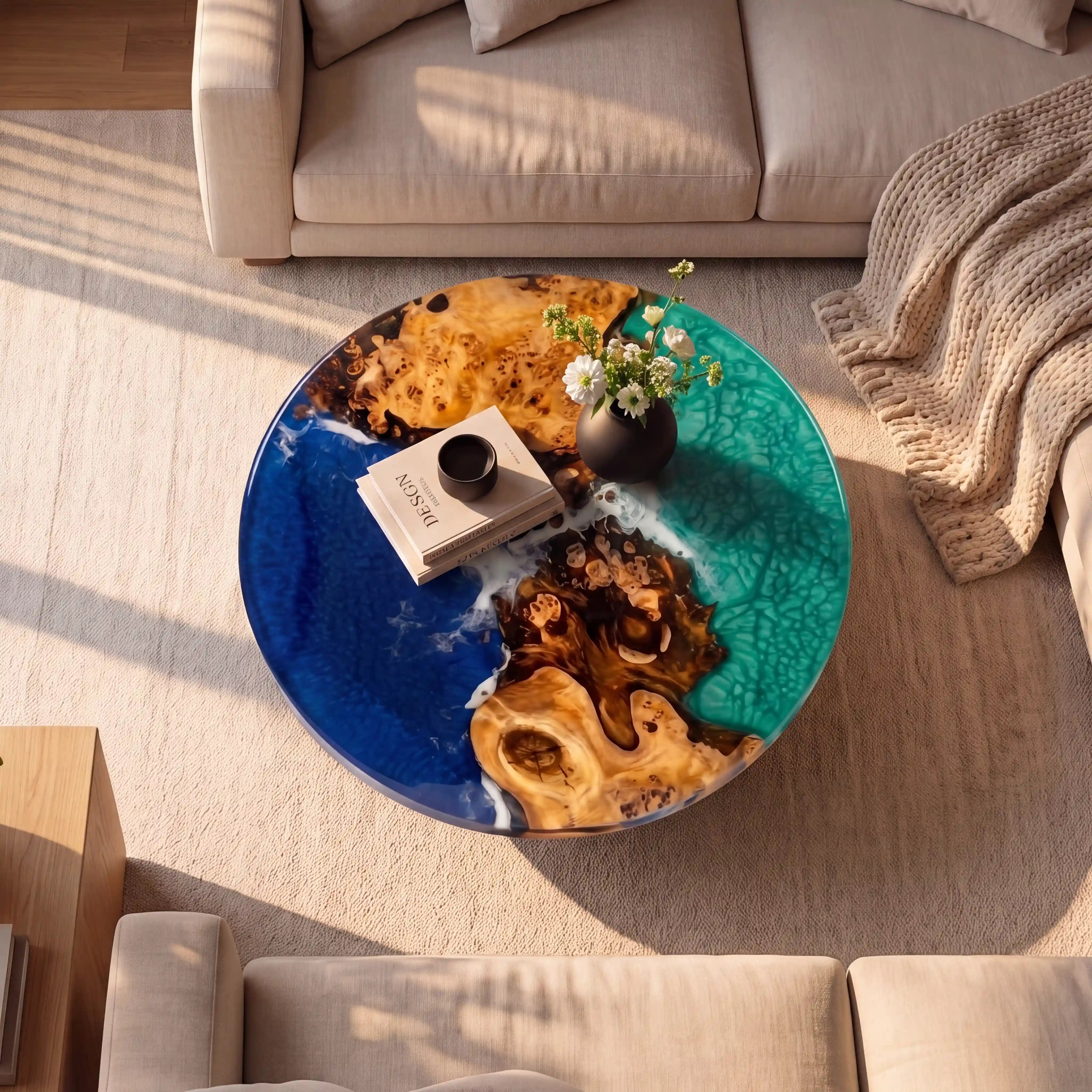
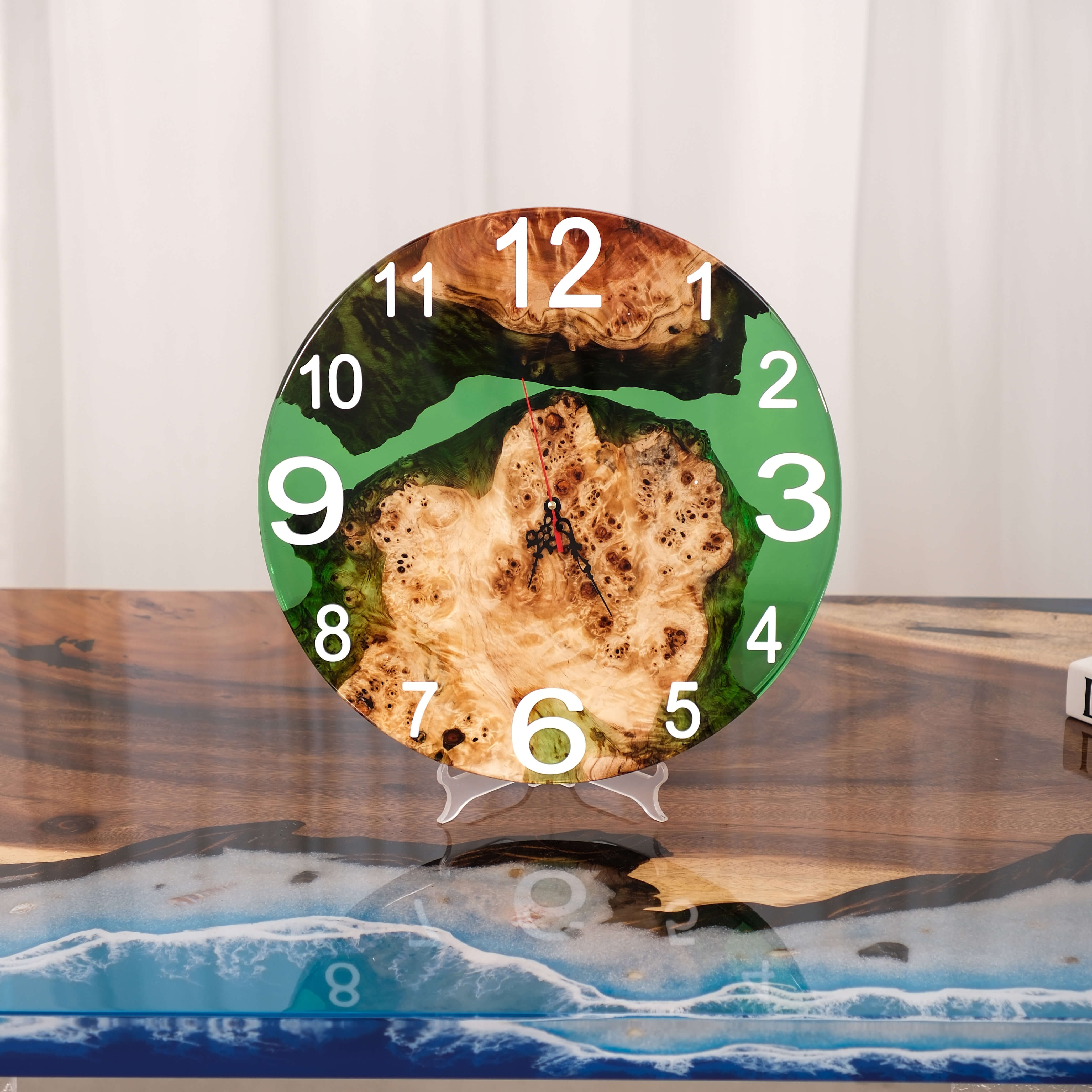
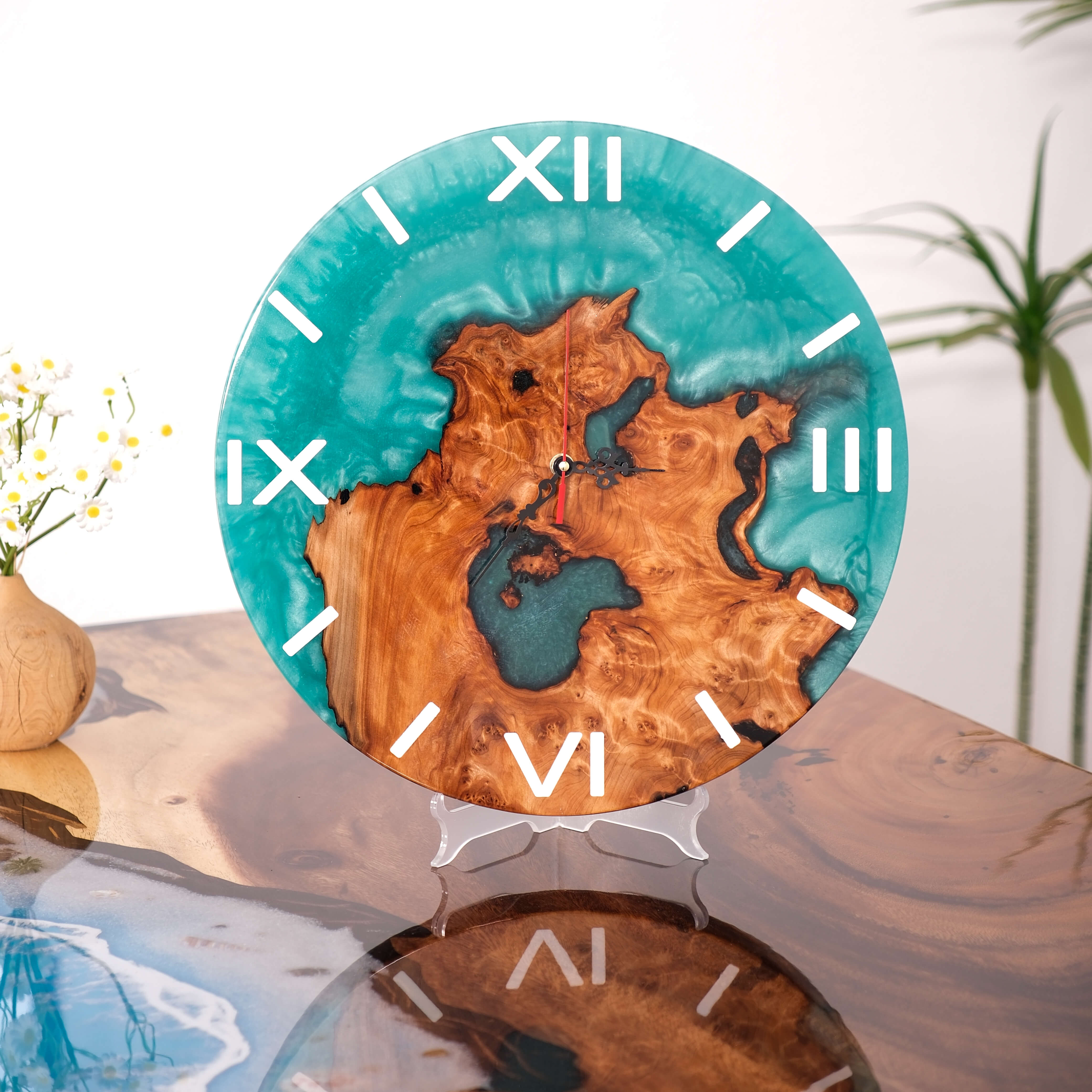
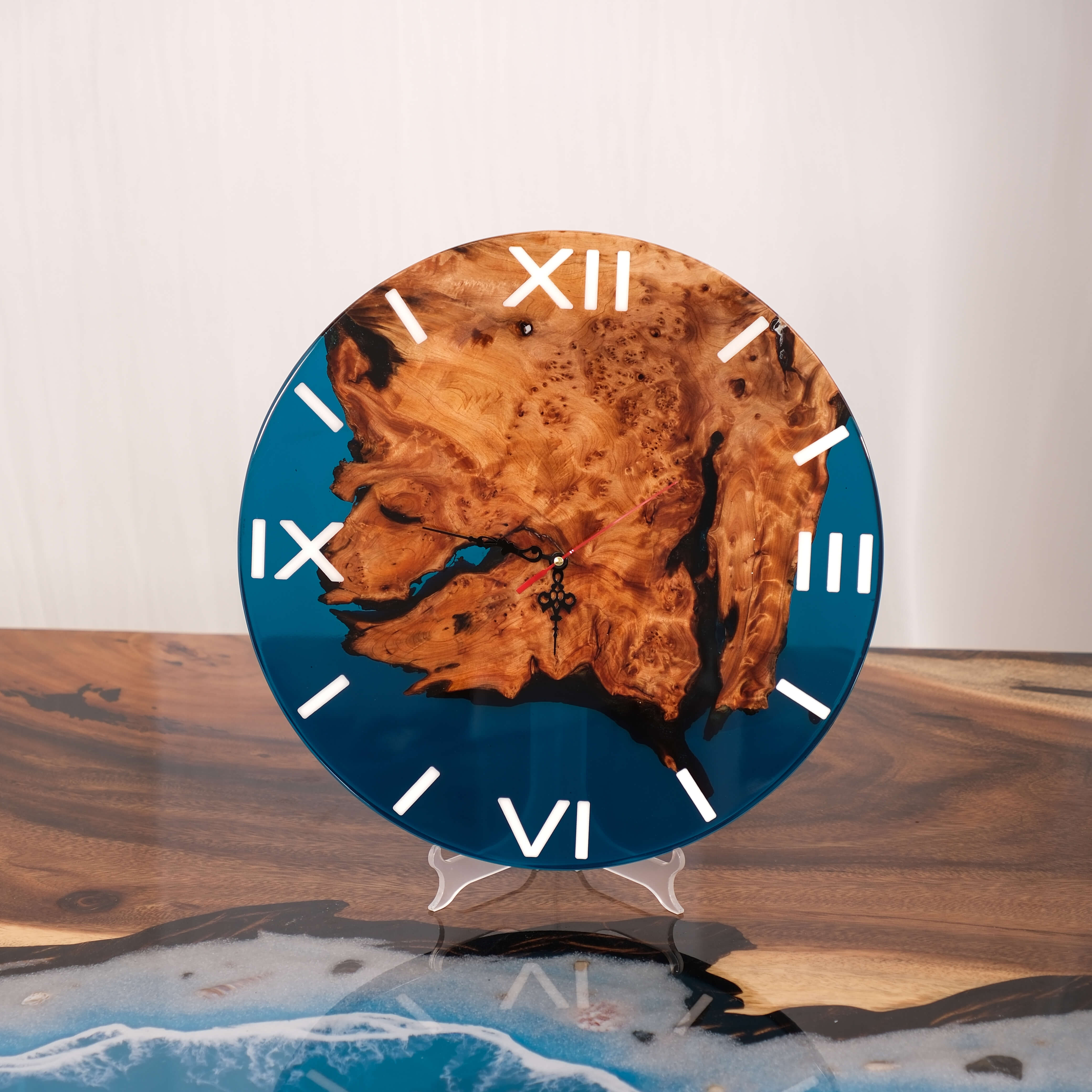
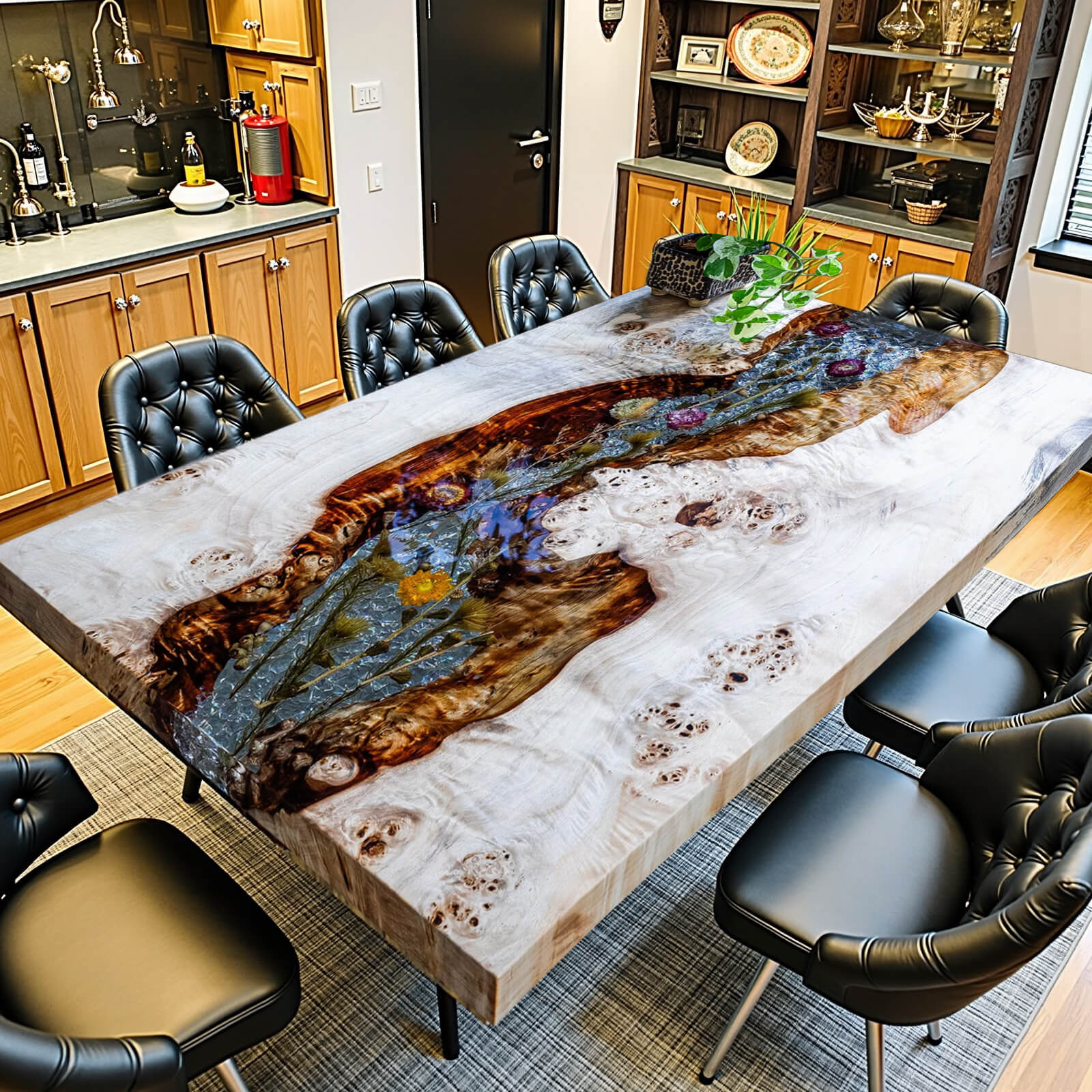
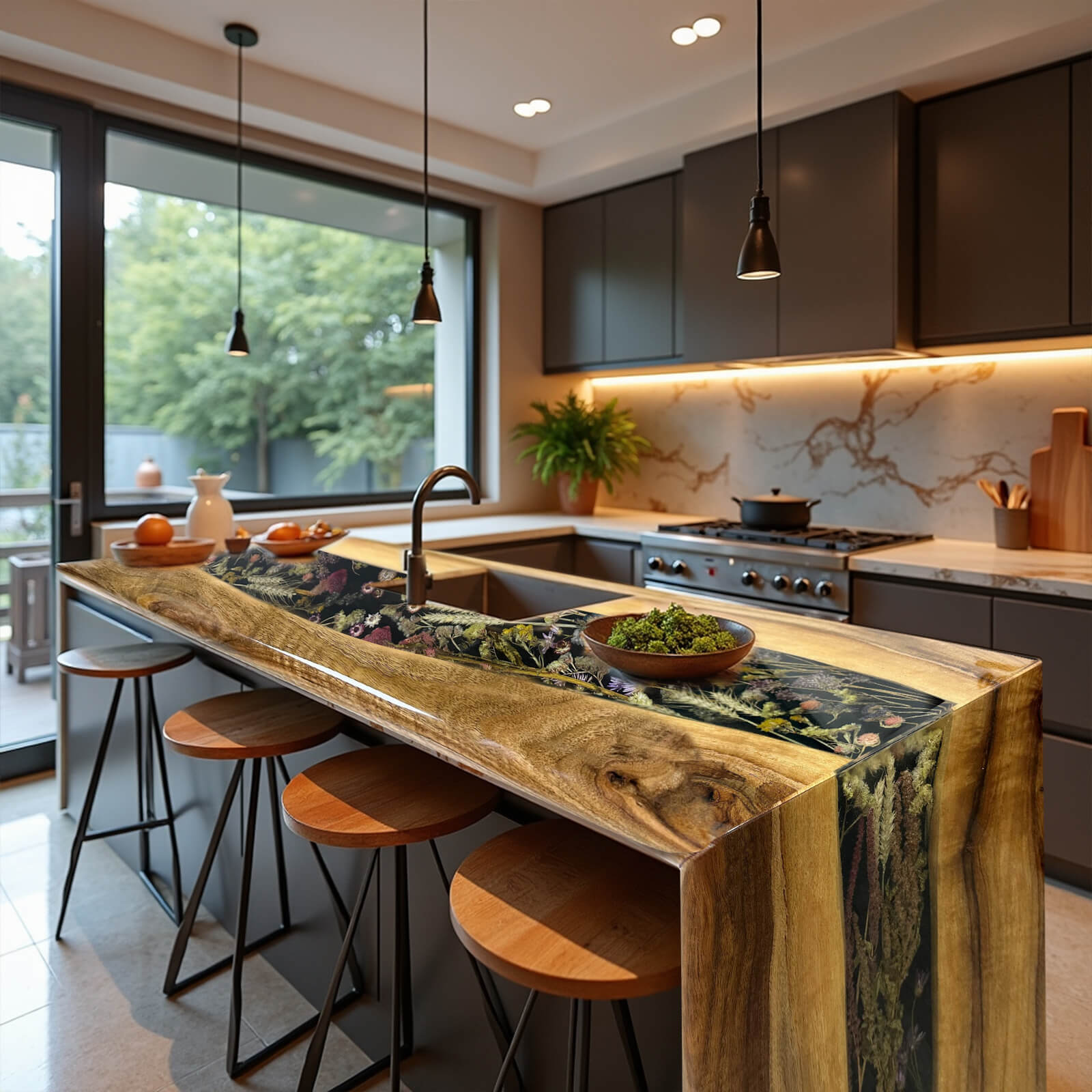
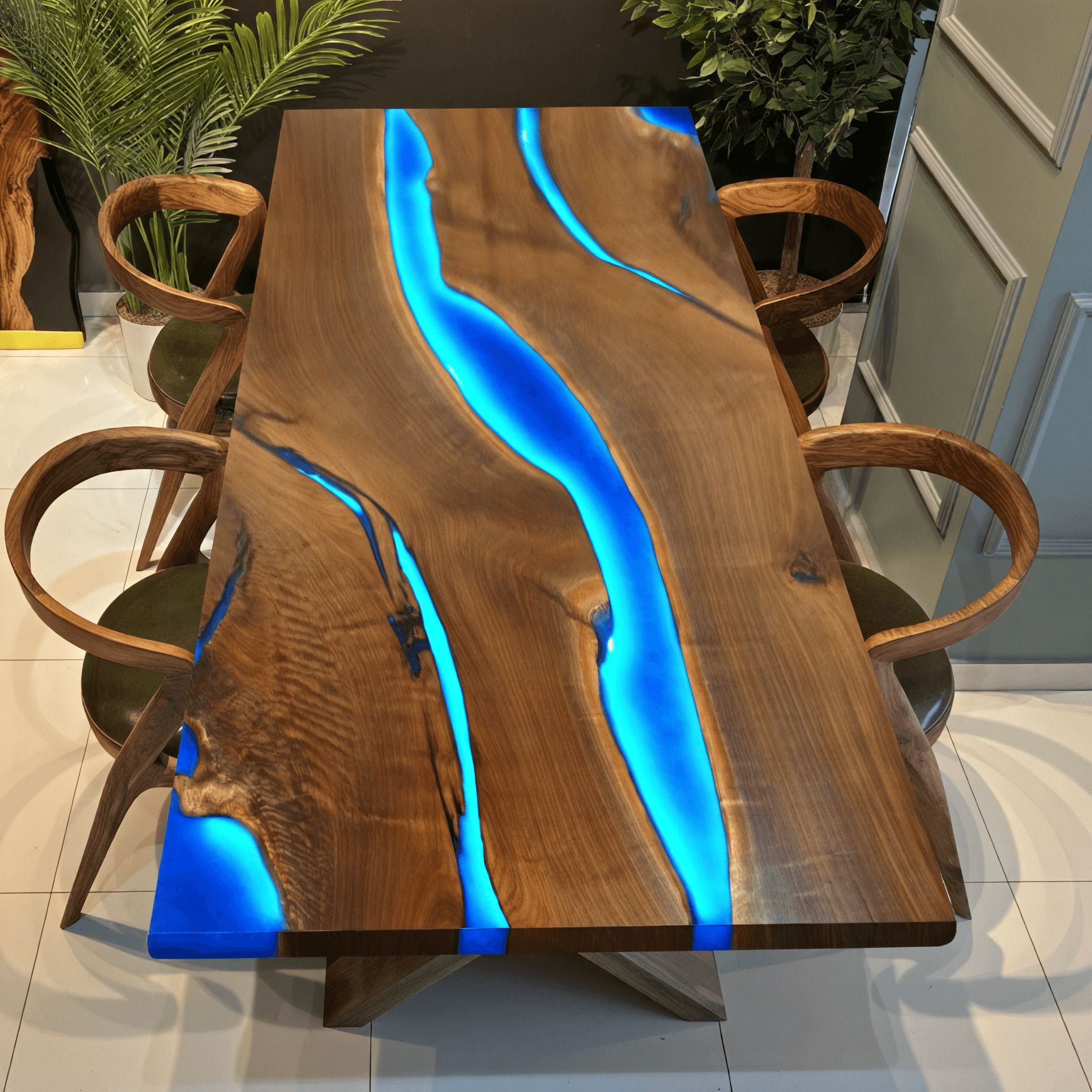
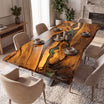
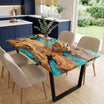
For homeowners interested in a furniture piece that can become an individual design statement, Createatable's Best Sellers offers examples of how natural wood and resin can function as visual focal points rather than simply practical surfaces.
For a more personalized direction, Design Your Epoxy Table demonstrates how material, size, and visual character can be developed around a particular space.
What This Means for Homeowners
The convergence of fashion and furniture does not mean every home needs designer-label furniture.
The bigger lesson is that furniture is becoming more expressive.
Consumers are increasingly comfortable treating major pieces as part of their personal identity.
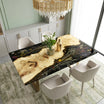
A dining table can establish the mood of an entire room.
A sculptural cabinet can become artwork.
A distinctive chair can introduce an unexpected visual language.
And a handcrafted piece can provide something that algorithmically generated interiors often lack: a sense of physical history.
The future of home design may therefore be less standardized and more editorial.
Instead of asking, “What furniture set should I buy?”
The better question may become:
“What pieces make this home feel like mine?”
That is the point where fashion and furniture truly meet.