
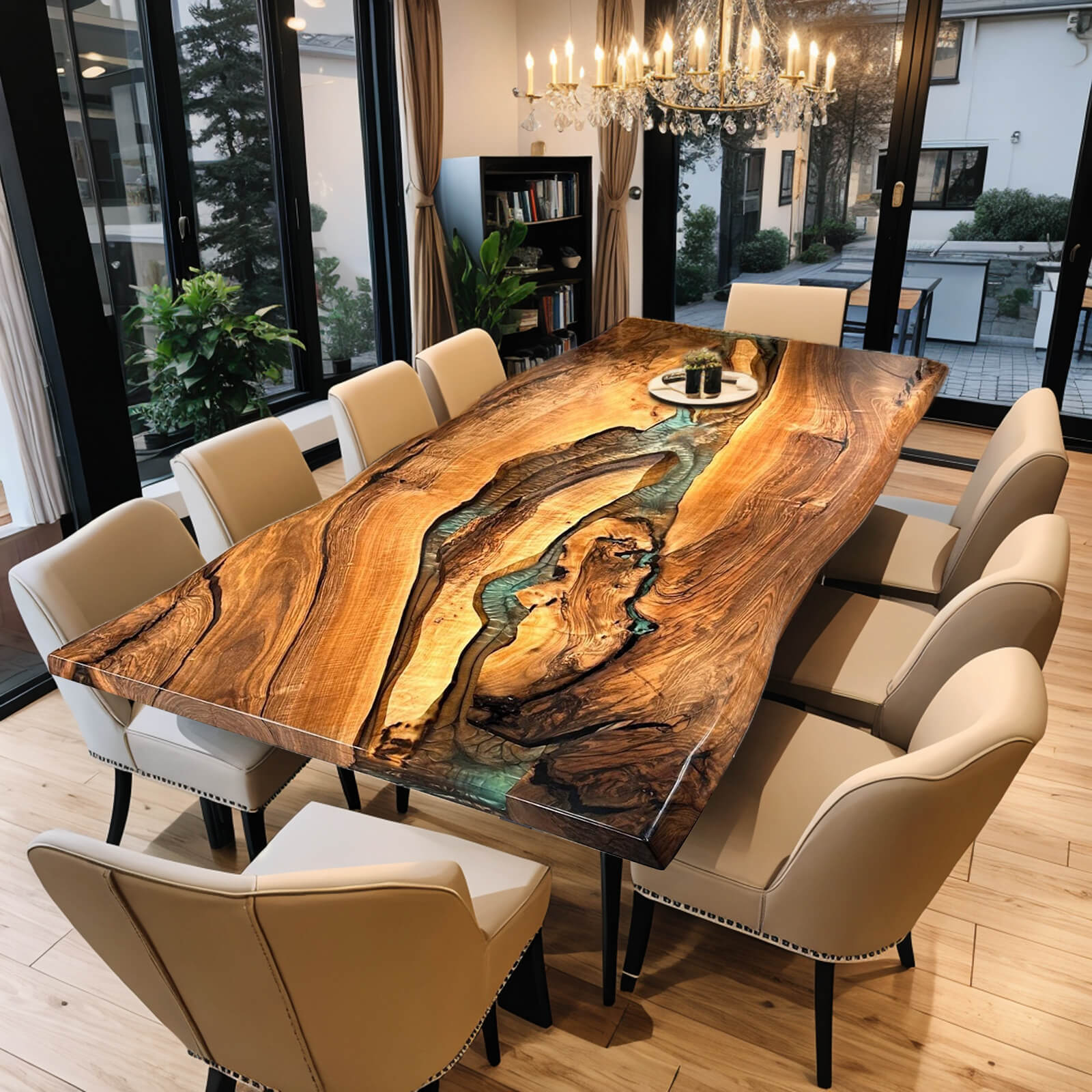





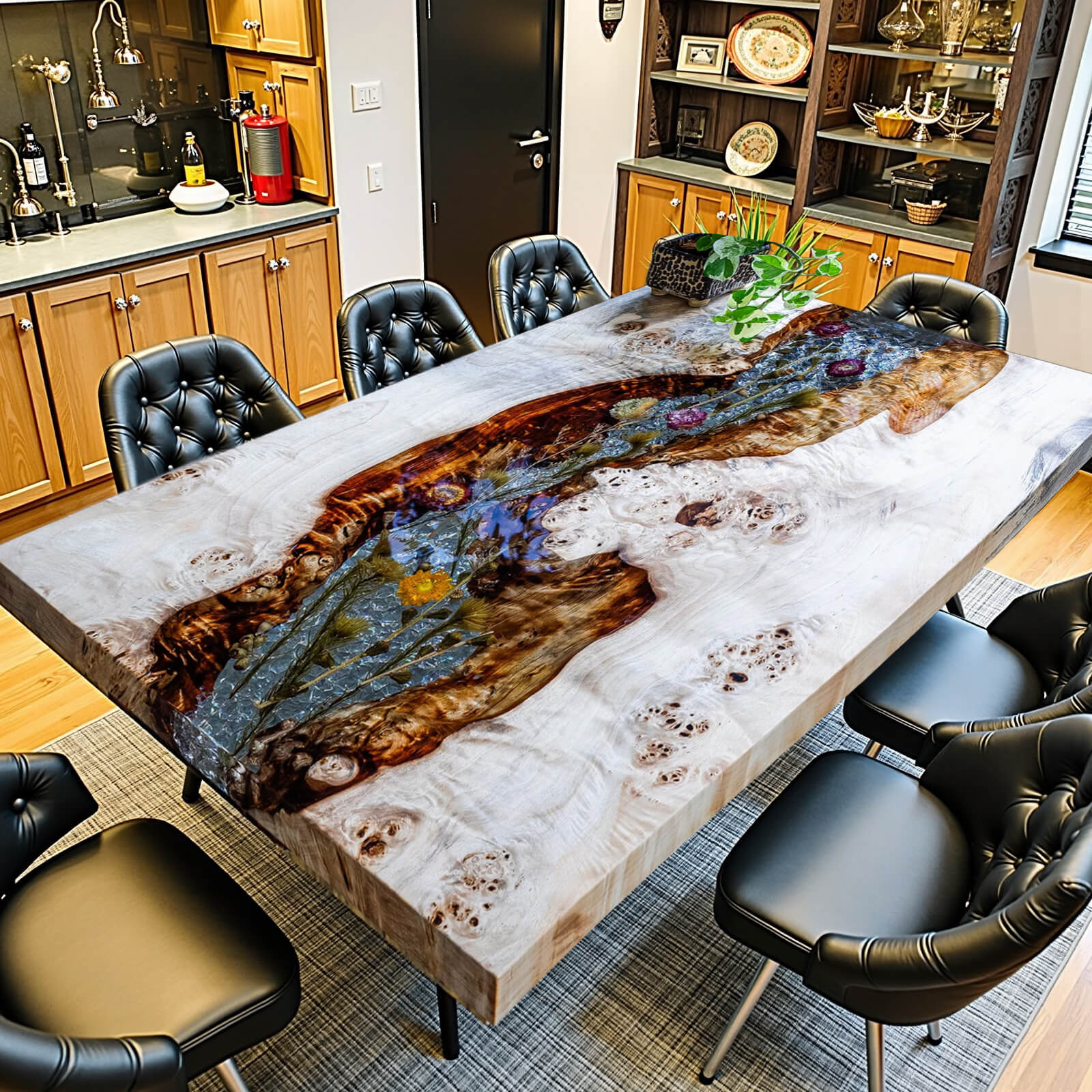
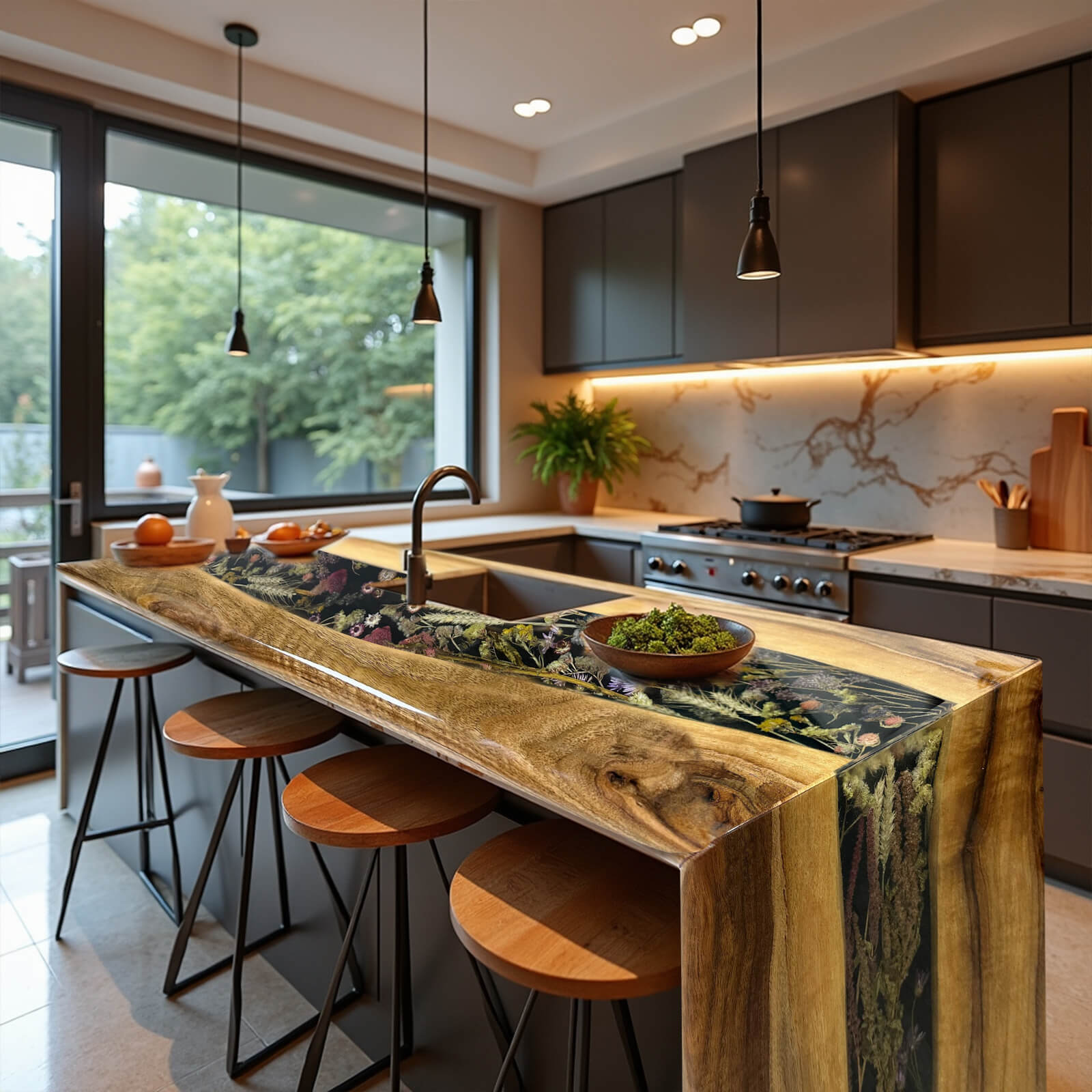
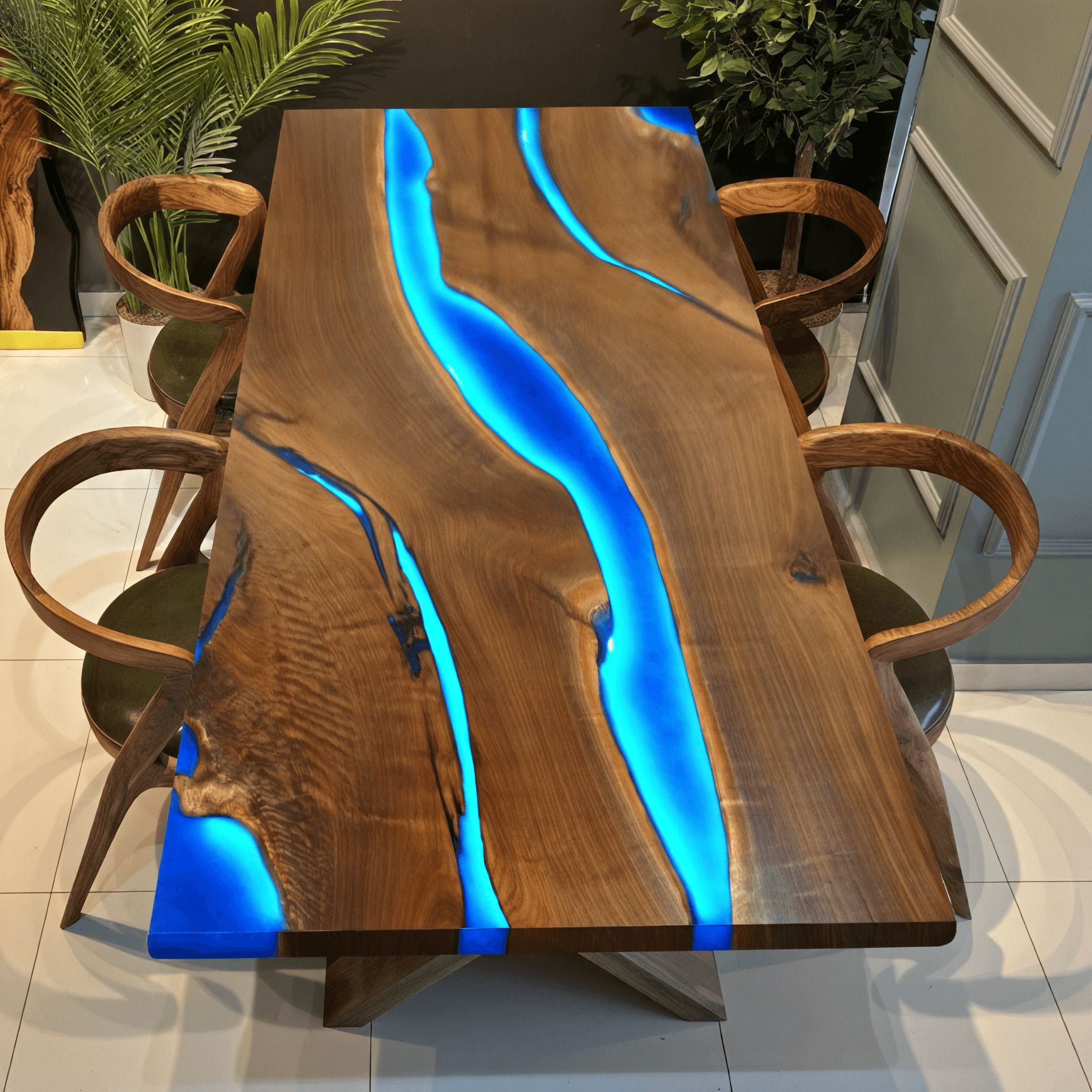




















For decades, shopping for furniture online followed a predictable process.
You searched.
You opened websites.
You compared products.
You read reviews.
You checked dimensions.
You made a decision.
But that process is changing.
Google is increasingly turning Search into a conversational shopping environment where shoppers can describe what they want in natural language, compare products, access richer product information, and increasingly interact with AI-assisted shopping experiences.
In 2026, Google has continued expanding AI Mode and agentic shopping capabilities. Google says AI Mode has surpassed one billion monthly users, while new shopping developments include Universal Cart, agentic checkout, conversational product discovery, and tools intended to help merchants appear in AI-driven shopping experiences.
So what does this mean if you're buying a coffee table, dining table, desk, or custom furniture?
It means the way you research furniture may become more conversational.
And that could be a major change.
Search Is Moving From Keywords to Questions

Traditional furniture search might look like:
“walnut coffee table”
Or:
“large epoxy dining table”
AI-assisted search makes it easier to ask something much closer to how people actually think:
“What coffee table works with a 100-inch cream sectional in a warm modern living room?”
Or:
“I need a dining table for eight people that works in a narrow room and doesn't look too traditional.”
These are much richer questions.
They contain context.
Dimensions.
Style.
Function.
Material.
And sometimes budget.
Google itself describes the shift toward more conversational searches and AI-powered shopping experiences.
This matters because furniture is highly contextual.
The best table for one home may be completely wrong for another.
AI Can Understand More Than a Product Name
Furniture shopping is not simply about finding an object.
It is about finding the right object for a particular situation.
Consider the difference between these two requests:
“coffee table”
and:
“a low-profile coffee table for a large sectional in a warm minimalist living room with a 9-by-12-foot rug.”
The second query provides far more useful information.
AI systems are increasingly designed to reason over this type of context.
That creates an opportunity for shoppers.
Instead of learning furniture terminology before searching, people can explain their problem naturally.
The system can then help translate that problem into product characteristics.
AI Shopping Agents Could Change the Research Process
One of the most significant developments is the emergence of agentic commerce.
Instead of AI simply giving you a list of links, shopping agents are increasingly being designed to help with tasks across the purchasing journey.
Google's Universal Cart is one example.
Google describes it as a shopping cart that can work across merchants and services, with capabilities for finding deals, tracking prices, and assisting with shopping tasks.
Google has also been developing agentic checkout and other shopping capabilities that can move consumers closer to completing a purchase through AI-assisted workflows.
For simple products, this could make shopping much faster.
But furniture presents a special challenge.
Furniture Is Harder Than Buying a Pair of Sneakers

Furniture requires more context.
A table may need to fit:
· a specific room
· a specific sofa
· a specific number of people
· a specific doorway
· a specific design style
· a specific budget
· a specific material preference
And unlike many small consumer products, furniture is difficult to return, move, or replace.
This means AI recommendations can be useful—but shoppers still need reliable product information.
Dimensions matter.
Materials matter.
Construction matters.
Shipping matters.
Customization matters.
And real-world photos matter.
Visual Search Is Also Changing Furniture Discovery
Text is not the only way people search.
Visual search is becoming increasingly important.
Google Lens, for example, allows users to search using images and identify products or visually similar items. Google has reported billions of visual searches monthly and significant shopping-related use of Lens.
Imagine seeing a coffee table in an interior-design video.
You don't know its name.
You don't know the designer.
You don't know the style.
Instead of trying to describe it with ten keywords, you can potentially start with the image.
That changes how consumers discover furniture.
The product photo itself becomes part of the search experience.
This Makes Furniture Photography More Important
When AI systems process product information, images, descriptions, specifications, and other structured data can all contribute to how products are understood.
For furniture brands, this means product imagery should communicate more than beauty.
It should communicate:
What is it?
What size is it?
What room does it belong in?
What materials are involved?
What style does it represent?
What makes it different?
A beautiful image with no contextual information may be less useful than a strong image supported by accurate product information.
AI Recommendations Make Product Transparency More Valuable
There is another consequence.
When consumers ask AI:
“Which table should I buy?”
they are effectively asking the system to summarize a decision.
That means vague product claims become less useful.
Specific information becomes more valuable.
For example:
Instead of:
“Premium quality table.”
More useful information might include:
· material
· dimensions
· finish
· customization options
· production process
· warranty
· shipping information
· expected use
· care requirements
The more clearly a product can be understood, the easier it becomes for both people and AI systems to evaluate.
Google has explicitly said that product descriptions and conversational attributes are becoming important for discovery in AI-driven commerce.
What Should Furniture Buyers Ask AI?

This is where AI shopping becomes genuinely useful.
Instead of asking:
“What's the best coffee table?”
Try:
“What size coffee table works with a 100-inch sectional?”
Or:
“What coffee table shape works best in a narrow living room?”
Or:
“How should a coffee table relate to an area rug?”
Or:
“What furniture materials work well with natural stone?”
These questions provide useful context.
They also encourage better decision-making.
AI Should Help Narrow the Choices—Not Replace Judgment
This is perhaps the most important point.
AI can help answer:
“Which type of table might work?”
But it cannot completely replace seeing and evaluating the physical object.
Furniture is physical.
You need to consider:
· surface feel
· actual proportions
· color under natural light
· material variation
· construction
· finish quality
This becomes especially important with natural materials.
A natural wood slab is not a standardized printed surface.
Its grain, figure, knots, and character can vary.
That individuality is part of the reason custom furniture remains different from algorithmically selected mass-market products.
Custom Furniture May Actually Benefit From AI Shopping
At first, AI shopping might seem better suited to standardized products.
But customization creates another opportunity.
A shopper can describe a problem:
“I need a dining table for eight people, but my room is only 11 feet wide. I want something contemporary, warm, and made from natural wood.”
That is not a simple product query.
It is a design problem.
AI can help the shopper translate that problem into:
· dimensions
· table shape
· materials
· style
· seating requirements
· possible finishes
The shopper can then work with a furniture maker to create the final piece.
That is a much more interesting future than simply asking AI:
“Show me tables.”
For customers interested in creating a piece around their own room and preferences, Design Your Own Epoxy Table provides a direct route from inspiration to customization.
What Happens to Traditional Furniture Search?

Traditional search is not disappearing.
But it is becoming one part of a larger system.
A consumer might:
1. See an inspiration image on Pinterest.
2. Use visual search to identify the style.
3. Ask AI for comparable furniture.
4. Compare dimensions.
5. Ask AI which material works best.
6. Check reviews and product information.
7. Compare prices.
8. Visit the furniture maker.
9. Customize the product.
10. Purchase.
The process becomes more fluid.
The search engine is no longer simply a directory.
It becomes part of the research process.
What Should You Look for When AI Recommends a Table?
Even if AI gives you a recommendation, use a checklist.
1. Dimensions
Does it actually fit your room?
2. Materials
Do you understand what the product is made from?
3. Construction
How is it assembled?
4. Customization
Can dimensions or finishes be adjusted?
5. Photography
Can you see the product clearly from multiple angles?
6. Shipping
How will a large furniture item reach your home?
7. Warranty
What happens if there is a manufacturing issue?
8. Real Customer Evidence
Are there genuine photos, reviews, or project examples?
AI can help narrow the field.
But the final decision should still be based on reliable information.
The Future of Furniture Shopping May Be More Conversational
The biggest change may not be that AI chooses furniture for you.
It may be that AI makes it easier to explain what you actually need.
Instead of learning the language of furniture before shopping, you can start with your situation.
“I have a large sectional.”
“My room is narrow.”
“I want something warm but contemporary.”
“I need seating for eight.”
“I want natural materials.”
Those details can become part of the search.
And that is particularly powerful for furniture because furniture is deeply connected to context.
What This Means for Your Next Furniture Purchase
The best approach is not to blindly trust AI.
Use it as a research assistant.
Ask better questions.
Compare options.
Check dimensions.
Research materials.
Look at real photos.
Understand the construction.
Then make the final decision based on the physical qualities and requirements of the furniture.
For shoppers who want to compare existing designs first, CREATEATABLE Best Sellers offers a starting point across different epoxy and natural-wood table designs.
And if you're specifically shopping for a living-room centerpiece, Epoxy Coffee Tables provides a more focused set of coffee-table options.
AI Can Recommend the Table. Your Home Still Has to Live With It.
That may be the most useful way to think about AI shopping.
AI can process information.
It can compare products.
It can understand increasingly complex questions.
It can help narrow thousands of options.
But furniture still exists in the physical world.
A table still has to fit through the doorway.
It still needs to work with the sofa.
You still have to live with its proportions.
You still see its surface every morning.
And you still touch it.
That is why the future of furniture shopping will probably combine both worlds:
AI for discovery and decision support.
Human judgment for the final choice.
As Google continues moving Search toward conversational and agentic shopping, furniture brands that provide clear, detailed, trustworthy information will become easier for both shoppers and AI systems to understand.
The technology may change how we find furniture.
But the reason we buy a great piece of furniture will remain remarkably physical.
We want something that fits.
Something that works.
Something that looks right.
And, increasingly, something that feels like it belongs in our home.