










For more than a decade, the smart home was presented as the inevitable future.
Smart speakers.
Connected refrigerators.
Voice-controlled lighting.
Automated blinds.
App-controlled thermostats.
Screens everywhere.
But in 2026, an unexpected countertrend is emerging: the dumb home.
The term sounds negative, but it isn't.
A “dumb home” simply describes a home where not everything is connected, automated, or controlled through an app.
Instead, homeowners are deliberately bringing back physical controls, analog objects, screen-free spaces, books, record players, writing desks, mechanical switches, and tactile furniture.
Vogue recently highlighted this movement as a response to increasing digital stimulation, describing homeowners and designers who are intentionally simplifying technology inside the home.
So why are people surrounded by more technology than ever—and simultaneously asking their homes to contain less of it?
The Smart Home Has a Fatigue Problem

Smart technology was supposed to make life easier.
Sometimes it does.
But every connected device creates another layer of interaction.
Another application.
Another notification.
Another password.
Another update.
Another system that may eventually stop being supported.
The result is a strange contradiction.
The technology designed to simplify life can sometimes make the home feel like another digital environment.
That has helped create interest in smart home fatigue.
Instead of asking:
“What else can my home automate?”
Some homeowners are asking:
“What can my home stop doing?”
That is the philosophical foundation of the dumb home trend.
What Is an Analog Home?

An analog home isn't necessarily technology-free.
It is a home where technology doesn't dominate the experience.
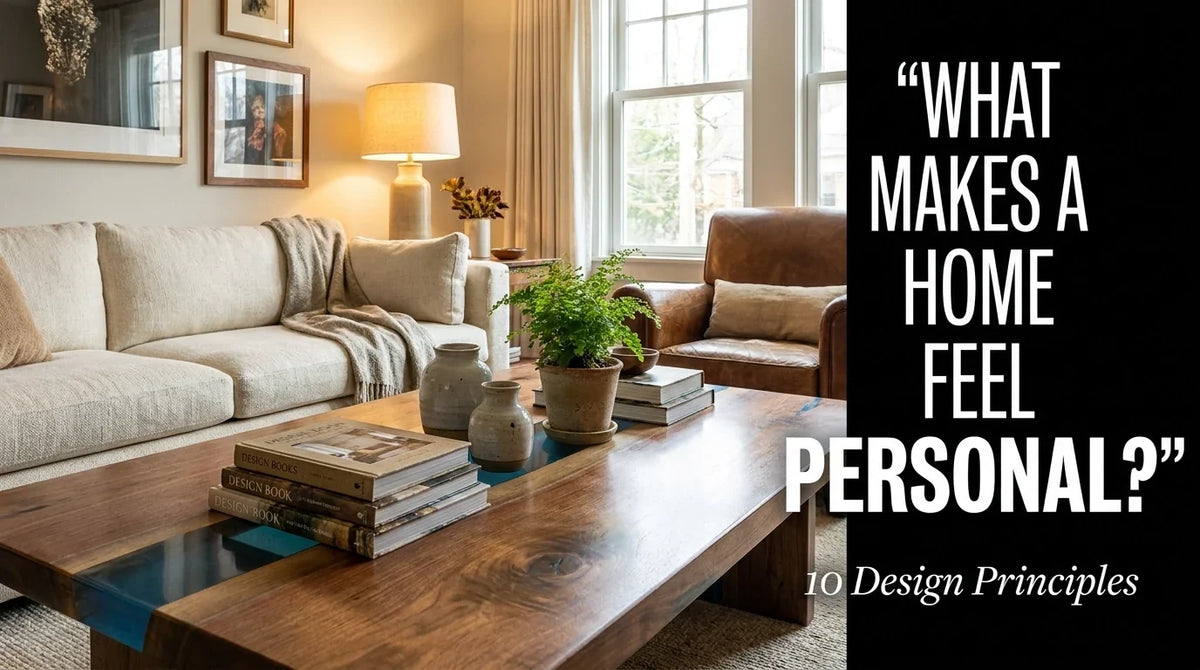
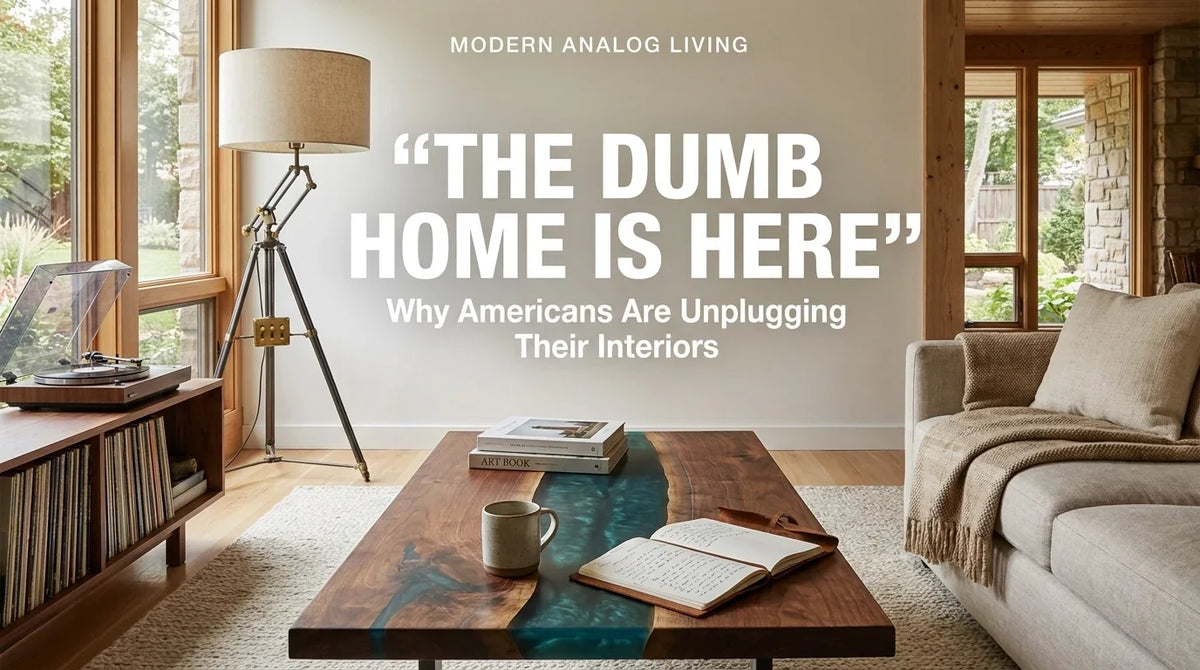
A living room might contain a television, but the main visual focus could still be a coffee table, sofa, artwork, books, and conversation.
A kitchen might contain smart appliances while still using traditional physical controls.
A bedroom might have Wi-Fi but intentionally exclude screens.
The objective is not technological rejection.
It is technological balance.
This is why analog rooms are becoming an interesting design concept.
They are spaces intentionally designed around activities such as:
· reading
· conversation
· music
· writing
· games
· crafts
· cooking
· relaxation
Good Housekeeping has similarly described analog rooms as spaces designed to encourage connection and screen-free interaction rather than constant digital stimulation.
Why Real Furniture Matters in an Analog Home

Here is where furniture becomes surprisingly important.
Digital experiences are intangible.
Furniture is physical.
You touch it.
Move around it.
Sit beside it.
Use it every day.
That makes furniture an ideal counterbalance to digital life.
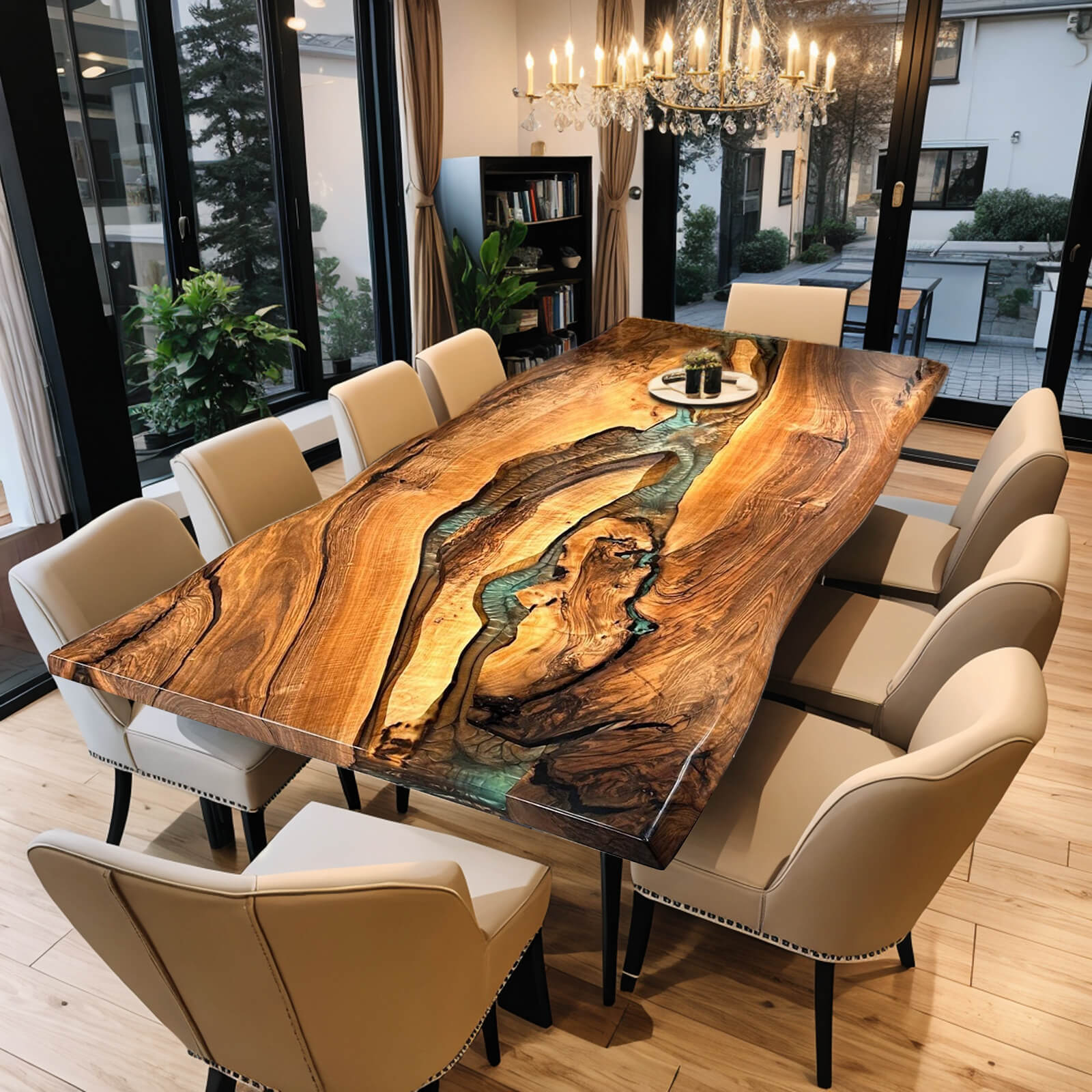
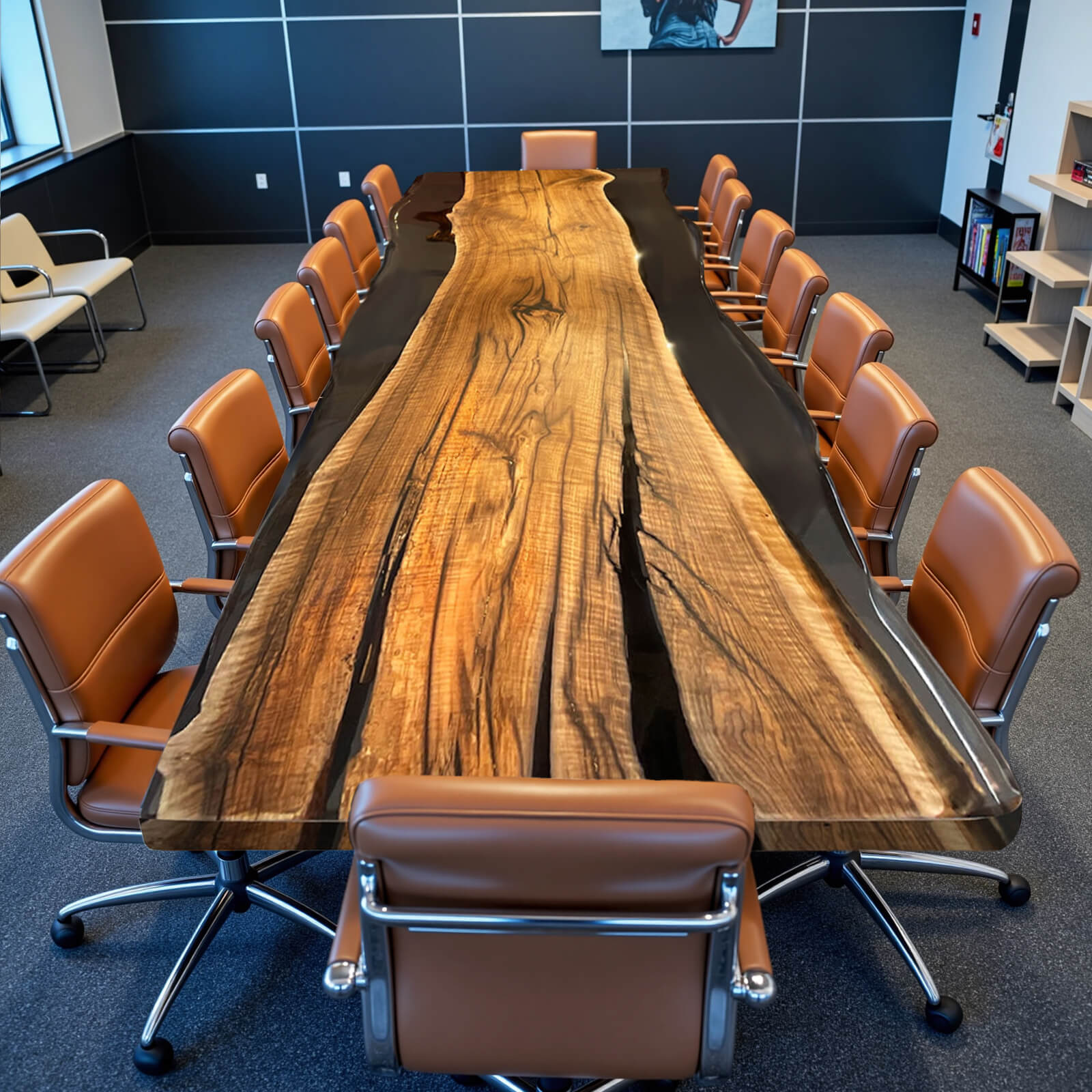
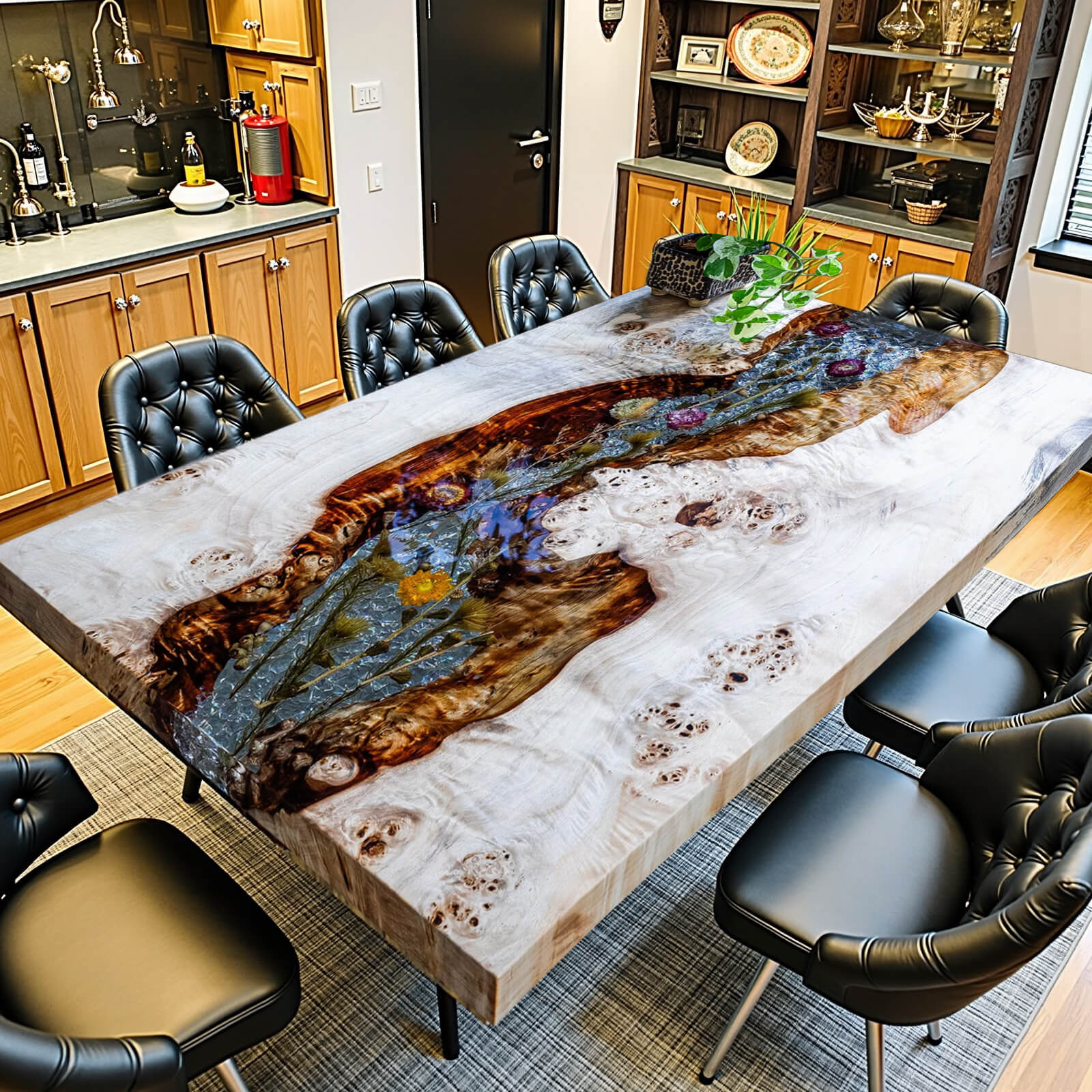
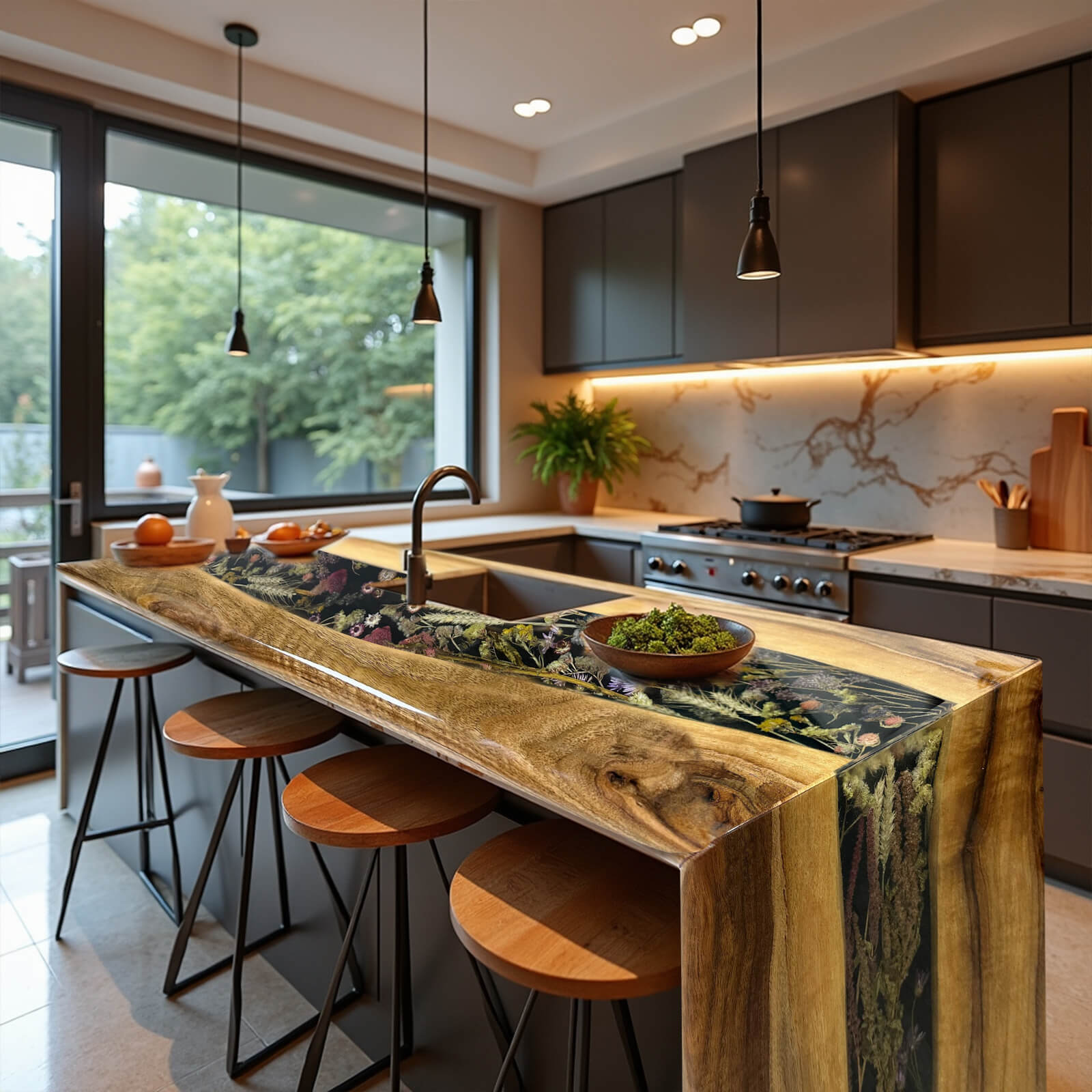
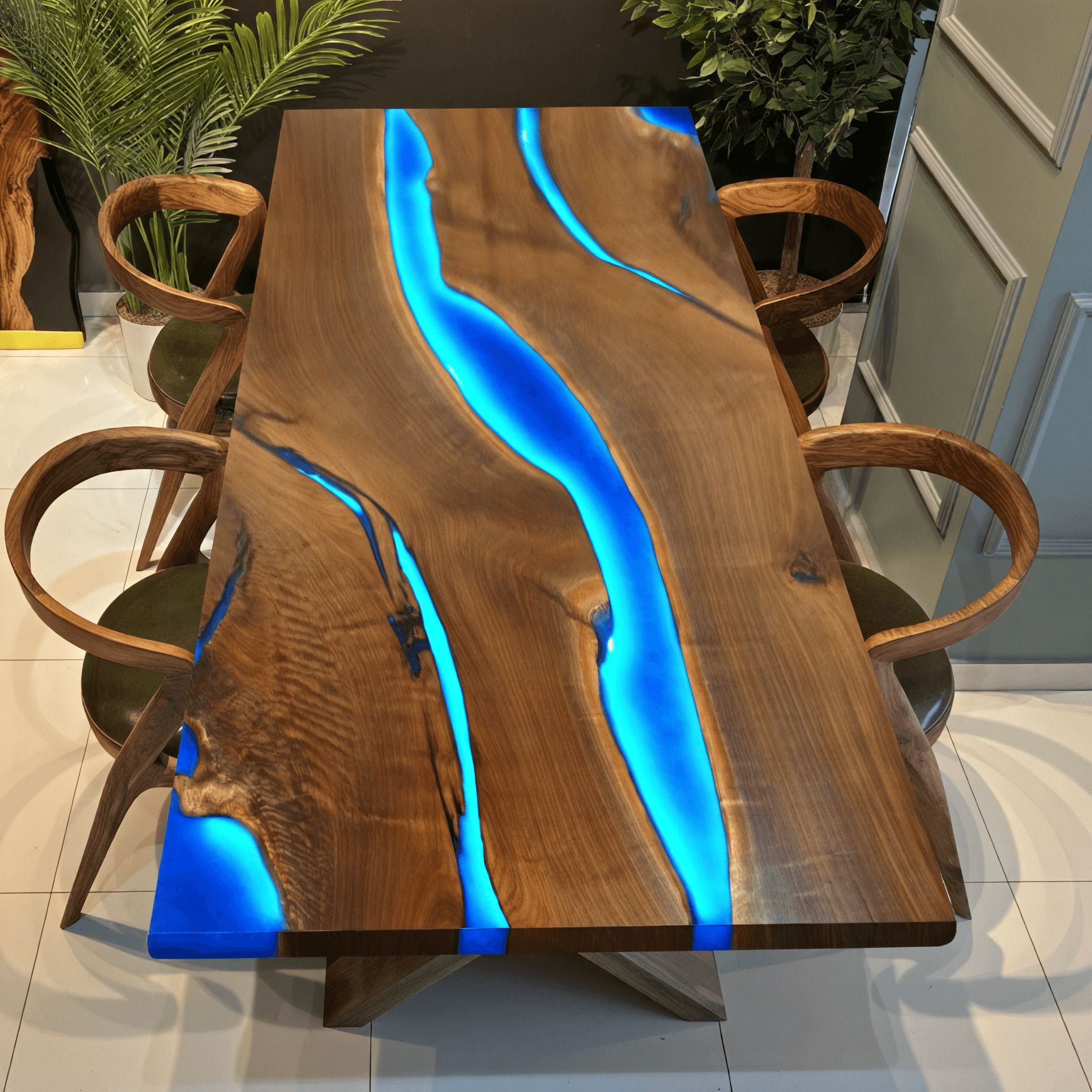
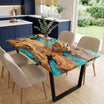
A solid wood table has visual and physical presence.
You can see the grain.
You can feel the surface.
You can notice changes in natural light.
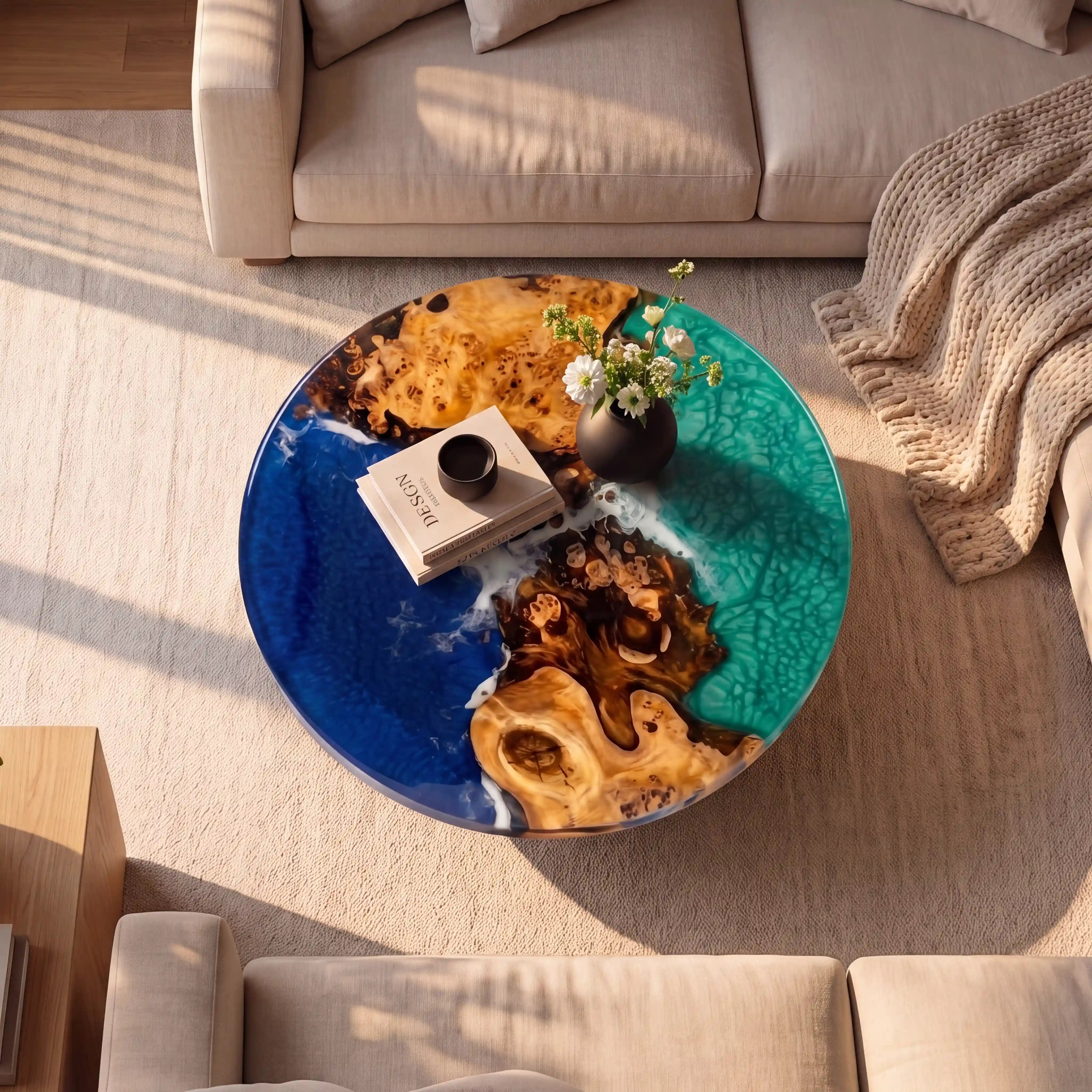
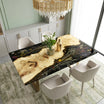
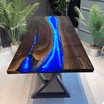
When epoxy resin is incorporated into the design, the contrast between organic wood and engineered material becomes even more visible.
It creates an object that feels simultaneously natural and contemporary.
The Return of Tactile Design

The broader movement can be described as tactile design.
Instead of relying exclusively on color or decoration, tactile interiors use materials that create sensory variation.
Think:
· wood grain
· linen
· wool
· stone
· leather
· ceramic
· brushed metal
· natural plaster
Furniture becomes part of that sensory experience.
A smooth manufactured table may visually disappear into a room.
A natural slab table can become something you notice.
This is especially relevant as homeowners spend more time trying to create restorative environments.
Why Natural Wood Works So Well
Natural wood has an advantage that technology cannot easily reproduce: variation.
Every slab is different.
Grain direction changes.
Color changes.
Growth patterns vary.
Edges aren't perfectly identical.
That visual individuality is increasingly attractive in a culture saturated with digital repetition.
The irony is interesting.
AI can generate endless images of beautiful furniture.
Mass production can create thousands of identical objects.
But a natural wood slab remains physically specific.
Its irregularities are part of what makes it recognizable.
That connects the dumb home trend with the broader movement toward natural materials and handmade furniture.
Analog Does Not Mean Old-Fashioned

One mistake would be to interpret the dumb home as nostalgia for the 1970s.
The modern analog home can be extremely sophisticated.
Imagine:
A contemporary architecture.
Dark walnut furniture.
Minimal lighting.
A sculptural epoxy table.
A record player.
A physical library.
A linen sofa.
A few pieces of artwork.
No unnecessary screens.
That is not retro.
It is contemporary design with technology intentionally placed in the background.
The Furniture Becomes the Interface

There is another way to think about the dumb home.
In a smart home, technology becomes the interface.
In an analog home, furniture becomes the interface.
The dining table creates a reason to gather.
The coffee table creates a place for books and conversation.
The desk creates a physical zone for writing or working.
The console becomes an arrival point.
The bookshelf creates an environment for reading.
Furniture organizes behavior without requiring an application.
That may be one reason the trend feels surprisingly modern.
How to Create Your Own Analog Room
You don't need to redesign your entire home.
Start with one room.
Remove unnecessary screens.
Add physical activities.
Create a comfortable seating arrangement.
Use warm layered lighting.
Introduce natural materials.
Add books or music.
Most importantly, create a physical centerpiece.
A coffee table or side table made from natural wood can become that anchor.
If you want a completely individualized piece, Design Your Epoxy Table lets you begin with your preferred dimensions, wood direction, and design concept.
For a more immediate option, CREATEATABLE's Best Sellers offers existing designs that demonstrate how wood and resin can become a central architectural element rather than simply another accessory.
The Bigger Meaning of the Dumb Home

The dumb home trend isn't really about hating technology.
It is about deciding where technology belongs.
A refrigerator can be smart.
A thermostat can be connected.
A speaker can be wireless.
But the home itself doesn't need to feel like a computer.
As digital experiences become increasingly sophisticated, physical experiences may become more valuable precisely because they are physical.
A wooden table cannot send a notification.
It doesn't need an update.
It doesn't need an account.
It simply exists.
And perhaps that is exactly what makes it appealing.
Final Thought
The dumb home may actually represent a smarter approach to interior design.
Not less technology.
Better boundaries.
Not nostalgia.
Intentionality.
Not rejection of modern life.
A deliberate return to physical experiences.
And in that environment, real furniture—especially furniture made from natural materials—becomes more than decoration.
It becomes part of the reason to stay offline.