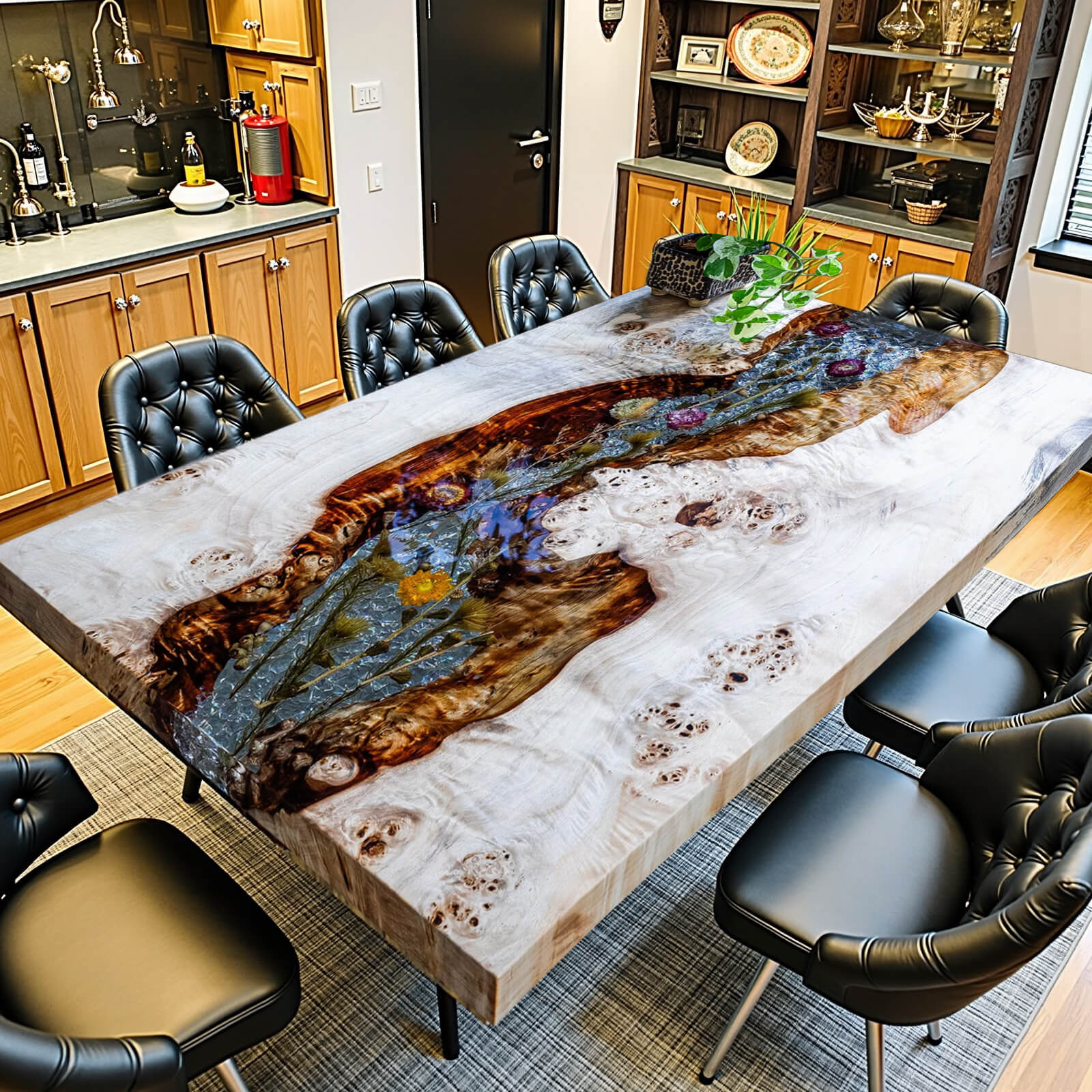
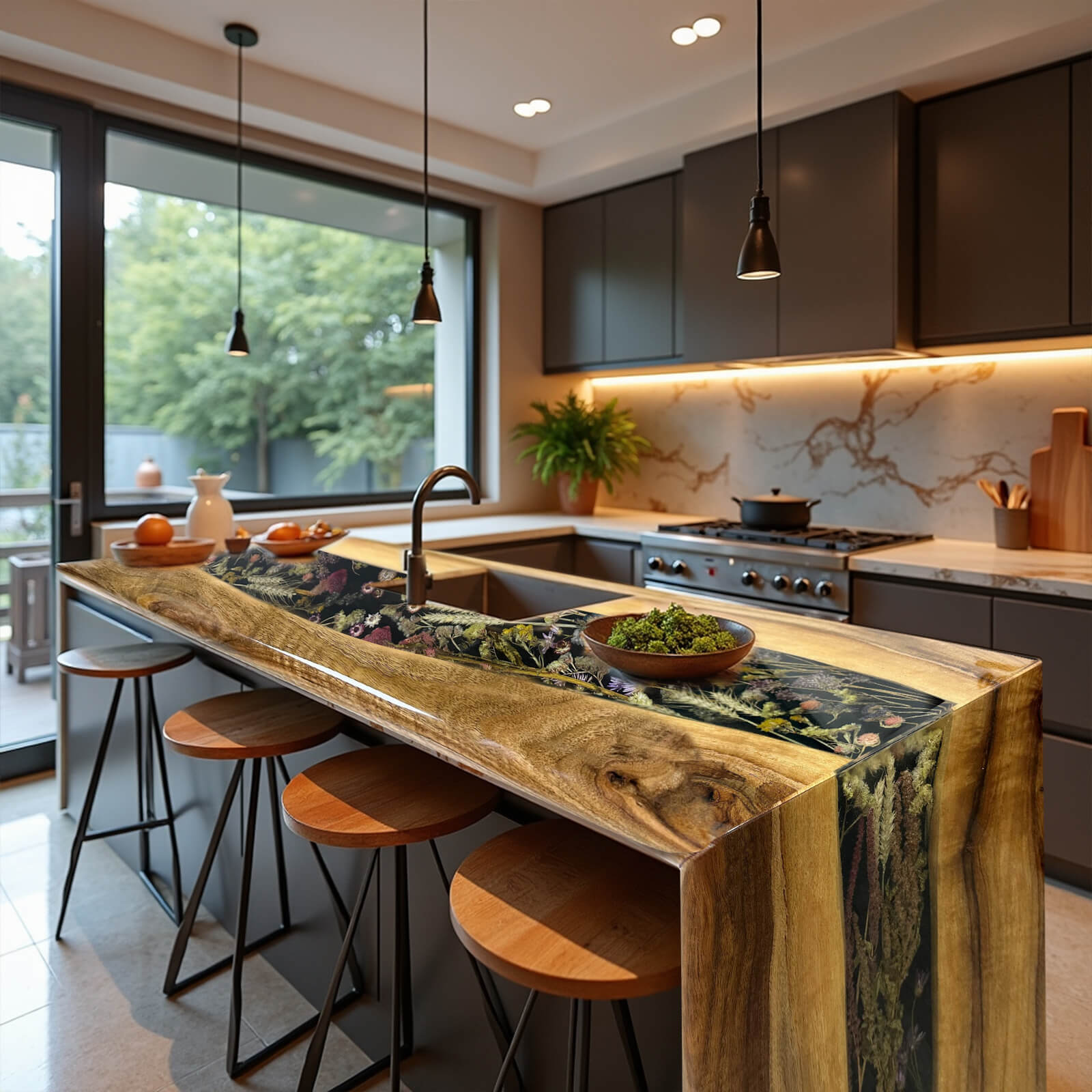
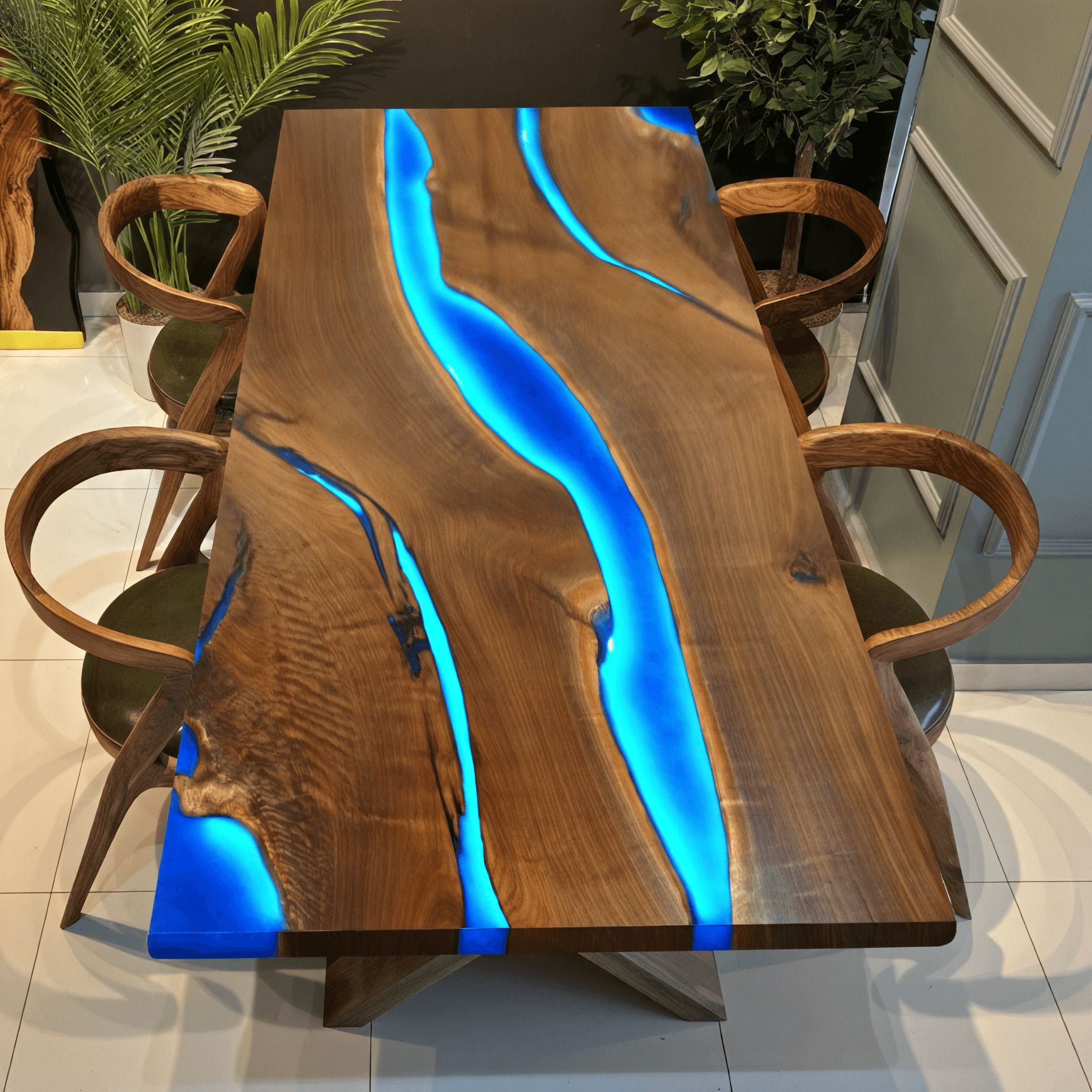








A dining table can cost $500 or $5,000—or considerably more.
But price alone does not determine whether a table actually looks expensive.
Interior designers tend to notice something else: proportion, material, construction, finish, and the small decisions that most people only recognize subconsciously.
That is why an expensive table can sometimes look ordinary, while a thoughtfully designed table can immediately make a dining room feel more sophisticated.
In 2026, this distinction matters even more. Current furniture trends are moving toward craftsmanship, natural materials, sculptural forms, individuality, and pieces designed to last rather than disposable trend furniture.
So what actually makes a dining table feel expensive?
Here are nine details interior designers notice first.
1. The Proportions Feel Right

The first thing designers notice is often the thing homeowners notice without realizing it: proportion.
A dining table can have beautiful materials and still look inexpensive if the dimensions feel wrong.
The tabletop may be too thin.
The legs may be too delicate for the size of the top.
The base may be visually disconnected from the surface.
Or the table may simply be too large or too small for the room.
Luxury furniture tends to feel intentional.
Every dimension appears to have a reason.
The thickness of the top relates to its length. The base supports the visual weight. The amount of space around the table feels comfortable.
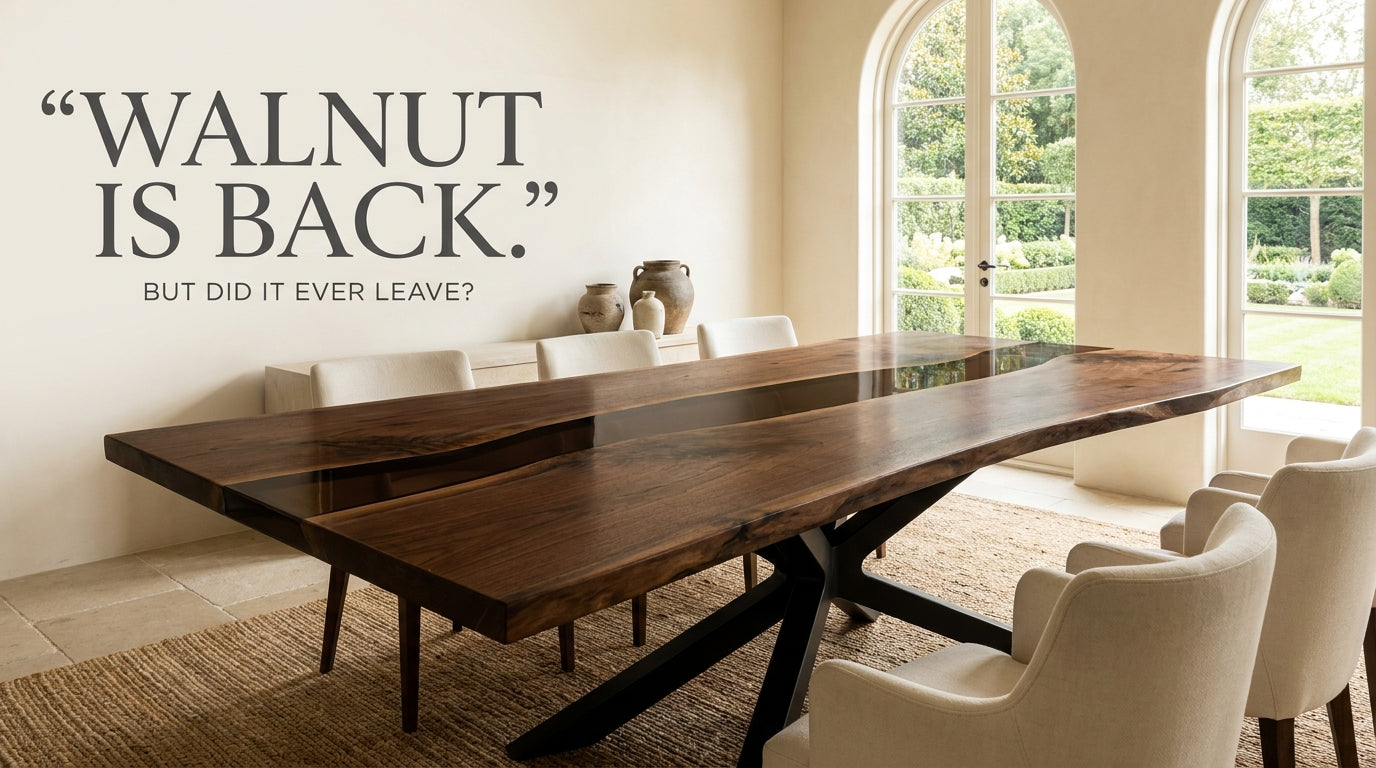
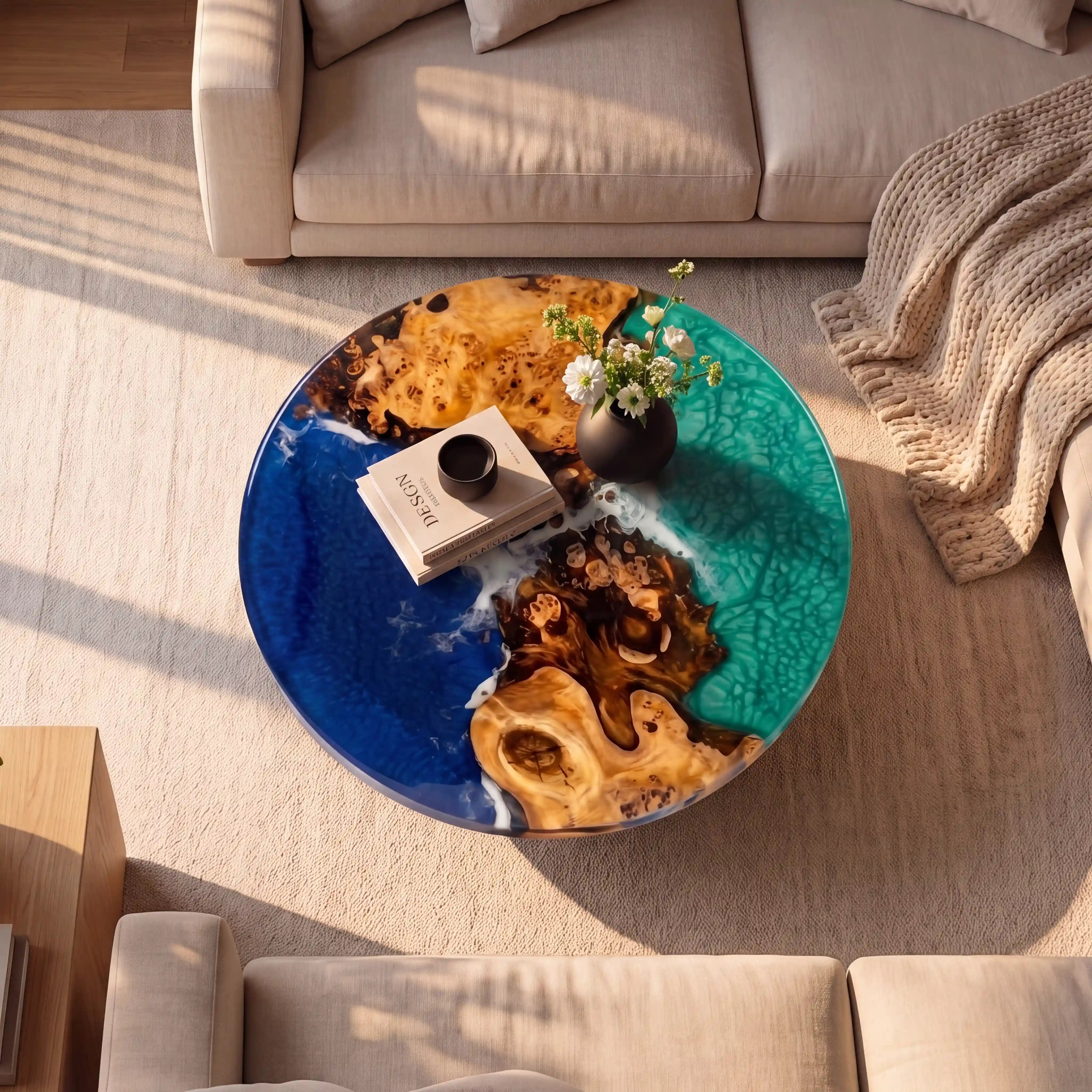
This is particularly important with statement dining tables, where the table itself becomes one of the primary architectural elements in the room.
2. The Material Looks Real
Nothing makes furniture look cheaper faster than a material that appears artificial.
This is why natural wood remains so powerful.
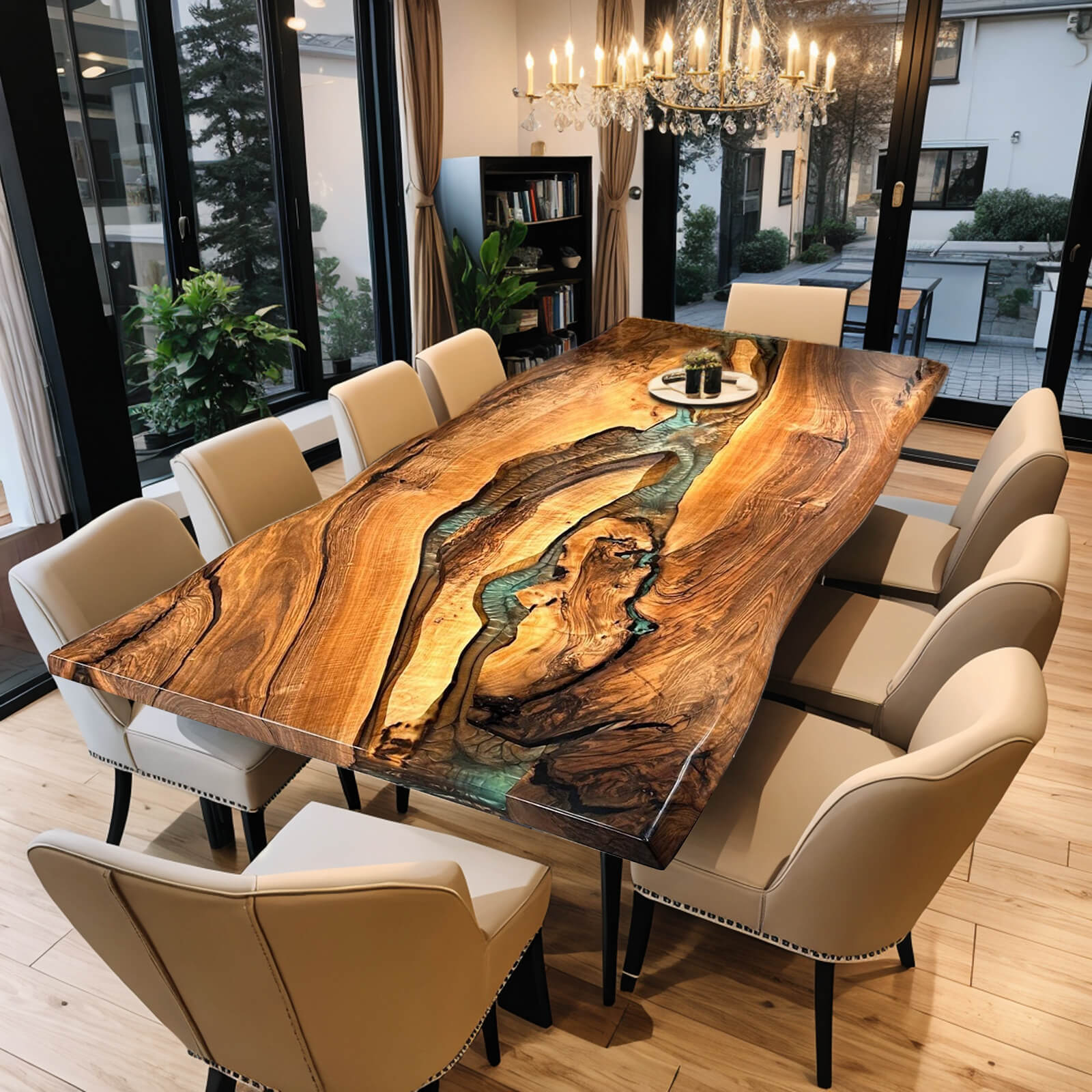
Real wood has variation.
The grain changes direction.
Color is rarely perfectly uniform.
Small mineral marks and natural characteristics may appear across the surface.
These variations create visual depth.
In 2026, designers are increasingly emphasizing natural materials and visible craftsmanship as consumers move toward furniture with more personality and longevity.
A convincing wood table should not look like a photograph printed onto a surface.
It should look like a material.
That difference is subtle—but extremely important.
3. The Wood Grain Has a Relationship With the Design
High-end furniture does not simply contain beautiful wood.
The design often works with the wood.
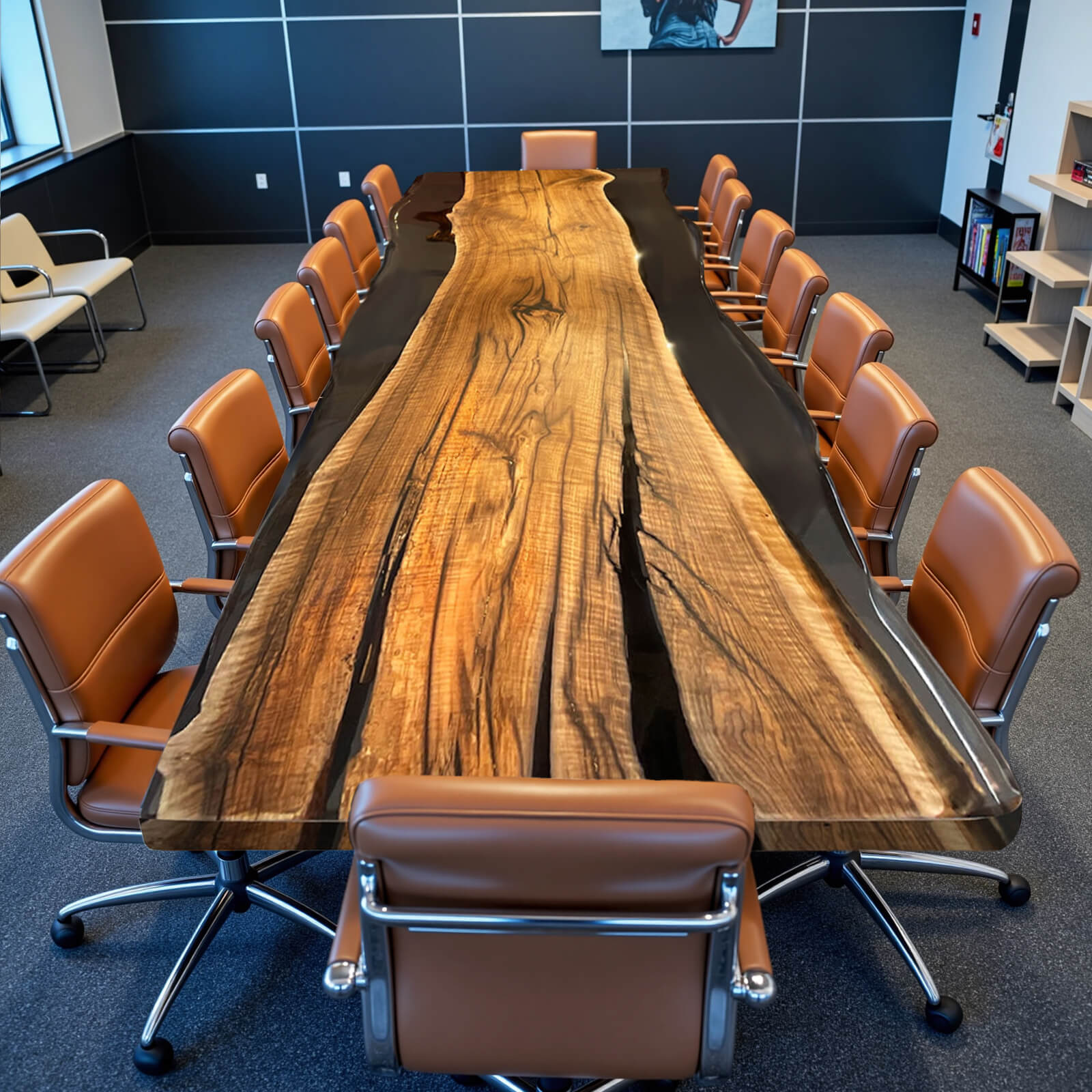
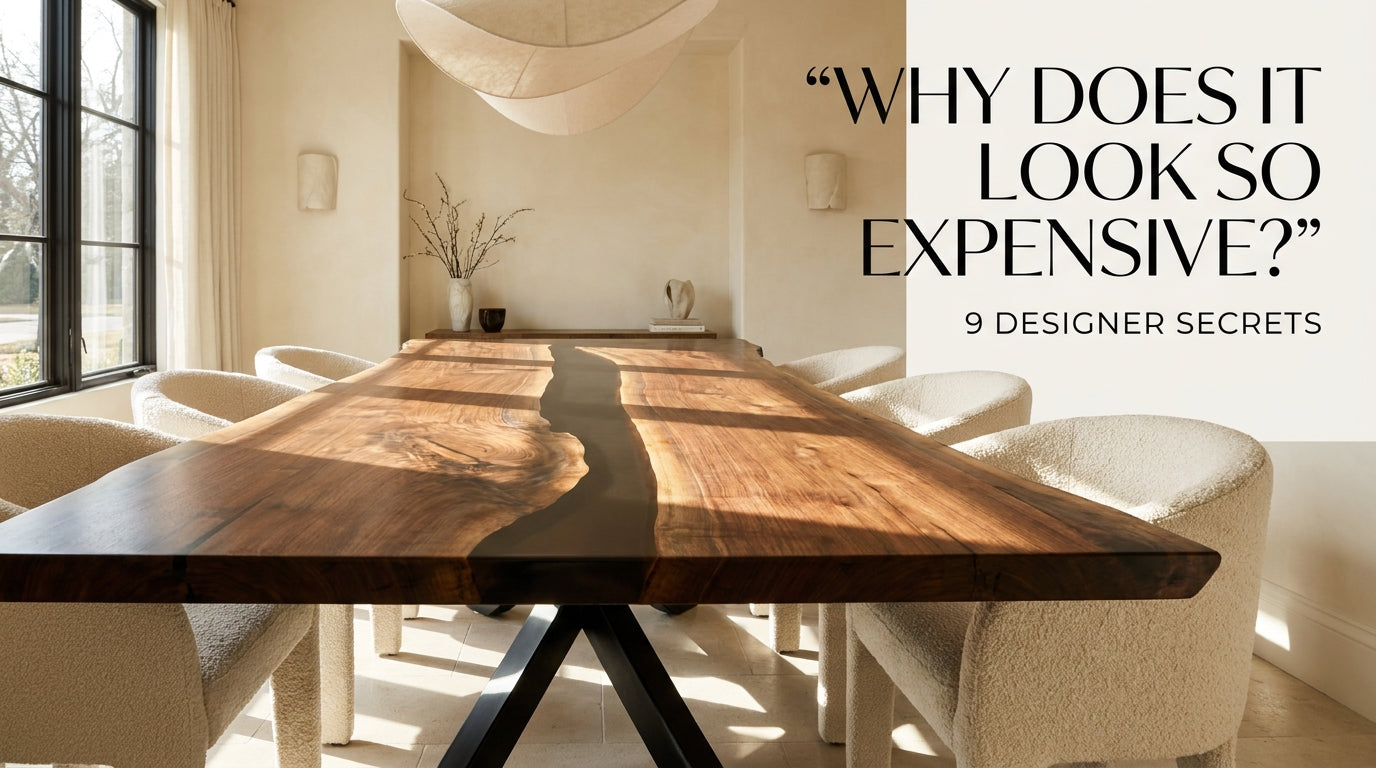
The grain may be positioned to emphasize the length of the table. A bookmatched arrangement can create symmetry. A live-edge slab can preserve an organic contour. A carefully selected board can become the visual centerpiece.
This is one reason custom furniture can feel fundamentally different from mass-produced furniture.
Instead of designing the table first and fitting generic materials into it, the material itself can influence the final design.
The result feels integrated.
4. The Edge Profile Is Subtle

The edge of a dining table is easy to overlook.
Designers do not.
A perfectly square edge can communicate modern precision.
A softly eased edge can make a thick tabletop feel lighter.
A chamfer can create a controlled shadow line.
A live edge can emphasize the organic identity of the wood.
The important point is restraint.
Luxury rarely needs unnecessary decoration.
The edge should complement the material and overall proportions rather than compete with them.
5. The Base Looks Architectural
A table base is not merely something that holds the tabletop up.
It is part of the design.
In recent furniture trends, sculptural and organic bases have become increasingly popular because they make tables feel more like architectural objects.
That does not necessarily mean the base has to be complicated.
A simple pedestal can be extremely sophisticated.
A pair of precisely engineered legs can feel architectural.
A black metal structure can create contrast against natural wood.
The key is visual balance.
A high-end table usually looks like the top and base were designed as one object.
6. The Finish Doesn’t Try Too Hard
One of the most misunderstood aspects of luxury furniture is shine.
More shine does not automatically mean more expensive.
In many contemporary interiors, a refined matte or satin finish can communicate quality more effectively than a highly glossy surface.
Why?
Because subtle finishes allow the material to remain visible.
You can still see the grain.
You can still see variation.
The surface looks tactile rather than plastic.
This fits into the broader movement toward tactile interiors, where designers use texture and material variation to create depth instead of relying exclusively on color or ornament.
7. The Table Has Visual Weight

There is a difference between being large and having presence.
A table with visual weight feels substantial even when its physical dimensions are relatively modest.
This can come from:
· a thick tabletop
· rich wood color
· a strong base
· controlled proportions
· natural grain
· sculptural geometry
This is particularly important in an open-plan home.
A dining table often needs to visually hold its own against a kitchen island, pendant lighting, flooring, and surrounding furniture.
The best pieces do not simply occupy space.
They anchor it.
8. It Doesn’t Look Like a Matching Furniture Set
This is one of the biggest differences between contemporary luxury and traditional showroom furniture.
A room does not necessarily look more expensive because every piece matches.
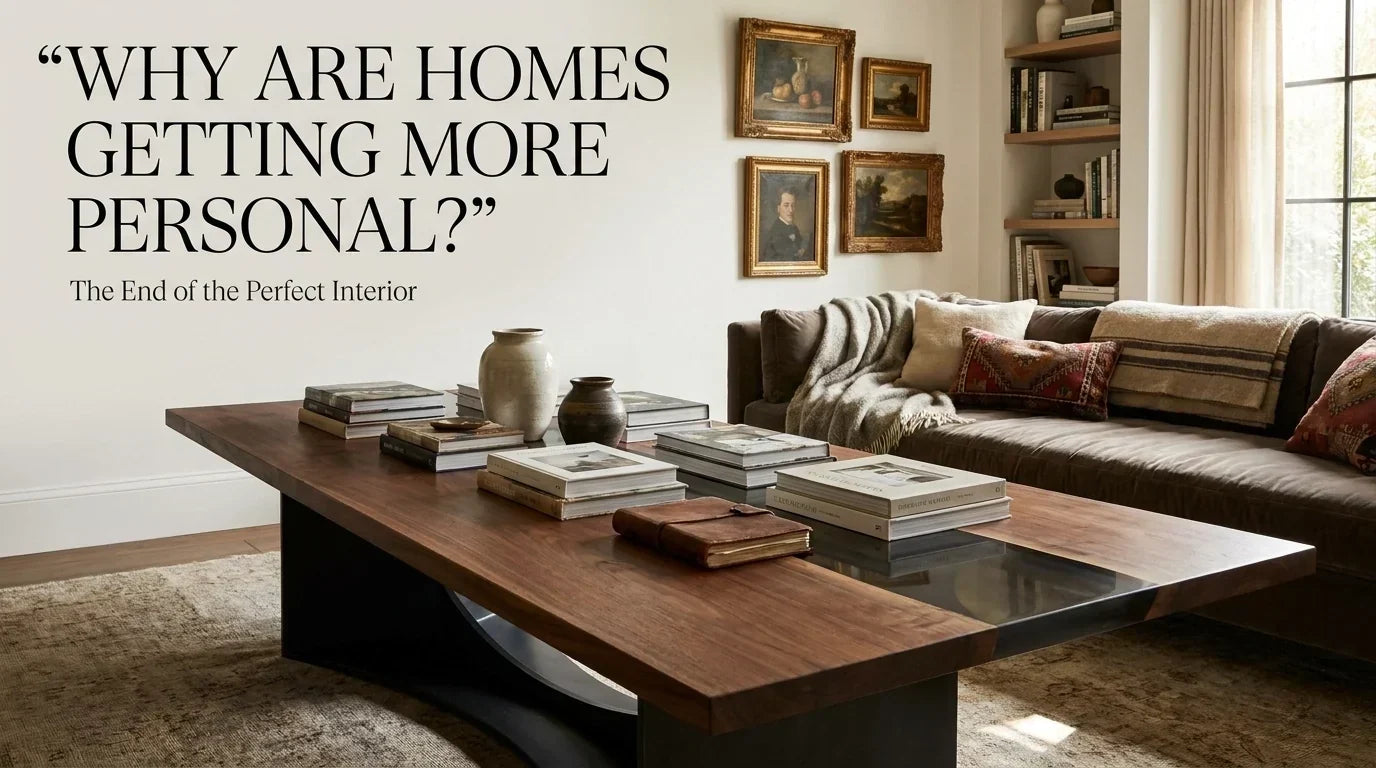
In fact, designers increasingly favor a collected interior where different materials, eras, and textures coexist.
A sophisticated dining room might combine:
· a contemporary walnut table
· vintage dining chairs
· modern lighting
· an antique artwork
· a textured rug
· natural stone
· handmade ceramics
This creates visual tension.
The room feels assembled over time rather than purchased from one catalog.
Current design coverage is highlighting exactly this shift toward personalized, lived-in spaces and away from overly coordinated interiors.
9. You Can Imagine Owning It for 20 Years
Perhaps the strongest indicator of expensive-looking furniture is longevity.
Trendy furniture tries to impress you immediately.
Timeless furniture continues to make sense years later.
This is especially important for a dining table because it is one of the few pieces of furniture used almost every day while also remaining visible in the room.
Recent design advice increasingly treats dining tables as investment furniture because a well-made table can become a multi-generational piece rather than something replaced every few years.
That changes how you should evaluate one.
Instead of asking:
“Is this table trendy?”
Ask:
“Will I still want this table when my interior changes?”
A restrained silhouette, honest material, strong construction, and thoughtful proportions usually have a much better chance of surviving changing trends.
So, What Actually Makes a Dining Table Feel Expensive?
It is rarely one spectacular feature.
It is the combination.
A premium dining table usually has:
1. Correct proportions
2. Authentic materials
3. Intentional grain selection
4. A refined edge profile
5. A well-designed base
6. A sophisticated finish
7. Strong visual presence
8. Individuality rather than showroom uniformity
9. Long-term design value
None of these requires excessive decoration.
In fact, the opposite is often true.
The most convincing luxury furniture tends to be confident enough to let its materials and construction speak for themselves.
That is why a solid walnut table with a restrained silhouette can sometimes feel more luxurious than a heavily decorated table covered in unnecessary details.
The goal is not to make a dining table look expensive.
The goal is to make the quality obvious.
The New Definition of Luxury Dining Furniture
The meaning of luxury furniture is changing.
For years, luxury could be communicated through size, ornamentation, recognizable design styles, or expensive finishes.
Today’s luxury is increasingly about something quieter:
authentic materials, craftsmanship, individuality, comfort, and longevity.
That shift is particularly visible in dining rooms.
People are not only buying tables to fill an empty space.
They are buying the place where family dinners happen, where friends gather, where holidays are celebrated, where conversations continue long after the meal is finished.
A great dining table therefore has to do more than photograph well.
It has to live well.
And perhaps that is the clearest definition of expensive-looking furniture:
It feels like something worth keeping.
Find a Table Worth Gathering Around
A dining table should do more than fill a room. The right combination of material, proportion, craftsmanship, and design can turn it into the visual and social centerpiece of your home.
If you're looking for a dining table that combines natural wood character with distinctive epoxy design, explore CREATEATABLE's most popular pieces and see which style fits your space.
→ Explore Our Best Sellers
Explore Our Best Sellers