







For years, the ideal American interior seemed to follow a familiar formula: neutral walls, coordinated furniture, carefully styled shelves, perfectly matched accessories, and a room that looked ready for a real-estate listing at any moment.
But something is changing.
In 2026, interior design is moving toward spaces that feel lived-in, personal, tactile, and emotionally specific rather than universally attractive. Designers are increasingly embracing individuality, unusual combinations, meaningful objects, vintage pieces, handcrafted materials, and furniture that looks as though it belongs to a particular person rather than an anonymous showroom.
Architectural Digest recently described this broader shift as “good taste” becoming more individualistic and less predictable, with homeowners increasingly valuing emotional connection and personal expression over conventional markers of style.
So why are American homes starting to look less perfect?
The answer has less to do with decoration—and more to do with identity.
The Problem With the Perfect Interior
A perfectly coordinated room is easy to understand.
Every piece matches. Every color is controlled. Every object has an obvious purpose.
The problem is that perfect interiors can also become interchangeable.
Scroll through enough home-design content and you may notice something strange: thousands of homes begin to resemble one another. The same sofas, the same coffee tables, the same neutral rugs, the same wall art, and the same carefully arranged accessories appear again and again.
This is one reason the rise of personalized interiors feels so significant.
People are no longer asking only:
“Does this room look good?”
They are increasingly asking:
“Does this room look like me?”
That is a very different design question.
From Trend-Driven Design to Personal Design

Social media made interior design more accessible than ever.
Pinterest, Instagram, TikTok, and home-design platforms allow homeowners to discover ideas instantly. But the same systems that make inspiration accessible can also accelerate visual repetition.
A trend becomes popular.
Thousands of people copy it.
The trend becomes recognizable.
Eventually, it stops feeling personal.
The response is not necessarily to reject trends completely. Instead, homeowners are beginning to combine trends with objects that have individual meaning.
A modern sofa might sit next to an antique cabinet.
A minimalist room might contain an expressive piece of artwork.
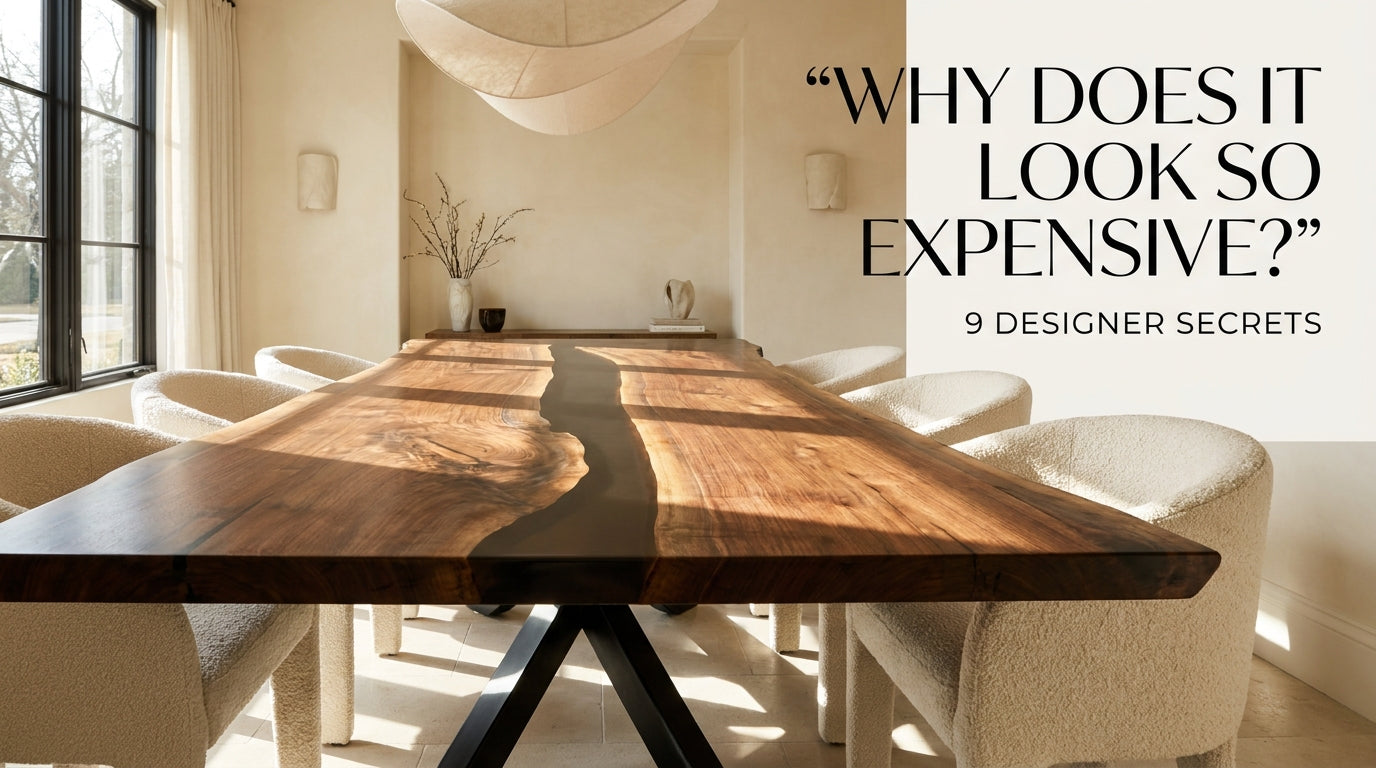
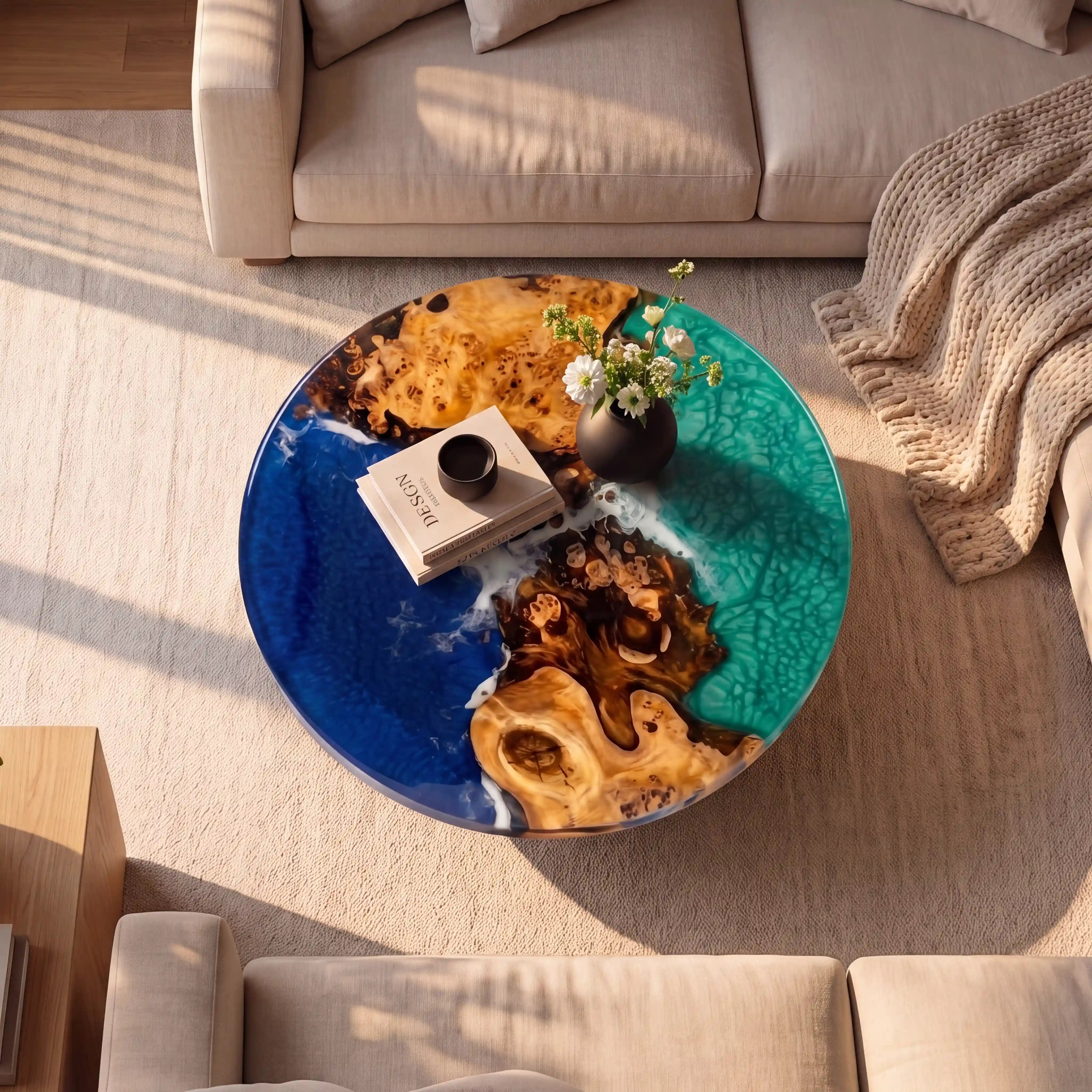
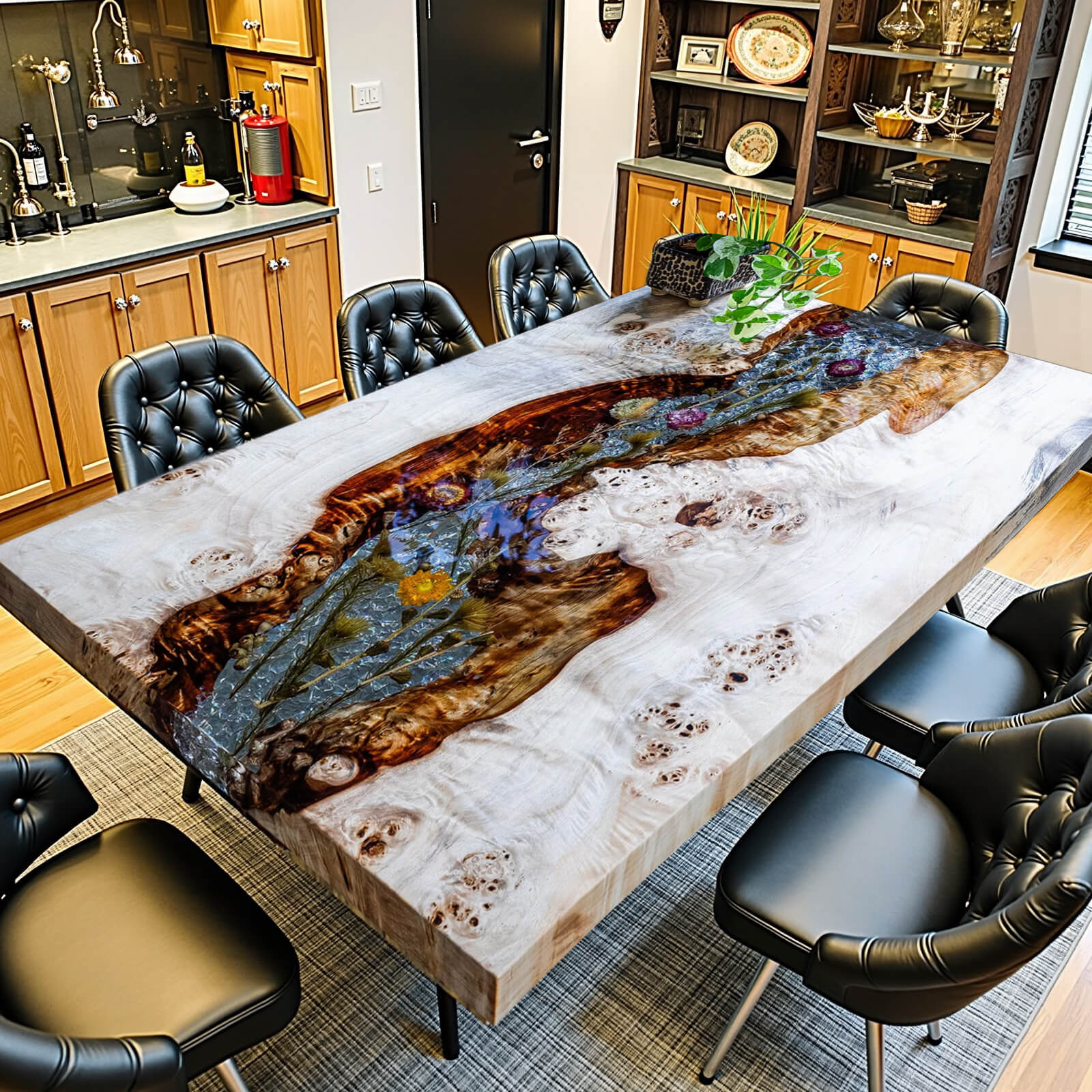
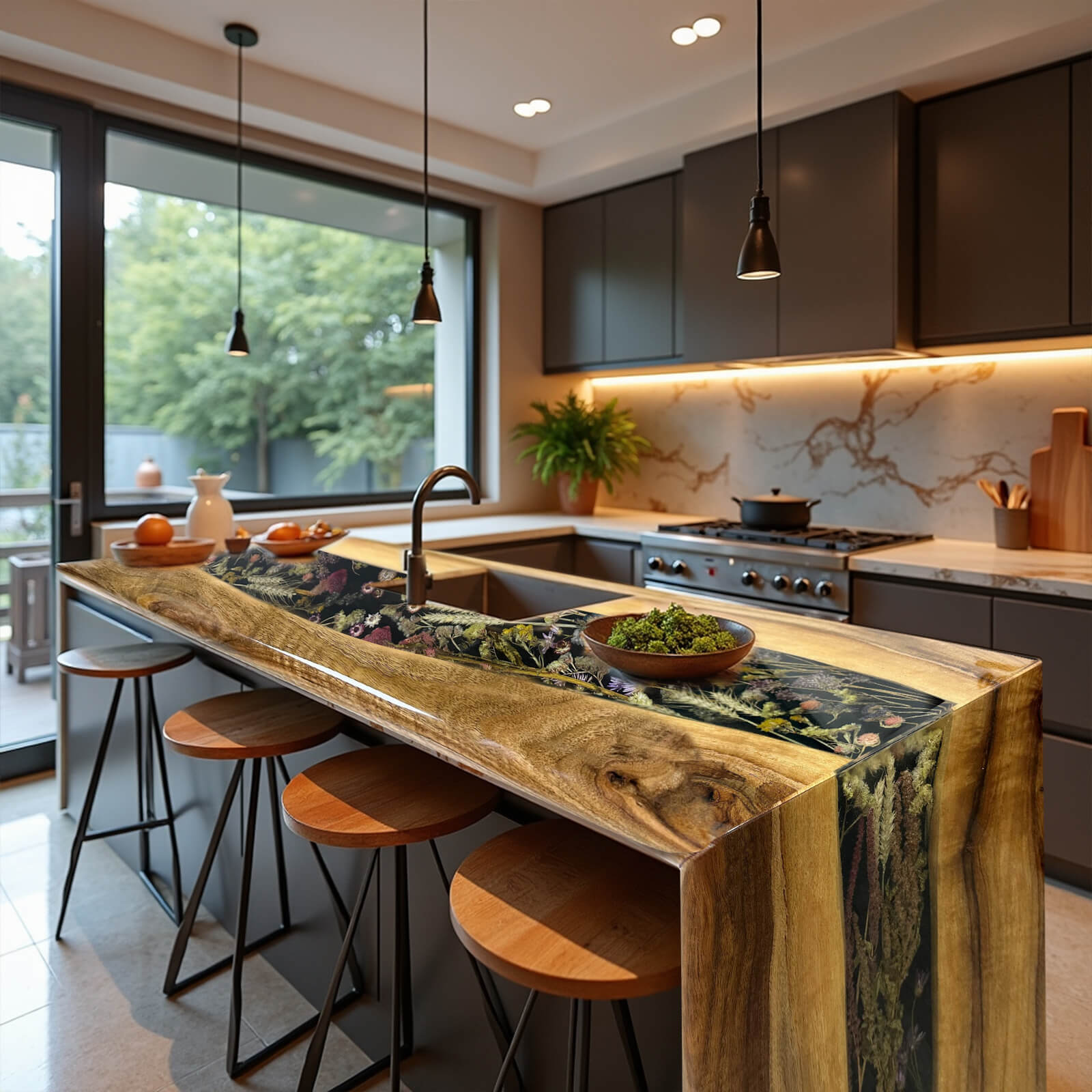
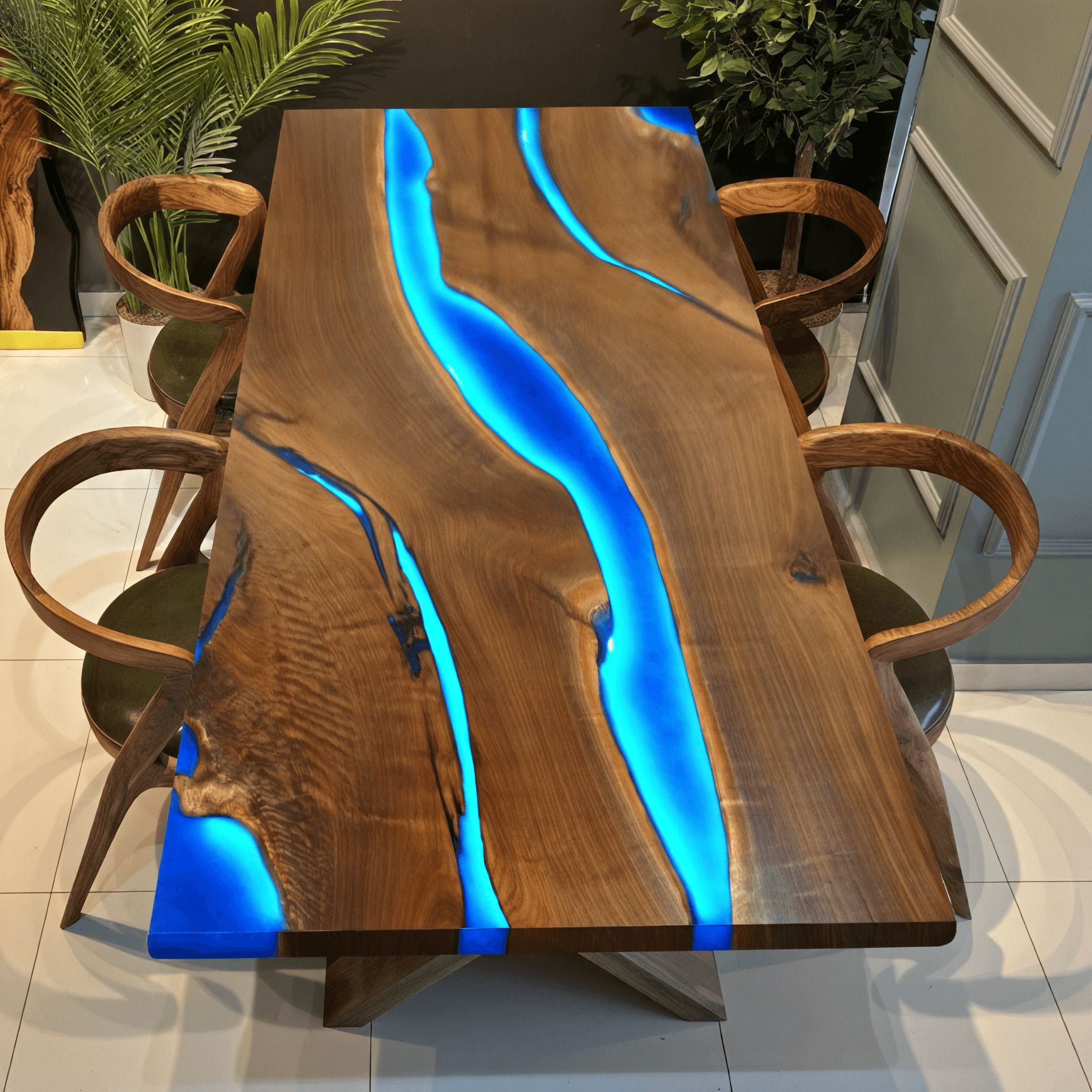
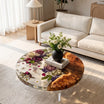
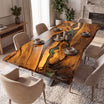
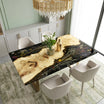
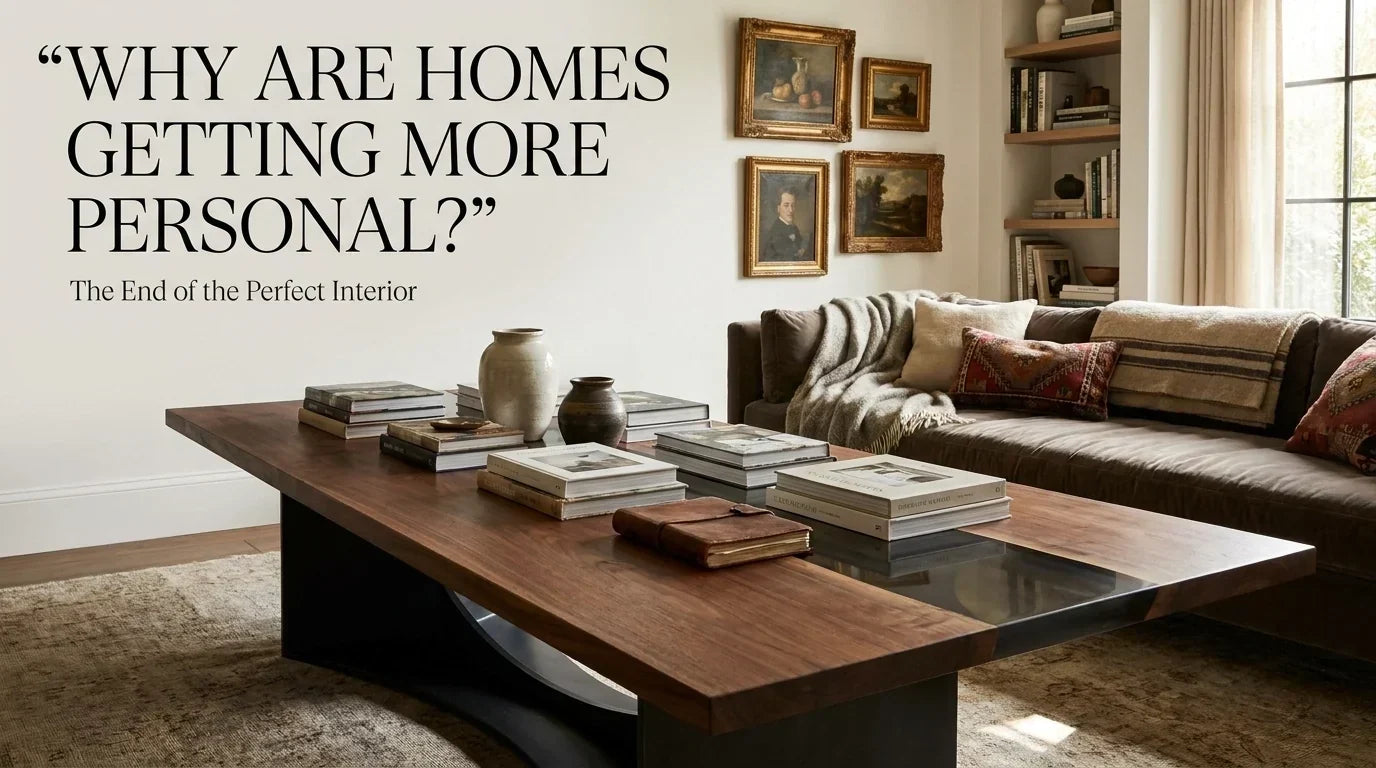
A contemporary home might use dark walnut furniture, vintage lighting, handmade ceramics, or a custom table with an irregular natural edge.
This is the rise of eclectic interiors—not necessarily maximalist rooms, but rooms where different eras, materials, and stories are allowed to coexist.
Why Natural Materials Feel More Personal

Materials are one of the easiest ways to make an interior feel individual.
A manufactured surface tends to repeat itself.
Natural materials do not.
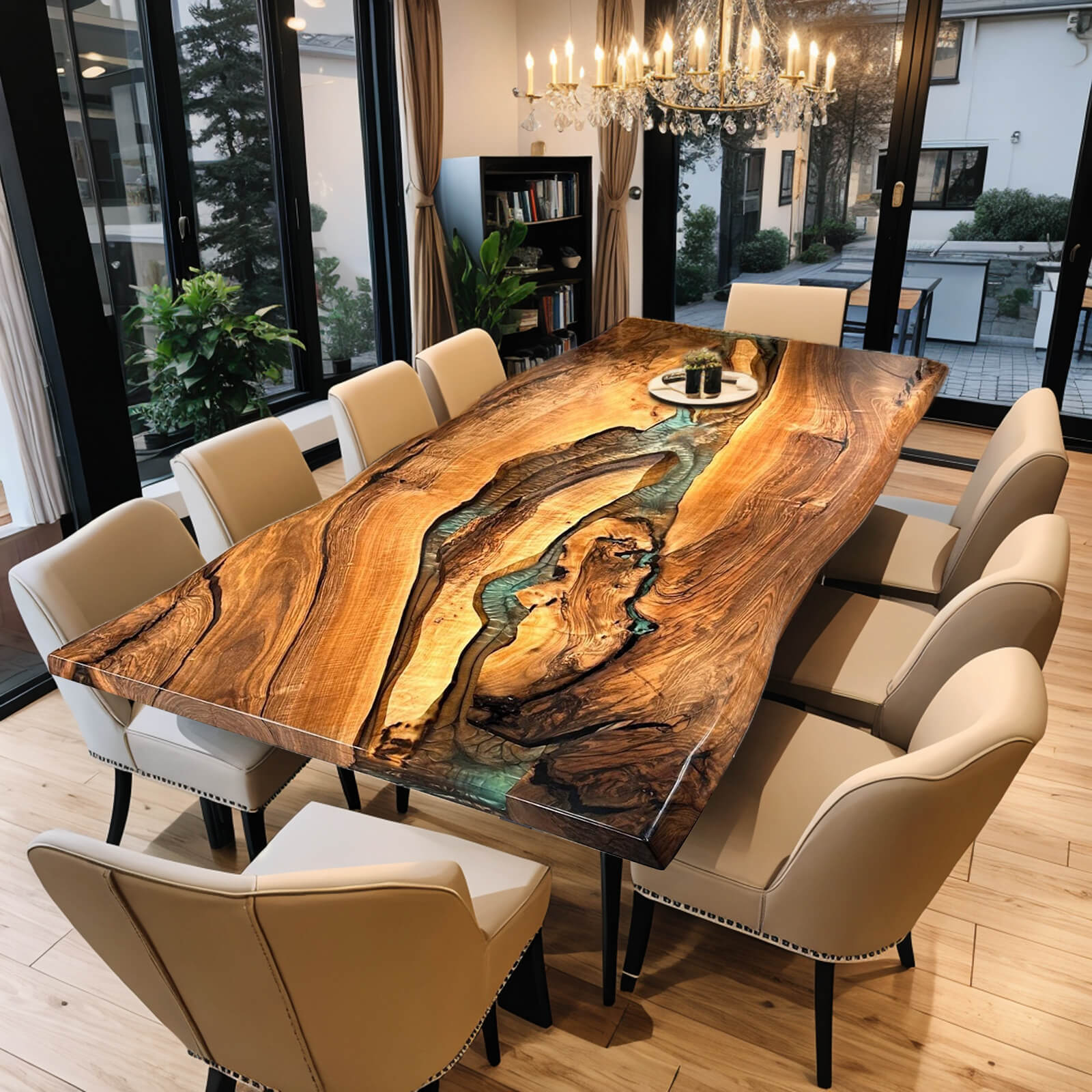
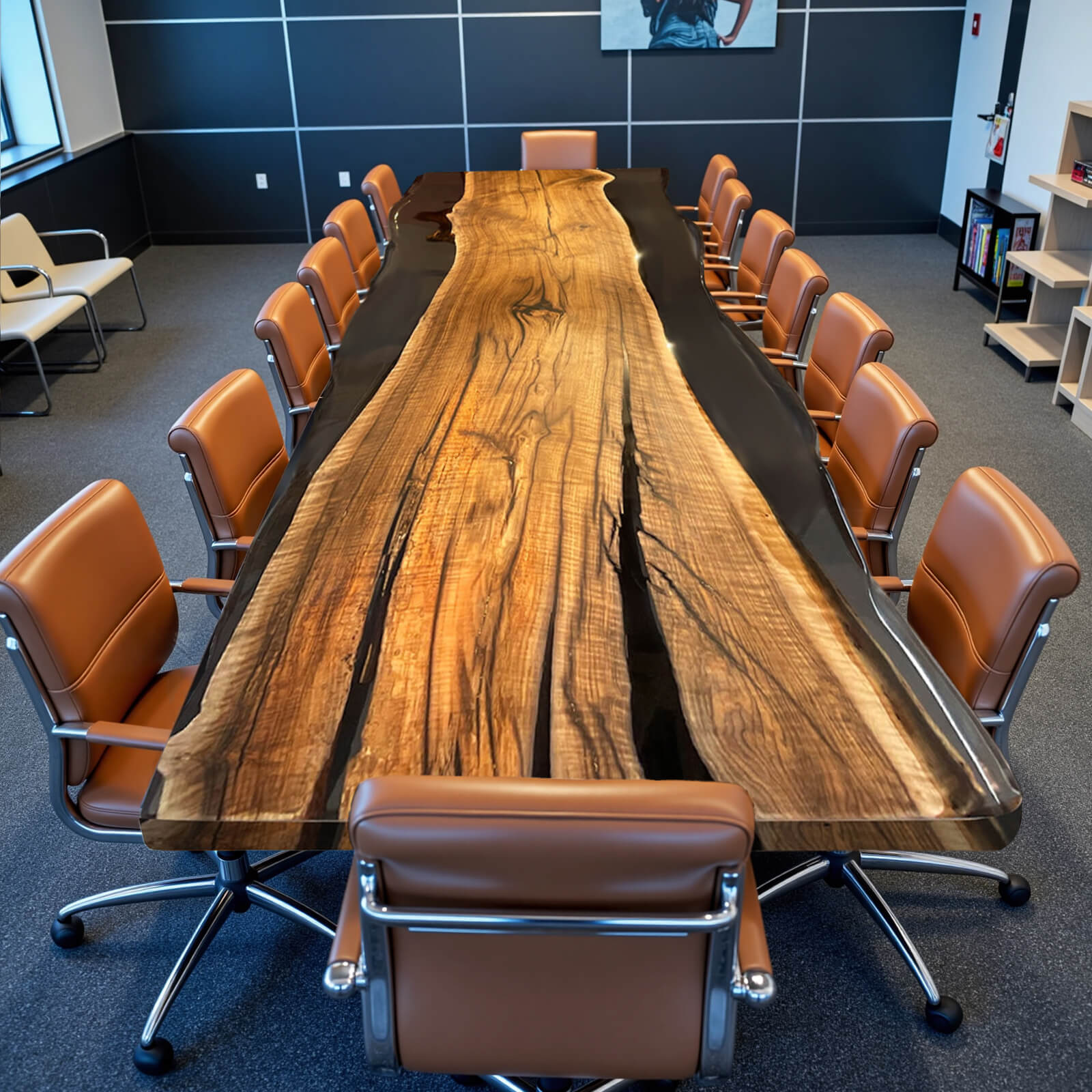
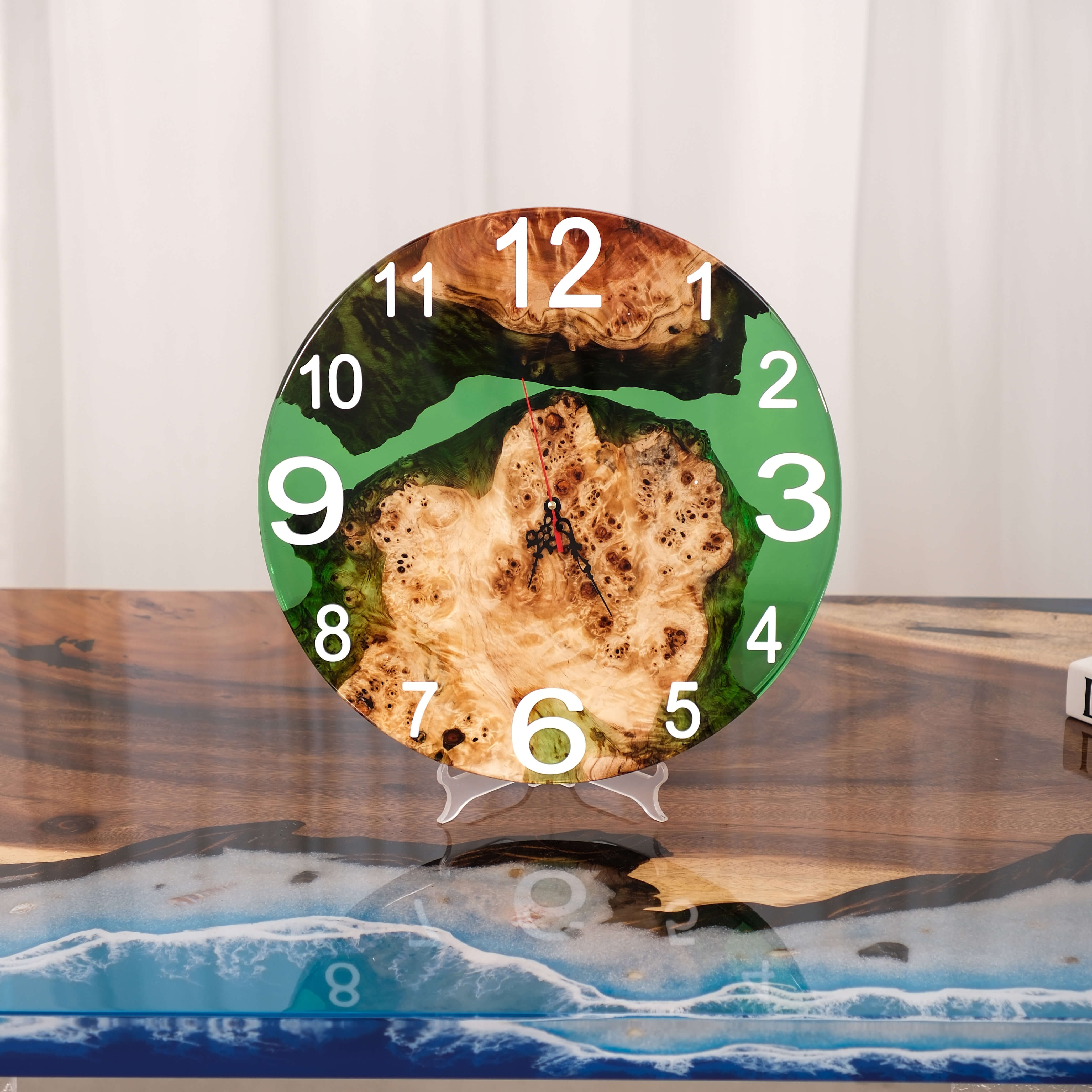
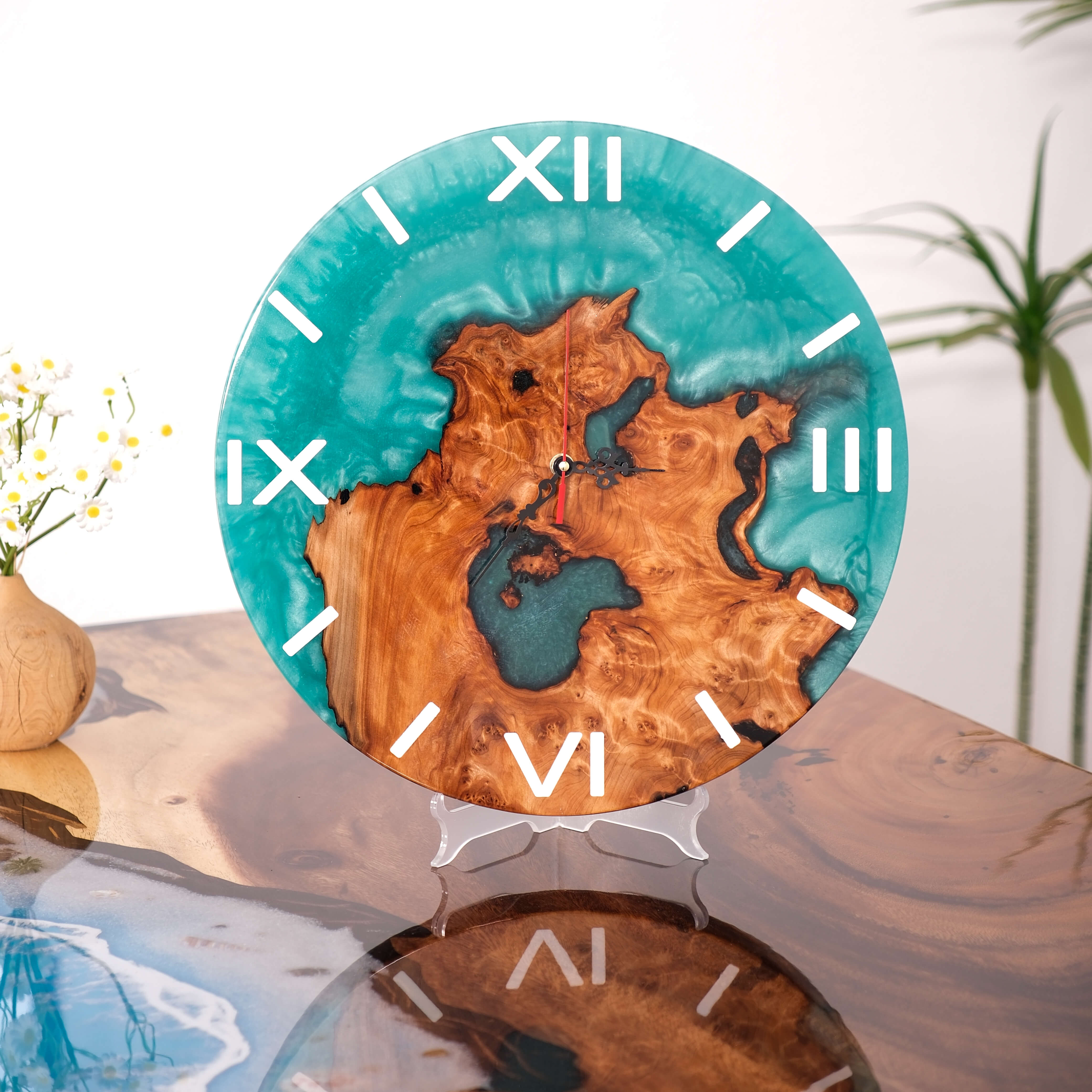
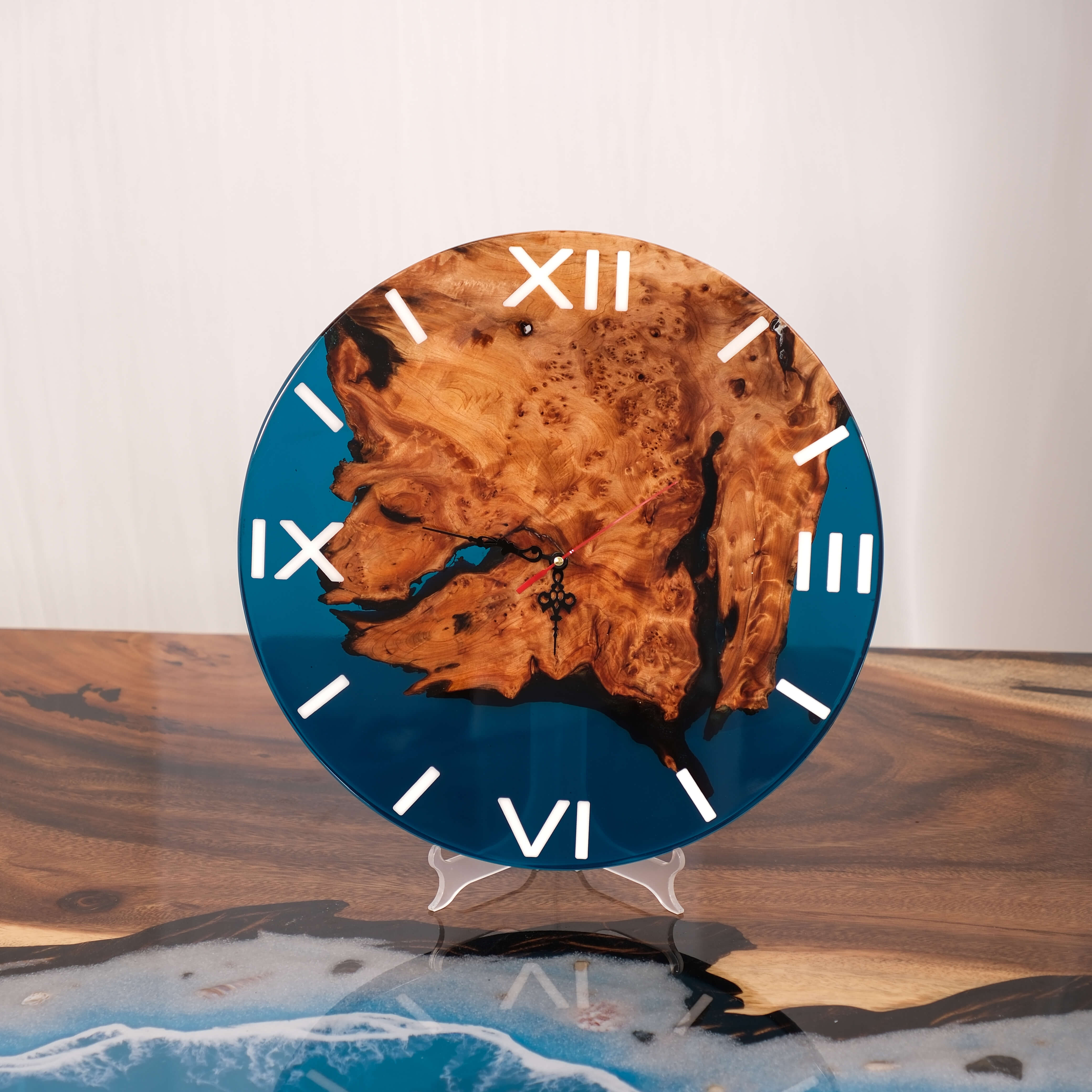
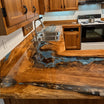
A solid wood slab contains grain variations, knots, color changes, mineral streaks, growth patterns, and other characteristics that make every piece different.
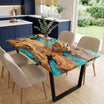
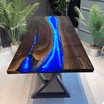
When combined with epoxy resin, these natural features can become part of the furniture's visual identity rather than something that needs to be hidden.
This is particularly relevant to the growing interest in tactile design.
People do not experience furniture only visually.
They touch a tabletop.
They notice the temperature of wood.
They feel a finished edge.
They see how natural grain changes under daylight.
These small sensory experiences can make a room feel more grounded.
That is particularly powerful in an era when so much of everyday life takes place through screens.
The Return of “Lived-In” Interiors

One of the most interesting 2026 design trends is the growing appreciation for the lived-in interior.
Rather than making a room appear untouched, designers are increasingly allowing signs of life to remain visible.
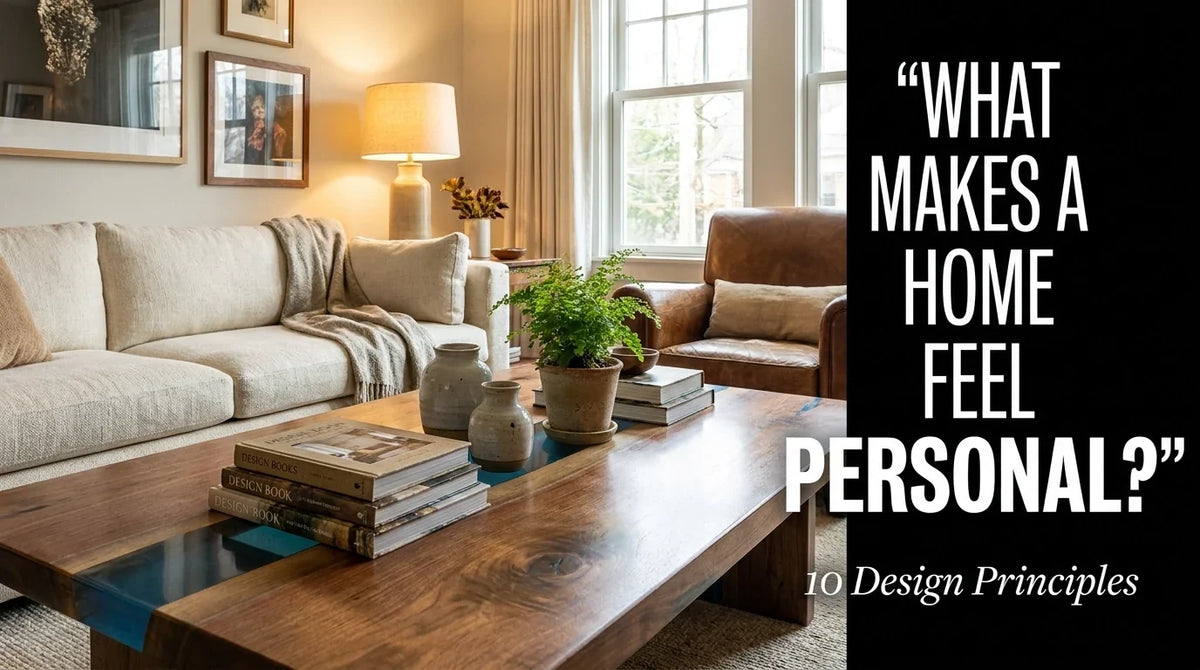
Books are left on tables.
Objects are collected rather than perfectly coordinated.
Vintage pieces sit beside contemporary furniture.
Materials develop patina.
Wood remains visually expressive.
The goal isn't messiness.
It is authenticity.
Recent fall 2026 design coverage has highlighted exactly this movement, including stronger interest in dark woods, tactile textures, patina, uniqueness, and spaces that move away from sterile, mass-market interiors.
A custom wood table fits naturally into this philosophy because it can become part of the room's story instead of functioning as a disposable surface.
Why Custom Furniture Matters More
When a homeowner buys a standard piece of furniture, the room is often designed around an object that already exists.
Custom furniture reverses that relationship.
The furniture can respond to:
· the dimensions of the room
· the number of people using it
· the preferred wood species
· the desired proportions
· the interior style
· the homeowner's personal taste
That makes a custom table more than a functional purchase.
It becomes a design decision.
For homeowners looking for a piece that reflects their specific space, Design Your Epoxy Table allows the table size, wood, resin treatment, and overall direction to be considered as part of a customized process.
The Rise of Heirloom Furniture

Another important shift is the renewed interest in heirloom furniture.
Heirloom furniture is not necessarily expensive furniture.
Its defining characteristic is longevity and meaning.
It is something people expect to keep.
A dining table can become the place where birthdays happen, Thanksgiving dinners are served, homework is completed, conversations continue late into the night, and family photographs are taken.
That emotional history changes how people evaluate the furniture.
Instead of asking:
“How cheap is this?”
They begin asking:
“Will I still want this in ten years?”
That question naturally leads toward better materials, stronger construction, timeless proportions, and distinctive design.
Personal Does Not Mean Cluttered

There is an important distinction between personal design and visual clutter.
A personalized room still needs structure.
The best spaces often combine:
quiet architecture + expressive furniture + meaningful objects.
That might mean neutral walls paired with a dramatic wood table.
Or a simple sofa paired with unusual artwork.
Or a restrained room containing one highly distinctive piece of furniture.
This is where dopamine decor can also intersect with more sophisticated design. Current design conversations increasingly frame personalization around objects and colors that create emotional responses rather than simply following a predetermined style formula.
The goal isn't to put everything you love into one room.
It is to make sure the things you choose actually mean something.
What the Future of American Interiors May Look Like

The future probably isn't the complete disappearance of trends.
Instead, trends may become the starting point rather than the final destination.
A homeowner might begin with warm minimalism, add dark walnut, introduce vintage lighting, choose handmade ceramics, and finish the room with a custom epoxy wood table.
The result doesn't need to fit neatly into one Pinterest category.
And that may be the point.
The most interesting American homes increasingly feel like portraits of the people who live in them.
They are less concerned with looking perfect and more concerned with feeling authentic.
In that environment, furniture has an important role.
A table isn't simply where you put your coffee.
It can become the physical object around which a home organizes its memories.
If you're looking for inspiration, explore CREATEATABLE's Best Sellers or browse the broader table collection for examples of how natural wood and epoxy can become statement pieces in personalized interiors.
Final Thought
The most valuable interior may not be the one that looks perfect in a photograph.
It may be the one that tells you something about the person who lives there.
As American interiors become more personal, furniture will increasingly be judged not only by its shape or price, but by its material authenticity, individuality, craftsmanship, and ability to become part of everyday life.
Perfect rooms can impress people.
Personal rooms make people feel at home.