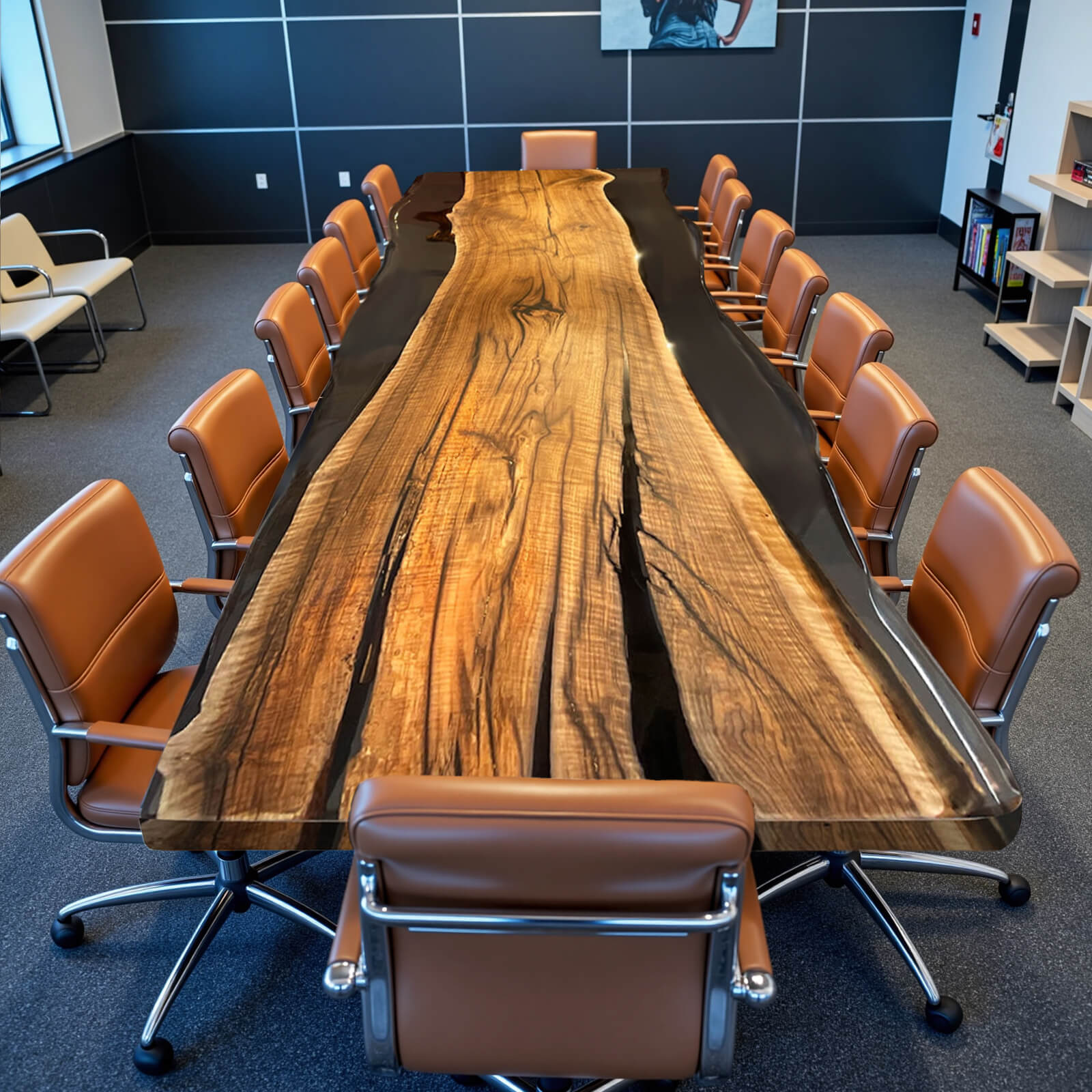
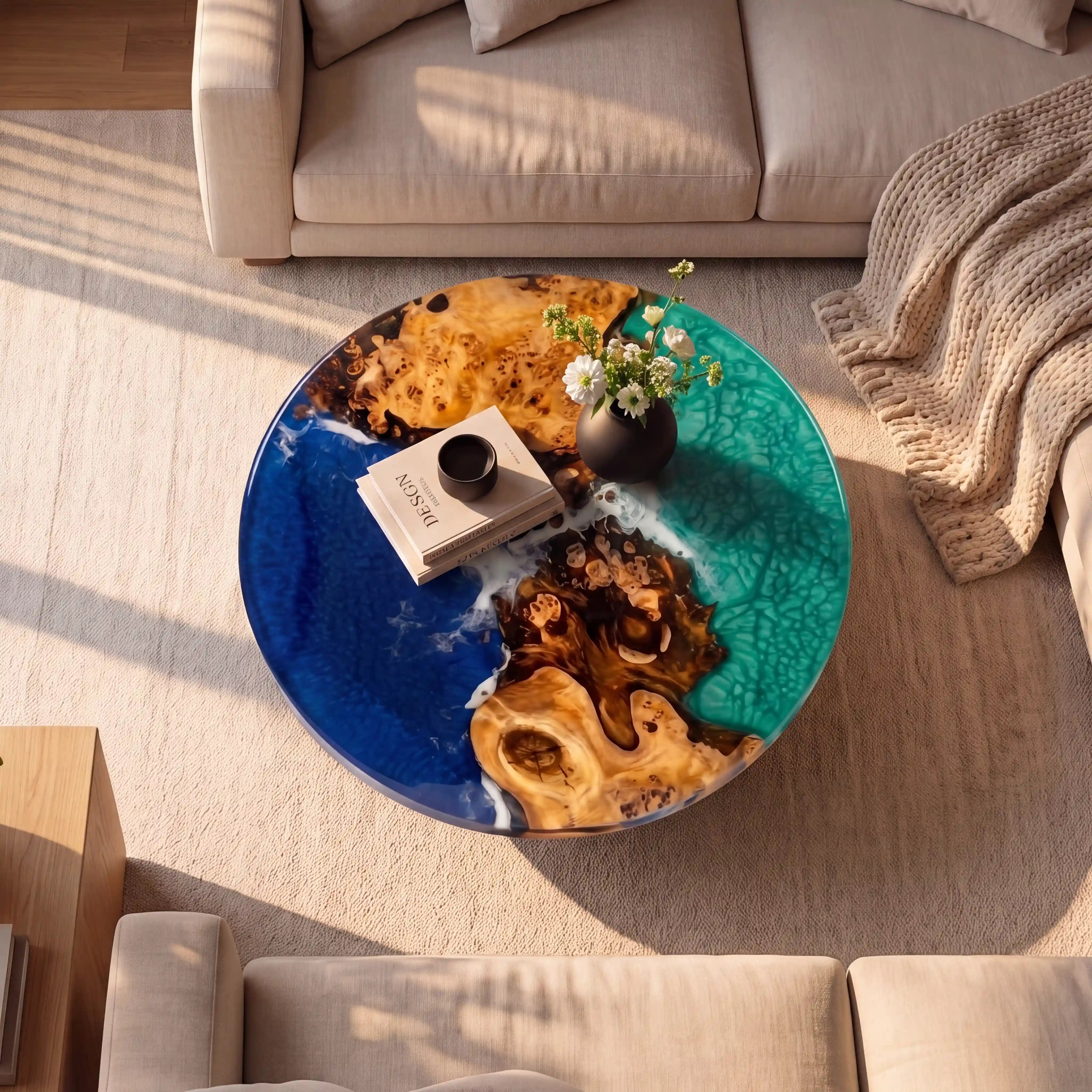
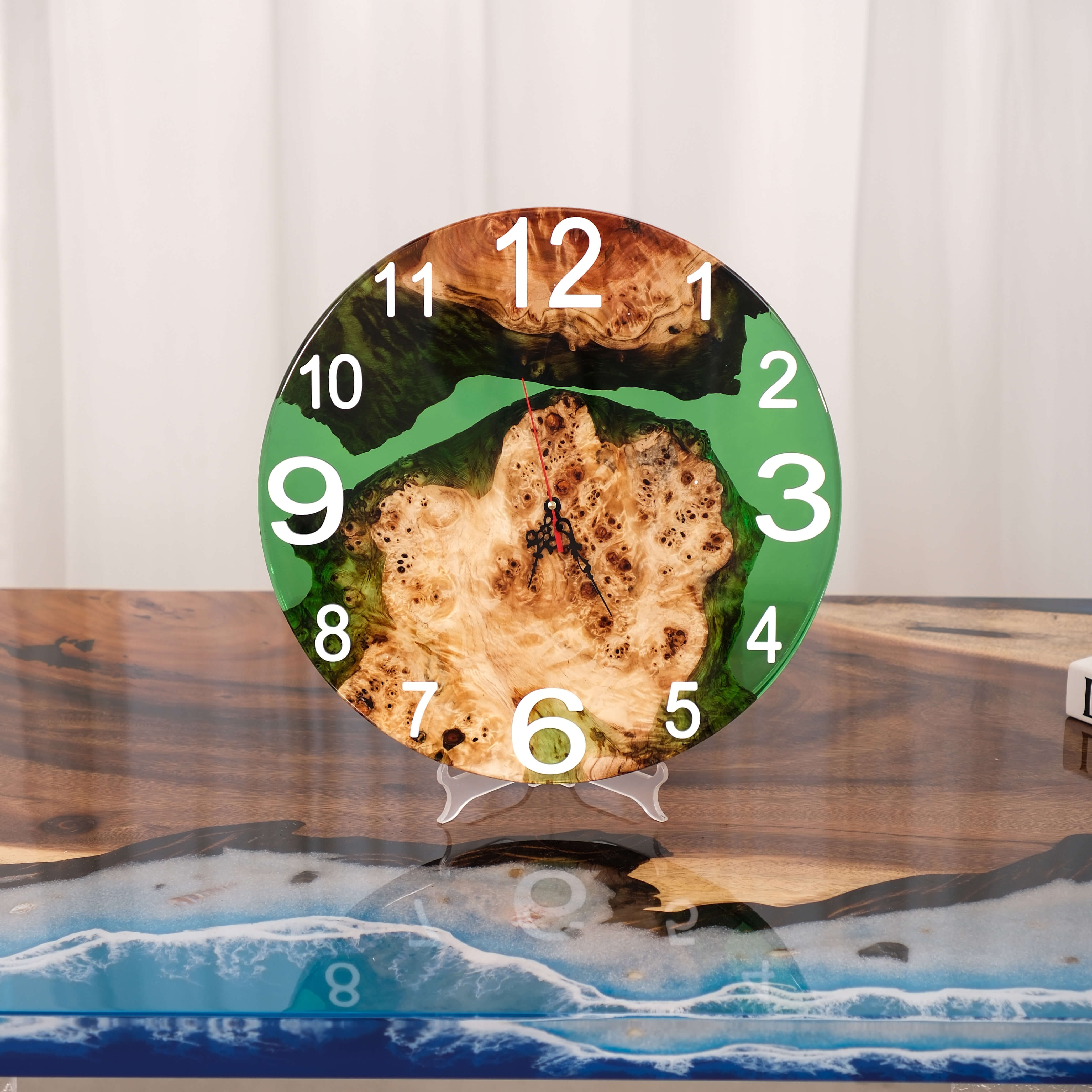
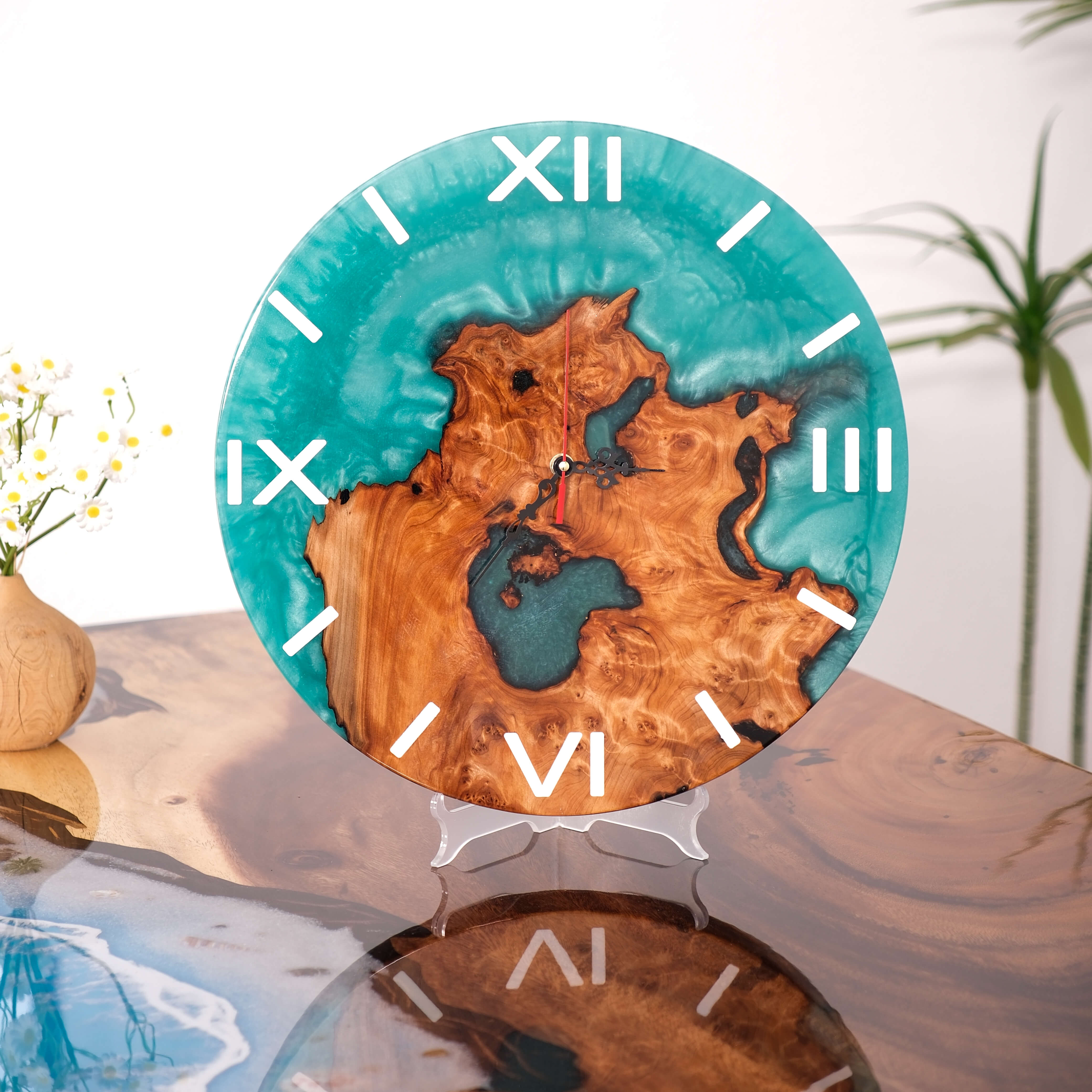
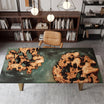
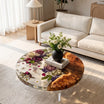
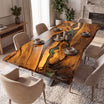


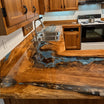






There is a reason walnut furniture seems to return to the conversation every few years.
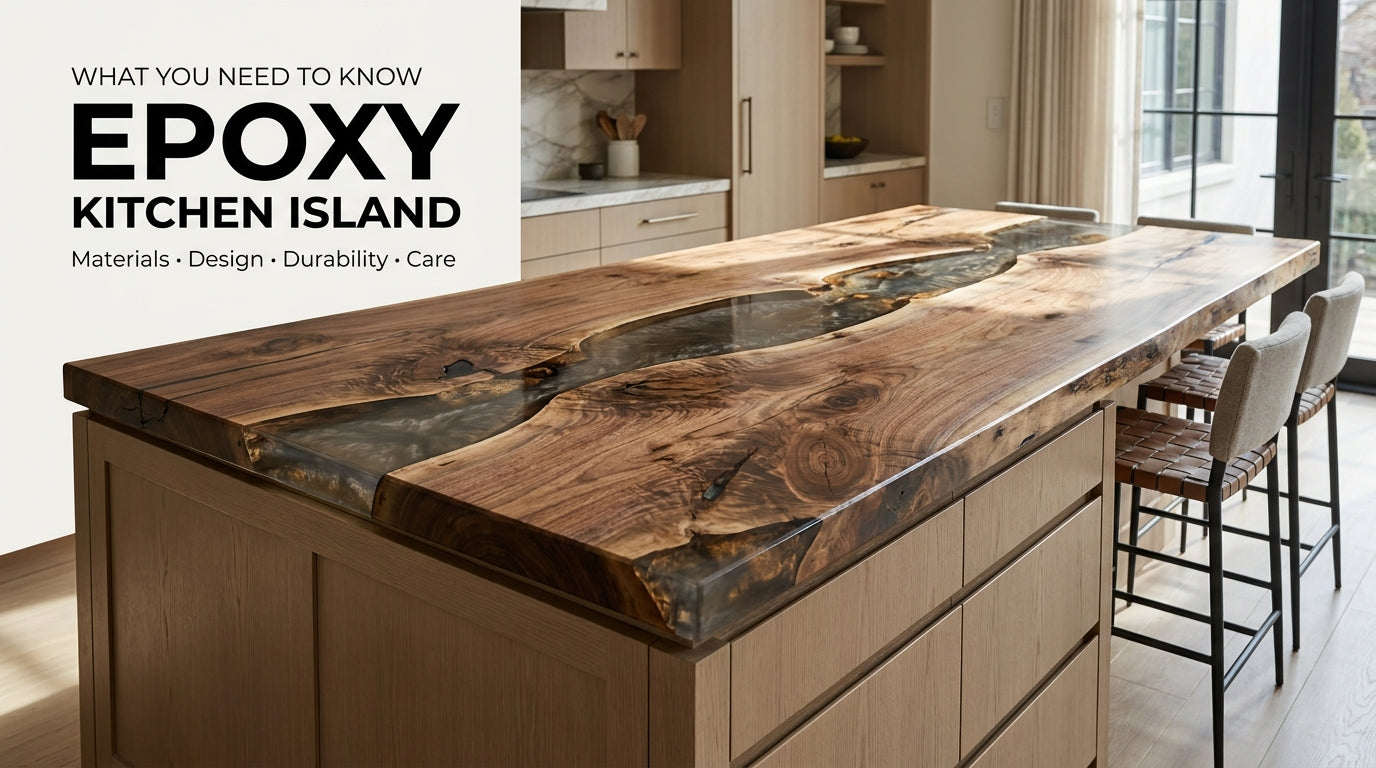
It appears in mid-century interiors, disappears behind waves of pale oak and minimalist furniture, and then comes back again when designers begin looking for warmth, depth, and character. In 2026, that cycle is happening once more. Rich walnut, dark wood, and deeper brown tones are becoming increasingly prominent as homeowners move toward interiors that feel warmer, more personal, and less mass-produced.
But calling walnut a “trend” misses the bigger story.
Walnut never really went out of style because it solves a design problem that trends cannot: it makes a room feel considered.
It can look contemporary without feeling cold, traditional without feeling formal, and luxurious without relying on excessive decoration. That versatility is precisely why walnut furniture continues to work across generations of interior design.
Why Walnut Keeps Returning

Furniture trends usually change faster than the materials beneath them.
One year, pale Scandinavian oak dominates. Another year, painted furniture becomes popular. Then designers rediscover darker woods, richer finishes, and more traditional forms.
Walnut has survived these cycles because it sits comfortably between opposites.
Its naturally deep brown color gives a room visual weight, while its grain prevents that darkness from becoming flat. It can support a minimalist room just as easily as a layered, collected interior.
This matters because the definition of contemporary luxury is changing.
In 2026, designers are increasingly emphasizing craftsmanship, longevity, tactile materials, and furniture with personality rather than pieces that simply look fashionable for a season.
Walnut happens to embody many of those qualities naturally.
It does not need an aggressive silhouette or complicated ornamentation to attract attention. The material itself provides visual interest.
That is one reason dark wood is appearing again in contemporary interiors.
Walnut Is More Than a Color
One common mistake is to think of walnut simply as “dark brown furniture.”
That description misses what makes the material distinctive.
Walnut has movement.
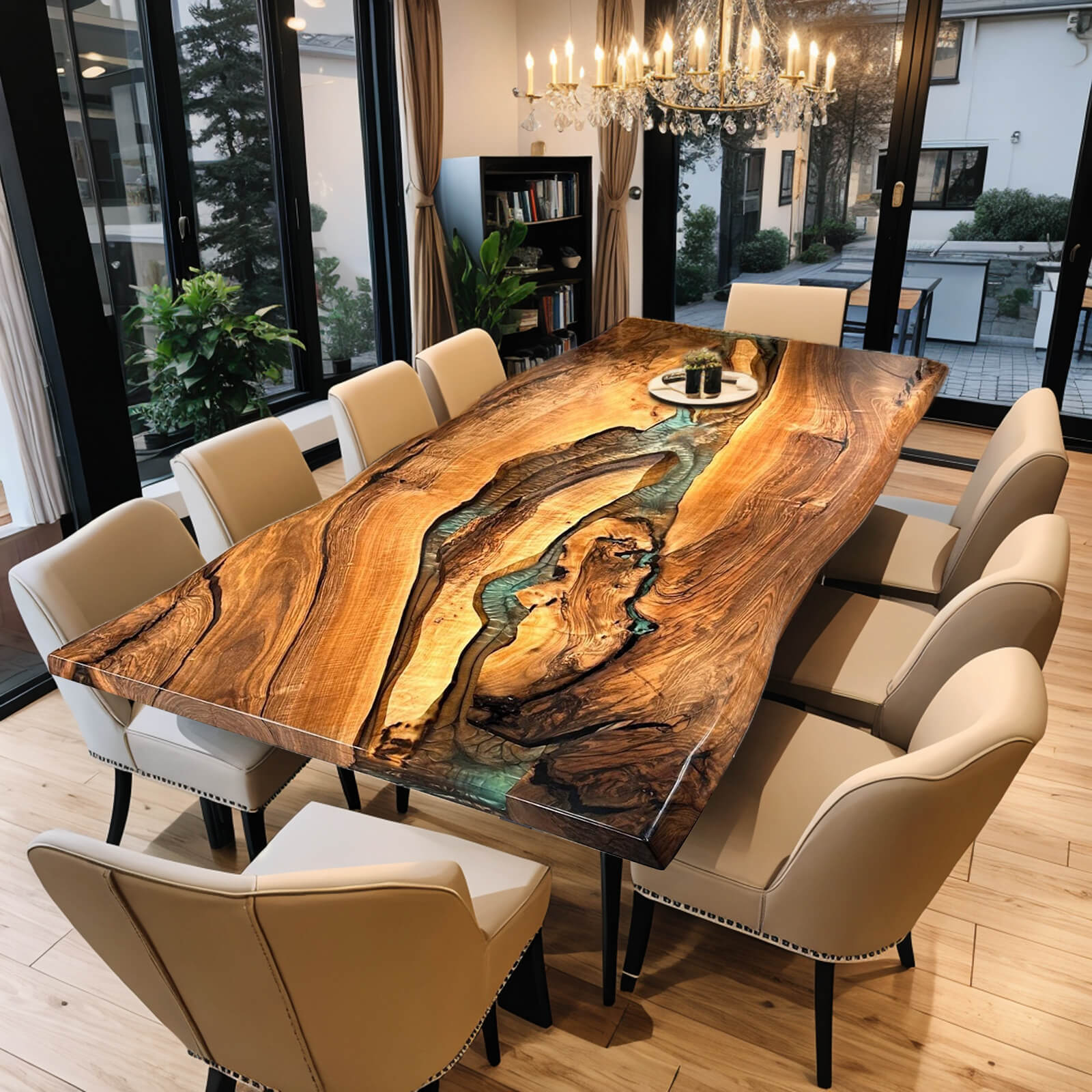
Depending on the board and cut, the grain can range from relatively calm and linear to highly expressive with waves, cathedral patterns, mineral variation, and natural irregularities.
That means two walnut tables can have essentially the same design while looking completely different.
This individuality is increasingly valuable in an era of personalized interiors.
For years, furniture shopping often meant selecting from standardized collections where thousands of homes could end up with almost identical tables, chairs, and cabinets.
Today, homeowners are showing greater interest in spaces that feel collected rather than copied. Designers are mixing vintage pieces, contemporary furniture, natural materials, and objects with visible history.
Walnut fits naturally into that approach.
The material gives a piece enough personality to become part of the story of a room without overwhelming everything around it.
Why Dark Wood Feels Luxurious

Luxury is often associated with rarity or price, but furniture designers increasingly use another definition: material presence.
A high-quality material should be able to communicate its character without excessive decoration.
Walnut does exactly that.
Its darker tone creates contrast against lighter walls, upholstery, stone, and flooring. At the same time, its organic grain introduces variation that manufactured surfaces often lack.
This is especially useful in contemporary homes that might otherwise contain many smooth, uniform surfaces.
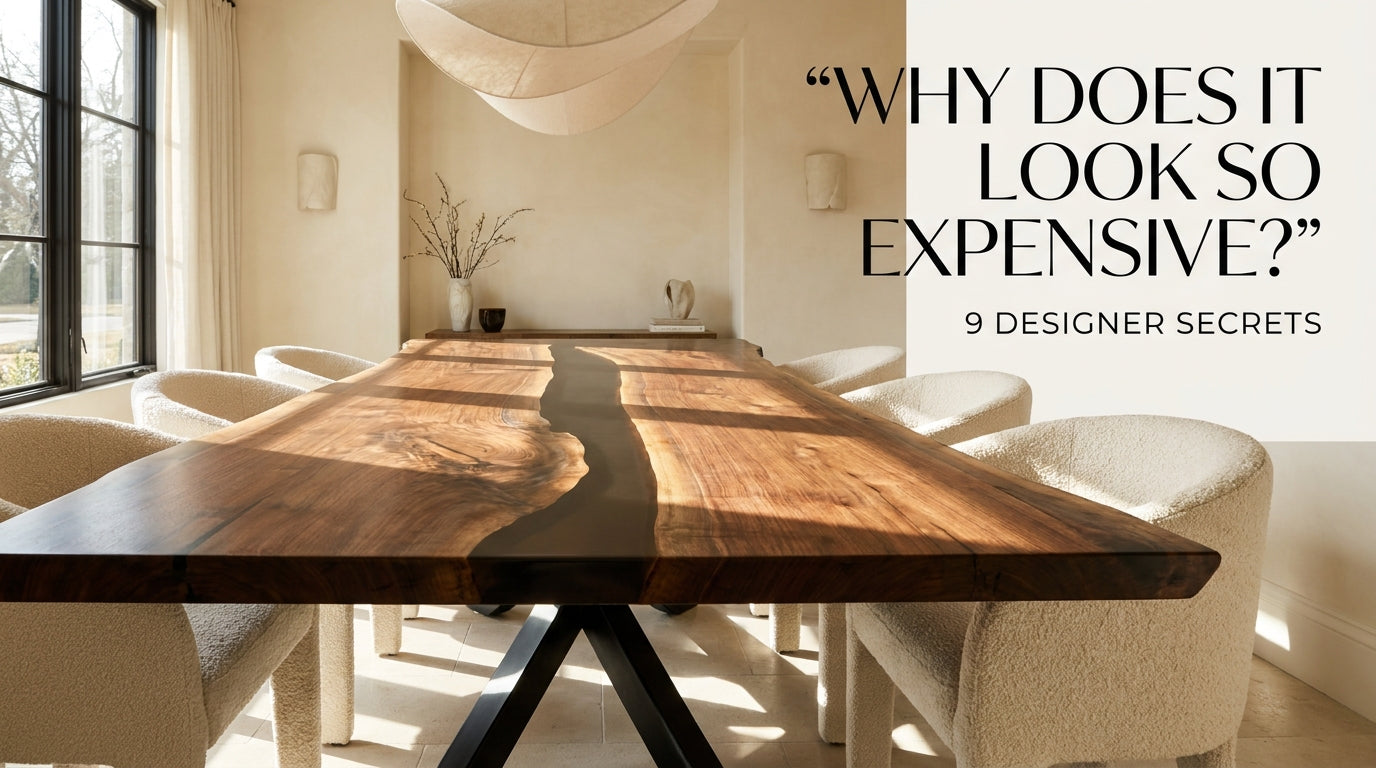
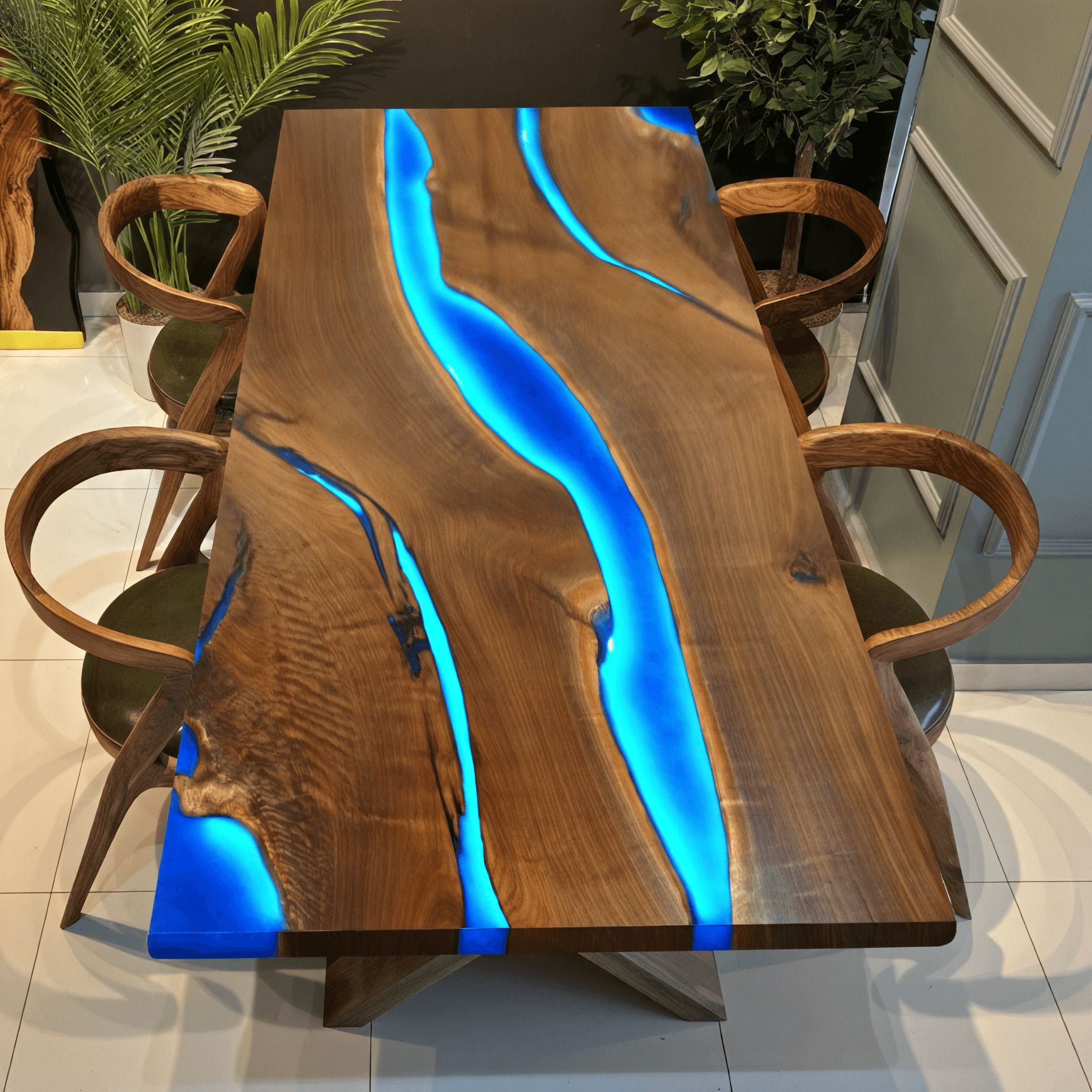
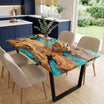
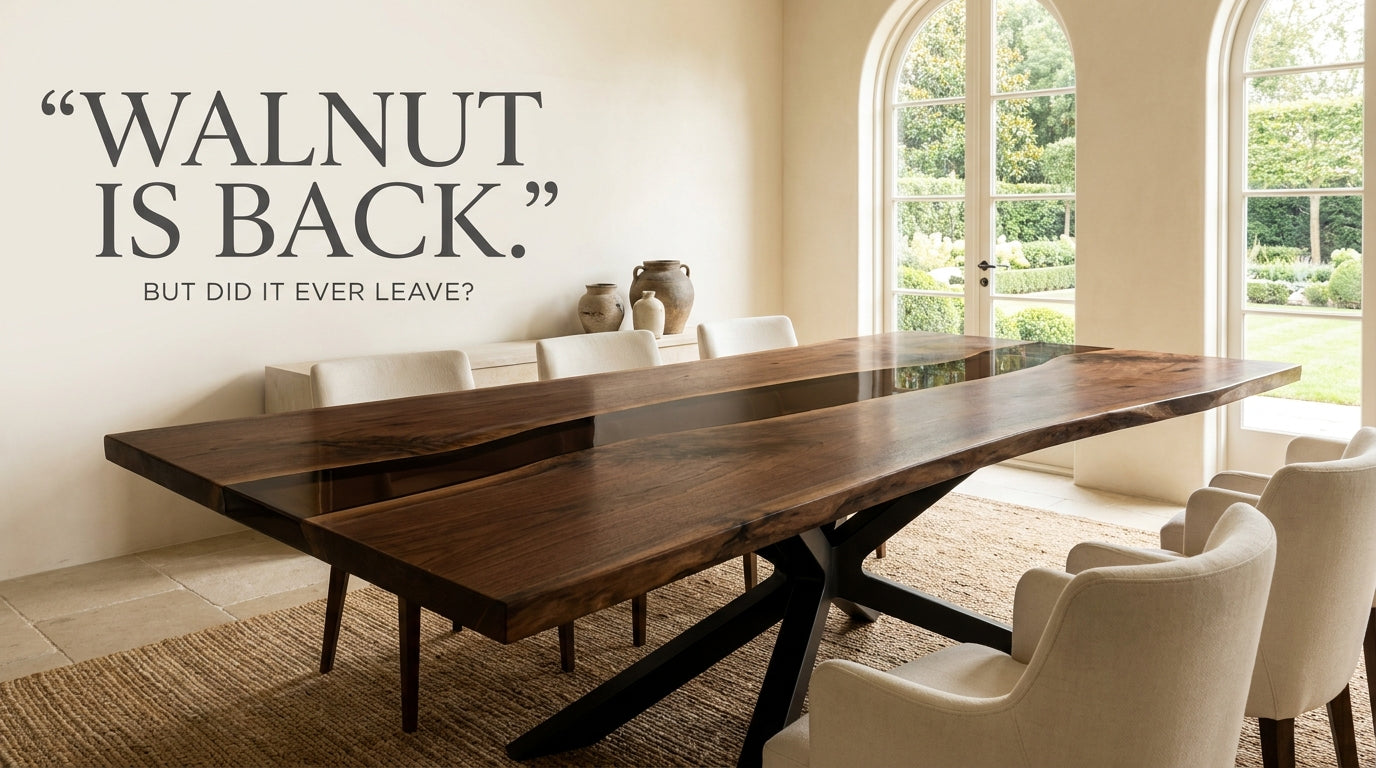
A walnut dining table can become the visual anchor.
Against an ivory rug, it creates contrast.
Against travertine or light stone, it introduces warmth.
Against black metal, it feels architectural.
Against linen and natural textiles, it feels relaxed.
That flexibility is one reason walnut works so well with today’s growing preference for material layering.
Walnut and the Return of “Lived-In” Interiors
Another reason walnut feels especially relevant in 2026 is the growing rejection of overly sterile interiors.
For years, minimalism often meant pale surfaces, matching furniture, restrained decoration, and almost perfect visual uniformity.
The newer interpretation of minimalism is different.
It can still be clean, but it is warmer.
It can still be sophisticated, but it contains evidence of human life.
Designers are increasingly embracing lived-in interiors, natural variation, vintage elements, patina, and furniture with character.
Walnut works beautifully in this environment because it becomes richer rather than less interesting as it ages.
A table does not have to remain visually frozen in the condition it had on delivery day.
Small marks, subtle changes in sheen, and the natural evolution of the surface can become part of its story.
That quality is difficult to reproduce with disposable furniture.
Is Walnut a Trend or a Timeless Material?
The answer is both—but in different ways.
The amount of walnut used in interiors can be trendy.
The material itself is not.
This distinction is important.
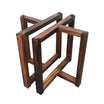
When walnut becomes popular, designers may use it in different silhouettes, finishes, and applications. A current trend might favor sculptural walnut bases, darker finishes, rounded edges, or oversized statement pieces.
Those design decisions can eventually date.
The underlying material is much harder to date.
A well-proportioned walnut table with a restrained silhouette can move through multiple interior styles without requiring replacement.
That is one reason walnut is particularly compelling for investment furniture.
Recent design coverage is increasingly framing high-quality dining tables as pieces worth spending more on because they can serve a home for decades rather than simply following a short design cycle.
How to Use Walnut Without Making a Room Feel Heavy
The biggest concern homeowners often have with dark wood is that it will make a room feel too dark or traditional.
The solution is not to avoid walnut.
It is to create balance.
Pair a dark walnut table with lighter materials such as:
· warm white walls
· cream upholstery
· natural linen
· light stone
· wool rugs
· soft neutral ceramics
· brushed or aged metals
You can also use walnut as a single visual anchor rather than repeating dark wood across every piece.
For example, a walnut dining table surrounded by lighter chairs can feel contemporary and relaxed.
A walnut console against a pale plaster wall can look architectural.
A walnut coffee table in a room with natural textiles can provide grounding without becoming visually heavy.
The goal is contrast—not uniformity.
Why Walnut Works Across Interior Styles

Walnut’s greatest strength may be its ability to change personality depending on its surroundings.
In a modern organic interior, walnut feels earthy and sophisticated.
In a mid-century modern home, it feels historically appropriate.
In a contemporary luxury interior, it provides warmth against stone, glass, and metal.
In a transitional dining room, it bridges traditional and contemporary elements.
In a more eclectic home, its natural variation works alongside vintage furniture and collected objects.
That adaptability explains why walnut repeatedly survives changes in interior design.
It does not have to belong to one style.
Instead, it adapts to the style around it.
The Future of Walnut Furniture
The next generation of walnut furniture is unlikely to look exactly like the walnut furniture of the past.
Designers are experimenting with softer edges, sculptural bases, mixed materials, oversized proportions, and more relaxed room compositions. Current 2026 furniture trends also show growing interest in organic curves, artisan craftsmanship, natural irregularities, and richer wood tones.
But the fundamental appeal remains unchanged.
Walnut has depth.
It has texture.
It has variation.
And most importantly, it has the ability to become more meaningful as the surrounding interior evolves.
That is why the question should not really be:
“Is walnut furniture back in style?”
A better question is:
“Why would walnut ever need to go out of style?”
Trends can determine which walnut silhouettes become popular next.
They cannot easily replace the fundamental qualities that make the material work.
When homeowners want furniture that feels warm rather than sterile, distinctive rather than mass-produced, and enduring rather than disposable, walnut naturally finds its way back into the room.
Not because it is having a moment.
Because it never stopped being good.
From Inspiration to Your Own Table
Walnut may keep coming back, but the best furniture is never simply about following a trend. It is about choosing materials, proportions, and details that feel right for your home—and creating a piece that can remain meaningful for years to come.
If you love the warmth and character of walnut but want something uniquely yours, explore CREATEATABLE's custom epoxy tables and start designing a table around your preferred wood, size, color, and style.
→ Design Your Own Table
Design Your Own Table